
For interior designers planning a school hall, the choice of a sliding partition supplier evaluation is a pivotal step that can determine project success. The right movable partition wall enhances acoustic control and spatial flexibility, but the wrong supplier can lead to delays, quality issues, and compliance headaches. This guide focuses on the practical aspects of evaluating suppliers, from quotation readiness to technical requirements, helping you make an informed decision.
Direct answer: To evaluate sliding partition supplier options effectively, prepare a detailed specification package (including opening size, drawings, acoustic target, finish preference, and project location), then compare suppliers based on their ability to provide custom solutions, compliance documentation, and clear project support. Prioritize suppliers with proven experience in school hall applications and transparent communication.
Why School Halls Require Specialized Partition Solutions
School halls are multi-functional spaces used for assemblies, exams, sports, and performances. An operable wall system must not only divide space but also provide adequate acoustic insulation to prevent disturbance between activities. Unlike office partitions, school hall partitions face higher wear and tear, stricter safety regulations, and the need for quick, easy operation by staff. Therefore, the supplier must understand these unique demands and offer solutions that align with educational building codes.
When you begin your sliding partition supplier evaluation, consider the specific operational patterns of the school. For example, a top-hung track system is often preferred because it eliminates the floor rail, reducing trip hazards and allowing for easy cleaning. This design also facilitates future reconfiguration of the hall without floor modifications. However, the structural ceiling must support the weight of the panels, so a structural engineer’s assessment is essential.
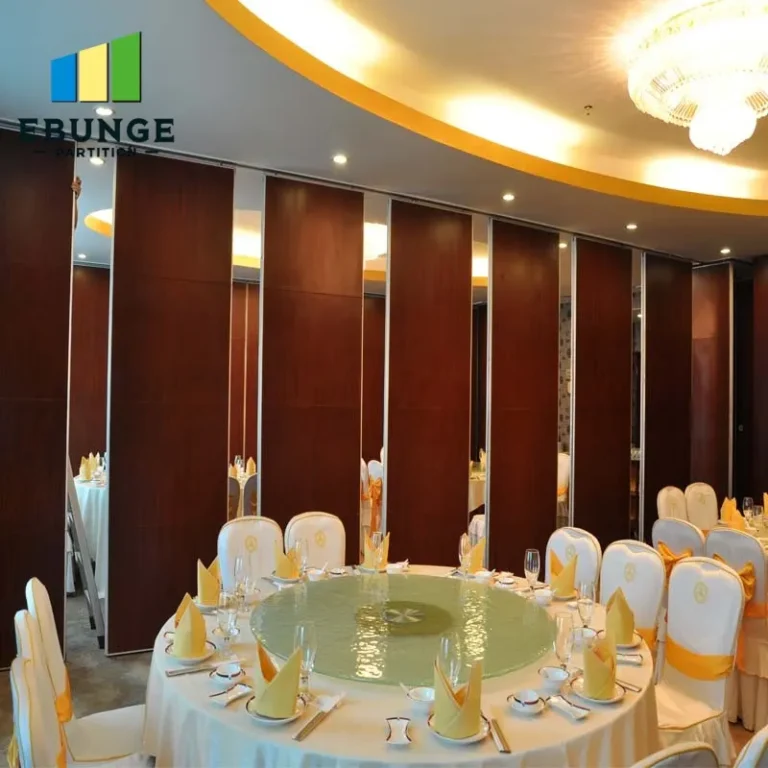
Need help turning the sliding partition supplier evaluation requirements into a practical project layout?
Key Technical Requirements to Include in Your Inquiry
To get accurate quotations and streamline the evaluation process, you must provide comprehensive technical details. This includes the exact opening dimensions (width, height, and depth), the number of panels required, the desired stacking space, and the acoustic performance target (e.g., STC or Rw rating). Additionally, specify the finish preferences—whether you need a tackable surface, whiteboard, or a specific veneer—and the operational method (manual or motorized).
Another critical factor is the compliance with local building codes. In many regions, fire ratings and emergency egress requirements are mandatory. A reliable supplier will provide documentation that confirms their products meet these standards. During your evaluation, ask for test certificates and compliance statements, but verify their relevance to your project’s jurisdiction.
Acoustic Insulation: What to Look For
Acoustic partition solutions for school halls must meet specific sound insulation levels to ensure speech privacy and noise control. The acoustic performance is influenced by the panel construction, seals, and the gap between the partition and the ceiling/floor. When comparing suppliers, ask for acoustic test reports from independent labs. However, remember that field performance may vary from lab tests due to installation quality and flanking paths. Therefore, a supplier that offers installation guidance and on-site support is invaluable.
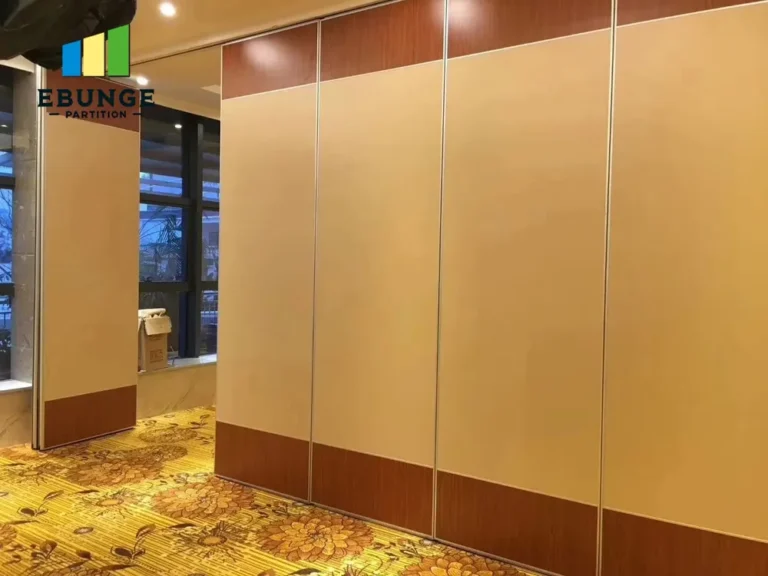
Evaluating Supplier Reliability and Customization Support
Supplier reliability is about more than just meeting deadlines; it’s about consistent quality and responsive communication. During your sliding partition supplier evaluation, review the supplier’s track record with similar projects. Ask for references from schools or institutions that have used their movable partition walls. Inquire about their project management process, including how they handle design changes, production issues, and delivery schedules.
Customization is another key aspect. A school hall may require non-standard sizes, specific finishes, or integration with existing architectural features. The supplier should be willing to adapt their standard products to your needs without compromising quality. They should also provide detailed shop drawings for approval before fabrication, ensuring that all dimensions and clearances are correct.
Overseas Delivery and Logistics
If you are sourcing from an overseas supplier, consider the implications for delivery time and cost. Lead times can be longer, and shipping may involve port handling, customs clearance, and inland transportation. A reliable supplier will provide a clear incoterm and a realistic delivery schedule. They should also supply packing details to prevent damage during transit. For a school project, any delay can disrupt the academic calendar, so factor in buffer time and consider suppliers who have local representatives or partners for after-sales support.
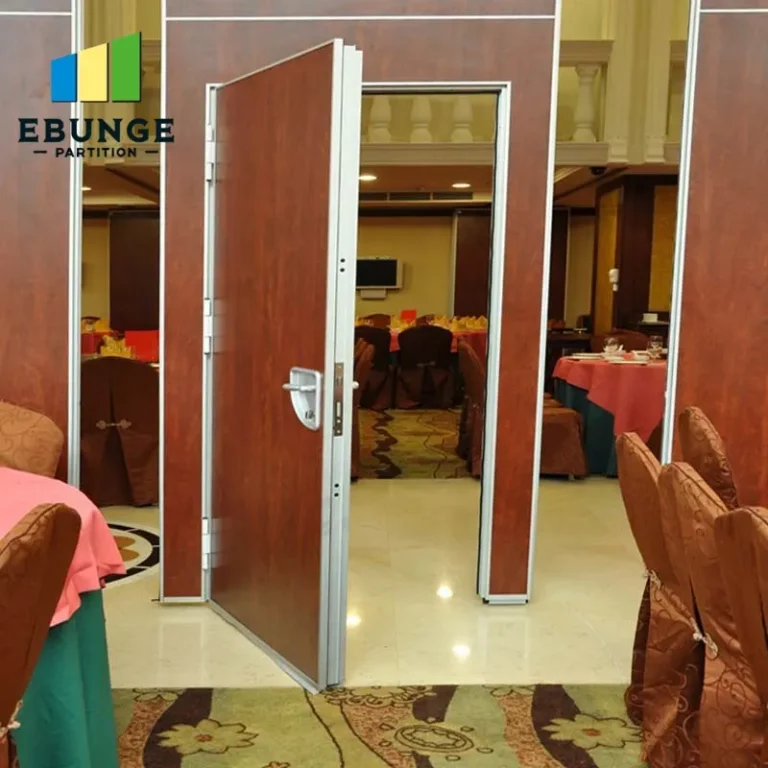
Comparing Quotations: What to Look Beyond Price
When you receive quotations, compare them not just on price but on the scope of supply. A lower price may exclude essential components like seals, handles, or installation supervision. Ensure that each quote includes a detailed breakdown of materials, hardware, finishes, and any optional extras. Also, check the warranty terms: what is covered, for how long, and what are the conditions? A longer warranty often indicates confidence in product durability.
Cost transparency is crucial. Ask about potential additional charges, such as for customization, special finishes, or expedited production. A reputable supplier will be upfront about these costs. Also, clarify the payment terms and the milestones for payment, so there are no surprises later.
Share the opening, drawings, finish direction, and privacy target for a project-specific review.
Checklist for Sliding Partition Supplier Evaluation
Use this checklist to compare suppliers effectively:
| Criteria | Questions to Ask |
|---|---|
| Experience | Have you supplied partitions for school halls before? Can you provide references? |
| Customization | Can you accommodate non-standard sizes and specific finishes? |
| Compliance | Do your products meet local building codes and fire safety regulations? |
| Acoustic performance | Do you have independent acoustic test reports? What is the field performance? |
| Delivery | What is your lead time? How do you handle shipping and customs? |
| Support | Do you provide installation drawings and on-site guidance? |
Making the Final Decision: Aligning with Project Goals
The final decision should be based on a holistic assessment of each supplier’s ability to meet your technical, budgetary, and timeline requirements. Consider scheduling a factory visit or a virtual meeting to see the production process and quality control measures. This can provide insight into their manufacturing capabilities and attention to detail.
Remember that the cheapest option is not always the most cost-effective in the long run. A slightly higher investment in a reliable supplier can save costs associated with delays, rework, and maintenance. For a school hall, where the partition will be used daily for years, durability and warranty are critical. Choose a supplier that offers robust after-sales support and is responsive to any issues that arise.
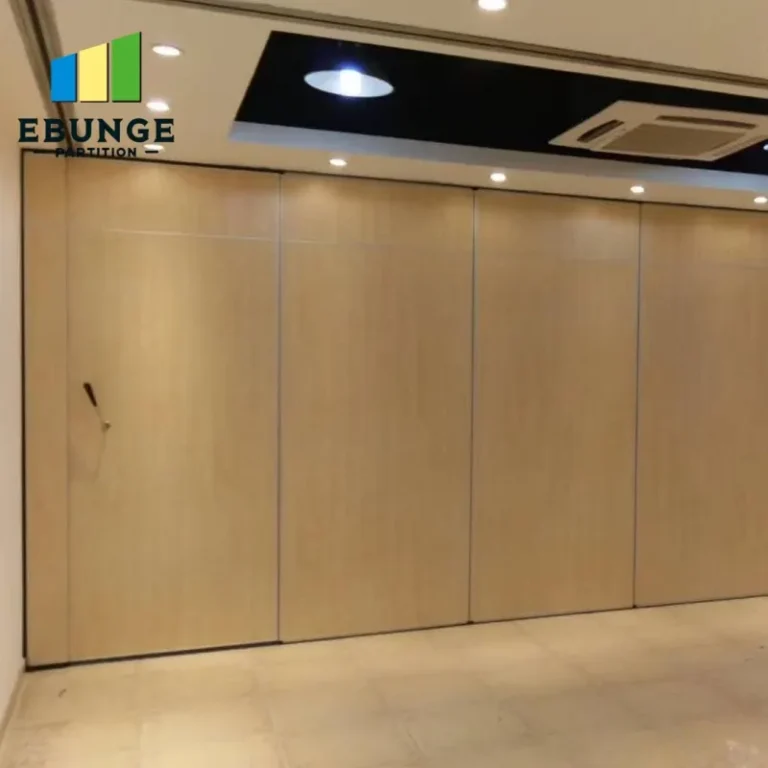
Conclusion: Streamlining Your Sliding Partition Supplier Evaluation
In conclusion, a thorough sliding partition supplier evaluation for a school hall project involves preparing detailed technical specifications, comparing supplier capabilities, and verifying their reliability and support. By focusing on your specific needs—such as acoustic performance, customization, and compliance—you can select a supplier that will deliver a high-quality operable wall system that enhances the functionality of your space. Always verify all claims with documentation and maintain clear communication throughout the process.
Frequently Asked Questions
What information should I provide to get an accurate quotation?
Provide the opening size (width, height, depth), number of panels, desired acoustic rating, finish preferences, operation method, and the project location. Also, include any specific building code requirements.
How do I verify a supplier’s compliance with building codes?
Ask for test certificates and compliance statements, and verify their relevance to your local jurisdiction. You can also check if the supplier has experience with similar school projects.
Can a movable partition wall be customized to match the school’s interior?
Yes, many suppliers offer customization options, including finishes like tackable surfaces, whiteboards, or wood veneers. Ensure the supplier can accommodate your specific design needs.
What is the typical lead time for a school hall partition?
Lead times vary based on customization and order size. Discuss this with the supplier early, and factor in buffer time for shipping and installation.
How important is acoustic insulation for a school hall partition?
Acoustic insulation is crucial to prevent sound disturbance between activities. Specify your acoustic target and request test reports to ensure the partition meets your requirements.
For more insights on movable partition walls and their applications, explore our blog. If you are looking for a movable partition manufacturer that understands school hall needs, contact us for a detailed consultation.
Send the opening size and drawings to discuss a differentiated sliding partition supplier evaluation solution.