
When you are specifying a sliding partition for a school hall, the evaluation process goes far beyond comparing brochures. As an interior designer, you need a supplier who can translate architectural drawings into a reliable operable wall system that meets acoustic targets, safety standards, and project deadlines. This guide addresses the critical questions that arise during a sliding partition supplier evaluation, focusing on practical decision-making and quotation readiness. We will help you prepare the technical information that suppliers need, understand the key differentiators in movable partition wall systems, and avoid common pitfalls in overseas procurement.
Direct answer: A thorough sliding partition supplier evaluation for a school hall should center on verified technical capabilities, transparent communication, and a clear process for customization and delivery. Focus on suppliers who provide detailed drawings, acoustic data based on independent testing, and a project-specific quotation that includes installation guidance and after-sales support.
1. Why School Halls Demand a Different Partition Evaluation Approach
School halls are multi-functional spaces that must accommodate assemblies, examinations, sports, and performances. Unlike office partitions, these environments require robust construction, higher acoustic insulation, and safety features that comply with educational building codes. During your sliding partition supplier evaluation, you cannot rely on generic product specifications. You must verify that the proposed operable wall system can handle the specific dimensions, ceiling height, and acoustic requirements of your project.
For instance, a top-hung track system is often preferred in school halls because it eliminates floor rails, reducing trip hazards and simplifying cleaning. However, this system places the entire load on the overhead structure, so you need a supplier who can confirm structural compatibility and provide installation details. Your evaluation should include a request for engineering calculations or reference projects in similar educational settings.
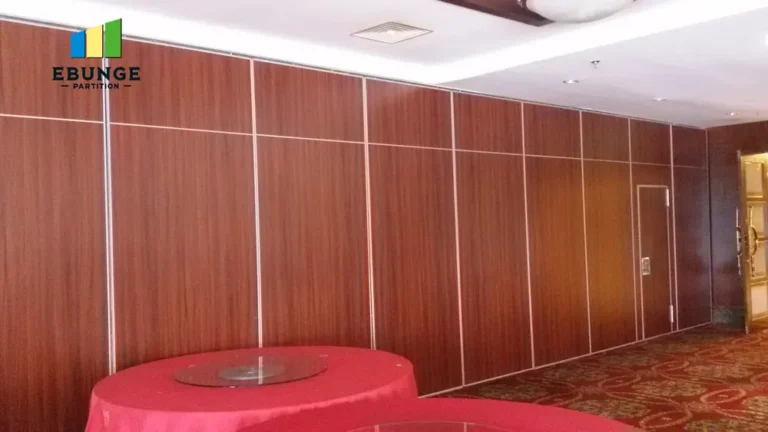
Need help turning the sliding partition supplier evaluation requirements into a practical project layout?
2. The Five Core Criteria for Supplier Reliability
Supplier reliability is the foundation of any successful partition installation. When evaluating potential partners, consider the following five criteria, which are often overlooked in initial inquiries:
- Manufacturing capacity: Can the supplier handle your order volume within your project timeline?
- Quality control: What testing and inspection processes are in place for each batch?
- Communication responsiveness: How quickly do they respond to technical questions?
- Customization flexibility: Can they adapt to non-standard sizes or unique finishes?
- After-sales support: Do they offer installation guidance and spare parts?
These criteria should be part of your sliding partition supplier evaluation checklist. For overseas suppliers, consider time zone differences and language barriers, which can impact project coordination. Request a point of contact who is familiar with international projects.
3. Product Certification and Compliance: What to Verify
In many countries, building products must meet specific standards. For school halls, fire safety and acoustic performance are critical. During your evaluation, ask for certificates such as CE, ASTM, or local equivalents. However, do not accept certificates at face value; verify their validity by checking the issuing body and the scope of certification.
Additionally, understand the acoustic insulation ratings. A common misconception is that a higher Sound Transmission Class (STC) is always better, but the actual performance depends on the partition’s seals, panel construction, and installation quality. Ask the supplier to provide acoustic test reports from an independent laboratory, and confirm that the test conditions match your project’s wall construction and ceiling type.
4. Acoustic Partition Solutions: Matching Ratings to Your School Hall
Acoustic performance is often the primary reason for installing a movable partition in a school hall. You need to balance sound insulation with other factors like weight and ease of operation. When evaluating acoustic partition solutions, consider the following:
- Target STC or Rw rating: Based on your project’s acoustic design, what rating is required?
- Sealing mechanisms: How do the vertical and horizontal seals perform under pressure?
- Panel construction: Are the panels filled with sound-absorbing materials?
- Test conditions: Are the ratings based on a similar partition configuration?
Remember, the acoustic performance of a movable partition is only as good as its installation. A top-hung track system must be aligned perfectly to ensure proper sealing. Ask the supplier for installation instructions and whether they provide on-site supervision.

5. Customization Flexibility: How to Communicate Your Needs
Every school hall is unique, so your sliding partition supplier evaluation must assess customization capabilities. Whether you need a specific finish, a curved track, or a partition that stacks into a compact pocket, the supplier should be able to accommodate your design intent.
To get accurate quotations, provide the following information:
- Opening size (width, height, and depth)
- Architectural drawings (DWG or PDF)
- Acoustic target (STC or Rw rating)
- Finish preference (laminate, veneer, paint, or fabric)
- Project location and site conditions
This data allows the supplier to offer a solution that fits your specific requirements, rather than a generic product. A reputable manufacturer will provide a detailed proposal that includes drawings and specifications for your approval.
Share the opening, drawings, finish direction, and privacy target for a project-specific review.
6. Installation Complexity and Project Timeline
Installation complexity directly affects your project schedule. A top-hung track system requires precise overhead steel reinforcement, which may involve coordination with the structural engineer. During your evaluation, ask the supplier about the installation process, the number of technicians required, and the estimated installation time for a typical school hall.
Also, clarify the delivery timeline, including production lead time and shipping duration. For overseas suppliers, consider potential delays due to customs or logistics. A transparent supplier will provide a realistic timeline with milestones, allowing you to plan the construction sequence.
7. Cost Transparency and Warranty Support
Cost transparency is essential to avoid budget overruns. Request a detailed quotation that breaks down costs for materials, hardware, packaging, and shipping. Be cautious of quotes that lump everything into one price, as they may hide additional fees.
Warranty is another critical factor. Understand what the warranty covers, how long it lasts, and the process for making a claim. For overseas purchases, confirm if the warranty includes replacement parts or on-site service. A supplier that stands behind their product will offer a clear warranty policy.
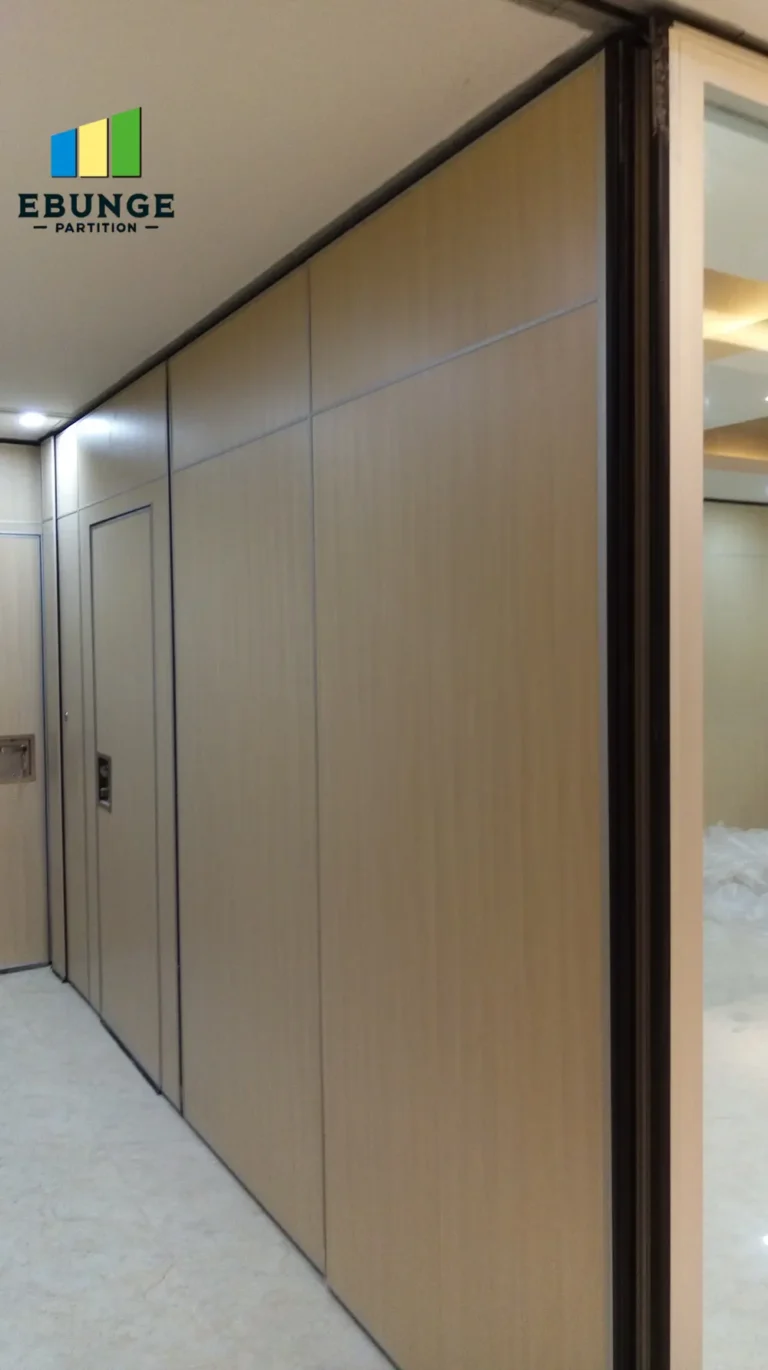
8. Practical Checklist for Your Supplier Evaluation
To streamline your evaluation process, use the following checklist. This will help you compare suppliers objectively:
| Evaluation Criteria | Supplier A | Supplier B | Supplier C |
|---|---|---|---|
| Product certification | CE, ASTM | CE only | None provided |
| Acoustic test report | Independent lab | In-house | Not available |
| Customization options | High | Medium | Low |
| Installation support | On-site supervision | Written instructions | None |
| Warranty period | 5 years | 3 years | 1 year |
| Delivery time | 6-8 weeks | 8-10 weeks | 12+ weeks |
Note: The values above are examples; always confirm actual terms with the supplier.
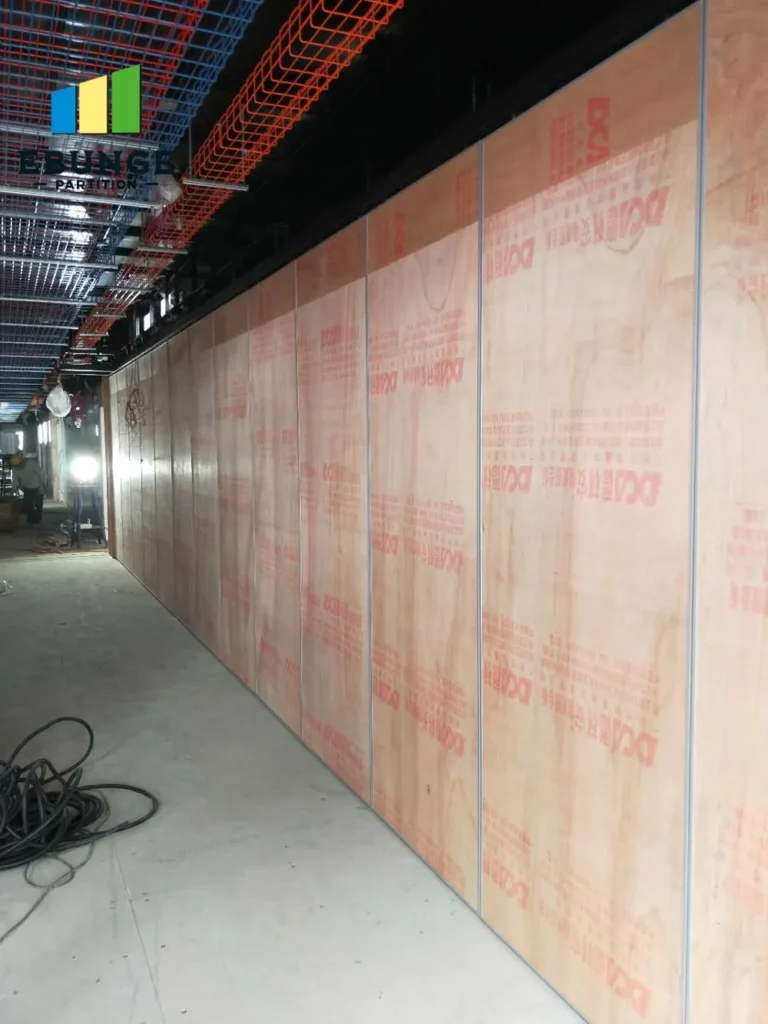
Conclusion: Making Your Sliding Partition Supplier Evaluation Actionable
In conclusion, a successful sliding partition supplier evaluation for a school hall requires a structured approach. By focusing on supplier reliability, verified certifications, acoustic performance, customization flexibility, installation complexity, cost transparency, and warranty support, you can make an informed decision. Prepare your project details in advance, ask targeted questions, and always request documentation to support claims.
For further guidance, explore our resources on movable partition walls and technical insights. To discuss your specific project, contact our team for personalized support.
Frequently Asked Questions
What is the most important factor in sliding partition supplier evaluation?
The most important factor is supplier reliability, which includes manufacturing capacity, quality control, communication, customization flexibility, and after-sales support. Without a reliable supplier, even the best product can fail due to poor installation or lack of support.
How do I verify acoustic insulation ratings for a movable partition?
Ask for acoustic test reports from an independent laboratory. Ensure the test conditions match your project’s wall construction, ceiling type, and seal configuration. Ratings like STC or Rw should be verified against the specific partition system you intend to use.
What information should I provide to get an accurate quotation?
Provide the opening size (width, height, depth), architectural drawings, acoustic target, finish preference, and project location. This allows the supplier to offer a tailored solution and a precise quotation.
How does a top-hung track system benefit a school hall?
A top-hung track system eliminates the floor rail, reducing trip hazards and simplifying cleaning. It also allows for a clear floor area when the partition is stacked, making the space more flexible.
What should I look for in a warranty for an overseas supplier?
Check the warranty duration, what it covers (parts, labor, etc.), and the claim process. For overseas suppliers, confirm if they provide replacement parts or on-site service, and whether you are responsible for shipping costs.
Send the opening size and drawings to discuss a differentiated sliding partition supplier evaluation solution.