
When you are sourcing an operable wall system for a conference room, the difference between a smooth project and a costly delay often comes down to how you evaluate the sliding partition supplier. A thorough sliding partition supplier evaluation goes beyond comparing price lists. It requires you to verify technical documentation, clarify delivery terms, and test the supplier’s willingness to adapt to your project’s specific conditions. This article is written for building material distributors who need to make confident purchasing decisions, avoid hidden risks, and ensure that the movable partition wall you select meets both your client’s expectations and your business requirements.
Direct answer: A reliable sliding partition supplier evaluation for conference rooms should verify product certifications, acoustic ratings, lead times, warranty terms, after-sales support, installation complexity, compatibility with existing infrastructure, and total cost of ownership. Always request a detailed quotation based on your project drawings and specifications, not just a generic price per square meter.
Sliding Partition Supplier Evaluation: Why Supplier Evaluation Matters for Conference Room Partitions
Conference rooms are high-traffic spaces where acoustic performance and visual appeal are critical. A poorly chosen movable partition wall can lead to sound leakage, operational failures, and client dissatisfaction. For distributors, the stakes are even higher because your reputation is tied to the supplier’s reliability. A structured evaluation helps you identify suppliers who can deliver on time, provide necessary documentation, and support you after installation.
When you evaluate suppliers, you are not just buying a product; you are entering a partnership. The supplier’s ability to handle custom movable wall requests, provide clear technical guidance, and manage overseas delivery can make or break your project. Therefore, your evaluation must be comprehensive and methodical.
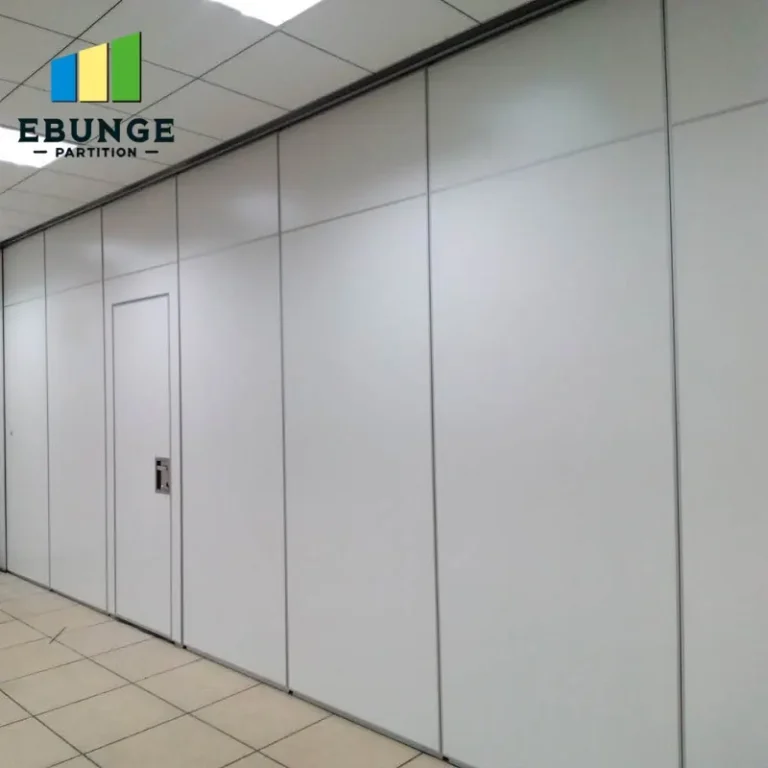
Need help turning the sliding partition supplier evaluation requirements into a practical project layout?
Key Criteria for Evaluating a Sliding Partition Supplier
To make an informed decision, you need to assess suppliers across multiple dimensions. Here are the core criteria to include in your sliding partition supplier evaluation:
- Product Certification: Verify that the supplier’s products comply with relevant international or local standards. Request certificates and test reports to confirm compliance.
- Acoustic Ratings: Ask for acoustic test data, including Rw (weighted sound reduction index) values. Ensure the ratings match your project’s acoustic target.
- Lead Time: Clarify the production and delivery schedule. Confirm the supplier’s capacity to meet your project timeline, especially if you have a fixed installation date.
- Warranty: Understand what the warranty covers, its duration, and the process for making claims. A clear warranty policy indicates supplier confidence.
- After-Sales Support: Inquire about technical support, spare parts availability, and maintenance services. Reliable support reduces downtime and extends the system’s lifespan.
- Installation Complexity: Evaluate the system’s design. Top-hung track systems without floor rails are often easier to install and maintain, but confirm the supplier provides clear installation guidelines.
- Compatibility with Existing Infrastructure: Check if the partition can integrate with your ceiling, floor, and electrical systems. Customization may be needed.
- Total Cost of Ownership: Consider not just the initial purchase price but also installation, maintenance, and potential repair costs over the system’s lifetime.
These criteria form the foundation of a robust evaluation. In the following sections, we will dive deeper into each area to help you ask the right questions.
Preparing Your Quotation Request for Accurate Comparisons
To get meaningful quotes from suppliers, you must provide detailed information about your project. A vague request will yield vague prices, making it impossible to compare suppliers fairly. Here is what you should include in your quotation request:
- Opening Size: Provide the exact width, height, and depth of the opening where the partition will be installed.
- Drawings: Share architectural or structural drawings, including ceiling details and floor conditions.
- Acoustic Target: Specify the desired sound insulation performance (e.g., Rw 45 dB). This helps suppliers recommend the right panel construction.
- Finish Preference: Indicate the desired surface finish, such as laminate, veneer, or paint, and any color or texture requirements.
- Project Location: Mention the delivery address and any specific logistics requirements, especially for overseas shipping.
By providing this information, you enable suppliers to give you a precise quotation, which is essential for a fair sliding partition supplier evaluation. It also demonstrates that you are a serious buyer, which can improve the level of service you receive.
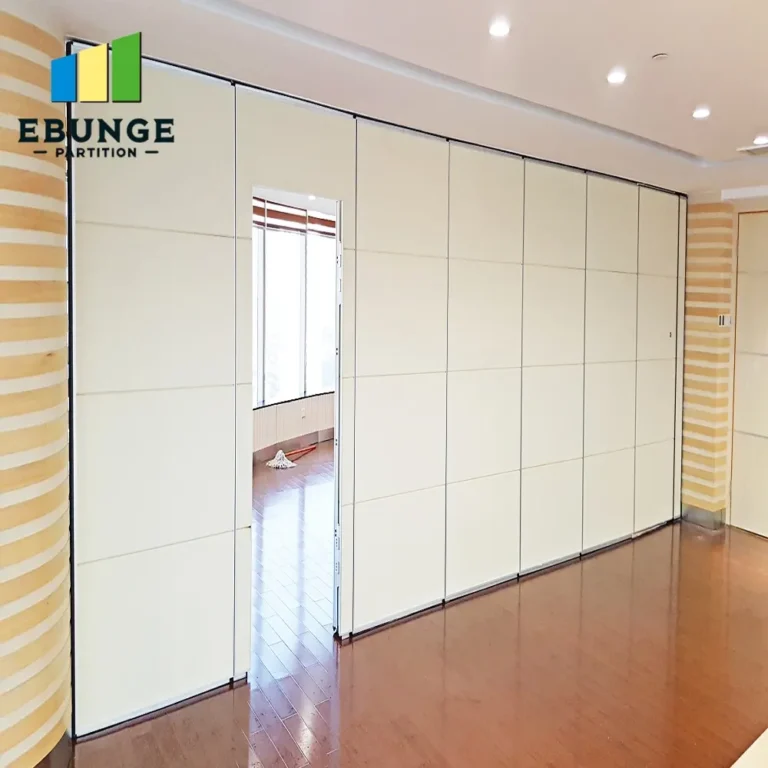
Technical Specifications: Acoustic Performance and Track Systems
Acoustic performance is often the primary reason for installing a movable partition wall in a conference room. Understand the difference between laboratory tests and real-world performance. Acoustic ratings are measured under ideal conditions, but actual performance depends on installation quality and site conditions. Ask the supplier for field test reports or references from similar projects.
The track system is another critical component. Top-hung track systems, which support the partition from above and do not require a floor rail, offer several advantages: they are easier to clean, safer for foot traffic, and more aesthetically pleasing. However, they require a robust ceiling structure to support the weight. Confirm that the supplier provides structural calculations and installation guidelines.
Custom movable wall solutions may involve unique sizes, shapes, or finishes. Ensure the supplier can handle customization without compromising quality or delivery time. Discuss your requirements upfront to avoid surprises later.
Share the opening, drawings, finish direction, and privacy target for a project-specific review.
Supplier Reliability and After-Sales Support
Supplier reliability is not just about delivering on time; it also includes communication, transparency, and responsiveness. During the evaluation, test the supplier’s willingness to answer your questions and provide documentation. A reliable supplier will have a dedicated project manager or technical support team.
After-sales support is equally important. Inquire about the availability of spare parts, the process for warranty claims, and whether the supplier offers maintenance services. If you are importing from overseas, consider the implications of time zone differences and shipping costs for spare parts. Some suppliers offer remote troubleshooting or local partners for support.
Comparing Quotations: A Practical Checklist
When you receive quotations, use a standardized checklist to compare them objectively. Here is a table that can help you evaluate each supplier:
| Evaluation Criterion | Supplier A | Supplier B | Supplier C |
|---|---|---|---|
| Product certification (e.g., CE, ISO) | |||
| Acoustic rating (Rw value) | |||
| Lead time (weeks) | |||
| Warranty (years) | |||
| After-sales support (available/not) | |||
| Installation complexity (low/medium/high) | |||
| Compatibility with existing infrastructure | |||
| Total cost of ownership (estimate) |
Fill in the details based on the information provided by each supplier. If a supplier is vague or unwilling to provide specifics, that is a red flag. Remember, exact values must be confirmed from project drawings, specifications, quotations, contracts, or supporting documentation. Do not rely on verbal promises.
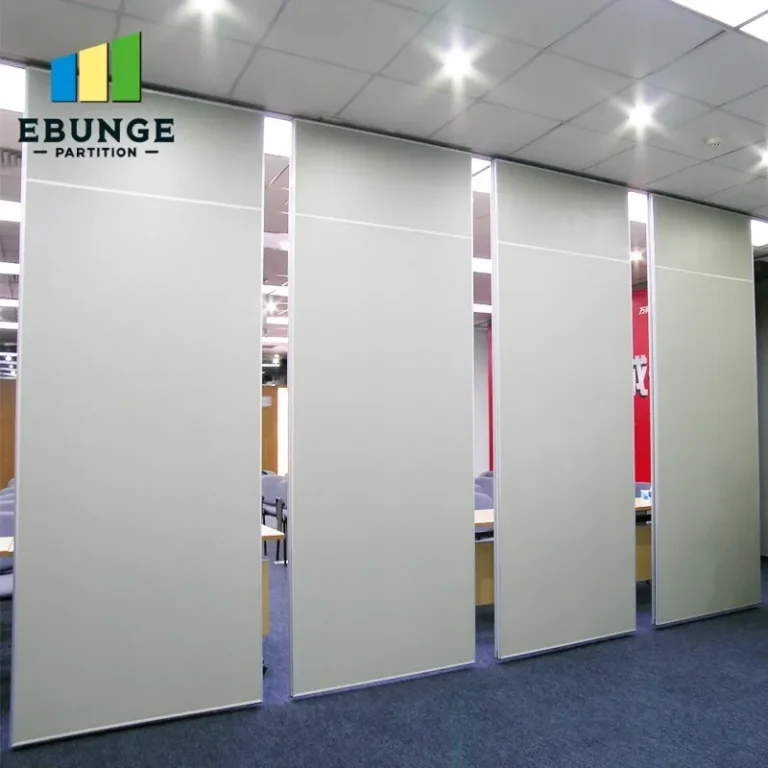
Navigating Overseas Delivery and Installation
If you are sourcing from an overseas supplier, logistics become a critical part of the evaluation. Discuss the following points:
- Shipping terms: Clarify Incoterms (e.g., FOB, CIF) and who is responsible for customs clearance and import duties.
- Packaging: Ensure that the partition panels are properly packed to prevent damage during transit.
- Delivery schedule: Confirm the estimated shipping time and whether the supplier can expedite if needed.
- Installation support: Does the supplier provide installation drawings and remote guidance? Is a technician available for on-site supervision at an additional cost?
Overseas projects often face challenges with communication and time zones. Choose a supplier that offers clear documentation and is responsive to your inquiries. A supplier with experience in international projects is likely to handle these issues more smoothly.
Frequently Asked Questions
What is the typical lead time for a custom movable wall?
Lead times vary based on the complexity of the project and the supplier’s production schedule. Typically, it can range from 4 to 12 weeks, but you should confirm with your supplier and factor in shipping time.
How do I know if the acoustic rating is reliable?
Ask for test reports from accredited laboratories. Also, request references from similar installations and, if possible, visit a completed project to hear the performance yourself.
Can a top-hung track system be installed in any ceiling?
No. Top-hung systems require a ceiling structure that can support the weight of the partition. The supplier should provide structural calculations to verify compatibility.
What should I include in a warranty claim?
Typically, you need to provide proof of purchase, photos of the issue, and a description of the problem. Check the supplier’s warranty policy for specific requirements.
How can I reduce installation complexity?
Choose a system with simple components and clear instructions. Some suppliers offer prefabricated panels that are easier to assemble. Also, ensure that your site is prepared according to the supplier’s requirements.
Conclusion: Making a Confident Supplier Decision
A thorough sliding partition supplier evaluation is your best defense against project delays, hidden costs, and performance failures. By focusing on certifications, acoustic ratings, lead times, warranty, after-sales support, installation complexity, compatibility, and total cost of ownership, you can select a supplier that aligns with your project’s needs.
Remember to provide detailed information in your quotation requests to get accurate comparisons. Use a standardized checklist to evaluate each supplier objectively. And always confirm critical values with documented evidence.
For more insights into movable partition walls and operable wall systems, explore our movable partition wall resources. If you are ready to discuss your project, our team is available to assist with custom project coordination, finishes, and installation guidance. Visit our contact page to get started.
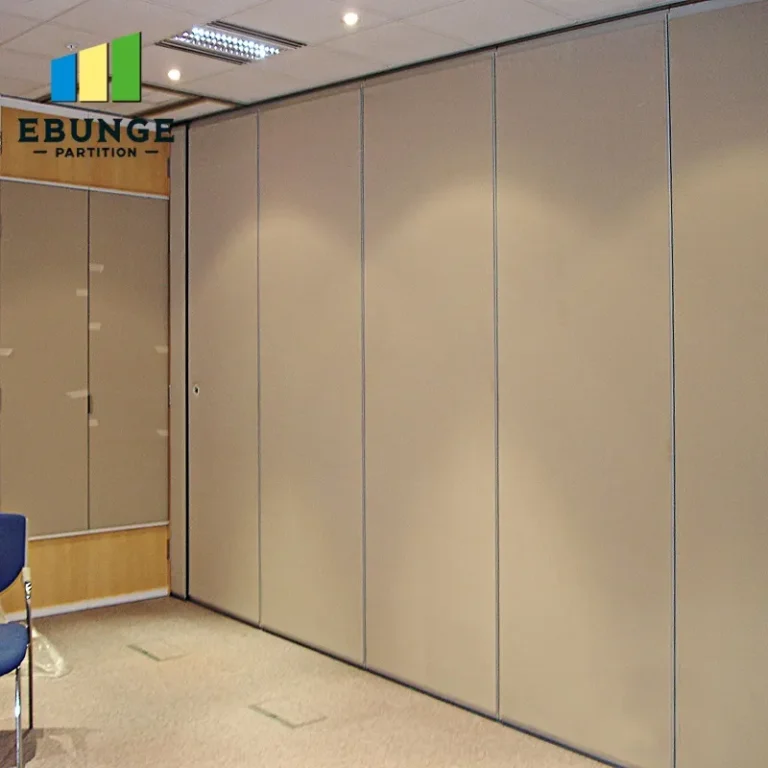
Send the opening size and drawings to discuss a differentiated sliding partition supplier evaluation solution.