
Quick answer: sliding folding partition track
Review focus: sliding folding partition track.
A sliding folding partition track handover dossier structure is the document set that lets a project team verify what was coordinated, what was installed and what still requires project-specific confirmation. For overseas contractors, architects, interior designers, owners and renovation teams, the dossier is not a marketing file. It is a controlled record of drawings, routes, finishes, interfaces and open items. This guide explains how to organise that record without inventing performance, engineering or commercial conclusions.
Start With the Confirmed Product Facts
Project review term: sliding folding partition track.
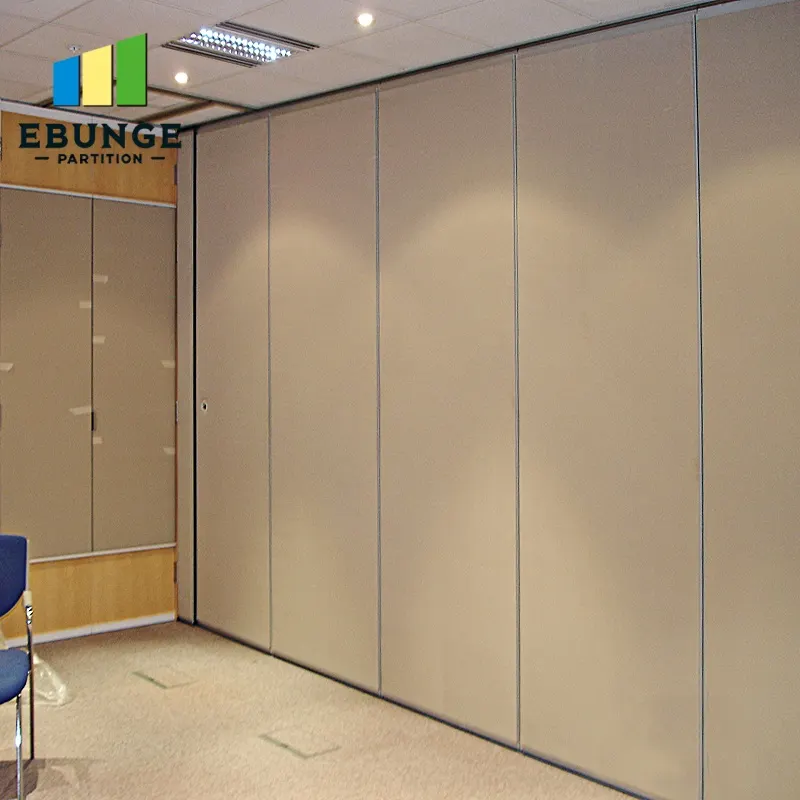
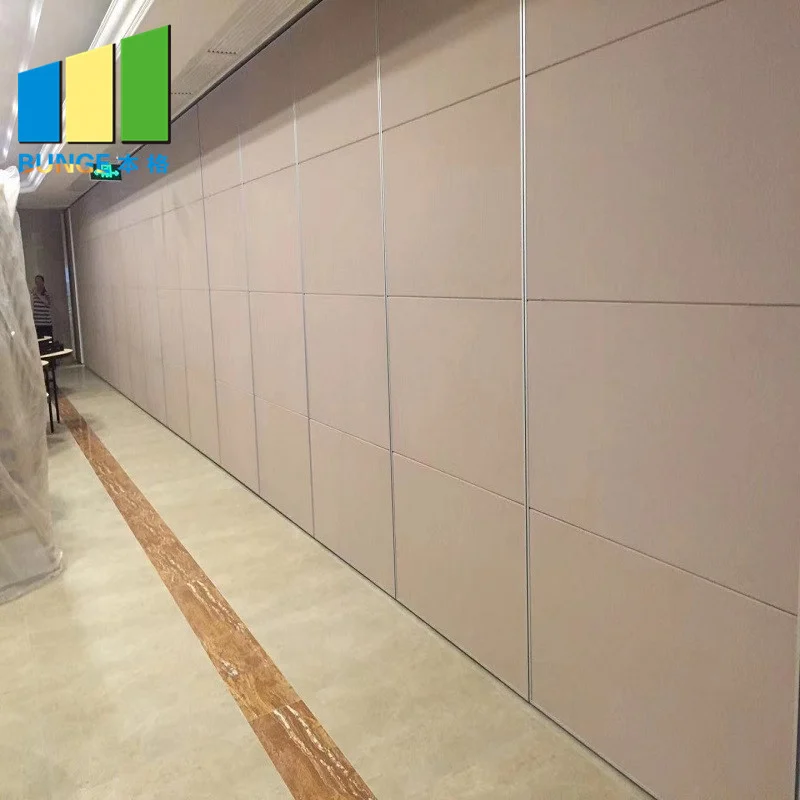
Every dossier should begin with the maintained product facts that apply to the supplied system. EBUNGE movable wall panels are individually movable, suspended from a top track, cross the opening without a floor track, and park at a planned stacking position. Straight, turning and stacking routes are reviewed from the layout. Confirmed finish options include laminate, melamine, fabric, leather, glass and other approved surfaces. Pass-door requirements and project documentation can be discussed.
These facts define the dossier’s baseline. The suitability of each route and parking arrangement depends on the approved layout, circulation, ceiling interfaces and operating sequence. Those items require separate project-specific evidence. If a statement cannot be traced to a drawing, a confirmed product fact or a project-specific approval, it belongs in an open-items log rather than in the completed record.
Define the Dossier’s Purpose and Audience
Coordination scope: sliding folding partition track.
A handover dossier serves several readers at once. The installing contractor needs a record of the coordinated route and interfaces. The architect or interior designer needs confirmation that the specified finish and layout were addressed. The owner or facilities team needs a clear reference for future operation and maintenance planning. A distributor may need a consistent package for local handover.
Because these readers ask different questions, the dossier should separate confirmed information from items still awaiting confirmation. This prevents a reader from treating a preliminary drawing as an approved construction record. It also supports Handover Documentation coordination across disciplines.
Use a Controlled Cover Sheet
The cover sheet should identify the project, the partition system, the revision date and the responsible contacts. The exact route, junction arrangement, continuous overhead path and parking position must be confirmed from the coordinated project drawings. Avoid placing performance claims on the cover sheet unless matching evidence is included.
Structure the Core Sections
A useful sliding folding partition track handover dossier structure follows the sequence in which the system is reviewed, supplied and installed. The sections below can be adapted to the project’s contractual requirements.
- Project identification and revision control. Record the project name, location, dossier revision and issue date.
- Approved layout drawings.
- Track and support coordination. Reference the overhead route and the project-specific support review. Do not infer support points, loads or fixing details without matching evidence.
- Panel and finish schedule. List the confirmed finish options selected for the project, such as laminate, melamine, fabric, leather, glass or another approved surface.
- Pass-door and interface record. Document any pass-door requirement and the interfaces with adjacent construction.
- Open-items and confirmation log. Track every item that still requires project-specific approval.
- Handover contacts and document register. List the documents included and the parties responsible for future queries.
Keep Drawings and Schedules Traceable
Each drawing should carry a unique reference and revision. Schedules should point back to the drawing that defines the opening and the parking position. This traceability is what makes the dossier useful during later renovation or reconfiguration.
Document Movement Routes Without Overclaiming
The movement route is central to the dossier because the panels are top-hung and cross the opening without a floor track. The reviewed layout should show how panels travel from the closed position to the planned stacking position. Straight, turning and stacking routes are reviewed from the layout.
Every proposed movement path requires a continuous connected overhead route and project-specific support review. The dossier should record the route as reviewed, not as an assumed capability.
Evidence note: a visible route on a drawing does not prove acoustic performance, structural capacity or code compliance. Those conclusions require separate project-specific evidence and approval.
Handle Acoustic and Sealing Concepts Carefully
The dossier should state the project’s acoustic requirement and identify the evidence that addresses it.
Seals and acoustic treatment are project-specific. Tell readers to confirm acoustic requirements with the responsible acoustic consultant or project authority.
Build a Finish and Pass-Door Schedule
Finish choices affect appearance, cleaning expectations and coordination with adjacent finishes. Confirmed finish options include laminate, melamine, fabric, leather, glass and other approved surfaces. The dossier should record the selected finish per panel or per elevation, together with the approved sample reference.
Pass-door requirements should be recorded as a separate schedule item. The dossier should show the location, the intended use and the interface with the partition layout.
Compact Comparison: What Belongs Where

| Dossier item | Confirmed record | Requires project-specific confirmation |
|---|---|---|
| Movement route | Reviewed straight, turning and stacking route | Support points, loads and fixing details |
| Finish | Selected approved surface and sample reference | Cleaning compatibility and site conditions |
| Acoustic intent | Project requirement and referenced evidence | Final rating and sealing performance |
| Pass-door | Location and interface record | Structural and acoustic implications |
Use a Handover Checklist Before Issue
A short checklist reduces the risk of issuing an incomplete package. The following items should be verified before the dossier is released.
- Cover sheet identifies the project, system and revision.
- Approved layout shows the opening, route and stacking position.
- Track and support coordination is referenced without unsupported engineering claims.
- Finish schedule matches the approved samples.
- Pass-door requirements are recorded.
- Open-items log lists every unresolved confirmation.
- Document register is complete and traceable.
Frequently Asked Questions
What is a sliding folding partition track handover dossier?
It is a project-specific document set that records the reviewed layout, movement routes, finishes, pass-door requirements, interfaces and open items for a top-hung movable partition system.
Does the dossier prove acoustic performance?
No.
Should the dossier include support and fixing details?
It should reference the project-specific support review. The exact overhead route and support arrangement must be confirmed by the responsible project team from coordinated drawings.
How are finishes recorded?
Record the selected finish per panel or elevation, using the confirmed options such as laminate, melamine, fabric, leather, glass or another approved surface, together with the approved sample reference.
Can the dossier include a pass-door?
Yes. Pass-door requirements can be discussed and recorded as a schedule item.
Who should receive the final dossier?
The distribution depends on the project. Typical recipients include the owner, facilities team, contractor, architect or designer and the local distributor. The document register should record who received which revision.
Conclusion and Next Step
A well-structured sliding folding partition track handover dossier separates confirmed product facts from project-specific confirmations. It records the reviewed route, the selected finishes, the pass-door requirements and the open items without inventing performance or engineering conclusions. This makes the package useful for handover, future renovation and maintenance planning.
To discuss pass-door requirements, project documentation or the layout review for your opening, contact the EBUNGE team. You can also review the folding partition wall system and explore further project resources before finalising your dossier structure.