
Quick answer: score track preliminaries excluded ceiling access
Review focus: score track preliminaries excluded ceiling access.
When a tender states that ceiling access is excluded, the evaluation team still has to score track preliminaries fairly. The suitability of each route and parking arrangement depends on the approved layout, circulation, ceiling interfaces and operating sequence. This article sets out an evidence-bounded framework for contractors, architects, interior designers, owners and procurement teams reviewing top-hung movable partition systems.
The focus is on what bidders can actually demonstrate: route logic, support coordination, documentation and clearly stated exclusions. Every recommendation below should be confirmed against project-specific drawings, support conditions and acoustic requirements before award.
Why Ceiling Access Exclusions Change Bid Evaluation
Project review term: score track preliminaries excluded ceiling access.
Ceiling access is often excluded because the ceiling zone is controlled by another package, occupied, or not yet fully designed. That exclusion does not remove the need for a continuous overhead route. Movable wall panels are individually movable, suspended from a top track, cross the opening without a floor track, and park at a planned stacking position. If the overhead route is incomplete or unsupported, the movement concept cannot be verified.
Evaluators should therefore separate what is priced from what is required. A bidder may exclude ceiling access while still being responsible for confirming that the proposed track route is continuous and can be supported. The scoring question is whether the bid makes that responsibility visible.
Build a Scoring Matrix Around Visible Evidence
Coordination scope: score track preliminaries excluded ceiling access.
A useful matrix scores only what the submission shows. Do not award points for implied performance, assumed site conditions or generic statements. The table below suggests categories and evidence prompts; weights should be set by the project team.
| Scoring category | Evidence to look for | Common gap |
|---|---|---|
| Route continuity | Straight, turning and stacking routes marked on layout drawings | Route stops at ceiling exclusion boundary |
| Support coordination | Named interface with structural or ceiling package | Support assumed without review |
| Parking strategy | Planned stacking position shown relative to room use | Stacking space not dimensioned |
| Documentation | Drawing register, revision status and exclusion list | Exclusions buried in notes |
| Finish and interface | Confirmed finish options and adjacent surface interfaces | Finish assumed from image only |
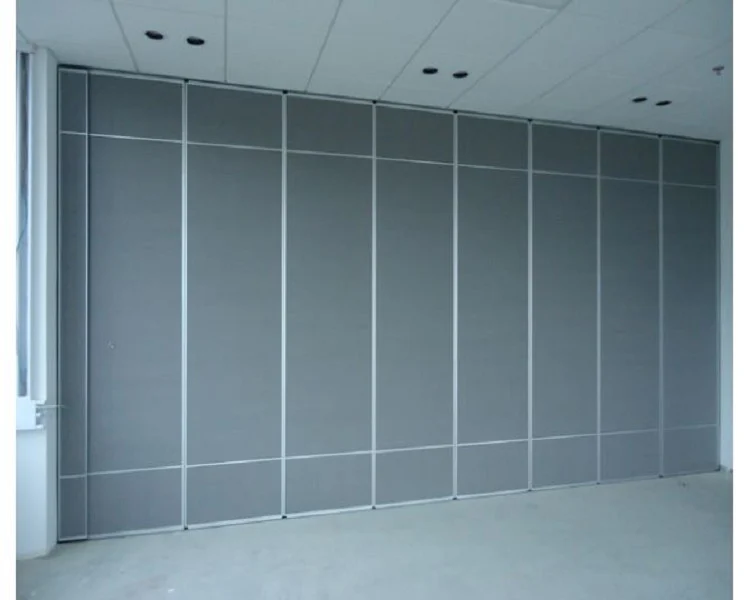
This structure helps evaluators avoid converting a visible drawing into an unverified performance claim. Visible references can support layout discussion but do not verify hidden construction or performance.
Check Route Logic Before Comparing Prices
Checklist focus: score track preliminaries excluded ceiling access.
Price comparison is misleading if bidders are solving different route problems. Ask each bidder to describe the movement path from open to closed and from closed to parked. The description should reference the top track, the opening, and the stacking position.
Straight, turning and stacking routes
The exact route, junction arrangement, continuous overhead path and parking position must be confirmed from the coordinated project drawings. Stacking routes show where panels will rest when not in use. Each route should be reviewed from the layout, not inferred from a product photograph.
What to do when the ceiling zone is excluded
If ceiling access is excluded, the bid should still state how the track route will be coordinated with the party responsible for that zone. A bid that simply omits the interface creates a coordination risk that may appear later as a variation.
Use a Numbered Review Process
Review focus: score track preliminaries excluded ceiling access.
- Confirm the tender exclusion wording and list every interface it creates.
- Request layout drawings showing straight, turning and stacking routes.
- Check that each route is continuous and connected to a support strategy.
- Review parking position against room layout and adjacent uses.
- Compare finish options against the approved schedule, not against marketing images.
- Ask bidders to state what remains to be confirmed by others.
- Score documentation quality separately from commercial price.
This process keeps the evaluation tied to maintained product facts and visible submission content. It also gives the project team a clear record of assumptions before award.
Score Documentation and Exclusions Transparently
Project review term: score track preliminaries excluded ceiling access.
Documentation quality is a legitimate scoring category. Look for a drawing register, revision status and a clear statement of which party owns each interface.
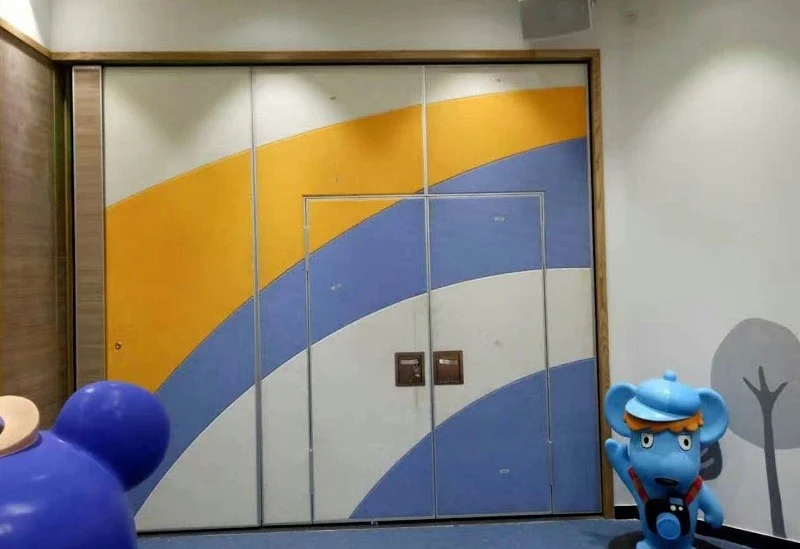
Pass-door requirements and project documentation can be discussed with the supplier during tender clarification.
Acoustic concepts without false precision
If acoustic separation is required, ask bidders to identify what must be confirmed and by whom.
Common Scoring Mistakes to Avoid
Coordination scope: score track preliminaries excluded ceiling access.
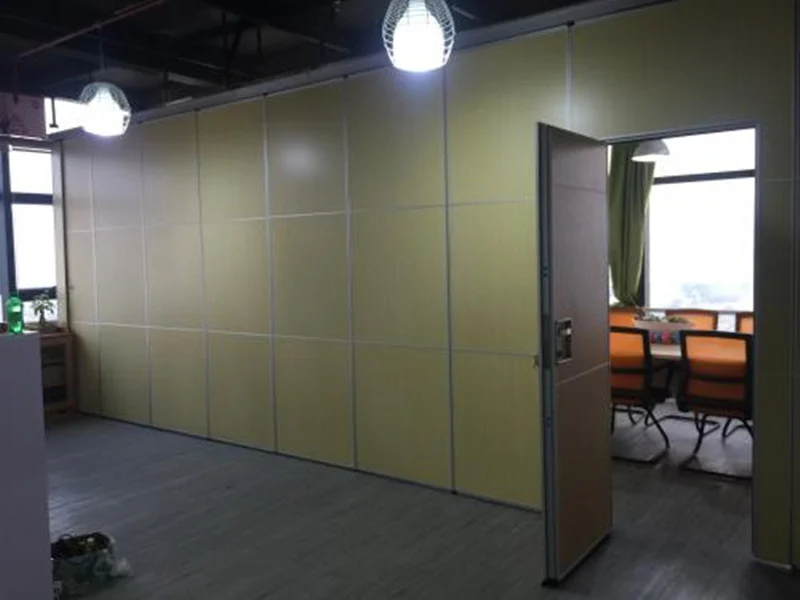
One frequent mistake is awarding points for a polished image that shows a finish but not a route. Another is assuming that an excluded ceiling package removes the need for support coordination. A third is comparing bids without normalising the scope of the track preliminaries.
Evaluators should also avoid treating a named venue as a completed reference. Venue examples are illustrative only; movable partitions can be considered wherever flexible spatial division, combination or reconfiguration is required. The exact overhead route and support arrangement must be confirmed by the responsible project team from coordinated drawings.
Frequently Asked Questions
Can a bid be scored fairly when ceiling access is excluded?
Yes, if the scoring criteria focus on route continuity, support coordination, parking strategy and documentation rather than assumed outcomes. The exclusion should be recorded as an interface, not ignored.
What drawings should bidders provide for track preliminaries?
Layout drawings showing straight, turning and stacking routes, together with a clear indication of where the overhead route connects to the support strategy. Revision status should be visible.
Does a floor track need to be included in the bid?
EBUNGE movable partition panels are top-hung and move without a continuous floor running track or floor hardware along the partition line. The bid should reflect the top-hung concept and the planned stacking position.
How should acoustic requirements be scored?
Acoustic requirements should be scored only against project-specific evidence.
What finish information is useful at tender stage?
Confirmed finish options include laminate, melamine, fabric, leather, glass and other approved surfaces. The bid should align finishes with the approved schedule and note any interface confirmations still required.
When should the project team request clarification?
Clarification is useful whenever a bid leaves route continuity, support responsibility or parking position unclear. Early clarification reduces the risk of later variations.
Conclusion and Next Steps
Scoring track preliminaries when ceiling access is excluded is manageable when the evaluation stays close to visible evidence. Score route logic, support coordination, parking strategy and documentation.
Before award, confirm the exclusion wording, the interface owners and the drawings that show the continuous overhead route.
To discuss project documentation, pass-door requirements or finish options, contact the EBUNGE team. You can also review movable wall products and browse project resources for further planning context.