
Quick answer: score track fixing preliminaries
Review focus: score track fixing preliminaries.
When a bidder qualifies their price, the headline number is only one part of the commercial picture. To score track fixing preliminaries qualified bid price fairly, you need a repeatable way to compare what each bidder has actually allowed for the overhead route, the supporting structure, and the interface with adjacent trades. This article sets out an evidence-bounded framework for that comparison. It does not replace project-specific engineering, acoustic, or dimensional review, and it does not assume any performance result that has not been confirmed for your drawings.
Why Track Fixing Preliminaries Deserve Their Own Score
Project review term: score track fixing preliminaries.
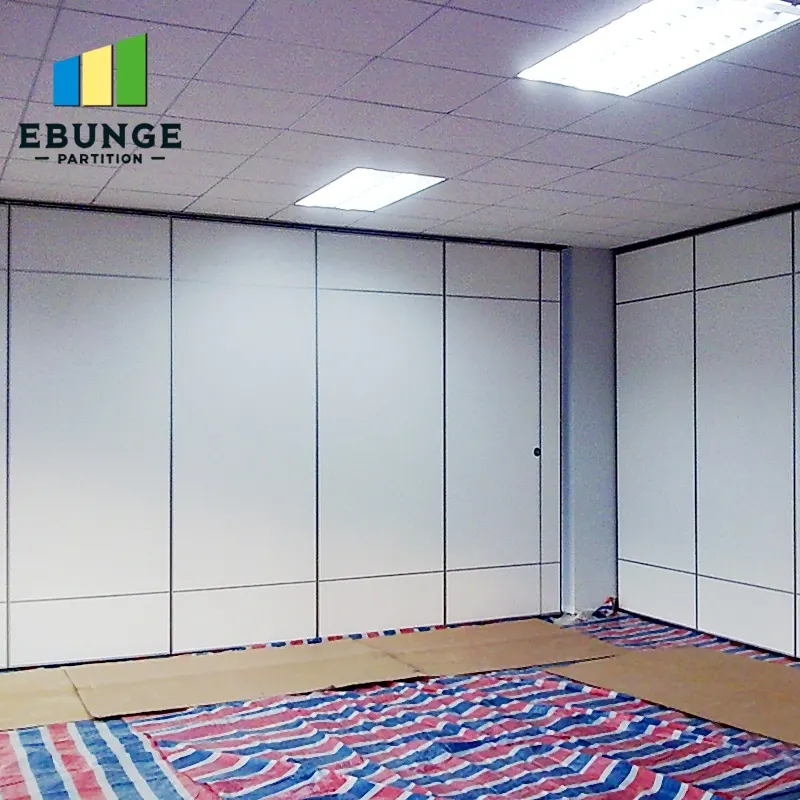
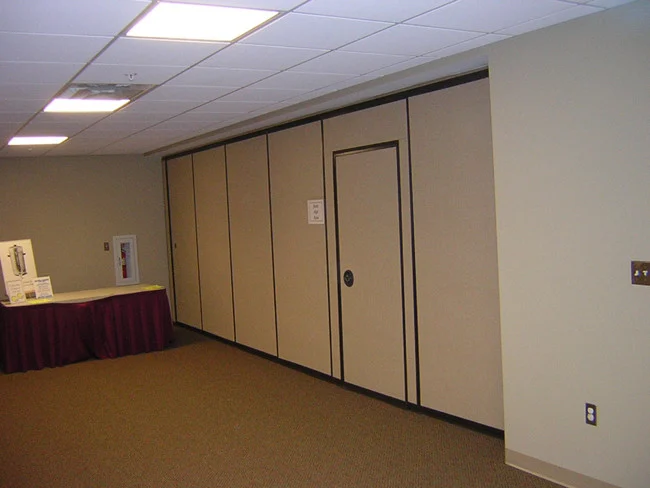
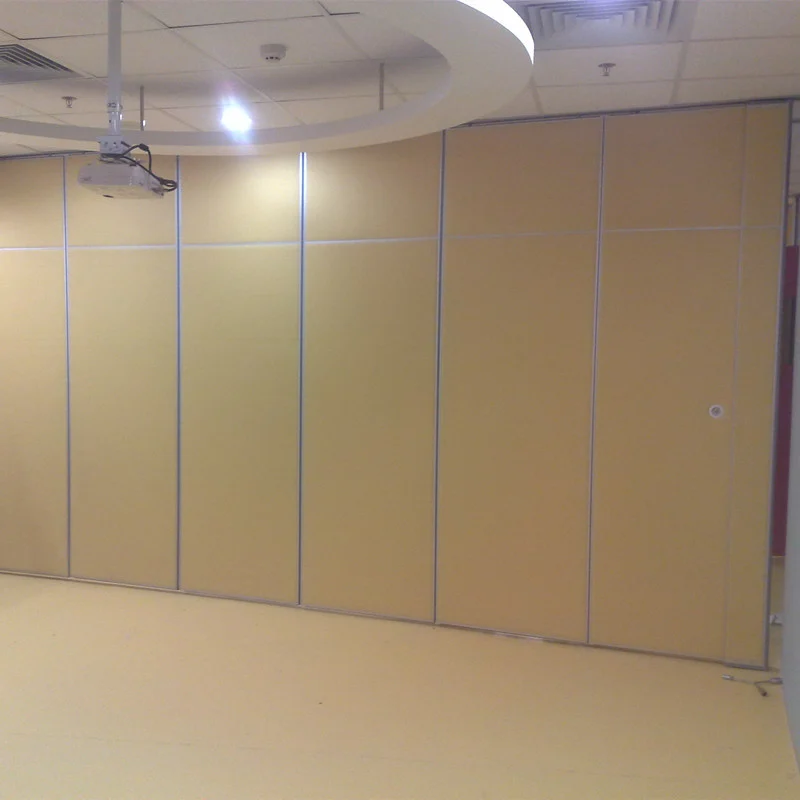
Movable wall panels are individually movable, suspended from a top track, and cross the opening without a floor track. They park at a planned stacking position. That simple description hides a coordination problem: the overhead route must be continuous and connected wherever panels are expected to travel. If a bidder qualifies their price by leaving the track fixing preliminaries vague, the apparent saving may sit in an unresolved interface rather than in the product itself.
Scoring preliminaries separately lets you compare bidders on the same basis. It also separates commercial qualification from technical completeness, so a low qualified price does not automatically win the package.
What Counts as a Track Fixing Preliminary
Coordination scope: score track fixing preliminaries.
For tender review, treat preliminaries as the bidder’s stated assumptions about the overhead route, the supporting structure, and the coordination needed before panels can move as drawn. The exact scope depends on your project, so confirm it with the design team.
Route and layout assumptions
Straight, turning, and stacking routes are reviewed from the layout. A bidder should state which routes they have allowed for and which remain subject to drawing review. Do not infer a route from a photograph or a generic brochure.
Support and interface assumptions
The supporting structure and its interface with the track are project-specific. Bidders should identify what information they need before they can confirm their allowance. Where that information is missing, score the gap rather than assuming a hidden solution.
A Practical Scoring Framework for Qualified Bids
Checklist focus: score track fixing preliminaries.
Use a simple, transparent structure so every bidder is measured against the same questions. The table below is a starting point; adjust weightings to suit your procurement rules.
| Scoring area | What to look for | Evidence boundary |
|---|---|---|
| Route completeness | Bidder lists straight, turning, and stacking routes reviewed from the layout | Confirm against project drawings; do not infer from a generic example |
| Support coordination | Bidder names the interface information they require | Support requirements remain project-specific |
| Finish and pass-door scope | Bidder states finish options and pass-door requirements discussed | Confirm approved surfaces and door positions for the project |
| Documentation | Bidder identifies project documentation to be provided | Documentation scope is agreed per project |
| Qualification clarity | Bidder separates included work from excluded or provisional items | Do not treat a qualified price as a final price |
Score each area on whether the bidder has given you a checkable statement, not on whether the statement sounds impressive. A clear exclusion is more useful than a vague inclusion.
Drawing Review Questions Before You Award
Review focus: score track fixing preliminaries.
Before scoring is finalised, ask each bidder the same drawing-based questions. The suitability of each route and parking arrangement depends on the approved layout, circulation, ceiling interfaces and operating sequence.
- Which straight, turning, and stacking routes have you reviewed from the layout?
- What support information do you need before your track fixing allowance can be confirmed?
- Which finish options and approved surfaces have you allowed for?
- How have you treated pass-door requirements in your qualified price?
- Which project documentation will you provide, and in what form?
- Which items are excluded, provisional, or subject to later confirmation?
Record the answers in the tender evaluation. If a bidder cannot answer, that is a scoring outcome, not a reason to fill the gap yourself.
Evidence Notes: What You Can and Cannot Infer
Project review term: score track fixing preliminaries.
Treat any acoustic statement as project-specific and confirm it against the relevant specification and test evidence for your configuration.
Do not derive acoustic, structural, durability, or commercial performance from a visible finish, a drawing shape, or a qualified price. Each requires matching project evidence.
The same boundary applies to finishes. Confirm those separately.
Common Scoring Mistakes When Prices Are Qualified
Qualified prices are useful, but they can distort comparison if the evaluation rewards optimism. Watch for these patterns.
Scoring the number instead of the scope
A lower qualified price may simply exclude more. Score the stated scope and the clarity of exclusions alongside the price.
Assuming a route without a connected overhead path
The exact route, junction arrangement, continuous overhead path and parking position must be confirmed from the coordinated project drawings. Every proposed movement path requires a continuous connected overhead route and project-specific support review. If a bidder implies otherwise, seek clarification.
Treating a finish as proof of performance
A finish selection is not evidence of acoustic, fire, or durability performance. Keep those confirmations separate.
How to Document the Outcome
Your evaluation record should show what each bidder stated, what remained open, and what must be confirmed before award. This protects the project if the qualified price later changes.
- List each bidder’s route assumptions and mark them as confirmed or open.
- Record the support information each bidder requested.
- Note finish and pass-door scope as stated.
- Attach the documentation each bidder committed to provide.
- Identify all exclusions and provisional sums.
For product context, see the movable walls range. For broader planning material, visit the resources page. When your drawings are ready, contact the team to discuss project documentation and pass-door requirements.
Frequently Asked Questions
What does track fixing preliminaries mean in a qualified bid?
It refers to the bidder’s stated assumptions about the overhead route, supporting structure, and coordination needed before panels can move as drawn. The exact scope is project-specific.
Can I score a qualified price without final drawings?
You can score the clarity of the bidder’s assumptions, but you cannot confirm dimensional or support requirements without project-specific review. Mark open items clearly.
Do movable partitions need a floor track?
EBUNGE movable partition panels are top-hung and move without a continuous floor running track or floor hardware along the partition line. Confirm the overhead route and support for your layout.
How should I compare acoustic statements between bidders?
Ask for project-specific evidence tied to your specification.
What finish options can be discussed?
Confirmed finish options include laminate, melamine, fabric, leather, glass, and other approved surfaces. Confirm suitability for your project separately.
When should I request project documentation?
Request it during tender clarification so you can score completeness before award. The documentation scope is agreed per project.
Conclusion: Score the Preliminaries, Then Confirm the Project
Scoring track fixing preliminaries when bidders qualify their price is a discipline of comparison, not assumption. This approach helps you avoid awarding on an incomplete picture.
To discuss your layout, pass-door requirements, and project documentation, contact EBUNGE. Confirm all support, acoustic, and dimensional requirements for your specific project before finalising any order.