
Quick answer: score track fixing preliminaries
Review focus: score track fixing preliminaries.
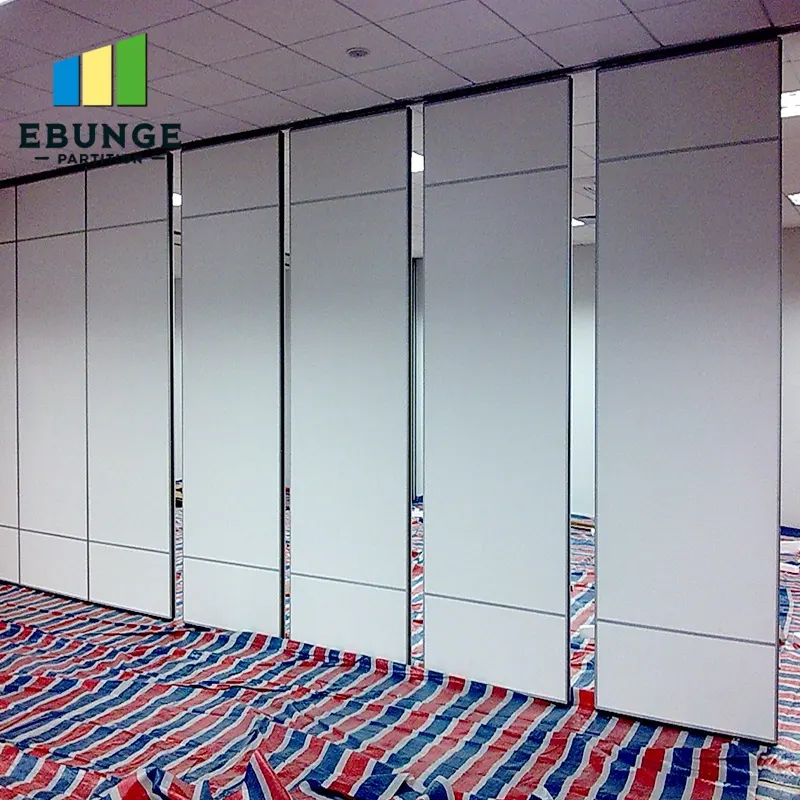
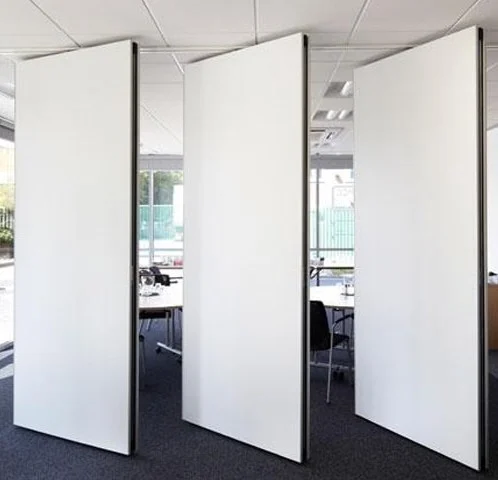
When you score track fixing preliminaries bidders price differently, the goal is not to find the lowest number. It is to compare what each bidder has actually included, excluded or left for later confirmation. Movable wall panels are individually movable, suspended from a top track, cross the opening without a floor track, and park at a planned stacking position. Those maintained facts give you a neutral baseline for reading bids, but they do not tell you what any single tender has priced.
Why Track Fixing Preliminaries Create Scoring Noise
Project review term: score track fixing preliminaries.
Preliminaries are the supporting activities around the visible partition: reviewing the overhead route, coordinating the interface with the structure, planning the stacking position and documenting assumptions. Bidders may treat these items as included, provisional or excluded. The same scope can therefore appear under different headings, or disappear from the priced schedule entirely.
Your scoring model should separate scope coverage from price. A bid that looks cheaper may simply have moved a coordination item into a qualification. A higher bid may include more review work. The suitability of each route and parking arrangement depends on the approved layout, circulation, ceiling interfaces and operating sequence.
Build a Neutral Baseline Before You Open the Bids
Coordination scope: score track fixing preliminaries.
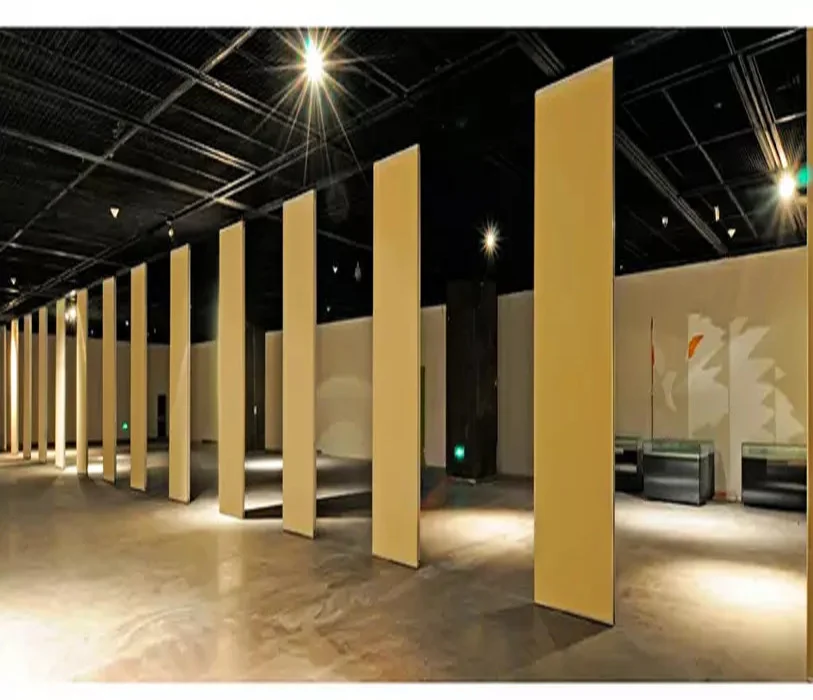
Before scoring, confirm the layout information that every bidder should be working from. Straight, turning and stacking routes are reviewed from the layout, so the tender pack should show the intended movement path and the planned parking position. If the drawings are silent, bidders will fill the gap with their own assumptions.
Use a short baseline note in the tender documents. It should state that panels are top-hung, that the opening is crossed without a floor track, and that the overhead route must be continuous and supported. The exact route, junction arrangement, continuous overhead path and parking position must be confirmed from the coordinated project drawings.
A Decision Checklist for Scoring Preliminaries
Checklist focus: score track fixing preliminaries.
Use the same checklist for every bidder. Score each line as included, qualified or missing, then record the evidence you relied on. The checklist below is a review aid, not a substitute for engineering sign-off.
- Overhead route review: Does the bidder describe how the top track route is checked against the layout, including turns and the stacking position?
- Support interface: Does the bid identify who confirms the supporting structure, and does it avoid assuming capacity that is not shown?
- Clear-floor confirmation: Does the bid acknowledge that the opening is crossed without a floor track, rather than pricing a floor-mounted alternative?
- Parking coordination: Does the bid state where panels park and whether that position has been coordinated with other trades?
- Finish and pass-door scope: Are laminate, melamine, fabric, leather, glass or other approved surfaces and any pass-door requirements clearly listed or excluded?
- Documentation: Does the bid list the drawings, schedules or confirmations it expects before work proceeds?
Compare Bids With a Like-for-Like Table
Review focus: score track fixing preliminaries.
A compact comparison table forces you to score the same categories across all bidders. The table does not invent prices or performance; it records what each submission says. Where a cell is blank, treat it as an open question rather than an assumed inclusion.
| Scoring category | What to look for | Evidence note |
|---|---|---|
| Route review | Straight, turning and stacking routes addressed | Layout drawing reference |
| Support coordination | Named responsibility for overhead support confirmation | Project-specific sign-off required |
| Floor condition | No continuous floor track along the partition line | Confirmed product fact |
| Parking position | Planned stacking location shown or described | Coordinated layout review |
| Finishes and pass doors | Approved surfaces and pass-door scope listed | Project documentation |
| Exclusions | Items the bidder has not priced | Written qualification |
How to Treat Acoustic and Sealing Language in Bids
If a bid uses acoustic language, ask what project-specific evidence supports it.
Seals and acoustic treatment are often discussed generically in tenders. You can require bidders to state what they have allowed for, but you should not infer hidden performance from a finish, a photograph or a drawing. Confirm acoustic requirements for the specific project before scoring any acoustic claim.
Score the Evidence, Not the Confidence
Bidders may write confidently about preliminaries without attaching evidence. A useful scoring rule is to award coverage only where the bid points to a drawing, a schedule, a written qualification or a named confirmation step. Confidence alone is not evidence.
Where a bidder has priced an item differently, ask whether the difference comes from scope, assumption or exclusion. Record the answer in the evaluation notes. This makes the final recommendation defensible to owners, architects and contractors alike.
Evidence note: comparative, absolute and causal statements in a bid require matching project evidence. If evidence is missing, keep the item open and request confirmation rather than inferring a result.
Coordinate Procurement and Tender Review Across Disciplines
Track fixing preliminaries touch structure, ceiling coordination, finishes and layout planning. A single reviewer may miss an interface that another discipline would catch. Bring the relevant parties into one review session and score the bids against the same baseline note.
For broader planning context, the EBUNGE resources page supports buyer and project planning, while the movable walls product page provides maintained public product context. Neither replaces project-specific confirmation.
Frequently Asked Questions
What does it mean to score track fixing preliminaries when bidders price them differently?
It means comparing the scope, assumptions and exclusions behind each bid rather than ranking headline prices. You score whether the bidder has addressed the overhead route, support coordination, parking position and documentation.
Can I compare bids if the tender drawings do not show the stacking position?
You can still compare them, but the comparison will be weaker. Ask bidders to state their assumed parking position and treat it as an open item until the layout is coordinated.
Should a bid mention a floor track for a top-hung movable wall?
Movable wall panels are suspended from a top track and cross the opening without a floor track. If a bid prices a continuous floor track along the partition line, clarify the scope before scoring.
How should acoustic claims be handled during scoring?
Require project-specific acoustic confirmation and do not infer performance from finishes or drawings.
What documentation should I request from each bidder?
Request the drawings, schedules and written qualifications that support their preliminaries. Pass-door requirements and project documentation can be discussed with the supplier so the scope is clear before evaluation.
Does a higher preliminaries price mean better quality?
Not automatically. A higher price may reflect more review work or a broader scope, but you should verify that against the evidence. Score coverage and clarity, not price alone.
Conclusion and Next Step
Scoring track fixing preliminaries fairly means holding every bidder to the same baseline, checking the overhead route and support interface, and recording evidence for each score. Where information is missing, keep the item open and request confirmation rather than assuming a result.
To discuss pass-door requirements, finish options such as laminate, melamine, fabric, leather or glass, and the project documentation needed for your tender review, contact the EBUNGE team and confirm the project-specific support, acoustic and dimensional requirements before finalising your evaluation.