
Quick answer: score bidder track fixing preliminaries
Review focus: score bidder track fixing preliminaries.
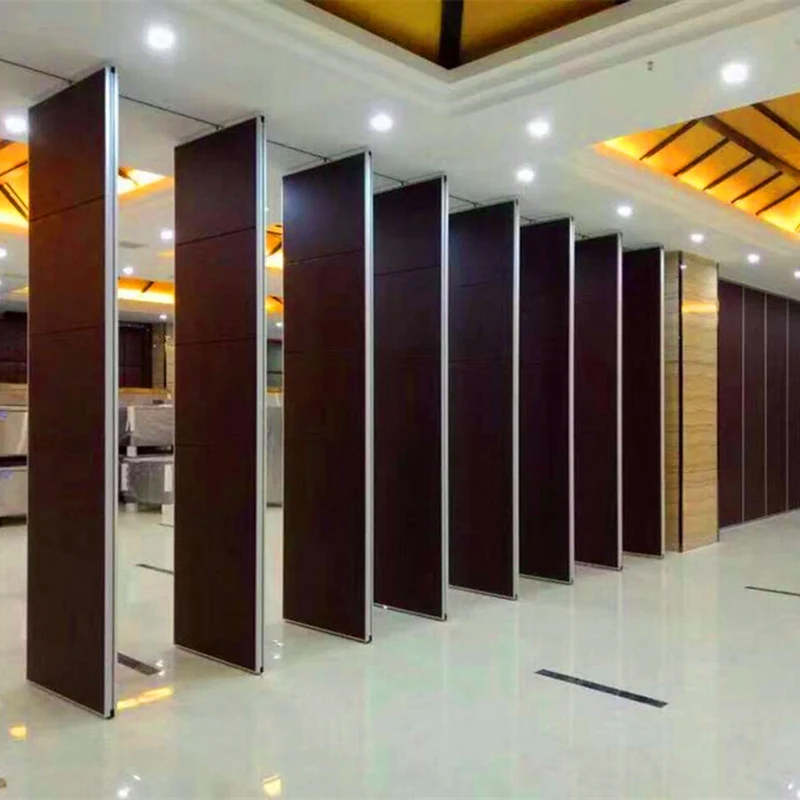
To score bidder track fixing preliminaries tender review fairly, separate what a bidder has actually shown from what the project still needs to confirm. Movable partition panels are individually movable, suspended from a top track, cross the opening without a floor track, and park at a planned stacking position. That operating concept is simple, but the tender evidence around it is not. A strong review scores the bidder’s understanding of the route, the support interface and the documentation boundary, not just a headline product name.
Why Track Fixing Preliminaries Deserve Their Own Score
Project review term: score bidder track fixing preliminaries.
Track fixing preliminaries sit between architectural intent and installation reality. They describe how the overhead route will be coordinated, what the bidder expects from the structure, and how the stacking position will be planned. If this section is vague, the tender review cannot tell whether the bidder has understood the layout.
For top-hung systems, the floor remains clear along the partition line. That is a maintained product fact, not a statement about any specific building. The review should therefore ask whether the bidder has treated the overhead route as a continuous connected path and whether straight, turning and stacking routes have been reviewed from the layout.
A Six-Part Scoring Framework for Bidder Submissions
Coordination scope: score bidder track fixing preliminaries.
Use a consistent structure so different reviewers reach comparable conclusions. The framework below keeps every score tied to visible evidence or a stated confirmation item.
- Route understanding: Does the bidder describe the straight, turning and stacking routes shown on the layout?
- Overhead continuity: Is the proposed route continuous and connected, with no implied travel across an untracked gap?
- Support interface: Does the bidder identify what must be confirmed about the supporting structure without inventing loads or fixing details?
- Parking logic: Is the planned stacking position described in relation to the layout and project requirements?
- Finish and pass-door coordination: Are laminate, melamine, fabric, leather, glass or other approved surfaces and any pass-door requirements addressed?
- Documentation boundary: Does the bidder state which items require project-specific confirmation?
Evidence Notes: What Reviewers Can and Cannot Infer
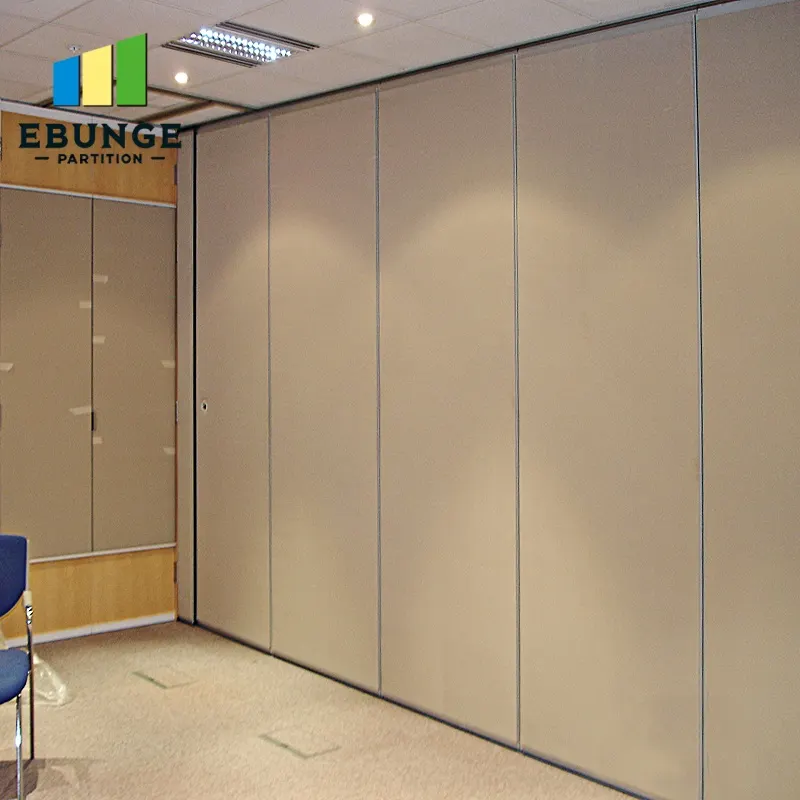
Checklist focus: score bidder track fixing preliminaries.
A drawing, photograph or finish sample shows only what it shows. Visible references can support layout discussion but do not verify hidden construction or performance. Reviewers should treat visible shapes and finishes as coordination information, not as hidden performance evidence.
Evidence note: if a bidder claims a result without a matching project-specific document, score the claim as unverified rather than assuming it applies to this tender.
The suitability of each route and parking arrangement depends on the approved layout, circulation, ceiling interfaces and operating sequence. The tender review should ask how the project will confirm its acoustic requirement, not accept a generic label as proof.
How to Compare Bidders Without Inventing Numbers
Review focus: score bidder track fixing preliminaries.
Comparison is useful when it stays within the evidence. The table below suggests qualitative scoring bands rather than fabricated values.
| Review area | Strong submission | Weak submission |
|---|---|---|
| Route description | Refers to the layout and identifies straight, turning and stacking routes | Generic statement with no route reference |
| Overhead continuity | Confirms a continuous connected overhead route is required | Implies panels cross an untracked gap |
| Support interface | Lists items for project-specific structural confirmation | Assumes support without evidence |
| Parking position | Describes a planned stacking position from the layout | Leaves parking unaddressed |
| Documentation | Separates confirmed facts from open items | Presents assumptions as facts |
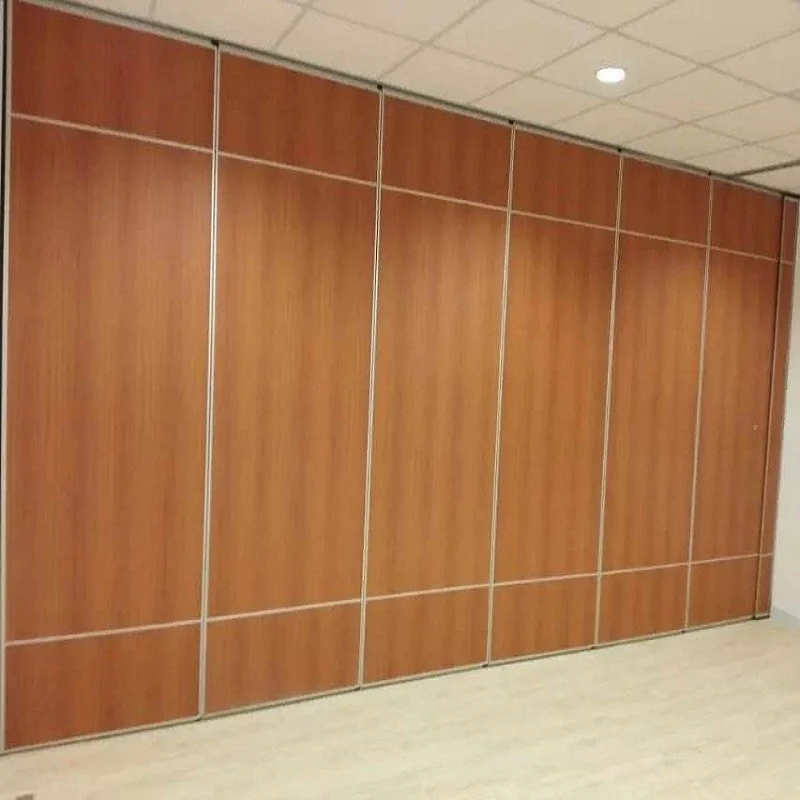
Drawing Review Questions That Expose Weak Preliminaries
Does the bidder understand the movement path?
Ask the bidder to walk through the route on the layout. A credible answer will mention the straight run, any turning condition and the final stacking position. It will also acknowledge that every proposed movement path requires a continuous connected overhead route and project-specific support review.
Has the bidder separated product facts from project facts?
Product facts describe how the system works. Project facts describe this building. A bidder who mixes them creates risk for the tender review. Look for language that says what is confirmed and what must still be checked.
Are finishes and pass doors coordinated?
Confirmed finish options include laminate, melamine, fabric, leather, glass and other approved surfaces. Pass-door requirements and project documentation can be discussed. The review should check that these items are listed as coordination points rather than assumed outcomes.
Common Scoring Mistakes in Procurement and Tender Review Coordination
One mistake is rewarding confident wording instead of visible evidence. A third is allowing a bidder to describe parking without reference to the layout.
Procurement and tender review coordination improves when reviewers use the same checklist across all bidders. That reduces the chance that one submission is scored on presentation while another is scored on substance.
FAQ: Scoring Track Fixing Preliminaries
What should a bidder include in track fixing preliminaries?
The exact route, junction arrangement, continuous overhead path and parking position must be confirmed from the coordinated project drawings.
Can a bidder claim acoustic performance from a drawing?
No.
How should reviewers treat a missing support detail?
Treat it as an open item. The bidder should state what must be confirmed about the supporting structure rather than assuming capacity or fixing details.
Does a top-hung system need a floor track?
Movable partition panels are suspended from a top track and cross the opening without a floor track. The floor remains clear along the partition line, but the overhead route still requires project-specific review.
What is the best way to compare bidders fairly?
Use the same qualitative criteria for every submission, score only visible evidence, and list confirmation items separately from confirmed facts.
When should the project team request more documentation?
Request more documentation whenever a bidder’s claim cannot be traced to a drawing, a maintained product fact or a project-specific confirmation item.
Conclusion: Score the Evidence, Confirm the Project
Scoring bidder track fixing preliminaries in a tender review is not about finding the most impressive wording. It is about checking whether the bidder has understood the layout, respected the continuous overhead route, planned the stacking position and separated confirmed facts from open items. Keep the review evidence-bounded, and confirm project-specific support, acoustic and dimensional requirements before award.
For product context, review the movable walls range. For broader planning guidance, see the resources library. To discuss pass-door requirements and project documentation, contact the team.