
Quick answer: changeover policy room scheduling rule
Review focus: changeover policy room scheduling rule.
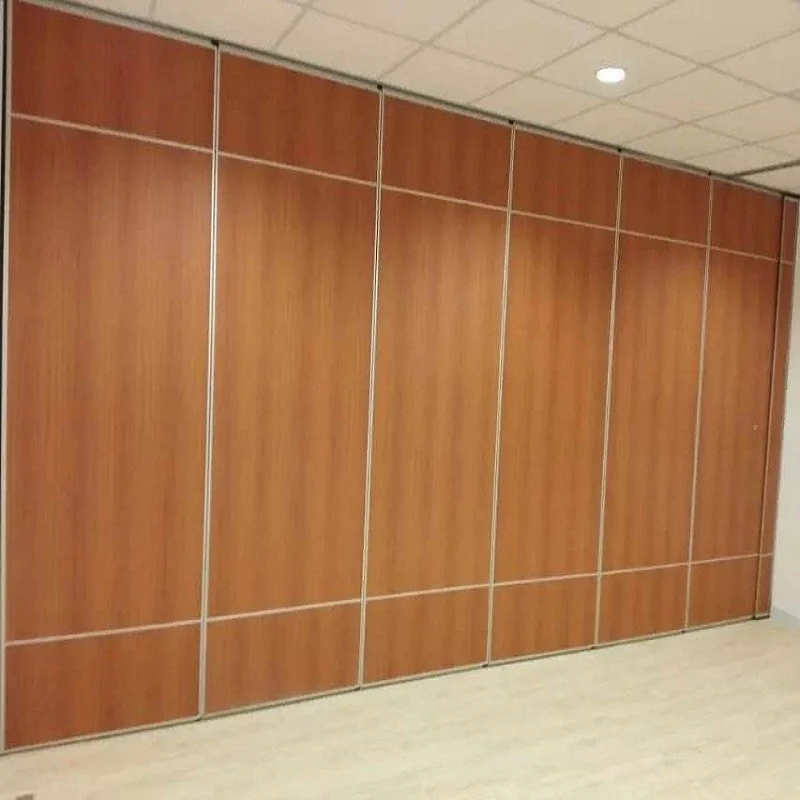
Your written changeover policy may say one thing, while the booking system quietly enforces another. A changeover policy room scheduling rule override audit compares what the policy promises with what the scheduling logic actually permits. For project teams planning flexible rooms, that gap matters because movable wall panels are individually movable, suspended from a top track, cross the opening without a floor track, and park at a planned stacking position. Panel handling and the operating sequence must be confirmed for the selected layout and project conditions.
Why Scheduling Logic Beats Written Policy
Project review term: changeover policy room scheduling rule.
A changeover policy is usually a document. Scheduling rules are operational code: minimum booking durations, buffer times, room-combination permissions, and setup blocks. When those rules are configured without reference to the physical layout, they can silently forbid or force changeovers the policy intended to allow.
This is not a technology failure. It is a coordination failure between facility operations, booking administrators, and the project team that reviewed the partition layout. The audit exists to surface those conflicts early, before they become daily workarounds.
Where the Override Usually Appears
Overrides tend to show up in three places: back-to-back bookings that leave no realistic reset window, combination rules that ignore how panels park, and setup tasks assigned to the wrong room state. The suitability of each route and parking arrangement depends on the approved layout, circulation, ceiling interfaces and operating sequence.
What the Audit Can and Cannot Prove
Coordination scope: changeover policy room scheduling rule.
An audit can compare policy text, scheduling configuration, and reviewed layout drawings. It can identify contradictions and missing confirmations.
Evidence note: visible layout geometry does not reveal hidden acoustic, fire, durability, load, or maintenance performance. Those require project-specific confirmation with matching evidence.
A Six-Step Audit Process for Project Teams
Checklist focus: changeover policy room scheduling rule.

- Collect the policy. Gather the written changeover policy, room booking rules, and any setup or reset standards.
- Map the room states. List every configuration each flexible room is expected to support.
- Overlay the partition layout. Review straight, turning, and stacking routes from the coordinated drawings.
- Compare scheduling rules. Check buffer times, combination permissions, and setup blocks against each room state.
- Flag unsupported assumptions. The exact overhead route and support arrangement must be confirmed by the responsible project team from coordinated drawings.
- Confirm with the project team. Route open items to the responsible discipline for project-specific confirmation.
Route Review: Straight, Turning, and Stacking
Movable partitions move along a continuous connected overhead route. The exact route, junction arrangement, continuous overhead path and parking position must be confirmed from the coordinated project drawings. The audit should confirm that every intended configuration is reachable from the planned stacking position.
Parking style is customized to the customer layout and project requirements, and compact stacking may be possible when the coordinated design permits it. That is a design coordination question, not a scheduling assumption.
Questions to Ask Before Locking the Schedule
- Does the booking rule allow enough time for the room to move between states?
- Does the combination logic match the actual stacking position?
- Are pass-door requirements reflected in the room states?
- Has the project team confirmed support and dimensional requirements?
- Are finish selections documented for each room?
Finish and Documentation Boundaries
Confirmed finish options include laminate, melamine, fabric, leather, glass, and other approved surfaces. A finish selection is a visual and specification choice.
Project documentation can be discussed with the EBUNGE team, including pass-door requirements. Documentation should record what was confirmed and what remains open. That record is what keeps the scheduling rules aligned with the physical room.
Compact Comparison: Policy Language vs. Scheduling Reality

| Policy statement | Scheduling rule risk | Audit action |
|---|---|---|
| Room can be divided | Combination not permitted in booking system | Confirm room states and permissions |
| Changeover is quick | Buffer time set below realistic reset | Review route and stacking with project team |
| Acoustic separation required | No project-specific acoustic confirmation | Request matching evidence for the requirement |
| Panels park nearby | Stacking position not reflected in layout | Verify parking against coordinated drawings |
Coordinating Across Disciplines
Facility Operations Planning coordination means the booking administrator, the operations lead, and the design team work from the same reviewed layout. When they do not, the scheduling system becomes the de facto policy.
For overseas project teams, time zones and handover gaps make this worse. A written audit trail reduces the chance that a rule change in one system silently invalidates a decision made in another.
What to Confirm, Not Assume
Confirm project-specific support, acoustic, and dimensional requirements with the responsible parties. Do not infer performance from a finish sample, a photograph, or a drawing. Do not treat a named venue as a application reference reference.
Frequently Asked Questions
What is a changeover policy room scheduling rule override audit?
It is a structured comparison of your written changeover policy, your room booking rules, and the reviewed partition layout. The goal is to find places where scheduling logic contradicts the policy before those conflicts affect daily operations.
Can a scheduling rule really override a written policy?
Yes. The audit surfaces that gap.
Does the audit require acoustic test data?
No. The audit identifies where acoustic requirements need project-specific confirmation.
How do movable wall routes affect scheduling?
Panels are top-hung and move without a floor track along a continuous connected overhead route. If a booking rule assumes a configuration that the route cannot reach, the schedule is unrealistic. Route review should cover straight, turning, and stacking paths.
What documentation should be prepared?
Prepare the policy text, scheduling rules, room-state list, and coordinated layout drawings. Pass-door requirements and project documentation can be discussed with the EBUNGE team through the contact page.
Where can I find more planning resources?
Review the resources page for general planning context, and the movable walls product page for maintained product facts. Project-specific requirements still need confirmation.
Conclusion: Make the Rules Match the Room
A changeover policy only works when the scheduling rules reflect the physical layout. Audit the policy, the booking logic, and the partition routes together. Confirm support, acoustic, and dimensional requirements with the project team, and document what remains open.
To discuss your project documentation and pass-door requirements, contact EBUNGE. The team can review your layout context and help you identify what needs project-specific confirmation before specification.