
Quick project answer
Review focus: room booking buffer policy.
For project teams, room booking buffer policy partition changeover windows should be reviewed against the opening, ceiling interface, operating sequence and approved finish requirements. When a facility team sets a room booking buffer policy, they are deciding how much time sits between one reservation and the next. That decision shapes partition changeover windows: the practical interval available to move panels, clear the opening and reset a space. For overseas contractors, architects, interior designers, owners and renovation teams, the useful question is not whether a buffer exists, but whether the buffer matches the movement routes and documentation the project can actually support.
This guide treats the named venue or room type as an example only. Movable partitions can be considered wherever flexible spatial division, combination or reconfiguration is required. Every project-specific support, acoustic and dimensional requirement still needs confirmation against coordinated drawings.
What a Room Booking Buffer Policy Actually Controls
Project review term: room booking buffer policy.
A buffer policy is a scheduling rule. The suitability of each route and parking arrangement depends on the approved layout, circulation, ceiling interfaces and operating sequence. The policy interacts with three operational realities: how panels are parked, how they travel, and how the room is returned to a neutral state.
If the buffer is too short for the agreed changeover sequence, staff may rush the reset. If it is too long, the room sits idle. Neither outcome is a product defect; both are planning signals. The policy should be written after the layout routes and parking position are reviewed, not before.
Buffer time versus changeover work
Buffer time is the window. Changeover work is what happens inside it. The work may include moving panels individually, confirming the opening is clear, and returning furniture or equipment. Because EBUNGE panels are top-hung and move without a continuous floor running track, the floor along the partition line stays clear. The exact overhead route and support arrangement must be confirmed by the responsible project team from coordinated drawings.
How Movement Routes Shape the Changeover Window
Coordination scope: room booking buffer policy.
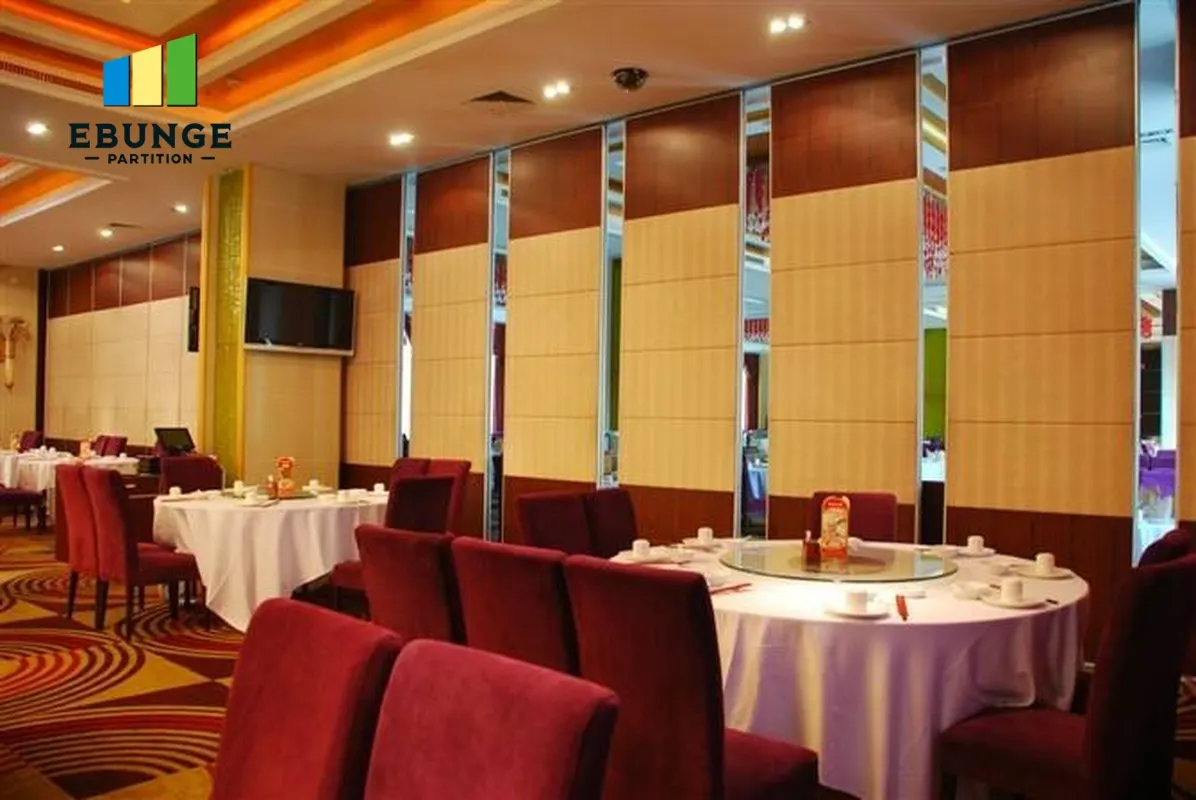
Straight, turning and stacking routes are reviewed from the layout. Panel handling and the operating sequence must be confirmed for the selected layout and project conditions. The buffer policy should reflect the route that the project team has actually reviewed.
The exact route, junction arrangement, continuous overhead path and parking position must be confirmed from the coordinated project drawings. Every proposed movement path requires a continuous connected overhead route and project-specific support review. This is a planning boundary, not a performance claim. It means the changeover window depends on the geometry the project can support.
Parking position and reset logic
Parking style is customized to the customer layout and project requirements and may support compact stacking when the coordinated design permits it. A compact stacking position can reduce the distance panels travel, but the buffer policy should still be based on the reviewed route rather than an assumed shortcut.
A Decision Checklist for Buffer and Changeover Planning
Use this checklist during early coordination. It is deliberately evidence-bounded: each item asks for confirmation rather than assuming a result.
- Confirm the booking pattern: how often the room changes function, and at what times.
- Confirm the reviewed movement route: straight, turning and stacking paths from the layout.
- Confirm the parking position and whether compact stacking is feasible in the coordinated design.
- Confirm the overhead route is continuous and connected for every proposed path.
- Confirm dimensional requirements, including opening width and clear height, from drawings.
- Confirm pass-door requirements and project documentation needs with the supplier.
This checklist does not replace engineering review. It organizes the questions that make a buffer policy realistic.
Where the Buffer Policy Meets Acoustic Expectations
Seals and acoustic concepts can be explained generically: gaps, junctions and the interface between panels and surrounding construction all matter. Visible references can support layout discussion but do not verify hidden construction or performance. If acoustic separation is a booking requirement, the project team should confirm the assembly and its supporting evidence before the buffer policy is finalized.
Documentation that supports the decision
Project documentation can be discussed with the supplier. Useful documents may include layout drawings, route reviews, finish selections and pass-door requirements.
Finish and Pass-Door Choices Inside the Window
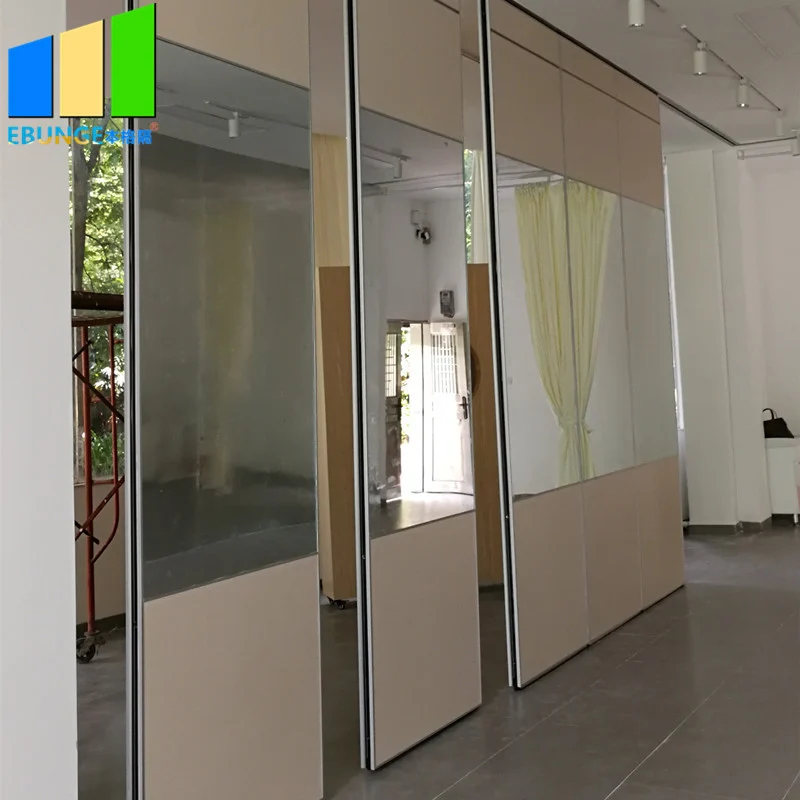
Confirmed finish options include laminate, melamine, fabric, leather, glass and other approved surfaces. Those require separate confirmation.
Pass-door requirements also affect changeover. A pass door may change how staff and users move through the space, and it should be coordinated with the booking policy. Discuss pass-door requirements and project documentation early so the changeover window reflects the actual circulation pattern.
Coordination across disciplines
Contractors, architects, interior designers and owners each hold part of the picture. A short coordination session before the buffer policy is published can prevent later adjustments.
Evidence Boundaries: What Not to Assume
Comparative, absolute and causal statements require corresponding evidence. Otherwise, state the exact project-specific confirmation boundary.
Evidence note: the maintained product facts confirm top-hung movement without a continuous floor running track, customized parking, and broad application scope. They do not confirm project-specific support, acoustic values, dimensions or changeover times. Confirm those items against coordinated drawings and project documentation.
FAQ: Buffer Policies and Changeover Windows
What is a room booking buffer policy?
It is a scheduling rule that sets the gap between reservations. It shapes the changeover window available to move panels, clear the opening and reset the room.
Does a buffer policy guarantee a fast changeover?
No. The buffer is a planning window. Actual changeover depends on the reviewed movement route, parking position, support conditions and the agreed reset sequence.
Can panels move without a floor track?
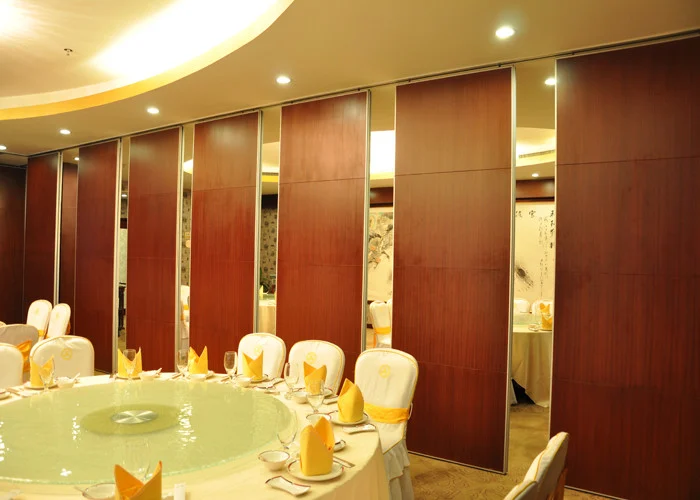
EBUNGE movable partition panels are top-hung and move without a continuous floor running track or floor hardware along the partition line.
How should acoustic requirements be described?
Project-specific acoustic values require matching evidence and should be confirmed before finalizing the buffer policy.
What information should be ready for review?
Layout drawings, booking patterns, route reviews, parking position, finish selections, pass-door requirements and any project documentation the team can provide.
Where can project teams get guidance?
Review the movable walls product page and the resources section, then contact the team to discuss project-specific requirements.
Conclusion: Align the Rule with the Reviewed Layout
A room booking buffer policy is most useful when it reflects the movement routes, parking position and documentation the project can actually support. Start with the layout review, confirm support, acoustic and dimensional requirements, and write the buffer as a planning rule rather than a performance promise.
For project-specific guidance, contact EBUNGE to discuss your layout, booking pattern and changeover requirements.