
Quick answer: retrofit phasing track zone spiral
Review focus: retrofit phasing track zone spiral.
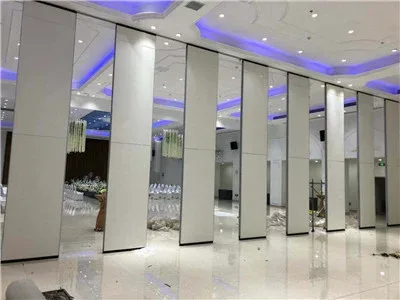
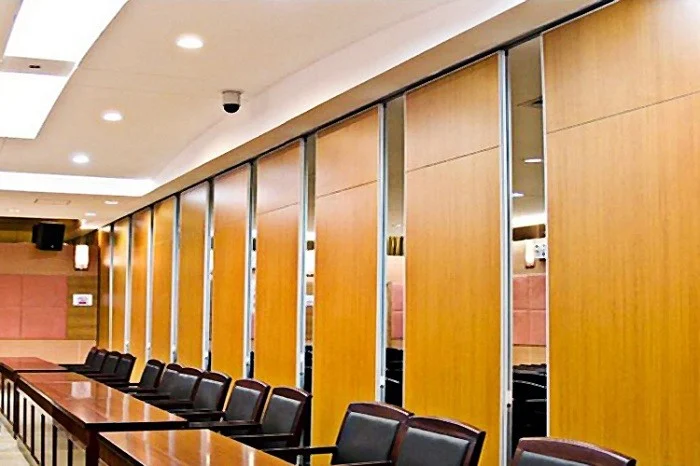
A retrofit phasing track zone spiral release sequence is a planning approach for projects where the overhead track zone must be handed over in a controlled order, often moving around a room or floor plate rather than releasing the whole route at once. The sequence matters because movable wall panels are individually movable, suspended from a top track, cross the opening without a floor track, and park at a planned stacking position. If the track zone is released in the wrong order, later trades may block a route that the panels are meant to follow.
This article sets out an evidence-bounded framework for contractors, architects, interior designers, owners and renovation teams. It does not replace project-specific support, acoustic or dimensional review. The suitability of each route and parking arrangement depends on the approved layout, circulation, ceiling interfaces and operating sequence.
Why a Spiral Release Sequence Changes Retrofit Planning
Project review term: retrofit phasing track zone spiral.
A spiral sequence usually means the track zone is released progressively, often starting at one end of a route and working around a corner, a column line or a service core. The purpose is to keep at least one usable path for panels while other work continues. This is a coordination concept, not a performance claim.
Straight, turning and stacking routes are reviewed from the layout. A route that looks simple on a plan may include a turn, a parking area or a transition between rooms. Each of those conditions affects when the track zone can be released and when panels can be moved into place.
What the sequence does not decide
Those items require separate project-specific confirmation. Treat the sequence as a scheduling and access framework that supports the installation plan.
Information to Collect Before Any Track Zone Is Released
Coordination scope: retrofit phasing track zone spiral.
Before the first zone is handed over, the project team should assemble a coordinated information set. Missing information is a common cause of rework because the track route, parking position and finish schedule are interdependent.
- Coordinated layout showing the full overhead route, including straight runs, turns and the planned stacking position.
- Panel schedule with confirmed finish options such as laminate, melamine, fabric, leather, glass or other approved surfaces.
- Pass-door requirements, if any, and how they interact with the release sequence.
- Project documentation requirements, including submittals, approvals and inspection points.
- Interface points with other trades, such as ceiling, lighting, HVAC and firestopping.
This list is a starting point. Project-specific support, acoustic and dimensional requirements must be confirmed by the relevant design and engineering parties.
A Step-by-Step Spiral Release Process
Checklist focus: retrofit phasing track zone spiral.
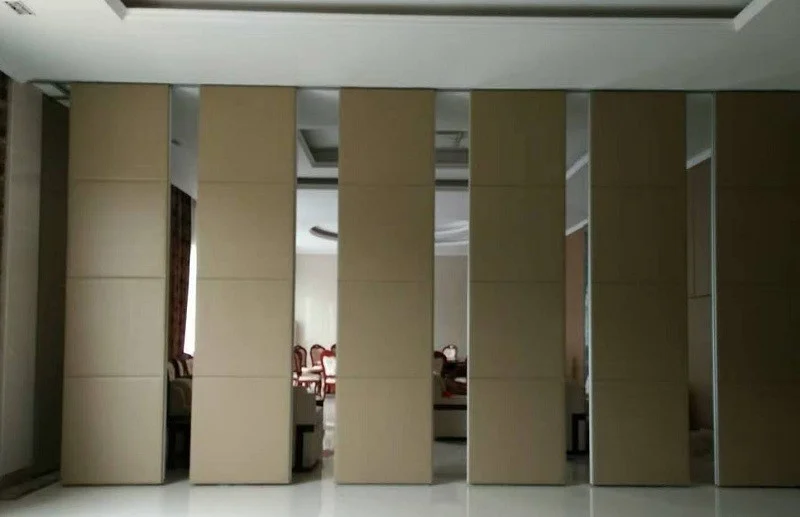
The following numbered process is a coordination framework. It assumes the layout has already been reviewed and that the responsible parties have confirmed the support strategy.
- Map the full route. Trace the overhead route from the first opening to the final parking position. Mark every turn, transition and stacking area.
- Define release zones. Divide the route into zones that can be handed over without cutting off access to the remaining work.
- Confirm support readiness. Verify that the structure above each zone is ready for the top track according to the project-specific support review.
- Release the first zone. Install and verify the track in the first zone before moving to the next.
- Protect the open route. Keep the released route clear of stored materials and temporary services that could block panel movement.
- Repeat around the spiral. Release each subsequent zone in the planned order, checking that the connected overhead route remains continuous.
- Verify the parking position. Confirm that the planned stacking position is accessible and that panels can park as intended.
- Close out documentation. Record the released zones, inspections and any approved deviations.
Why continuity matters
The exact route, junction arrangement, continuous overhead path and parking position must be confirmed from the coordinated project drawings. Every proposed movement path requires a continuous connected overhead route and project-specific support review. If a zone is released in a way that breaks continuity, the sequence may need to be revised before panels are moved.
Coordination Checks for the Spiral Sequence
Review focus: retrofit phasing track zone spiral.
Use the following checklist during weekly coordination meetings. It is designed to surface conflicts early, when they are still inexpensive to resolve.
| Check | Question to ask | Evidence needed |
|---|---|---|
| Route continuity | Is the overhead route connected through every released zone? | Coordinated layout and site verification |
| Support readiness | Has the responsible party confirmed support for the next zone? | Project-specific structural review |
| Parking access | Is the stacking position clear and reachable? | Layout and site walk |
| Finish coordination | Are approved finishes compatible with the schedule? | Approved finish schedule |
| Pass-door interface | Do pass-door requirements affect the release order? | Project documentation |
This table is a coordination aid, not a substitute for project-specific engineering. Where a check cannot be evidenced, mark it as open and confirm before releasing the next zone.
Acoustic and Dimensional Boundaries
Project review term: retrofit phasing track zone spiral.
Seals, junctions and the surrounding construction all influence the result.
For any project, confirm the required acoustic and dimensional criteria with the responsible design professional. Do not infer performance from a finish sample, a photograph or a generic description.
What to confirm with the supplier
Pass-door requirements and project documentation can be discussed directly. Bring the coordinated layout, the intended route and the stacking position to that conversation so the review is grounded in the application reference conditions.
Common Phasing Mistakes to Avoid
Most retrofit phasing problems come from releasing a zone before the downstream route is understood. A second common issue is treating the stacking position as a leftover space rather than a planned part of the layout.
It does not. Finish options such as laminate, melamine, fabric, leather, glass and other approved surfaces are surface choices; they should be coordinated with the project-specific requirements rather than used as evidence of performance.
Finally, avoid releasing zones without a documented handover. A simple record of which zones are open, which are closed and what remains outstanding keeps the spiral sequence visible to everyone on site.
Frequently Asked Questions
What is a retrofit phasing track zone spiral release sequence?
It is a planning approach where the overhead track zone is released progressively in a controlled order, often around a room or floor plate, so that panel movement and other trades can be coordinated without breaking the connected route.
Do movable wall panels need a floor track?
No. EBUNGE movable partition panels are top-hung and move without a continuous floor running track or floor hardware along the partition line.
Can panels move across a gap in the track?
No. The exact route, junction arrangement, continuous overhead path and parking position must be confirmed from the coordinated project drawings. Every proposed movement path requires a continuous connected overhead route and project-specific support review.
How is the stacking position decided?
Parking style is customized to the customer layout and project requirements and may support compact stacking when the coordinated design permits it. The stacking position should be planned as part of the layout, not treated as leftover space.
Which finishes can be considered?
Confirmed finish options include laminate, melamine, fabric, leather, glass and other approved surfaces. Finish selection should be coordinated with the project-specific requirements and approved schedule.
What should be confirmed before releasing a zone?
Confirm route continuity, support readiness, parking access, finish coordination and any pass-door or documentation requirements. Where evidence is missing, keep the zone open until the responsible party confirms.
Conclusion and Next Steps
Keep the overhead route continuous, release zones in a planned order, and document each handover.
Confirm project-specific support, acoustic and dimensional requirements with the responsible parties, and review pass-door requirements and project documentation early.
To discuss your layout, route and stacking position, contact the EBUNGE team. You can also review movable wall products and browse project resources for further planning context.