
Quick answer: bay by bay
Review focus: bay by bay.
Retrofit phasing track zone bay by bay release is a sequencing problem before it is an installation problem. In occupied buildings, the overhead track zone often sits above live ceilings, services and finishes that cannot be closed for the whole programme. The contractor must release the track zone in controlled bays while keeping adjacent areas usable. This article sets out a planning framework for that sequence, bounded by confirmed product facts and project-specific drawing review.
Why Bay-by-Bay Release Changes the Retrofit Sequence
Project review term: bay by bay.
A conventional partition retrofit assumes one continuous work front. Bay-by-bay release breaks that assumption. Each bay becomes a temporary unit of access, inspection and handover. The overhead route still has to be continuous and connected for the final configuration, but the work zone moves in steps.
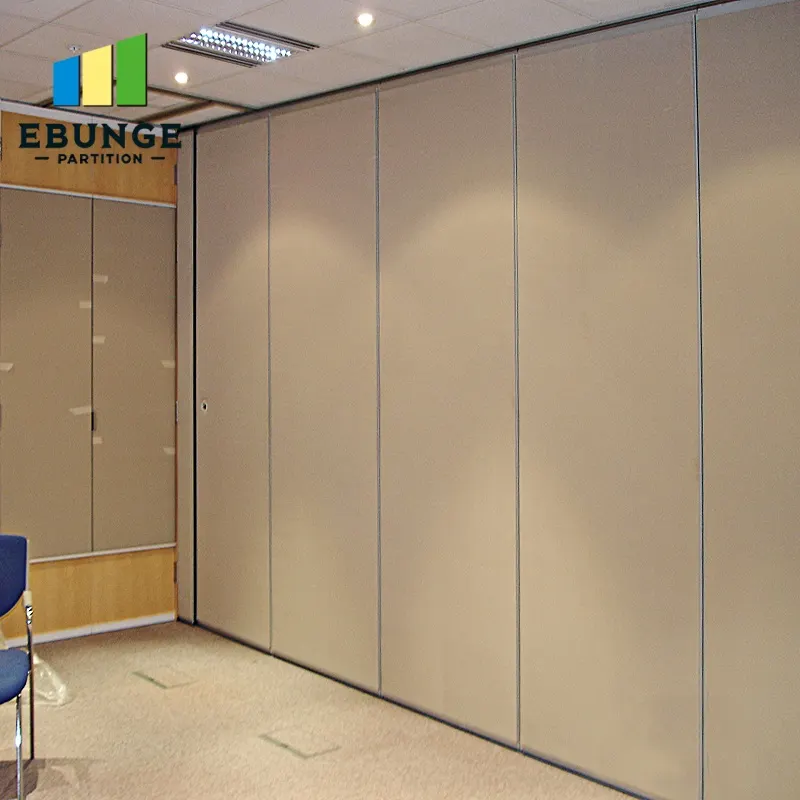
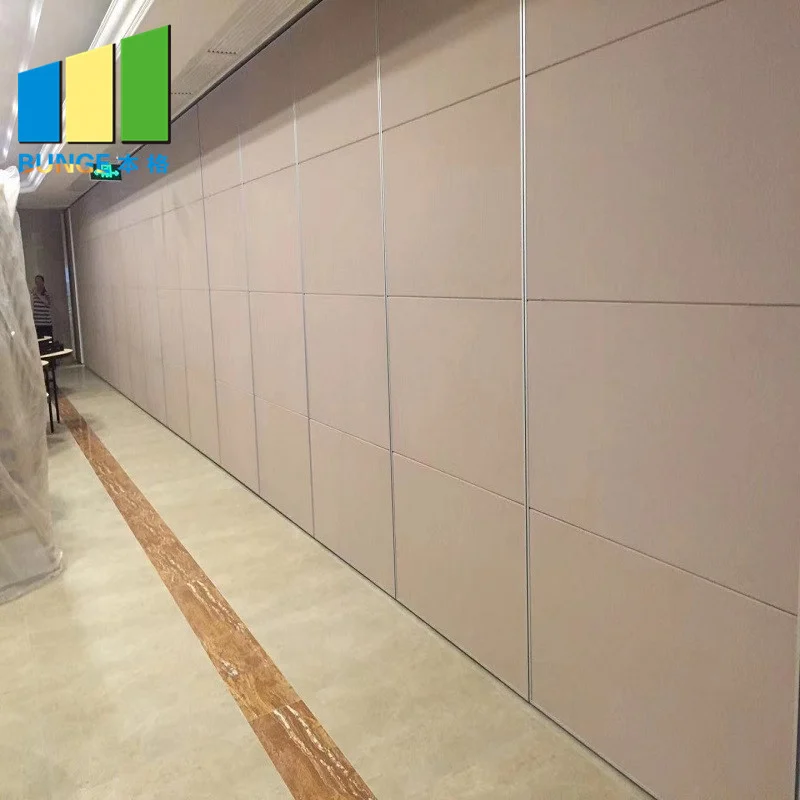
This matters because EBUNGE movable wall panels are individually movable, suspended from a top track, cross the opening without a floor track, and park at a planned stacking position. The absence of a continuous floor running track removes one common obstruction, but it does not remove the need to coordinate the overhead route, the stacking position and the adjacent occupied areas.
Information to Collect Before Any Bay Is Released
Coordination scope: bay by bay.
Phasing decisions should follow drawing review, not site assumption. Collect the information below before agreeing a release sequence. Where an item is missing, mark it as an open point rather than inferring a value.
- The exact route, junction arrangement, continuous overhead path and parking position must be confirmed from the coordinated project drawings.
- Reflected ceiling plans and service drawings covering the overhead track zone.
- Confirmed finish schedule for the panels, including laminate, melamine, fabric, leather, glass or other approved surfaces.
- Pass-door requirements and how they interact with the bay sequence.
- Occupied-area constraints, including hours of work and protected routes.
- Project documentation requirements for inspection and handover at each bay.
Reading the Route Before Splitting the Programme
Checklist focus: bay by bay.
The route review is the foundation of the phase plan. Straight, turning and stacking routes are reviewed from the layout. A route that works as a single continuous move may behave differently when the work front is split into bays, because temporary conditions can interrupt the path that panels will eventually follow.
Every proposed movement path requires a continuous connected overhead route and project-specific support review. If a bay release would leave a break in that route, the sequence needs to be re-planned or the break must be treated as a temporary condition with its own review.
Route questions for the phase plan
- Which bays contain turning points rather than straight runs?
- Where is the planned stacking position, and does it remain accessible throughout the sequence?
- Does any temporary condition interrupt the connected overhead route?
- Which support conditions need project-specific review before release?
Coordinating Finishes, Pass Doors and Adjacent Trades
Review focus: bay by bay.
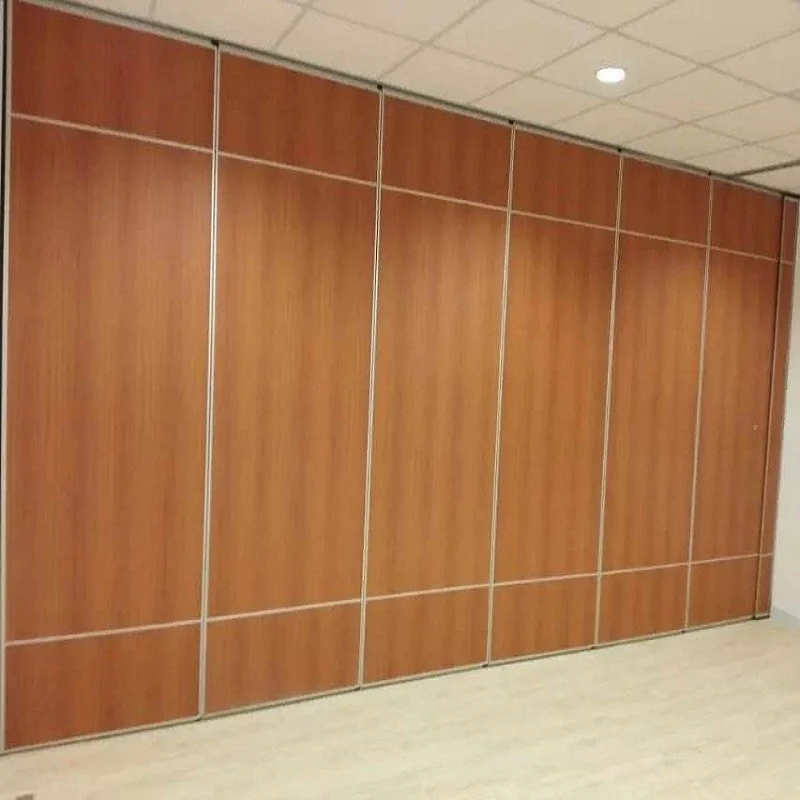
Finish selection affects sequencing because different approved surfaces may arrive with different lead times and protection needs. Confirmed finish options include laminate, melamine, fabric, leather, glass and other approved surfaces. The phase plan should state which bays receive which finish and when that finish must be protected from adjacent trades.
Pass-door requirements and project documentation can be discussed with the supplier. In a bay-by-bay release, pass doors can become temporary circulation routes, so their position relative to the released bay should be reviewed early. This is a coordination point, not a performance claim.
Trade coordination checklist
- Confirm ceiling and service access windows per bay.
- Agree protection for finished panels and adjacent surfaces.
- Sequence pass-door areas so temporary circulation remains clear.
- Record inspection points and documentation at each bay handover.
Acoustic Concepts and Evidence Boundaries
The suitability of each route and parking arrangement depends on the approved layout, circulation, ceiling interfaces and operating sequence.
Seals and acoustic concepts can be explained generically, but the project team should confirm acoustic requirements against project-specific evidence. Visible references can support layout discussion but do not verify hidden construction or performance. Where a rating is required, it must be supported by matching project documentation.
Evidence note: this guidance covers sequencing logic only. Support, acoustic and dimensional requirements must be confirmed for each project before any bay is released.
Building the Bay Release Sequence
A workable sequence usually moves from the most constrained bay to the least constrained, or from the stacking end outward, depending on the layout. The correct order is project-specific. The table below shows the decision logic rather than a fixed rule.
| Phase step | Decision to confirm | Evidence needed |
|---|---|---|
| 1. Survey | Overhead route and stacking position | Layout and ceiling drawings |
| 2. Route review | Straight, turning and stacking paths | Coordinated route drawing |
| 3. Support review | Project-specific support conditions | Structural documentation |
| 4. Finish schedule | Approved surface per bay | Confirmed finish list |
| 5. Release | Bay handover and documentation | Inspection records |
Documentation and Handover at Each Bay
Bay-by-bay release creates multiple handover points. Each one should record what was inspected, what remains open and what must be confirmed before the next bay is released. This protects the project team from treating a temporary condition as a final one.
Project documentation can be discussed with EBUNGE. The aim is a clear record that supports the final configuration without inventing performance, dimensions or outcomes that have not been confirmed.
Frequently Asked Questions
What does bay-by-bay release mean in a movable partition retrofit?
It means the overhead track zone is made available in controlled sections rather than as one continuous work front. Each bay is released, inspected and handed over in sequence while adjacent areas remain occupied.
Can panels move across a gap left by a phased release?
No. Every proposed movement path requires a continuous connected overhead route and project-specific support review. A temporary break must be treated as a condition to resolve, not as a route for panels.
Which drawings are needed before agreeing a release sequence?
Support and acoustic requirements should be confirmed separately for the project.
How do finish options affect phasing?
Confirmed finish options include laminate, melamine, fabric, leather, glass and other approved surfaces. Different finishes may have different lead times and protection needs, so the phase plan should state which bay receives which finish and when.
Does this article state an acoustic rating?
No.
Where can I discuss pass doors and documentation?
Pass-door requirements and project documentation can be discussed with EBUNGE through the contact page. Bring your layout, route drawings and finish schedule so the discussion stays grounded in project facts.
Conclusion and Next Steps
Phasing a retrofit when the track zone must be released bay by bay is a coordination exercise. Start with the route, confirm support and acoustic requirements for the project, schedule finishes and pass doors, and document each bay handover. Keep every statement tied to confirmed facts and visible evidence.
Review the movable walls product page and the resources section for maintained product context, then contact EBUNGE to discuss your layout, route drawings and documentation requirements.