
Quick answer: retrofit phasing nightly single bay track closure
Review focus: retrofit phasing nightly single bay track closure.
When a retrofit phasing nightly single bay track closure is the only work window available, the schedule stops being a construction sequence and becomes an occupancy agreement. Each night, one bay of overhead track must be isolated, worked on and returned to a safe condition before the building opens. This article sets out a planning framework for contractors and facility teams who must sequence movable partition track work in occupied buildings without inventing performance, engineering or commercial conclusions.
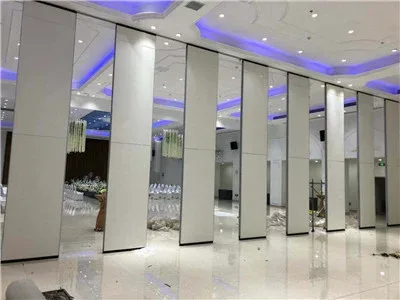
EBUNGE movable partition panels are top-hung and move without a continuous floor running track or floor hardware along the partition line. That single maintained fact shapes the phasing logic: the overhead route, not the floor, is the critical path. Every proposed movement path requires a continuous connected overhead route and project-specific support review.
Why One Bay Per Night Changes the Planning Logic
Project review term: retrofit phasing nightly single bay track closure.
A single-bay nightly closure is a constraint, not a method. It means the work front is narrow, the handover condition must be repeatable, and the building must be usable again each morning. The planning question is not how fast track can be installed, but what must be true at the end of every shift.
Because panels are individually movable and suspended from a top track, the track route defines where panels can travel, turn and park. Straight, turning and stacking routes are reviewed from the layout. If the layout is not resolved before phasing begins, nightly closures risk protecting the wrong bay.
Separate the route decision from the bay decision
Route geometry is a whole-project question. Bay sequencing is a nightly question. Resolve the route first, then divide it into workable nightly segments. This prevents a common error: treating each bay as an independent installation when it is actually one link in a connected overhead path.
Information to Collect Before the First Night Shift
Coordination scope: retrofit phasing nightly single bay track closure.
Phasing decisions depend on information that is often scattered across disciplines. Gather it before mobilisation so that each nightly closure has a defined scope and a defined stop condition.
- Coordinated layout showing straight, turning and stacking routes.
- Parking position and stacking arrangement agreed for the project.
- Support and overhead structure information for project-specific review.
- Finish selections from the confirmed options: laminate, melamine, fabric, leather, glass and other approved surfaces.
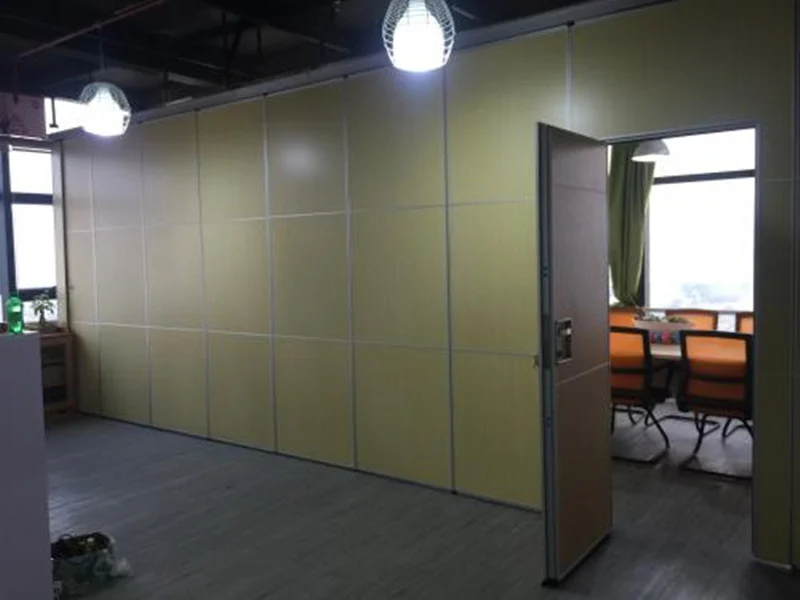
- Pass-door requirements and how they interact with the nightly work front.
- Building access, isolation and handover rules for occupied areas.
- Project documentation requirements, including what must be recorded each night.
This list is a starting point, not a substitute for drawing review. Confirm project-specific support, acoustic and dimensional requirements with the responsible design team.
Sequencing the Track Route Bay by Bay
Checklist focus: retrofit phasing nightly single bay track closure.
The suitability of each route and parking arrangement depends on the approved layout, circulation, ceiling interfaces and operating sequence. The sequence below is a planning pattern, not a fixed method.
- Confirm the full overhead route and the parking position from the coordinated layout.
- Define the handover condition for each segment before work begins.
- Record the as-left condition at the end of every shift.
- Verify the next segment against the previous one before continuing.
Each step depends on project-specific review. Do not assume that a segment which works in one bay will work in the next without checking the route and support conditions.
Keep the movement path continuous
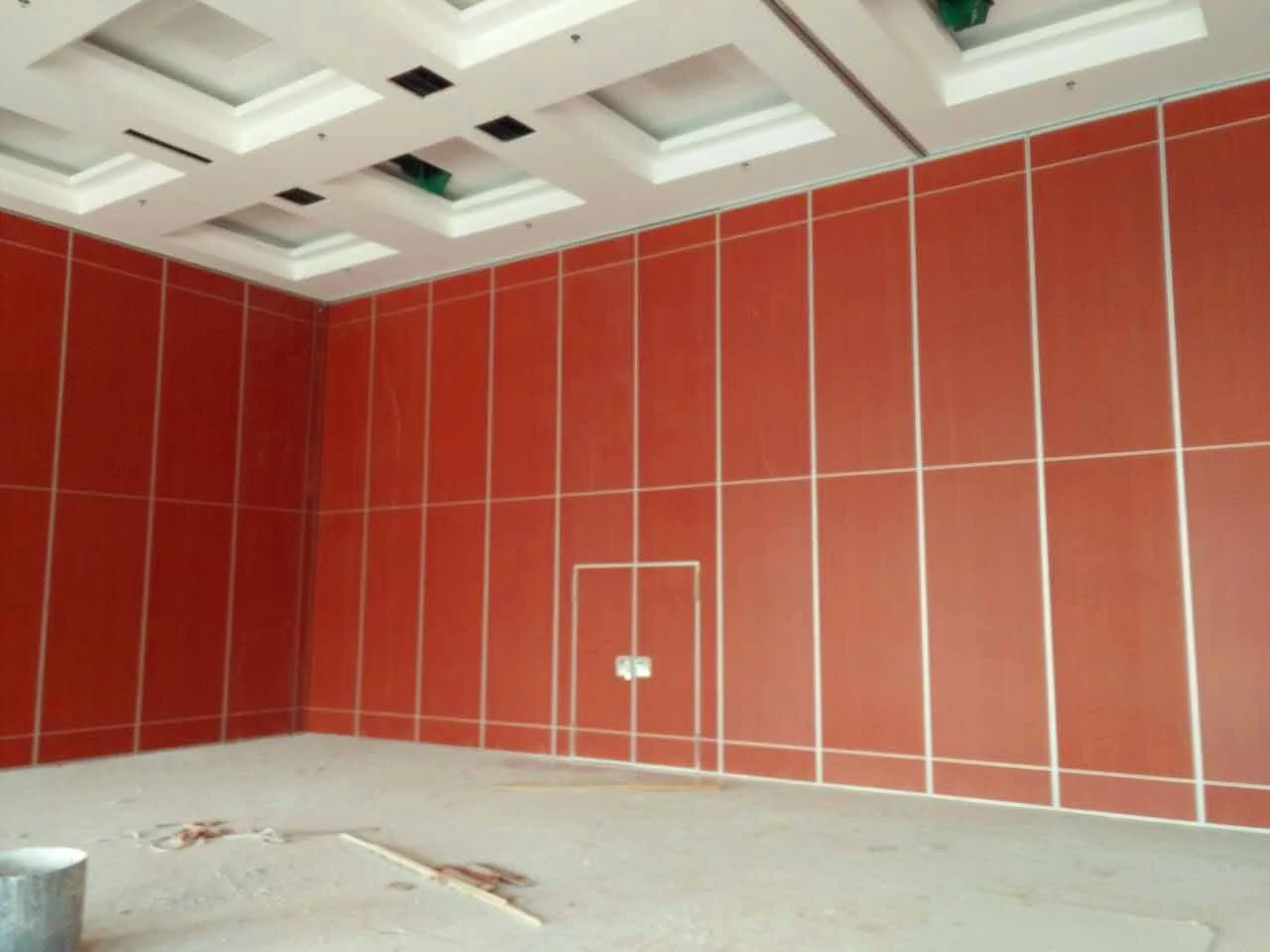
The exact route, junction arrangement, continuous overhead path and parking position must be confirmed from the coordinated project drawings. Every proposed movement path requires a continuous connected overhead route. In a nightly closure programme, this means the temporary end condition of each segment must not create a gap that prevents later panel movement.
Coordination With Occupied Areas
Review focus: retrofit phasing nightly single bay track closure.
In occupied buildings, the nightly closure is also a communication exercise. Facility teams need to know which bay is affected, what access is restricted, and what condition the space will be in each morning.
Where acoustic separation matters, confirm project-specific acoustic requirements with the responsible team.
Evidence note
This article describes planning logic only. It does not confirm support capacity, acoustic performance, dimensional limits, installation time or any project outcome. Those items require matching project evidence and drawing review.
Handover, Verification and Documentation
Each nightly closure should end with a consistent handover record. The record does not need to be complex, but it should allow the next shift to understand what was done and what remains.
| Item | Purpose | Evidence boundary |
|---|---|---|
| Segment scope | Defines the nightly work front | Based on coordinated layout |
| As-left condition | Confirms safe handover | Recorded, not assumed |
| Route continuity | Protects later panel movement | Requires connected overhead route |
| Open items | Carries decisions forward | Resolved with project team |
Pass-door requirements and project documentation can be discussed with the supplier so that the nightly sequence and the final configuration remain aligned.
Common Phasing Mistakes to Avoid
Panel handling and the operating sequence must be confirmed for the selected layout and project conditions.
- Starting before the route and parking position are resolved.
- Assuming each bay is independent of the connected overhead route.
- Leaving a segment end condition that blocks later panel movement.
- Recording progress without recording the as-left condition.
Each of these can be avoided with drawing review and a clear nightly handover standard.
Frequently Asked Questions
Can movable partitions be installed one bay at a time at night?
Phasing is a project planning decision. The feasibility of a nightly single bay closure depends on the coordinated layout, support conditions and access rules. Confirm these with the responsible design team before committing to a sequence.
Do movable partition panels need a floor track?
EBUNGE movable partition panels are top-hung and move without a continuous floor running track or floor hardware along the partition line.
How should parking and stacking be planned for a phased retrofit?
Parking style is customized to the customer layout and project requirements and may support compact stacking when the coordinated design permits it. The parking position should be resolved before nightly work begins.
What finish options are available for a phased project?
Confirmed finish options include laminate, melamine, fabric, leather, glass and other approved surfaces.
Can pass doors be included in a nightly phasing plan?
Pass-door requirements can be discussed with the supplier and coordinated with the layout. Their interaction with the nightly work front should be reviewed as part of the project documentation.
What documentation should each nightly closure produce?
At minimum, record the segment scope, the as-left condition, route continuity and any open items. Project documentation requirements can be discussed so that records match the project’s needs.
Conclusion
A retrofit phasing nightly single bay track closure succeeds when the overhead route, parking position and handover condition are resolved before the first night shift. The constraint is narrow, so the planning must be precise. Keep every recommendation tied to maintained product facts, visible evidence limits and project-specific drawing review.
To discuss your layout, finish options, pass-door requirements and project documentation, contact the EBUNGE team. You can also review movable wall systems and browse planning resources before your next coordination meeting.