
Quick answer: renovation phasing track zone wave
Review focus: renovation phasing track zone wave.
When a renovation must stay partially occupied, the overhead track zone often becomes the critical path. The suitability of each route and parking arrangement depends on the approved layout, circulation, ceiling interfaces and operating sequence. This article offers an evidence-bounded planning framework.
What the Wave Release Sequence Actually Controls
Project review term: renovation phasing track zone wave.
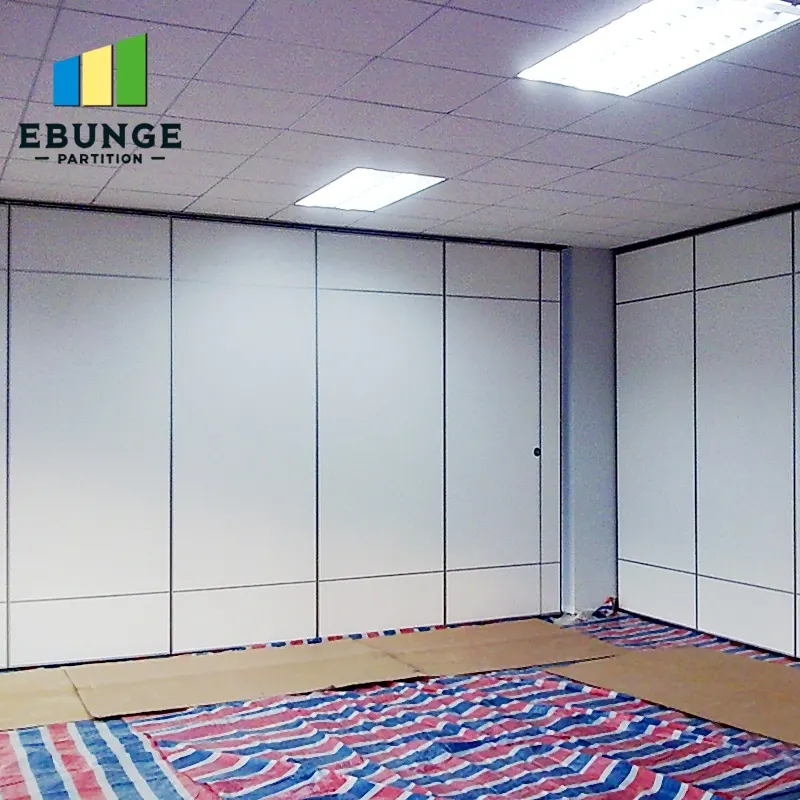
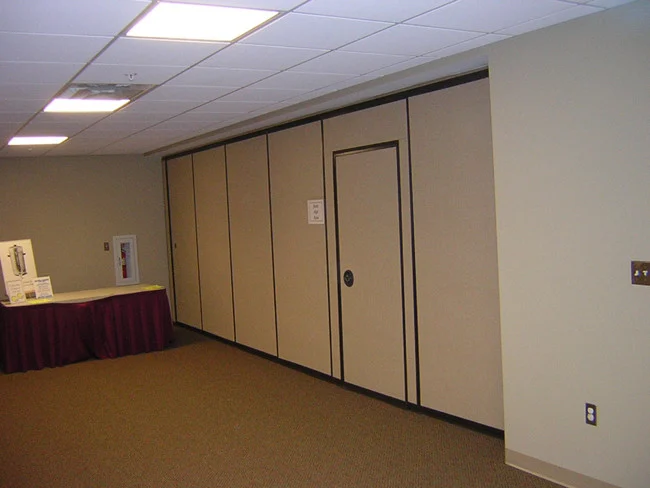
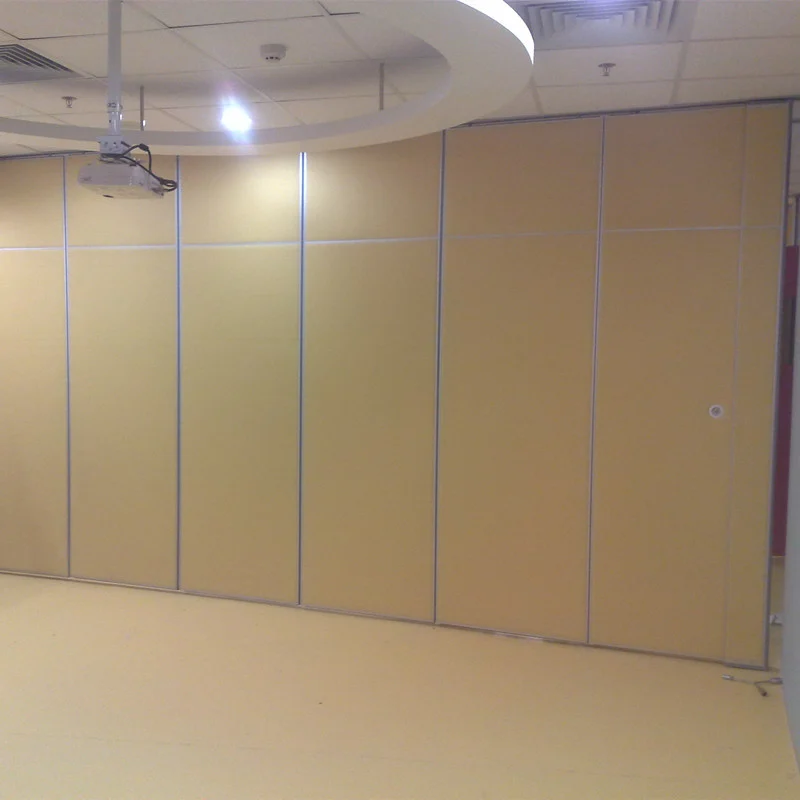
The phrase describes a staged release of work areas rather than a single handover. Each wave frees a defined zone for the next trade while keeping a continuous connected overhead route for every proposed panel movement. Because EBUNGE movable wall panels are individually movable and suspended from a top track, the route matters more than the floor. Panels cross the opening without a floor track and park at a planned stacking position.
A wave release plan therefore links three decisions: which overhead route is released, which opening it serves, and where panels can wait when the room is reconfigured. If any of those three is unresolved, the wave is not ready for release.
Information to Collect Before the First Wave
Coordination scope: renovation phasing track zone wave.
Start with the layout drawing and the intended room combinations. The project team should mark straight, turning and stacking routes on the same drawing set used for construction sequencing.
- Room-by-room opening widths and the intended open and closed states.
- Every proposed straight, turning and stacking route, drawn as a continuous connected overhead path.
- Planned stacking positions and the clearance they need from other trades.
- Pass-door requirements and how they interact with the wave handover.
- Finish selections from the confirmed options: laminate, melamine, fabric, leather, glass and other approved surfaces.
- The exact route, junction arrangement, continuous overhead path and parking position must be confirmed from the coordinated project drawings.
Drawing Review Checklist for Each Wave
Checklist focus: renovation phasing track zone wave.
Use a short checklist before releasing any zone. The goal is to confirm that the drawings show a connected overhead route and that no trade will later cut or block it.
- Confirm the wave boundary and the rooms it affects.
- Trace each panel route from parked position to closed position without a gap.
- Check that turning points and stacking positions are shown, not assumed.
- Record open questions about support, acoustics or dimensions for the responsible consultant.
- Release the zone only when the route and parking position are documented.
Coordination Between Trades and Handover Zones
Review focus: renovation phasing track zone wave.
A route that is clear on paper can be interrupted by a service that was installed after the partition drawing was issued. The project team should agree who checks the overhead zone before each release and who signs off the handover.
Where a wave includes a pass-door, confirm the door position and swing early. Pass-door requirements and project documentation can be discussed with the supplier so the drawing set reflects the intended use. This is a coordination step, not a performance claim.
Evidence Boundaries: What Drawings Do Not Prove
Project review term: renovation phasing track zone wave.
A drawing can show a route, a stacking position and a finish. Those topics require matching project-specific evidence and review by the responsible consultants.
Evidence note: STC and Rw are rating systems used to describe acoustic performance in defined test conditions. They are not a simple count of decibels, and a project value must be confirmed for the actual assembly, opening and site conditions. Do not infer performance from a finish sample, a photograph or a generic drawing.
Similarly, a visible top track does not confirm support capacity. The wave release plan should flag these items rather than resolve them by assumption.
Common Phasing Risks and How to Reduce Them
Most problems appear when a wave is released before the overhead route is fully coordinated. A later trade may install a service across the path, or a stacking position may be used for temporary storage. Both situations can force rework.
| Risk | Early signal | Planning response |
|---|---|---|
| Route interrupted by services | Ceiling drawings issued after partition layout | Hold the wave until routes are marked and checked |
| Stacking position blocked | No agreed parking zone on the drawing | Confirm parking style against the customer layout |
| Opening dimensions change | Revised room schedule not shared | Re-check straight, turning and stacking routes |
| Support assumptions | No structural review noted | Request project-specific support confirmation |
Documentation to Carry Through Every Wave
Keep one controlled drawing set for the partition routes and update it at each wave. The set should show the current release boundary, the connected overhead route, the stacking position and any open items. This reduces the chance that a later team works from an outdated version.
Project documentation can be discussed with the supplier so that finish selections, pass-door requirements and route drawings are consistent.
Frequently Asked Questions
What is a renovation phasing track zone wave release sequence?
It is a staged plan for releasing overhead track zones during a renovation. Each wave frees a defined area while keeping a continuous connected overhead route for every proposed panel movement and a planned stacking position.
Can movable partitions be installed without a floor track?
EBUNGE movable wall panels are top-hung and move without a continuous floor running track or floor hardware along the partition line.
How do we confirm the stacking position for each wave?
Parking style is customized to the customer layout and project requirements. The project team should show the planned stacking position on the route drawing and confirm it against the room schedule before releasing the wave.
Do finish options affect the phasing plan?
Finish options include laminate, melamine, fabric, leather, glass and other approved surfaces.
What should be confirmed before releasing a wave?
Confirm the wave boundary, the connected overhead route, turning points, stacking position, pass-door requirements and any open support, acoustic or dimensional questions. Release only when the route and parking position are documented.
Can the same sequence be used on every project?
No. The sequence depends on the layout, the building structure and the intended room combinations. Named venues and room types are examples only; movable partitions can be considered wherever flexible spatial division, combination or reconfiguration is required.
Conclusion and Next Steps
A wave release sequence is a coordination tool. It helps the project team release overhead track zones in a controlled order while protecting the connected routes that movable partitions need. The strongest plans combine layout drawings, trade coordination and clear evidence boundaries.
Before the next wave, review the route drawing, confirm the stacking position and list any project-specific support, acoustic or dimensional requirements for the responsible consultants. For product context, visit the movable walls page and the resources section. To discuss pass-door requirements and project documentation, contact EBUNGE.