
Quick answer: renovation phasing skip pattern track
Review focus: renovation phasing skip pattern track.
When a retrofit must keep parts of a building occupied, the overhead track zone often becomes the constraint that controls the whole sequence. A renovation phasing skip pattern track zone release means the project releases alternating or non-adjacent track segments rather than clearing one continuous strip. This article gives contractors, architects, designers and owners a planning framework for that condition without inventing performance, cost or engineering outcomes.
Why a Skip Pattern Changes the Planning Logic
Project review term: renovation phasing skip pattern track.
In a conventional linear release, the team works from one end of the track route to the other. A skip pattern breaks that rhythm. Some segments are released early, others stay protected, and the movable panels must still travel only on a continuous connected overhead route. The planning question is not simply which rooms close first; it is which overhead segments can be released while every proposed movement path remains supported and connected.
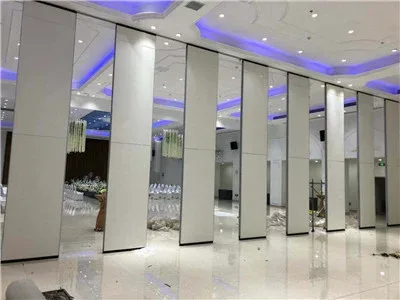
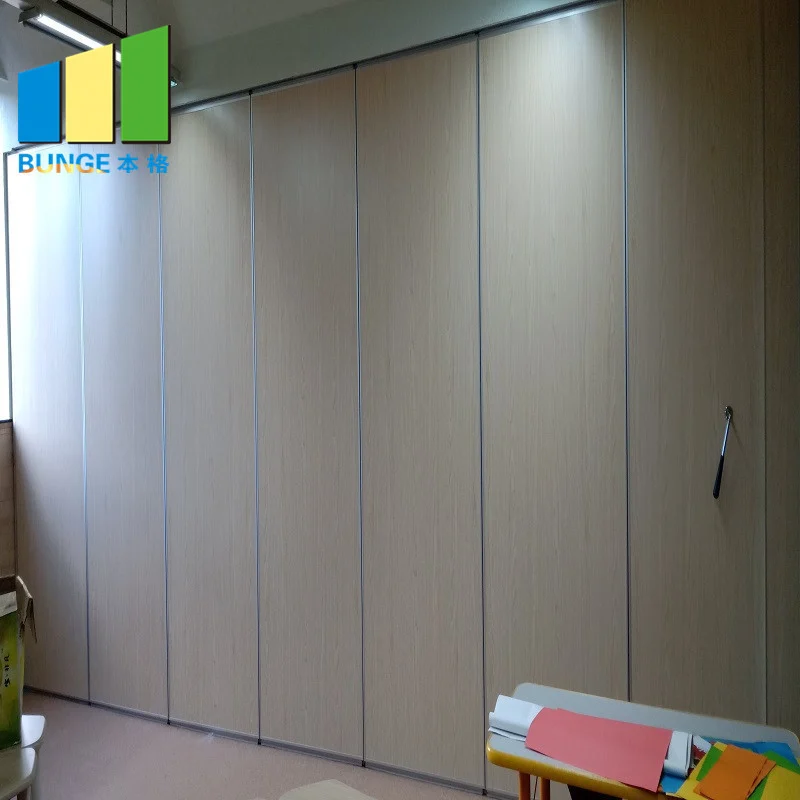
EBUNGE movable partition panels are individually movable, suspended from a top track, cross the opening without a floor track, and park at a planned stacking position. Those maintained facts shape the phasing discussion. Straight, turning and stacking routes are reviewed from the layout, so a skip pattern must be tested against the actual route rather than assumed from a room list.
Start With the Route, Not the Room Schedule
Coordination scope: renovation phasing skip pattern track.
Room schedules describe occupancy. Route drawings describe movement. For a skip-pattern release, begin with the overhead route and mark every segment that must remain connected for any approved panel movement. A segment that looks isolated on a floor plan may still be part of a turning or stacking path.
Route questions to resolve before sequencing
- Which openings must remain operable during each phase?
- Where does each panel park when not in use, and is that stacking position reachable in every phase?
- Does any proposed movement path cross a segment that is scheduled for release later?
- Are turning points and route changes included in the same release package as the straight runs they serve?
These questions do not produce a final sequence on their own. They identify which segments cannot be separated without breaking a movement path. Confirm project-specific support, acoustic and dimensional requirements with the responsible design team before treating any route as fixed.
Build a Skip-Pattern Release Matrix
Checklist focus: renovation phasing skip pattern track.
A release matrix turns the route review into a coordination tool. It does not replace engineering review, but it exposes conflicts early. Use it in progress meetings so that the track zone, the occupied areas and the panel parking strategy are discussed together.
| Release package | Track segment | Movement path served | Coordination check |
|---|---|---|---|
| Package A | Segment 1 | Opening 1 straight run | Confirm stacking position remains reachable |
| Package B | Segment 3 | Opening 2 turning route | Confirm connected overhead route is maintained |
| Package C | Segment 2 | Shared approach to parking | Confirm no phase depends on an unreleased segment |
The matrix is deliberately simple. Its value is that it forces the team to name the movement path each segment serves. If a segment serves no approved path in the current phase, that is a planning observation, not a performance conclusion.
Coordinate the Track Zone With Adjacent Work
Review focus: renovation phasing skip pattern track.
Track zone release rarely happens in isolation. The suitability of each route and parking arrangement depends on the approved layout, circulation, ceiling interfaces and operating sequence. A skip pattern can reduce the number of adjacent trades working in one area at a time, but it also creates more handover points.
Handover points that deserve a written check
- Confirm the released segment is clearly identified on the current drawing revision.
- Confirm adjacent trades know which overhead route must remain connected.
- Confirm the parking position for each panel is still accessible after the phase change.
- Confirm any pass-door requirement is discussed with the project team before the phase is closed.
- Confirm finish selections for exposed panels are recorded against the approved schedule.
Confirmed finish options include laminate, melamine, fabric, leather, glass and other approved surfaces.
Evidence Boundaries for Skip-Pattern Planning
Project review term: renovation phasing skip pattern track.
Planning documents often contain assumptions that look like facts. A skip pattern makes those assumptions more visible because each phase depends on the one before it. Keep the following boundaries in mind when reviewing drawings and specifications.
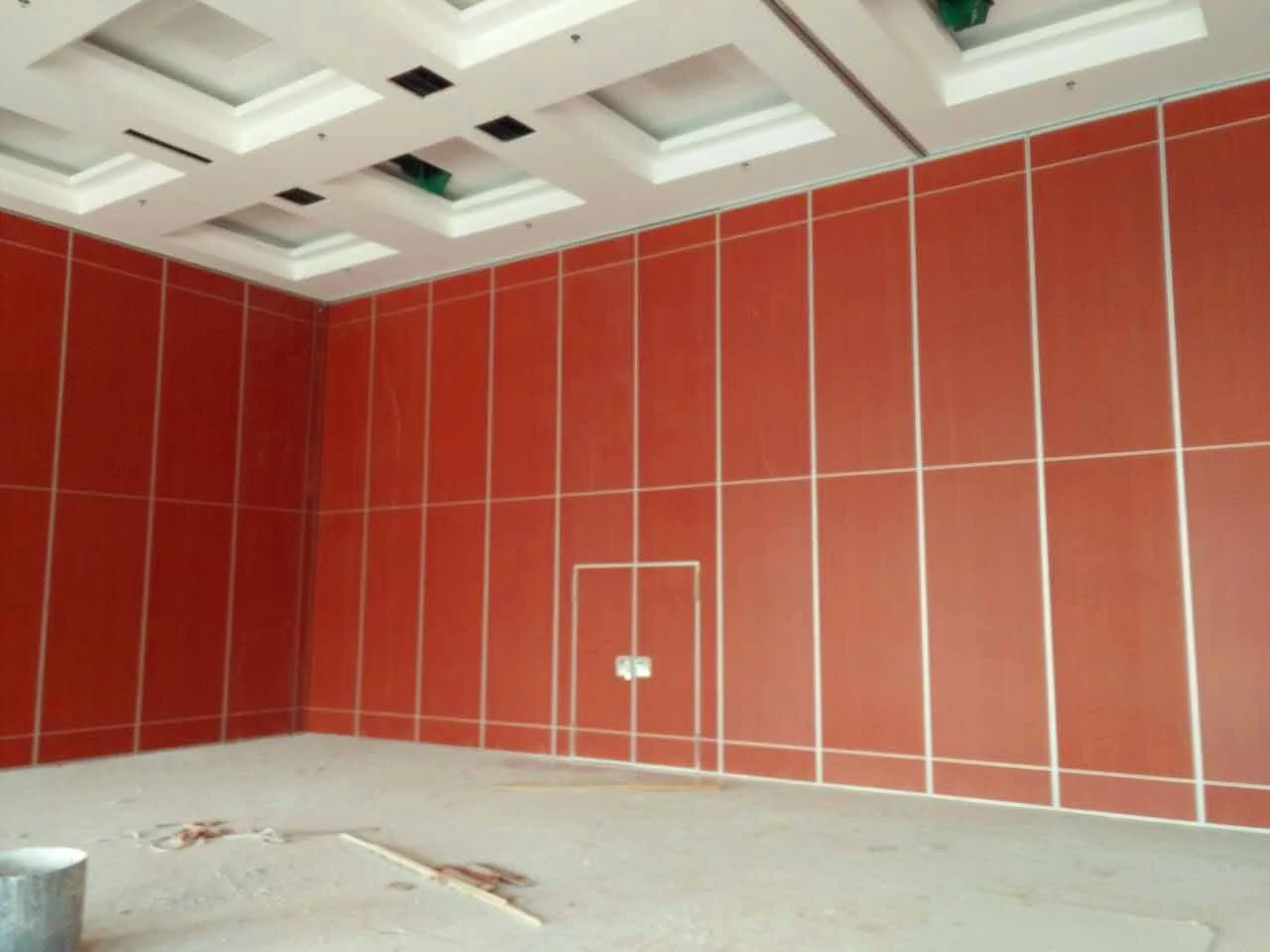
Visible references can support layout discussion but do not verify hidden construction or performance. Comparative, absolute and causal statements require matching evidence; otherwise state the project-specific confirmation boundary.
Where acoustic separation matters, confirm the project-specific requirement with the responsible acoustic consultant and review the supporting documentation.
The exact route, junction arrangement, continuous overhead path and parking position must be confirmed from the coordinated project drawings. Every proposed movement path requires a continuous connected overhead route and project-specific support review. This is a maintained boundary, not a limitation that can be resolved by sequencing alone.
Sequence the Release Without Overpromising
A workable skip pattern usually follows the movement paths that must stay available, then groups the remaining segments into packages that can be released without breaking those paths. The sequence should be reviewed whenever the layout, occupancy plan or parking strategy changes.
Decision checklist for each phase
- Is the overhead route for every approved movement still connected?
- Is the planned stacking position reachable in this phase?
- Are turning and stacking routes reviewed from the current layout?
- Are pass-door requirements and project documentation discussed with the project team?
- Are finish selections recorded against the approved schedule?
- Are support, acoustic and dimensional requirements confirmed for this phase?
This checklist is a coordination aid. It does not certify a phase as complete, and it does not replace project-specific engineering or design review.
Documentation That Supports a Skip-Pattern Release
Good documentation reduces the chance that a phase is released against an outdated assumption. The project team should be able to trace each released segment to a drawing revision, a movement path and a coordination decision. Where information is missing, record it as an open item rather than filling the gap with an assumed value.
Project documentation and pass-door requirements can be discussed with EBUNGE. For broader planning context, the resources page collects public guidance, and the movable walls product page describes the maintained product facts. Neither replaces project-specific review.
Frequently Asked Questions
What does skip pattern mean in a track zone release?
It means releasing alternating or non-adjacent overhead track segments rather than clearing one continuous strip. The pattern is a planning choice; it still must preserve a continuous connected overhead route for every approved panel movement.
Can panels move across a segment that has not been released?
No. Every proposed movement path requires a continuous connected overhead route and project-specific support review.
How should the team decide which segment to release first?
Start with the movement paths that must remain available, then group the remaining segments into packages that do not break those paths. Confirm the sequence against the current layout and drawing revision.
Does finish choice affect the phasing plan?
Finish choice is a project decision and should be recorded against the approved schedule. Confirmed options include laminate, melamine, fabric, leather, glass and other approved surfaces. Do not infer performance from a finish.
What should be confirmed before a phase is closed?
Confirm that the overhead route remains connected, the stacking position is reachable, pass-door requirements are discussed, and support, acoustic and dimensional requirements are reviewed for that phase.
Can EBUNGE confirm the sequence for my project?
Project-specific support, acoustic and dimensional requirements must be confirmed with the responsible design team. EBUNGE can discuss pass-door requirements and project documentation as part of that coordination.
Conclusion and Next Step
A renovation phasing skip pattern track zone release is manageable when the team treats the overhead route as the primary constraint. Review straight, turning and stacking routes from the layout, keep every movement path connected, and document each phase against a current drawing revision. Avoid inferring performance from visible features, and confirm project-specific support, acoustic and dimensional requirements before release.
To discuss your project documentation, pass-door requirements or coordination questions, contact EBUNGE and share the current layout for review.