
For overseas partition dealers, quoting on a movable partition wall project for a community center involves more than calculating square footage. The real risk lies in mismatched expectations—especially when the interior design demands specific finishes that must align with the overall aesthetic. A dealer who can streamline quotation readiness and reduce decision risk becomes a trusted advisor, not just a supplier. This article focuses on how to prepare a comprehensive, accurate proposal that addresses the buyer’s unspoken concerns, from acoustic performance to installation logistics, ensuring a smoother project outcome for all parties.
Direct Answer: To reduce risk in movable partition wall projects, overseas dealers must prioritize quotation readiness by gathering critical project data—opening size, acoustic target, finish preference, and drawings—and leverage factory-direct support for technical documentation and after-sales service. This approach minimizes mismatches, ensures cost accuracy, and builds buyer confidence.
Movable Partition Wall: Why Quotation Readiness Is Your First Line of Defense
When a community center project comes your way, the initial inquiry often lacks detail. The architect may specify a movable partition wall but leave finish choices open. If you submit a quote with assumptions, you risk either underquoting (and eating costs later) or overquoting (and losing the bid). Quotation readiness means you have a structured process to collect the right information before pricing. This includes the exact opening dimensions, the desired acoustic rating (e.g., STC or Rw), the finish material (vinyl, fabric, wood veneer, or glass), and the type of drawings available—2D or 3D. By asking these questions upfront, you signal professionalism and reduce the chance of costly change orders.
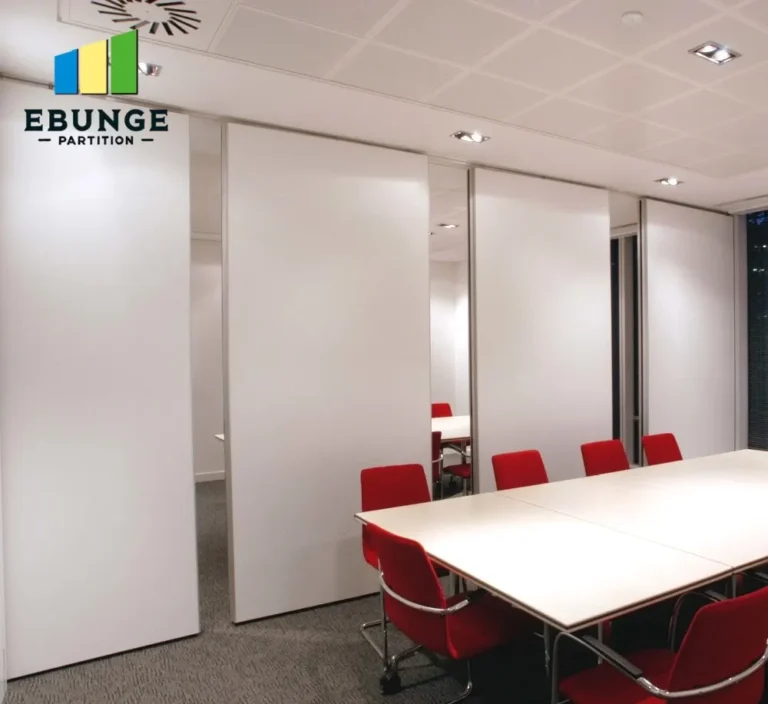
Need help turning the movable partition wall requirements into a practical project layout?
Supplier Credibility: How to Vet a Factory Without Visiting
Overseas dealers often cannot inspect factories in person, so credibility must be assessed remotely. Look for manufacturers that provide detailed technical documentation, including installation manuals, test reports, and material specifications. A factory that offers factory-direct support—meaning you can talk directly to engineers—demonstrates confidence in its product. Check for consistency in product quality by requesting samples or references from other overseas dealers. Avoid suppliers who are vague about lead times or warranty terms. A credible supplier will be transparent about what is included and what is not, such as delivery ex-works or CIF.
Acoustic Targets: Matching Performance to Community Center Needs
Community centers often host events, classes, and meetings simultaneously, so acoustic separation is critical. The acoustic target is usually specified in the project brief, but if it’s not, you must ask. A movable partition wall with a high STC rating may be overkill and expensive, while a lower rating could lead to complaints. Clarify the required acoustic performance in decibels and the testing standard (e.g., ASTM E90 or ISO 10140). Use this information to recommend a partition wall system that meets the target without unnecessary cost. Remember, acoustic performance is affected by perimeter sealing and installation quality, so ensure the factory provides detailed installation instructions to achieve the rated performance.
Finish Preferences: The Aesthetic Link to Interior Design
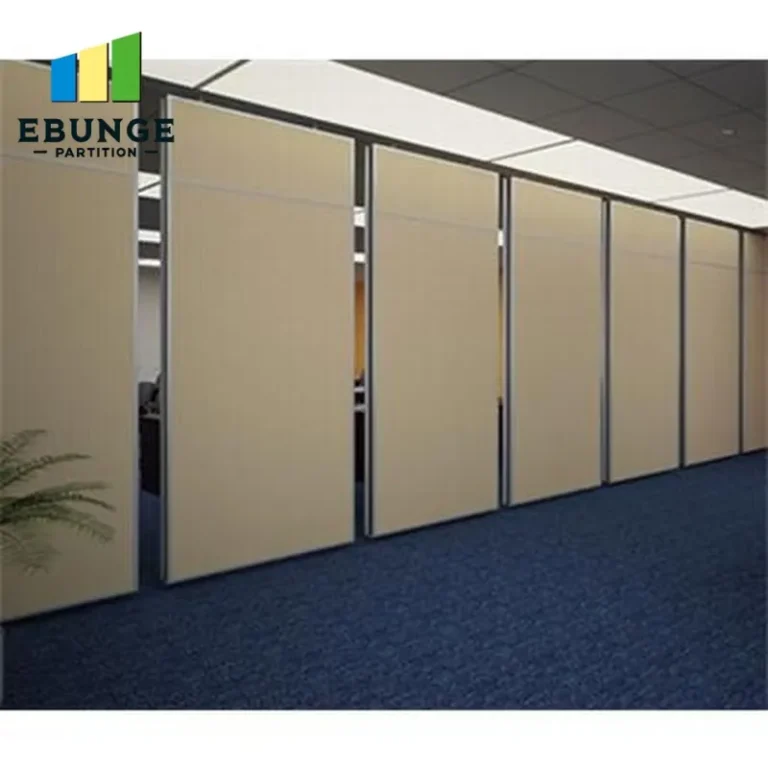
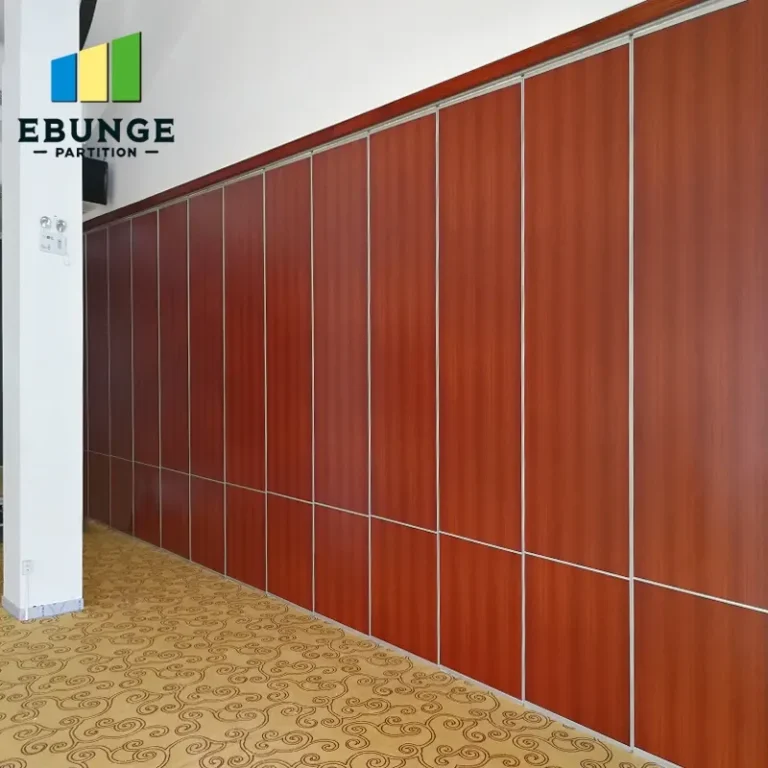
Finish is often the most visible aspect of a movable partition wall, and mismatches here are a top pain point. The interior designer may specify a particular wood grain, fabric color, or even a custom pattern. As a dealer, you need to confirm the finish preference early. Ask for a finish sample or a Pantone reference. Some factories offer a range of standard finishes, while others can do custom laminates or fabrics. The risk of shipping damage to finishes is real, so discuss packaging and handling with the supplier. A factory that offers protective film and edge protectors is a plus. Also, consider that on-site installation may scratch finishes; having touch-up kits or spare panels can be a selling point.
Technical Documentation: Why Drawings Matter More Than You Think
Accurate drawings are the backbone of a successful project. Without them, installation can go wrong, leading to delays and extra costs. Before quoting, request or provide the following: floor plans, elevation views, and section details of the partition area. The factory should be able to review these drawings and confirm that the movable partition wall system fits the opening, including header and floor conditions. A factory that offers drawing review services as part of its support is invaluable. This ensures that the track layout, stacking space, and panel sizes are feasible. If the project has unusual constraints, such as curved sections or limited headroom, the factory’s input can prevent costly mistakes.
Shipping Damage: Mitigation Strategies for Overseas Shipments
Shipping damage is a common concern, but it can be minimized with proper packing and insurance. Ask the factory about their export packaging standards. Typically, panels are wrapped in protective film, placed in crates, and secured with foam. Ensure that the crates are designed for the shipping method—sea freight, air freight, or rail. Also, clarify who is responsible for damage claims: the factory, the freight forwarder, or the dealer. A factory that provides photographic documentation of the packaging before shipment and clear instructions for inspection upon delivery reduces disputes. Consider requiring a pre-shipment inspection report from a third-party agency if the project value is high.
Share the opening, drawings, finish direction, and privacy target for a project-specific review.
Warranty Support and After-Sales Service: What to Look For
Warranty terms vary widely. Some factories offer a 1-year limited warranty, while others provide up to 10 years on mechanical components. As a dealer, you need to understand what is covered: parts, labor, or both? Is the warranty transferable to the end user? What is the process for filing a claim? A factory that has a local service network or can send spare parts quickly is preferable. For overseas dealers, after-sales support might include remote troubleshooting via video calls or providing replacement parts at no cost during the warranty period. Ensure that the warranty is documented in writing and that the factory honors it consistently.
Lead Time: Aligning Production with Project Schedules
Community center projects often have fixed opening dates, so lead time is critical. Confirm the factory’s production lead time, which may vary depending on the complexity of the order. A standard movable partition wall might take 4-6 weeks, while custom finishes could extend that. Also, consider shipping time and customs clearance. Build a realistic timeline with buffers for unexpected delays. A factory that offers a clear production schedule and updates you on progress is more reliable. Avoid suppliers who promise unrealistically short lead times without a proven track record.
Practical Checklist for Quotation Readiness
To ensure you have all the information needed for a risk-reduced quote, use this checklist:
- Opening size: width, height, and depth (including header space)
- Acoustic target: STC/Rw rating and testing standard
- Finish preference: material, color, and any custom requirements
- Drawings: floor plans, elevations, and sections (PDF or CAD)
- Project timeline: installation date and expected delivery
- Site conditions: floor flatness, ceiling height, and power availability
- Warranty expectations: duration and coverage
- After-sales support: spare parts availability and technical assistance
Having this checklist ready when you contact the factory will speed up the quotation process and demonstrate your professionalism.
Comparison: Factory-Direct Support vs. Trading Company
When sourcing movable partition walls, you may choose between a factory-direct supplier and a trading company. Here’s a quick comparison:
| Aspect | Factory-Direct | Trading Company |
|---|---|---|
| Technical documentation | Comprehensive, often with engineering review | May be limited or translated |
| Customization | High, as they control production | Depends on the manufacturer they work with |
| Lead time communication | Direct and transparent | May have delays in relay |
| After-sales support | Direct access to engineers | Indirect, slower response |
| Cost | Often lower (no middleman) | Higher due to commission |
For complex projects like community centers, factory-direct support can significantly reduce risk.
Conclusion: De-Risking Through Preparation
In the competitive world of overseas partition dealing, the movable partition wall projects that succeed are those where the dealer has minimized uncertainty. By focusing on quotation readiness—collecting accurate opening sizes, acoustic targets, finish preferences, and drawings—and leveraging factory-direct support, you can address buyer concerns proactively. This approach not only reduces the risk of costly mistakes but also positions you as a reliable partner. For more insights on movable partition wall installations, explore our blog and installation guides. If you have a project in mind, contact us to discuss how we can support your next bid.
Frequently Asked Questions
Q1: How do I determine the right acoustic rating for a community center movable partition wall?
Check the project specification for an STC or Rw target. If not specified, ask the architect or acoustician. Typically, community centers require a rating of 40-50 STC for general separation, but this can vary. Always confirm the testing standard to ensure compatibility.
Q2: What finish options are available for movable partition walls?
Common finishes include vinyl, fabric, wood veneer, laminate, and glass. Some factories offer custom colors or patterns. Request samples to verify color and texture match. For high-traffic areas, consider durable finishes like vinyl or laminate.
Q3: How can I ensure the factory provides accurate technical documentation?
Ask for installation manuals, product data sheets, and test reports. Verify that the documents are in your language or provide translations. A factory that offers drawing review services is a plus, as they can confirm fit and feasibility.
Q4: What should I do if the finish is damaged during shipping?
Document the damage with photos immediately. Notify the factory and freight forwarder within the claim period. Ensure the packaging is inspected before signing the delivery receipt. A factory that provides spare finish panels can expedite resolution.
Q5: How do I verify a supplier’s warranty claims?
Request a written warranty statement that outlines coverage, duration, and claim process. Check if the warranty is transferable. Look for reviews from other dealers or ask for references. A factory that has been in business for several years is more likely to honor warranties.
Send the opening size and drawings to discuss a differentiated movable partition wall solution.