
Quick answer: tender clarification log
Review focus: tender clarification log.
After tender returns are in, the real work often begins: reconciling assumptions, drawings and scope notes before a movable partition package is released. A movable partition post-tender clarification log procurement process gives every open question a home, an owner and a closure route. It is not a substitute for project-specific engineering or acoustic review. It is a controlled record that helps contractors, architects, designers, owners and distributors keep decisions visible and traceable.
This guide explains how to set up and run that log using maintained product facts and clear evidence boundaries. Named venues such as hotels, schools, offices or conference rooms are examples only; the same coordination approach can apply wherever flexible spatial division, combination or reconfiguration is required.
Why a Clarification Log Matters After Tender
Project review term: tender clarification log.
Tender documents rarely capture every interface detail. A clarification log records what was asked, what was answered, what remains open and who must confirm it. For movable partitions, the critical items often involve route geometry, parking position, finish selection and pass-door requirements. Without a log, these items can be lost in email threads or assumed to be included when they are not.
The log also protects the project from hidden assumptions. A drawing may show a partition line, but it may not show how panels travel, where they stack or how the overhead route is supported. The log should flag these as project-specific items to confirm, not as implied performance.
Core Principles for an Evidence-Bounded Log
Coordination scope: tender clarification log.
Every entry should be tied to a document, a drawing or a written question. Avoid conclusions that are not supported by the tender package or by confirmed product facts. If a statement cannot be verified, mark it as open and assign a reviewer.
- Traceability: link each clarification to a drawing number, specification clause or meeting minute.
- Ownership: name the person responsible for closing each item.
- Status: use simple states such as open, answered, pending confirmation or closed.
- Evidence boundary: note when an answer depends on project-specific support, acoustic or dimensional review.
- Version control: keep the log dated and avoid overwriting earlier entries.
Setting Up the Log Structure
Checklist focus: tender clarification log.
A practical log can be a spreadsheet or a controlled document. The structure matters less than consistency. Include columns for item number, date raised, raised by, topic, question, response, responsible party, due date and status. Panel handling and the operating sequence must be confirmed for the selected layout and project conditions.
Suggested columns
| Column | Purpose |
|---|---|
| Item number | Unique reference for tracking |
| Topic | Route, parking, finish, pass-door, documentation |
| Question | Clear, specific query |
| Response | Answer or confirmation boundary |
| Owner | Person responsible for closure |
| Status | Open, answered, pending, closed |
The exact overhead route and support arrangement must be confirmed by the responsible project team from coordinated drawings. Avoid turning it into a general discussion forum.
What to Clarify in a Movable Partition Package
Review focus: tender clarification log.
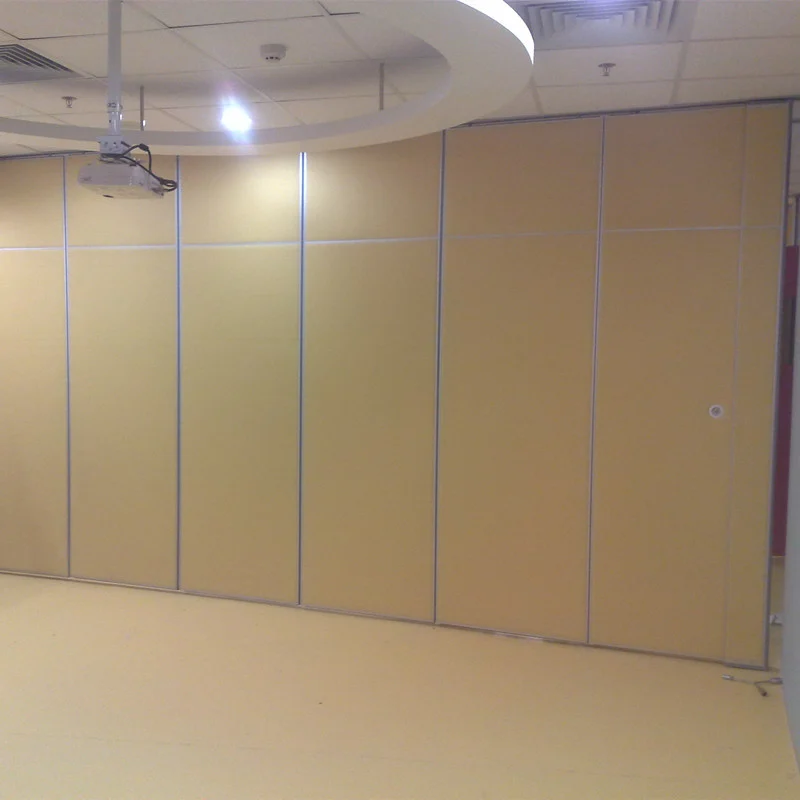
Movable wall panels are individually movable, suspended from a top track, cross the opening without a floor track and park at a planned stacking position. Straight, turning and stacking routes are reviewed from the layout. These facts shape the questions that belong in the log.
Route and parking questions
Ask whether the proposed movement path is straight, turning or requires a stacking route. Confirm that every proposed path has a continuous connected overhead route and that support conditions are reviewed for the project. Parking style is customized to the layout and project requirements, and compact stacking may be possible when the coordinated design permits it. The exact route, junction arrangement, continuous overhead path and parking position must be confirmed from the coordinated project drawings.
Finish and pass-door questions
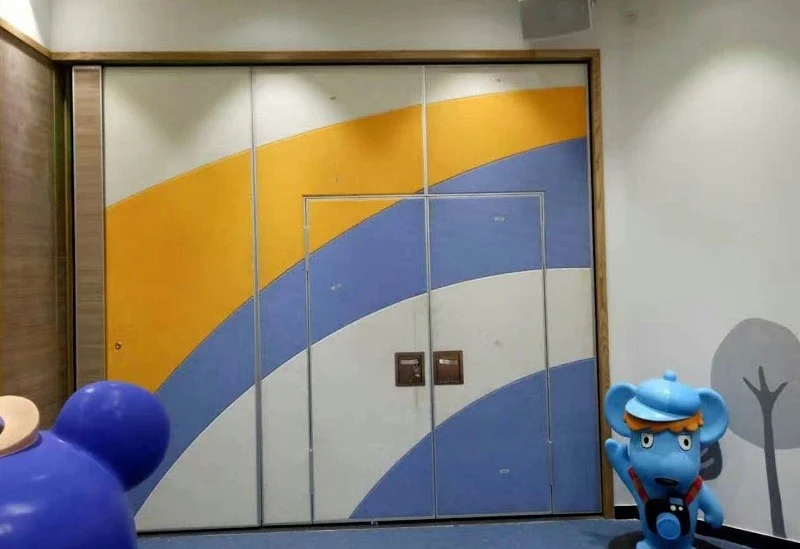
Confirmed finish options include laminate, melamine, fabric, leather, glass and other approved surfaces. Clarify which finishes are required, where they apply and whether any special edge or interface details need review. Pass-door requirements and project documentation can be discussed with the supplier. Record these as open items until confirmed in writing.
Acoustic and dimensional questions
The suitability of each route and parking arrangement depends on the approved layout, circulation, ceiling interfaces and operating sequence. Do not reduce them to a simple number. Visible references can support layout discussion but do not verify hidden construction or performance.
Running the Log During Procurement
Set a regular review rhythm. A weekly or biweekly call can keep items moving, but the log should be updated as answers arrive. Assign a log owner, often a project engineer, procurement lead or design coordinator. That person checks that every response is recorded and that open items are escalated before they affect the programme.
- Raise items as soon as they are identified.
- Assign an owner and a due date.
- Record responses with the date and source.
- Mark items that need project-specific confirmation.
- Close only when the answer is documented and accepted.
- Review the log before any package release or order confirmation.
Use the log to separate confirmed product facts from project-specific requirements. For example, the fact that panels are top-hung and move without a continuous floor running track is a maintained product fact.
Common Pitfalls and How to Avoid Them
One common pitfall is treating a verbal answer as closed. Another is allowing the log to become a place for performance claims that have no supporting evidence. Avoid both by requiring written responses and by marking any statement that depends on project-specific support, acoustic or dimensional review.
If a question cannot be answered with maintained facts, record it as pending and direct it to the appropriate reviewer.
Closing the Log Before Release
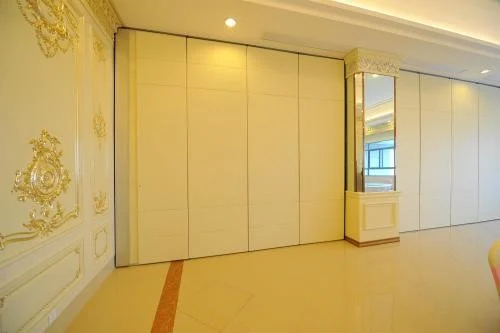
Before the package moves to order or installation planning, review the log for open items. Confirm that route, parking, finish, pass-door and documentation questions have been addressed. Check that any remaining items are clearly marked as project-specific and assigned to a responsible party.
The log should also capture any agreed changes to the tender scope. This helps avoid disputes later and gives the project team a single reference for what was clarified. Keep the final version with the project documentation.
Frequently Asked Questions
What is a post-tender clarification log?
It is a controlled record of questions, answers and open items that arise after tender returns. It helps project teams track decisions and confirm project-specific requirements before release.
Who should own the clarification log?
A project engineer, procurement lead or design coordinator can own it. The key is to have one person responsible for updating entries and chasing closures.
Can the log include acoustic requirements?
Any acoustic requirement needs project-specific confirmation.
How do we handle finish selections in the log?
Record the required finish options, such as laminate, melamine, fabric, leather, glass or other approved surfaces, and confirm where each applies. Mark any unresolved finish as open.
What about pass-doors and documentation?
Pass-door requirements and project documentation can be discussed with the supplier. Record the outcome in the log and confirm it in writing.
When should the log be closed?
Close it before package release or order confirmation, ensuring all open items are either resolved or clearly assigned for project-specific review.
Conclusion and Next Steps
A post-tender clarification log keeps movable partition procurement transparent and evidence-based. It helps teams avoid assumptions about routes, parking, finishes, pass-doors and acoustic requirements. Use maintained product facts, mark project-specific items clearly and confirm support, acoustic and dimensional requirements for each project.
To discuss your project documentation or review requirements, contact EBUNGE. You can also explore movable walls and our resources for further planning context.