
Quick answer: changeover ambulant route obstruction clearance
Review focus: changeover ambulant route obstruction clearance.
Every time a movable partition is reconfigured, the room changes and so does the route people use to move through it. A movable partition post-changeover ambulant route obstruction clearance sweep is the short, repeatable inspection that confirms the walking route is genuinely back in service before the space is handed over. The suitability of each route and parking arrangement depends on the approved layout, circulation, ceiling interfaces and operating sequence. It simply verifies what can be seen and measured after the panels have been moved and parked.
This article sets out a sequence facility teams can adopt, adapt and record. It assumes the partition is top-hung, travels on a continuous overhead route and parks at a planned stacking position. Every clearance dimension, support condition and acoustic requirement still needs project-specific confirmation from the drawings and the responsible design team.
Why a Post-Changeover Sweep Matters
Project review term: changeover ambulant route obstruction clearance.
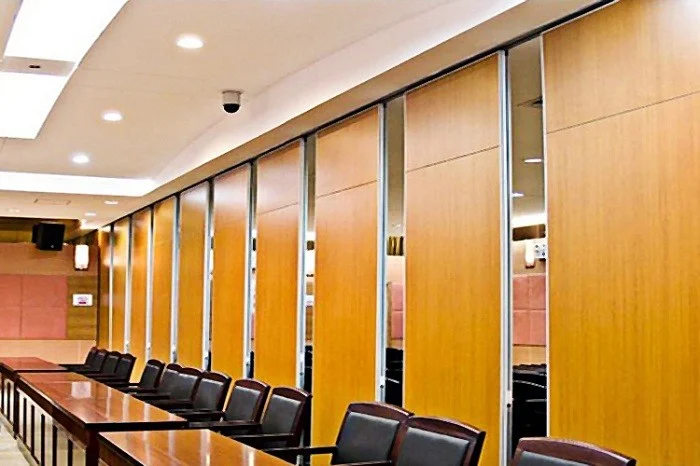
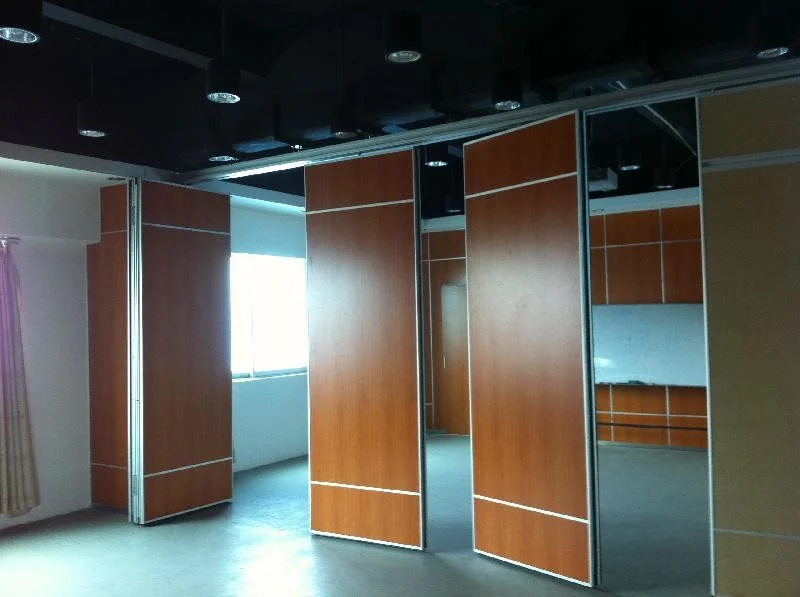
Movable partitions are individually movable and suspended from a top track. They cross the opening without a floor track, which keeps the floor clear during normal use. That clear-floor benefit is exactly why the post-changeover check matters: once panels are parked, the only thing standing between a clear route and a blocked one is whether the stacking position and the surrounding circulation space were actually reinstated.
Assumed clearance is the most common failure. A team remembers the route as clear, or trusts that the last configuration was fine, and signs off without walking it. The sweep replaces memory with observation.
What the Sweep Can and Cannot Confirm
Coordination scope: changeover ambulant route obstruction clearance.
The sweep is an evidence-bounded activity. It confirms visible route conditions at the time of inspection.
| Can be observed and recorded | Requires separate project evidence |
|---|---|
| Whether the walking route is physically clear | Required clear width for the project |
| Whether panels sit at the planned stacking position | Structural support of the overhead route |
| Whether the overhead route appears continuous | Acoustic performance of the closed assembly |
| Whether finishes and edges are visibly intact | Fire, load and durability performance |
Treat any acoustic expectation as a project-specific question for the design team.
The Reinstatement Sign-Off Sequence
Checklist focus: changeover ambulant route obstruction clearance.
Use the same order every time so that a missed step is obvious. The sequence below is a coordination tool, not an engineering method.
- Confirm the configuration. Check the room against the agreed layout drawing before inspecting anything.
- Walk the full route. Start at one end of the intended ambulant route and walk it to the other, at normal pace.
- Inspect the stacking position. Confirm panels are parked where the layout shows they should be, not merely out of the way.
- Check the overhead route visually. Look along the track line for anything that appears discontinuous or obstructed.
- Record obstructions. Note anything projecting into the route, including furniture, signage, equipment or temporary items.
- Clear and re-walk. Remove movable obstructions and repeat the walk before recording a result.
- Sign off or escalate. Sign only what was observed. Escalate anything requiring design confirmation.
Evidence Note
Record the date, the configuration, who walked the route and what was seen. Do not record acoustic, structural or compliance conclusions that were not part of the inspection. If a drawing dimension is needed to judge the route, the sweep has reached its limit and the question goes to the design team.
Common Obstruction Sources After Changeover
Review focus: changeover ambulant route obstruction clearance.
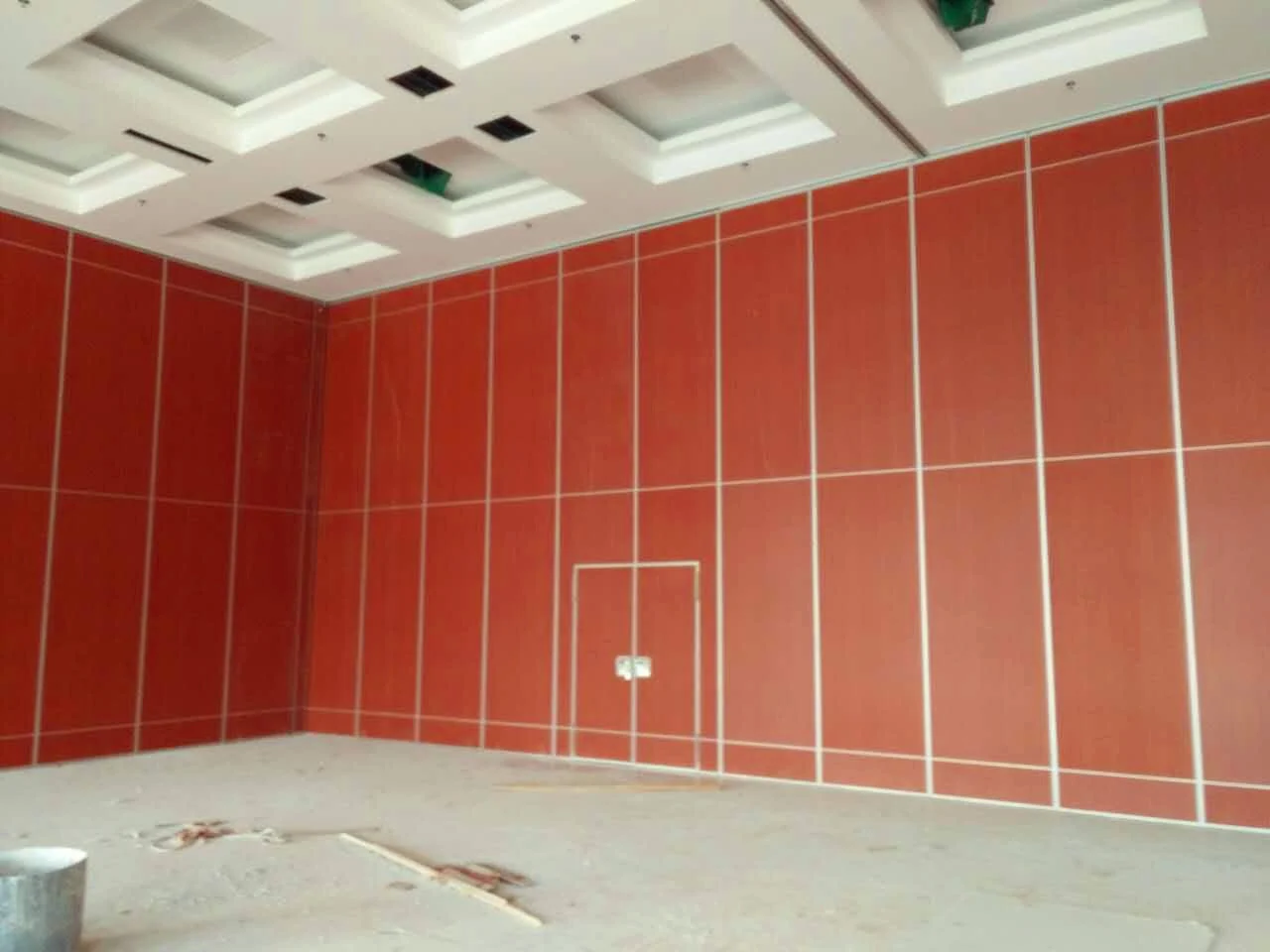
Most obstructions are ordinary and predictable. They appear because the room is used differently after reconfiguration, not because the partition failed.
- Furniture repositioned for the new layout and left in the route.
- Temporary signage, lecterns or catering tables placed near the opening.
- Storage items pushed toward the stacking position because it looks like free space.
- Service equipment or cabling routed across the walking line.
- Waste bins or cleaning carts parked against the parked panels.
None of these require engineering judgement to identify. They require someone to walk the route and look.
Coordinating the Sweep With Project Drawings
Project review term: changeover ambulant route obstruction clearance.
Straight, turning and stacking routes are reviewed from the layout, so the layout is the reference point for the inspection. The exact route, junction arrangement, continuous overhead path and parking position must be confirmed from the coordinated project drawings.
Where pass-door requirements exist, confirm them with the project team rather than assuming a position. Project documentation can be discussed with the supplier so that the sweep checklist reflects the agreed configuration. The goal is a checklist that matches the drawings, not a generic form.
Decision Checklist for Facility Teams
- Is the current configuration the one shown on the approved layout?
- Has the full ambulant route been walked, not just the opening?
- Are panels at the planned stacking position?
- Is the overhead route visibly continuous along the movement path?
- Have movable obstructions been removed and the route re-walked?
- Are any unresolved items clearly flagged for design confirmation?
Handover Records and Repeatability
A sweep is only useful if it can be repeated and compared. Keep the record short and factual: configuration, date, route walked, observations, actions taken and items escalated. Avoid language that implies performance was verified when only visible conditions were checked.
When the same sequence is used after every changeover, patterns become visible. A route that is repeatedly obstructed by the same furniture is a layout coordination issue, not a partition issue, and it can be raised with the design team using the records.
Frequently Asked Questions
How often should the sweep be carried out?
After every reconfiguration that changes the room layout or the position of parked panels. The sweep is tied to changeover, not to a calendar.
Does the sweep replace a design review?
No. It confirms visible route conditions at the time of inspection. Required clear widths, support conditions and acoustic requirements remain project-specific design questions.
Can the sweep confirm acoustic performance?
No. Acoustic expectations should be confirmed with the project team against the specific assembly and room.
What if the stacking position looks clear but the drawing shows otherwise?
Follow the drawing and escalate. The sweep records what is seen; the layout defines what is intended.
Who should sign off?
A person who walked the route and can record observations accurately. Sign only what was observed, and escalate anything requiring engineering or acoustic confirmation.
Does the sweep apply to every venue type?
Yes, wherever flexible division or reconfiguration is used. Named venues are examples only and do not limit other suitable applications.
Conclusion and Next Step
A post-changeover sweep is a small discipline that protects a large benefit. By walking the route, checking the stacking position and recording only what was observed, facility teams can confirm that ambulant circulation is genuinely reinstated after each reconfiguration. Keep the sequence consistent, keep the records factual, and route every performance question to the project team.
To review layout routes, finish options such as laminate, melamine, fabric, leather or glass, and pass-door requirements for your project, contact the EBUNGE team. You can also review the movable wall systems and browse the project resources before your next coordination meeting.