
Quick answer: track fixing method statement
Review focus: track fixing method statement.
In a movable partition package, the partition tender track fixing method statement returnable schedule comparison is where commercial review meets technical evidence. Bidders describe how they intend to fix the top track; the tender returnable schedule defines what they must submit for that description to be assessed. When the two documents are read together, reviewers can see whether a bidder has answered the actual scope or only restated a generic approach.
This article offers an evidence-bounded framework for overseas contractors, architects, interior designers, owners, renovation teams and distributors. The suitability of each route and parking arrangement depends on the approved layout, circulation, ceiling interfaces and operating sequence. Every project still requires confirmation of support conditions, movement routes and performance requirements against the specific drawings.
Why the Method Statement and Returnable Schedule Must Be Read Together
Project review term: track fixing method statement.
A method statement explains sequence, interfaces and responsibilities. A returnable schedule lists the documents, calculations, drawings and confirmations a bidder must provide. Separately, each can look complete. Together, they reveal whether the bidder has committed to verifiable information or left critical items as assumptions.
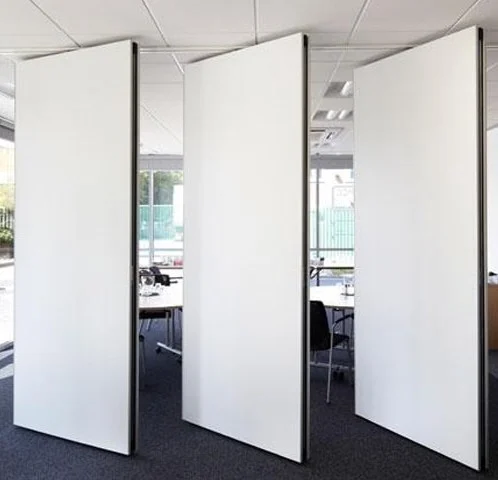
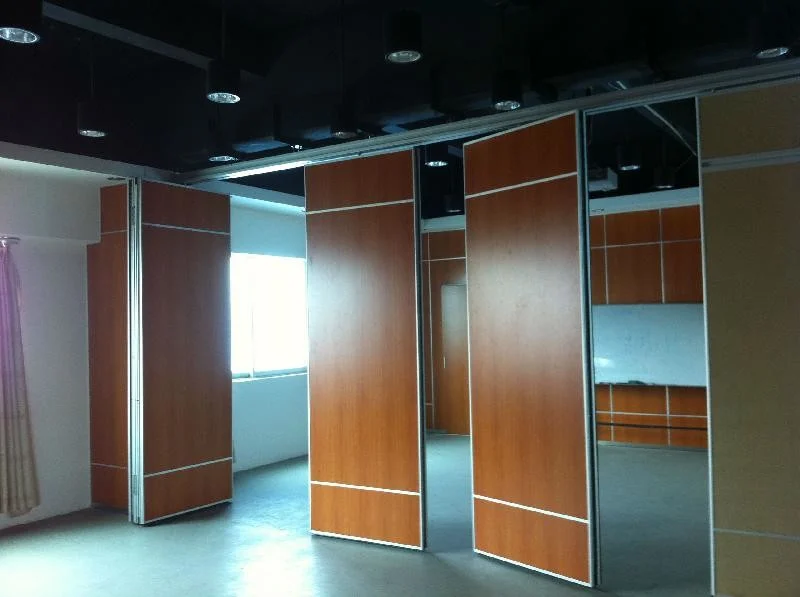
For top-hung movable partitions, panels are individually movable, suspended from a top track, cross the opening without a floor track, and park at a planned stacking position. The method statement should therefore address the overhead route and its supporting structure, not just the panel face finish. The returnable schedule should require evidence that those interfaces have been considered.
What the tender documents should establish
- The extent of the opening and the planned parking position.
- Whether the movement route is straight, turning or a combination.
- Who is responsible for confirming the supporting structure above the track.
- Which finish options are being priced and how they are referenced.
- Whether a pass-door is required and how it is documented.
Building a Comparison Matrix for Bidder Submissions
Coordination scope: track fixing method statement.
A comparison matrix turns narrative method statements into checkable rows. It also prevents reviewers from rewarding a well-written paragraph that does not answer the returnable requirement. The matrix should be completed by the same reviewer or panel for every bidder, using the tender documents as the reference point.
| Review area | Method statement question | Returnable schedule evidence |
|---|---|---|
| Track route | Does the bidder describe the full overhead route from opening to parking position? | Marked-up layout drawing showing straight, turning and stacking routes. |
| Support interface | Does the bidder identify what must be confirmed above the track? | Written confirmation of the project-specific support review responsibility. |
| Finish scope | Are laminate, melamine, fabric, leather, glass or other approved surfaces clearly referenced? | Finish schedule cross-referenced to the tender returnable list. |
| Pass-door | Is the pass-door requirement described and located? | Drawing or schedule entry confirming the pass-door requirement. |
| Documentation | Does the bidder list the documents they will provide? | Returnable schedule signed and dated with each item addressed. |
This matrix is not a scoring system by itself. It is a way to expose gaps before commercial comparison begins. Where a bidder has not addressed a row, the reviewer should record the omission rather than infer a solution.
Checking Track Fixing Statements Against Drawing Reality
Checklist focus: track fixing method statement.
The tender drawings show whether that principle is achievable in the actual location.
If the method statement does not identify the support condition, the correct action is to request clarification or mark it as a project-specific confirmation item.
Evidence note: what a method statement cannot prove
A method statement is a statement of intent. It does not prove that the supporting structure is adequate, that the movement route is continuous, or that the installed partition will meet a project-specific acoustic requirement. Those items require separate, project-specific confirmation.
Coordinating Procurement and Tender Review Across Disciplines
Early cross-discipline review reduces the risk of awarding on an incomplete basis.
Assign one reviewer to maintain the comparison matrix and log every clarification request. This creates an audit trail showing what was asked, what was answered and what remains open. It also prevents different reviewers from applying different assumptions to different bidders.
Questions to route to the project design team
- Is the overhead route continuous from the opening to the planned parking position?
- Has the supporting structure above the track been reviewed for the project-specific condition?
- Are the finish options and pass-door requirements clearly scheduled?
- Does the tender returnable schedule require the bidder to confirm interfaces rather than assume them?
- Are acoustic requirements expressed as project-specific criteria rather than general statements?
Common Comparison Errors and How to Avoid Them
One common error is treating a polished method statement as evidence of compliance. Another is comparing bidders against each other instead of against the tender returnable schedule. A third is allowing a bidder to leave support, route or finish items unresolved while still being ranked as complete.
To avoid these errors, score only against the published returnable requirements. Record omissions as omissions. Where a bidder proposes an alternative, require it to be documented and reviewed against the same project-specific criteria.
Documentation and Clarification Workflow
A simple workflow keeps the comparison fair. First, issue the returnable schedule with the tender. Second, receive bids and log each submission against the matrix. Third, issue clarification requests for missing or ambiguous items. Fourth, review responses with the same discipline as the original bid. Fifth, record the final position before commercial evaluation.
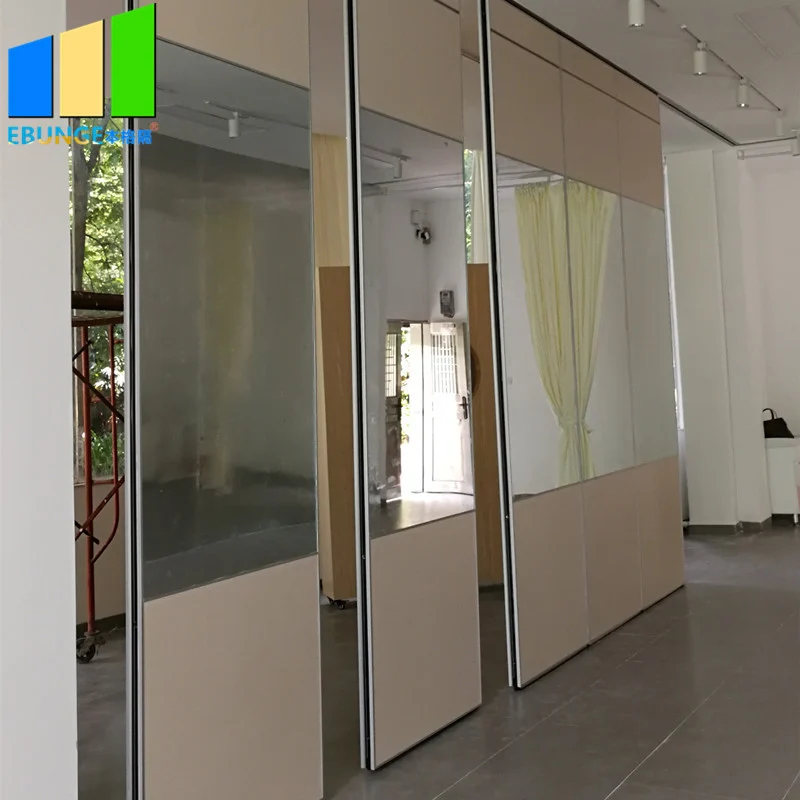
For movable partition packages, the method statement should also confirm that panels park at a planned stacking position and that the movement route has been reviewed from the layout. If a bidder cannot show this, the returnable schedule has not been fully answered.
Frequently Asked Questions
What is the main purpose of comparing a track fixing method statement with a returnable schedule?
The comparison checks whether the bidder’s stated approach is supported by the documents the tender requires. It exposes gaps between intent and evidence before commercial evaluation.
Can a method statement confirm that the supporting structure is adequate?
No. A method statement describes intent. Supporting structure adequacy requires project-specific review and confirmation by the responsible design team.
How should acoustic requirements be handled in the comparison?
Acoustic requirements should be expressed as project-specific criteria.
What if a bidder proposes a different track fixing approach?
Require the alternative to be documented and reviewed against the same returnable schedule and project-specific criteria. Do not accept it solely because it is presented as equivalent.
Does the comparison apply only to one type of venue?
No. The framework applies wherever flexible spatial division, combination or reconfiguration is required. Named venues are examples only and do not limit other suitable applications.
When should the project team request EBUNGE input?
Project teams can discuss pass-door requirements, finish options and project documentation with EBUNGE. Early contact helps align the tender returnable schedule with the information needed for review.
Conclusion and Next Steps
A disciplined partition tender track fixing method statement returnable schedule comparison protects the project from awarding on incomplete information.
To discuss your movable partition tender, finish options, pass-door requirements or documentation needs, contact EBUNGE. You can also review the movable partition wall product page and the resources section before finalising your returnable schedule.