
Quick answer: tender returnable completeness check
Review focus: tender returnable completeness check.
A partition tender returnable completeness check bid opening is the last controlled moment before commercial offers become visible. If a returnable is missing, ambiguous or internally inconsistent, every bidder prices a different scope. This guide gives overseas contractors, architects, interior designers, owners, renovation teams and distributors a repeatable method for checking returnables without inventing performance, engineering or commercial conclusions. It focuses on what can be verified from the documents themselves and on where project-specific confirmation is still required.
Why a Completeness Check Matters Before Bids Are Opened
Project review term: tender returnable completeness check.
Bid opening is a one-way gate. Once offers are opened, adding a missing drawing or clarifying a finish schedule can create unequal treatment between bidders. A completeness check protects the process by confirming that every bidder receives the same information set and that the information set is internally consistent.
The check is not a technical approval. It is a document-control step. It asks whether the returnable package is complete enough for bidders to price the same scope, and whether any gaps are clearly flagged for later project-specific confirmation.
What the check can and cannot prove
It can prove that a document exists, that a revision is current and that a schedule references the same room names as the drawings. The exact overhead route and support arrangement must be confirmed by the responsible project team from coordinated drawings. Those require matching project evidence and specialist review.
Build the Returnable Register Before Reviewing Content
Coordination scope: tender returnable completeness check.
Start with a register, not a folder. A register forces the team to name each returnable, assign an owner and record its status. Without it, completeness becomes a matter of memory.
- List every document the tender requires, including drawings, schedules, specifications, forms and declarations.
- Record the required revision, issue date and format for each item.
- Assign a single owner for each returnable and a reviewer who is not the author.
- Mark each item as received, missing, superseded or requiring clarification.
- Log every query with a reference number so answers can be traced to the bid opening record.
Separate mandatory returnables from informative documents
Mandatory returnables affect price or compliance. Informative documents support understanding but do not change the offer. Mixing them causes bidders to treat optional material as binding, or to ignore a document that should have been priced.
Drawing and Route Review for Movable Partition Scope
Checklist focus: tender returnable completeness check.
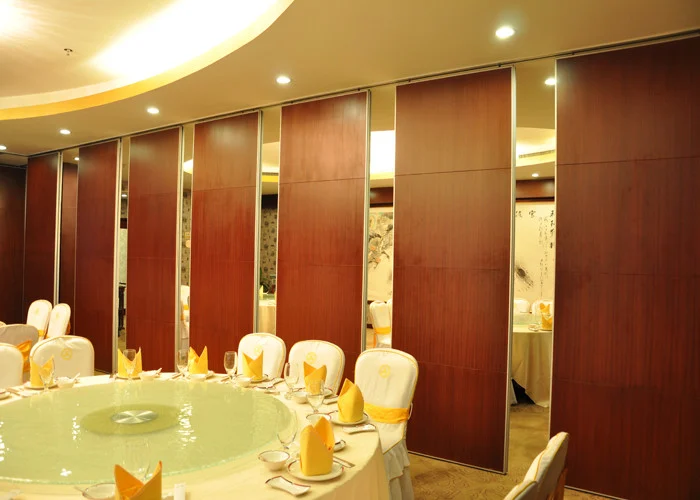
For movable partition scope, the layout drives the commercial and technical questions. EBUNGE movable wall panels are individually movable, suspended from a top track, cross the opening without a floor track and park at a planned stacking position. Straight, turning and stacking routes are reviewed from the layout.
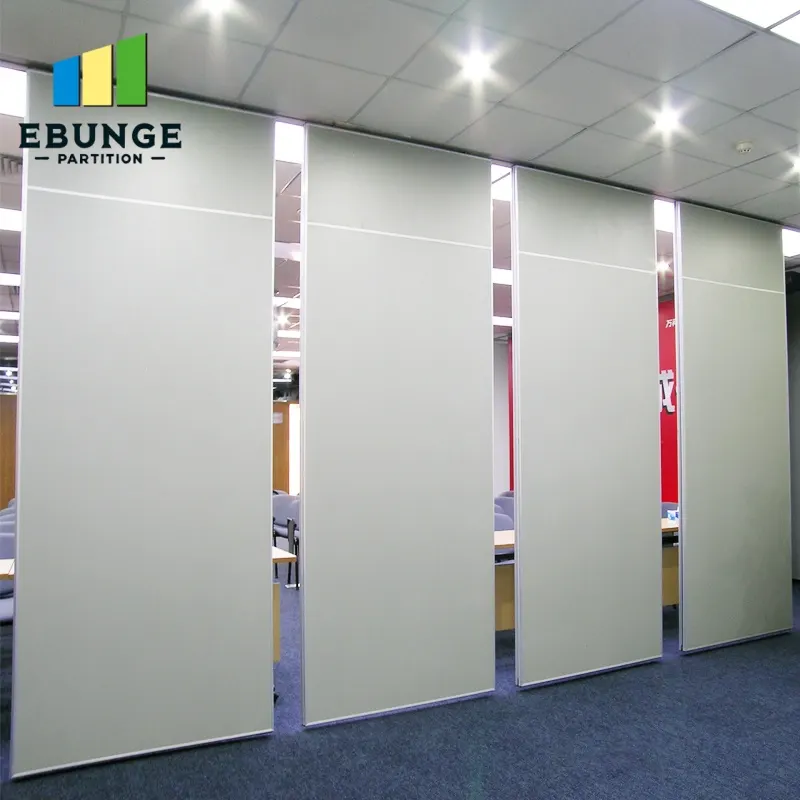
This means the returnable check should confirm that the drawings show a continuous connected overhead route for every proposed movement path. The exact route, junction arrangement, continuous overhead path and parking position must be confirmed from the coordinated project drawings.
Questions to ask of the drawing set
- Does the plan show the opening, the parking position and the full travel path?
- Are turning or stacking routes drawn clearly enough to be priced?
- Are adjacent walls, ceilings and services shown where they affect the route?
- Is the relationship between the partition line and the finished floor level indicated?
- Are pass-door requirements identified where they affect the layout?
Finish Schedule and Specification Consistency
Review focus: tender returnable completeness check.
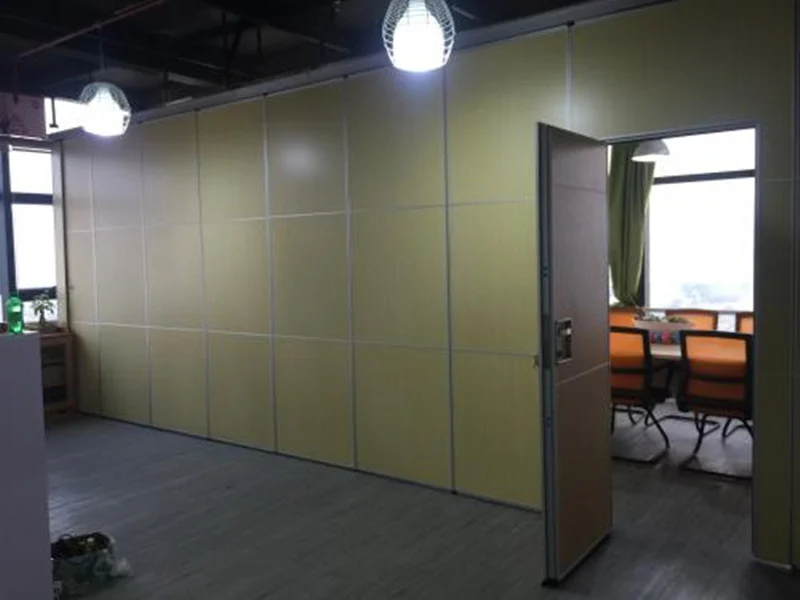
Finish information is a common source of bid variance. Confirmed EBUNGE finish options include laminate, melamine, fabric, leather, glass and other approved surfaces. The returnable check should confirm that the finish schedule names the surface for each area and that the specification does not contradict the drawings.
The suitability of each route and parking arrangement depends on the approved layout, circulation, ceiling interfaces and operating sequence. If a bidder needs to know how a finish behaves in a specific environment, that question should be raised as a clarification rather than inferred from a sample or photograph.
Compact comparison for review focus
| Returnable area | What to verify | Evidence boundary |
|---|---|---|
| Layout drawings | Opening, travel path and parking position shown | Support and structural capacity require project-specific review |
| Finish schedule | Surface named per area and consistent with specification | Cleaning, durability and performance are not implied |
| Acoustic requirements | Requirement stated as a project target, not a generic claim | STC and Rw are rating concepts, not a direct count of decibels |
| Pass-door needs | Location and requirement identified where relevant | Configuration and hardware require confirmation |
Acoustic and Sealing Language in the Tender
Project review term: tender returnable completeness check.
Acoustic requirements are often written as a single number without context. A tender should state the project requirement, the test standard referenced and the conditions under which it is expected to apply.
If the specification is silent on a critical acoustic interface, raise a clarification and record the answer before bid opening.
Evidence note
Confirm project-specific support, acoustic and dimensional requirements with the responsible design team before treating any returnable as complete. A document can be present and still require clarification.
Running the Check as a Timed Process
Set a cut-off, run the register, and issue clarifications in a controlled batch.
- Freeze the returnable register at a stated date and time.
- Run a first pass for existence and revision status.
- Run a second pass for internal consistency between drawings, schedules and specifications.
- Log clarifications with owners and response deadlines.
- Issue a single consolidated clarification set to all bidders.
- Confirm that the bid opening record includes the final returnable status.
Coordination between disciplines
Procurement and Tender Review coordination should include the design lead, the commercial lead and the person responsible for the partition scope. Each brings a different failure mode: missing documents, inconsistent scope and unbuildable routes. The check is stronger when all three sign the register.
Common Gaps That Delay Bid Opening
Most delays come from a small set of recurring gaps. Naming them in advance helps the team prepare.
- Drawings issued at different revisions without a clear revision index.
- Finish schedules that reference room names not used on the plans.
- Acoustic requirements stated without a standard or condition.
- Movement routes shown without a continuous connected overhead path.
- Pass-door requirements mentioned in one document but absent from the layout.
- Clarification answers issued to one bidder rather than all.
Frequently Asked Questions
What is a partition tender returnable completeness check?
It is a document-control review that confirms every required returnable is present, current and internally consistent before bids are opened. It does not approve technical performance.
Does the check replace technical review of the partition scope?
No. It confirms that the information set is complete enough to price. Technical review of support, acoustic and dimensional requirements remains a separate, project-specific step.
How should acoustic requirements be described in the tender?
State the project requirement, the referenced standard and the conditions.
What should be checked on the layout drawings?
Confirm the opening, the travel path, the parking position and any turning or stacking routes. Every proposed movement path needs a continuous connected overhead route and project-specific support review.
Can finish options be confirmed from the tender documents alone?
Confirmed options include laminate, melamine, fabric, leather, glass and other approved surfaces. A finish name does not by itself confirm cleaning compatibility or performance in a specific environment.
When should clarifications be issued?
Issue one consolidated clarification set to all bidders before bid opening, with reference numbers and a recorded response deadline.
Conclusion and Next Step
A disciplined returnable check keeps the bid opening fair and reduces post-tender disputes. Build the register, verify drawings and schedules, keep acoustic language conceptual, and record every clarification. Where the partition scope involves movable walls, review the movable wall product context and the project resources before finalising the returnable list.
If your team needs to discuss pass-door requirements, project documentation or layout-specific questions, contact EBUNGE to confirm the project-specific support, acoustic and dimensional requirements before bid opening.