
Quick project answer
Review focus: tender query escalation path.
A partition tender query escalation path is the agreed route a question follows from site or design team to the party able to answer it before bid clarification closes. Without that route, queries stall in inboxes, assumptions replace evidence, and bids return with unresolved scope. This guide sets out a structured, evidence-bounded approach for contractors, architects, interior designers, owners and renovation teams coordinating movable partition packages.
The goal is not to force every question upward. It is to make ownership, timing and evidence visible so that each query reaches the right reviewer with the right drawing or document attached. Confirm all project-specific support, acoustic and dimensional requirements with the responsible design and engineering parties.
Why a Tender Query Escalation Path Matters for Partition Packages
Project review term: tender query escalation path.
Movable partition packages touch architecture, structure, finishes, acoustics and operations. A query about stacking position may depend on a layout drawing; a query about finish may depend on an approved sample schedule. When these questions are handled ad hoc, bid clarification becomes a second round of discovery rather than a confirmation stage.
A defined escalation path keeps the tender comparable. It also protects the project from unsupported assumptions about performance, support or dimensional fit. The path should be documented in the tender instructions and referenced in every query log.
What the path should control
- Who receives a query first and who owns the response.
- What evidence must accompany a query before it escalates.
- How long each level has to respond before the next level is triggered.
- How answers are recorded and issued to all bidders.
Map Query Types Before You Map People
Coordination scope: tender query escalation path.
Different questions need different reviewers. Start by grouping likely queries into categories, then assign an owner and an evidence requirement to each. This prevents technical questions from being answered by commercial reviewers, or vice versa.
Common partition query categories
| Query type | Typical owner | Evidence to attach |
|---|---|---|
| Layout and movement route | Architect or design lead | Current floor plan showing straight, turning and stacking routes |
| Finish and surface | Interior designer or owner | Approved finish schedule or sample reference |
| Pass-door requirement | Design lead with operations input | Door location and usage note on the drawing |
| Acoustic intent | Acoustic consultant or design lead | Project acoustic brief and room use statement |
| Documentation and submittals | Contractor or procurement lead | Required document list from the tender |
This table is a coordination aid, not a technical specification. The exact overhead route and support arrangement must be confirmed by the responsible project team from coordinated drawings.
Build the Escalation Levels and Response Windows
Checklist focus: tender query escalation path.
A simple three-level structure works for most tenders. Level one is the project query owner, level two is the discipline lead, and level three is the tender authority or owner representative. Each level should have a named backup and a stated response window.
Numbered process for setting levels
- Name the level-one owner for each query category.
- Define the evidence pack required before a query can move up.
- Set a response window for each level and publish it in the tender instructions.
- Record every escalation in a single query log with date, owner and status.
- Issue consolidated answers to all bidders at the same time.
- Close the path at bid clarification and archive the log with the tender record.
Keep the windows realistic for the project calendar. A path that cannot be met will be bypassed, and the log will lose credibility.
Evidence Boundaries for Partition Queries
Review focus: tender query escalation path.
Some questions cannot be answered from a drawing alone. Visible references can support layout discussion but do not verify hidden construction or performance. Where evidence is missing, the correct response is to state the confirmation boundary rather than infer a result.
Evidence note for reviewers
If a query asks for a performance, support or dimensional outcome that is not covered by the current project documents, record it as open and route it to the party responsible for that confirmation. Do not convert a planning assumption into a tender commitment.
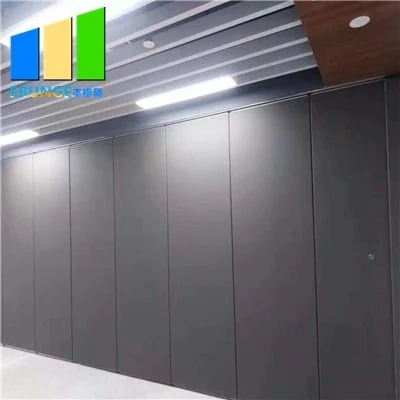
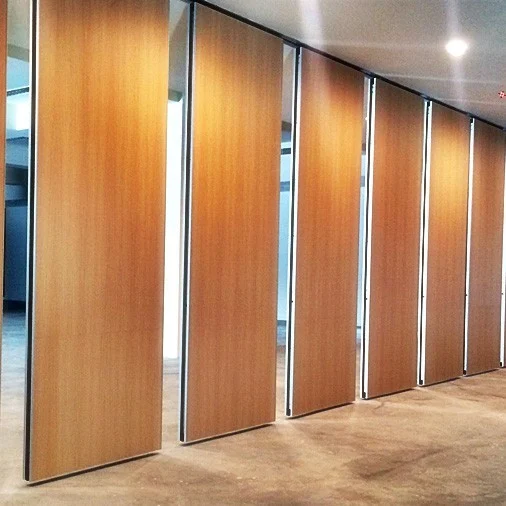
For movable partitions, confirmed product facts include individually movable panels suspended from a top track, crossing the opening without a floor track and parking at a planned stacking position. Straight, turning and stacking routes are reviewed from the layout. Finish options include laminate, melamine, fabric, leather, glass and other approved surfaces. Pass-door requirements and project documentation can be discussed. These facts support coordination, but they do not replace project-specific engineering review.
Coordinate Across Disciplines Without Losing the Thread
The suitability of each route and parking arrangement depends on the approved layout, circulation, ceiling interfaces and operating sequence. Architects can see what the contractor asked; the owner can see what remains open. This shared visibility reduces duplicate queries and conflicting answers.
Practical coordination habits
- Use one query reference format across all parties.
- Attach the current drawing revision to every query.
- Separate clarification questions from change requests.
- Flag queries that affect bid comparability.
- Confirm receipt and ownership within the stated window.
Where a query concerns the movement route, confirm that the proposed path follows a continuous connected overhead route and that support conditions are reviewed for the project. The exact route, junction arrangement, continuous overhead path and parking position must be confirmed from the coordinated project drawings.
Close the Path Before Bid Clarification Ends
The escalation path should have a defined closing point. Before clarification closes, the tender authority should confirm that every logged query has a response, an owner and a status. Open items should be listed explicitly so bidders know what remains subject to confirmation.
Pre-closing checklist
- All queries logged with dates and owners.
- All responses issued to every bidder.
- Open items listed with the responsible party.
- Drawing revisions referenced in each answer.
- Archive prepared for the tender record.

This discipline keeps the partition tender query escalation path specification clear and auditable. It also gives bidders a fair basis for pricing the scope they can see.
Frequently Asked Questions
What is a partition tender query escalation path?
It is the agreed route a tender question follows from the project team to the party able to answer it, with defined owners, evidence requirements and response windows before bid clarification closes.
Who should own the escalation path?
The tender authority or procurement lead usually owns the process, while discipline leads own technical responses. Each level should have a named backup.
What evidence should accompany a partition query?
Attach the current drawing revision, the relevant finish or layout reference, and any project brief that defines the requirement. If evidence is missing, record the query as open.
Can acoustic performance be confirmed from a drawing?
No. Acoustic intent should be defined in the project brief and confirmed by the responsible acoustic or design party.
How should movement routes be handled in a query?
Review straight, turning and stacking routes from the layout. Confirm that the proposed path follows a continuous connected overhead route and that support conditions are reviewed for the project.
When should the escalation path close?
It should close before bid clarification ends, with all queries logged, answered or explicitly listed as open, and archived with the tender record.
Conclusion and Next Step
A structured escalation path turns tender queries into a managed record rather than a scattered conversation. Define query categories, assign owners, require evidence, set response windows and close the log before clarification ends. Keep every recommendation tied to maintained product facts and project-specific drawing review.
To discuss pass-door requirements, finish options or project documentation for a movable partition package, contact the EBUNGE team. You can also review movable wall systems and browse the resources library for further planning context. Confirm all project-specific support, acoustic and dimensional requirements with the responsible design and engineering parties before finalizing your tender.