
Quick answer: tender priced schedule omission
Review focus: tender priced schedule omission.
A partition tender priced schedule omission after award is rarely a single missing line. The suitability of each route and parking arrangement depends on the approved layout, circulation, ceiling interfaces and operating sequence. Once the award is made, those gaps surface as coordination questions rather than commercial surprises. This guide gives project teams an evidence-bounded way to review the priced schedule before and after award, using maintained product facts and project-specific drawing review.
Why omissions appear after award, not before
Project review term: tender priced schedule omission.
Tender documents often describe a movable wall in general terms: panels that divide a room, a finish, and a performance target. The priced schedule then carries those general terms forward. What is missing is the route. EBUNGE movable wall panels are individually movable, suspended from a top track, cross the opening without a floor track, and park at a planned stacking position. Straight, turning and stacking routes are reviewed from the layout. If the layout was not reviewed in detail at tender stage, the priced schedule may not reflect the actual route.
This is not a criticism of any single party. The omission becomes visible only when the layout is examined against the movement path, the parking position and the adjacent construction.
Route and parking omissions
Coordination scope: tender priced schedule omission.
The most common post-award question is whether the panels can actually reach the parking position. A continuous connected overhead route is required. The exact route, junction arrangement, continuous overhead path and parking position must be confirmed from the coordinated project drawings. If the tender priced schedule assumed a simple straight run but the layout includes a turn or a remote stacking area, the route needs project-specific review.
What to check on the layout
- Does the opening match the panel route shown on the drawing?
- Is the parking position reachable along a continuous overhead route?
- Are turning points shown, or only implied?
- Does the stacking position conflict with services, structure or adjacent finishes?
These are drawing-review questions, not performance claims. They help the team identify where the priced schedule may need a scope note rather than a number.
Finish and surface omissions
Checklist focus: tender priced schedule omission.
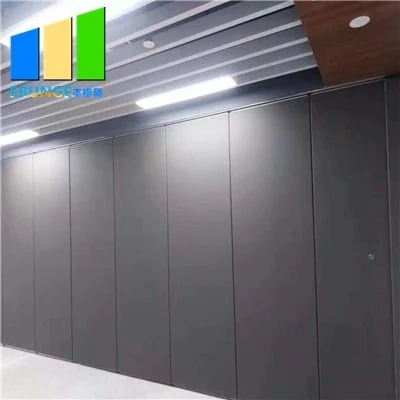
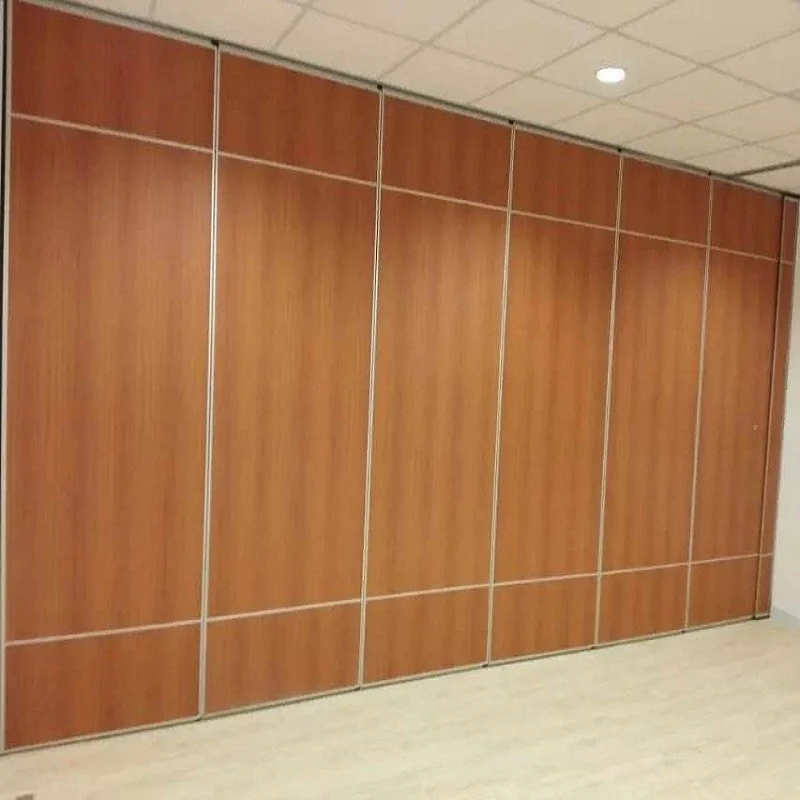
Confirmed finish options include laminate, melamine, fabric, leather, glass and other approved surfaces. A priced schedule may name one finish while the design intent calls for another. After award, the difference becomes a variation question. The practical response is to compare the specified finish against the approved finish list and the project’s visual intent.
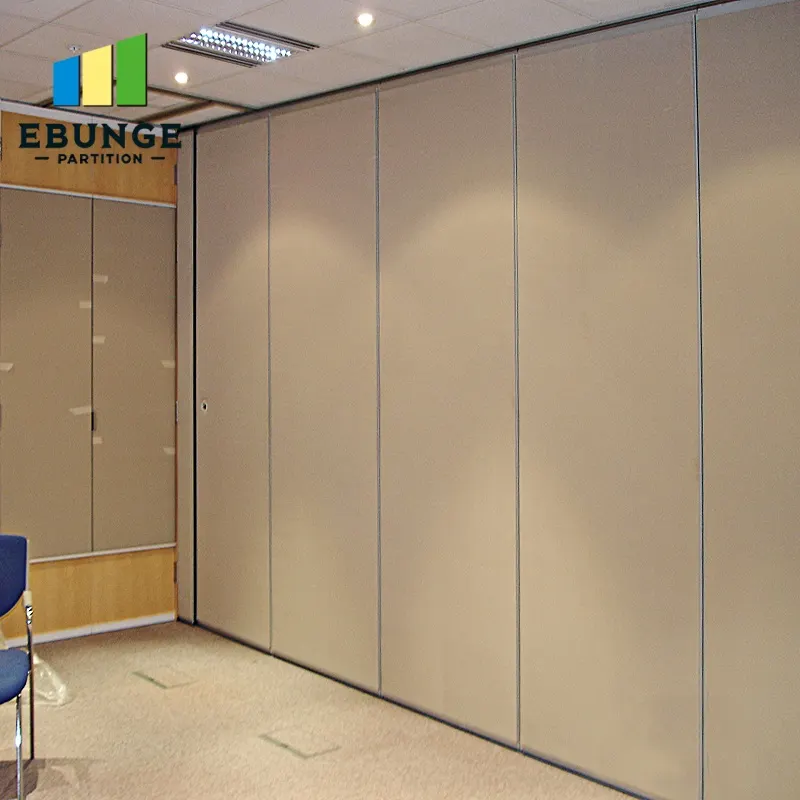
Finish selection also affects coordination with adjacent materials, cleaning expectations and sample approval. None of these should be inferred from a photograph or a generic description. They require project-specific confirmation.
Pass-door and access omissions
Review focus: tender priced schedule omission.
Pass-door requirements can be discussed as part of the project scope. A priced schedule that omits a pass-door may still be workable if the access strategy is confirmed early. If the omission is discovered late, it can affect the route, the parking position and the adjacent layout.
Questions for the project team
- Is a pass-door required for daily circulation?
- Where should it be located relative to the stacking position?
- Does the pass-door affect the panel route or the parking area?
- Is the requirement documented in the tender drawings?
These questions do not assume a particular configuration. They simply bring the access requirement into the same review as the route.
Acoustic and seal concepts in tender language
Seals and acoustic concepts can be explained generically, but the application reference requirement depends on the room, the adjacent use and the confirmed configuration.
If the tender priced schedule includes an acoustic target, the post-award review should confirm how that target is documented and what project-specific evidence is available. Visible references can support layout discussion but do not verify hidden construction or performance.
Documentation and evidence boundaries
Project documentation can be discussed with the supplier. The useful documents are the layout, the route review, the finish schedule and the pass-door requirement. These are the inputs that turn a general priced line into a coordinated scope.
Evidence note: a visible finish or a drawing does not prove acoustic, fire, durability, load or commercial performance. Those claims require matching project-specific evidence.
When a priced schedule omission is identified, the team should record what is known, what is assumed and what still requires confirmation.
A compact post-award review checklist
| Review area | Question to confirm | Evidence needed |
|---|---|---|
| Route | Is the movement path continuous and connected overhead? | Layout drawing with route review |
| Parking | Is the stacking position reachable and coordinated? | Layout and project requirements |
| Finish | Does the specified finish match the approved list? | Finish schedule and samples |
| Pass-door | Is access documented and located correctly? | Project documentation |
| Acoustic concept | Is the requirement documented without reducing it to a count? | Project-specific confirmation |
Use this table as a discussion tool. It does not replace project-specific support, acoustic and dimensional requirements.
How to coordinate without inventing performance
The supplier can explain maintained product facts. The design team can confirm the layout. The contractor can confirm the site conditions. The owner can confirm the operational need.
Where a gap remains, the correct response is a request for project-specific confirmation, not an inferred number. This is especially important for support, acoustic and dimensional requirements. For product context, see the movable walls product page. For general planning resources, see the resources page.
FAQ: post-award priced schedule questions
What is a partition tender priced schedule omission after award?
It is a scope item that was not clearly priced or documented at tender stage and becomes visible once the layout, route or finish requirement is reviewed after award.
Can a movable partition cross an untracked gap?
No.
Does a finish choice prove acoustic performance?
No. A finish is a surface option.
How should STC or Rw be treated in a tender schedule?
Confirm the project-specific acoustic requirement with the responsible parties.
When should pass-door requirements be discussed?
As early as possible. Pass-door requirements and project documentation can be discussed with the supplier so the route, parking and access strategy are coordinated.
What should the team do when an omission is found?
Record what is known, what is assumed and what needs confirmation. Then request project-specific support, acoustic and dimensional review before making changes.
Conclusion and next step
Review the route, the parking position, the finish, the pass-door requirement and the documentation boundary. Keep every statement tied to maintained product facts and project-specific evidence.
To discuss your layout, finishes, pass-door requirements or project documentation, contact the EBUNGE team. Confirm project-specific support, acoustic and dimensional requirements before finalizing any change to the priced schedule.