
Quick answer: partition tender bidder track fixing preliminaries assumption review
Review focus: partition tender bidder track fixing preliminaries assumption review.
A partition tender bidder track fixing preliminaries assumption review is not a line-by-line price check. It is a structured reading of what each bidder believes about the overhead route, the supporting structure and the boundaries of their scope. Track fixing assumptions often sit in preliminaries, preambles, qualifications or drawing notes rather than in the measured panel schedule. If those assumptions stay buried, the commercial comparison can look clean while the technical risk is unevenly distributed.
This guide gives project teams a repeatable way to surface those assumptions, ask evidence-based questions and keep the review tied to project-specific drawings. The suitability of each route and parking arrangement depends on the approved layout, circulation, ceiling interfaces and operating sequence.
Why Track Fixing Assumptions Hide in Preliminaries
Project review term: partition tender bidder track fixing preliminaries assumption review.
Preliminaries describe how a bidder intends to deliver the works: access, sequencing, coordination, temporary protection and interfaces. Track fixing assumptions naturally belong there because the top track must connect to a supporting structure above the opening. A bidder may state that the structure is suitable, that another trade will provide blocking, or that final fixing details are to be confirmed later.
Those statements are not automatically wrong. They are assumptions that need a visible owner. The review question is not whether the wording sounds confident, but whether the assumption is identified, coordinated and supported by project information.
Where to look first
- Qualifications, clarifications and departures schedules attached to the bid.
- Drawing notes that refer to ‘by others’, ‘to be confirmed’ or ‘contractor to verify’.
What the Maintained Product Facts Actually Confirm
Coordination scope: partition tender bidder track fixing preliminaries assumption review.
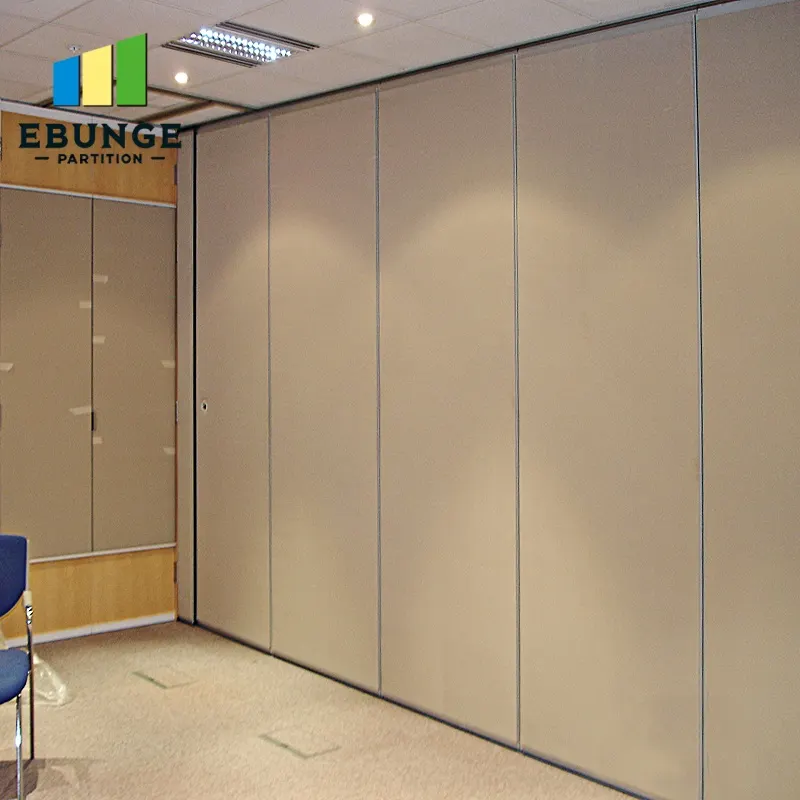
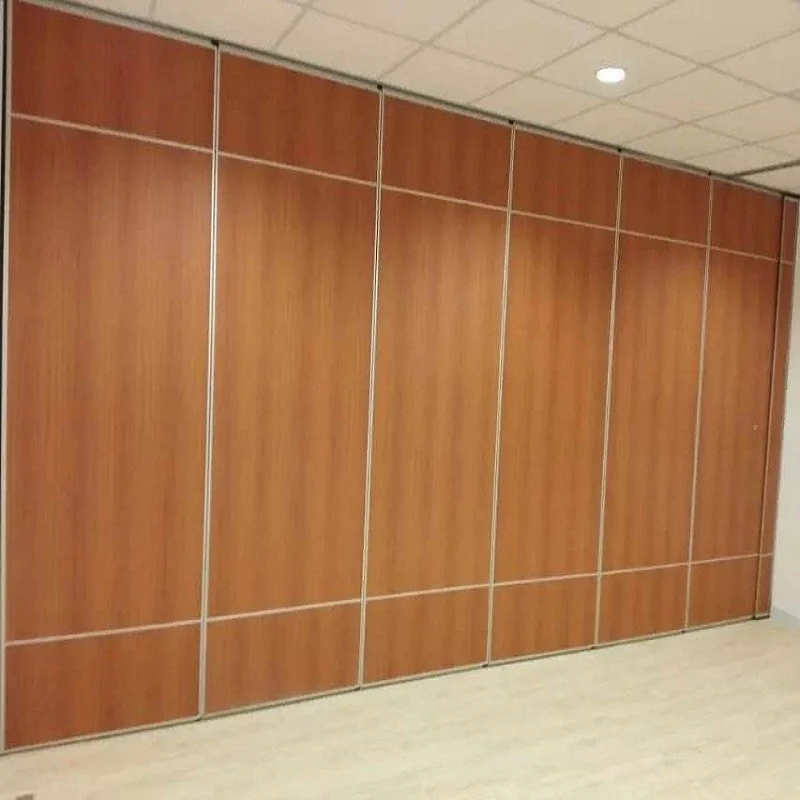
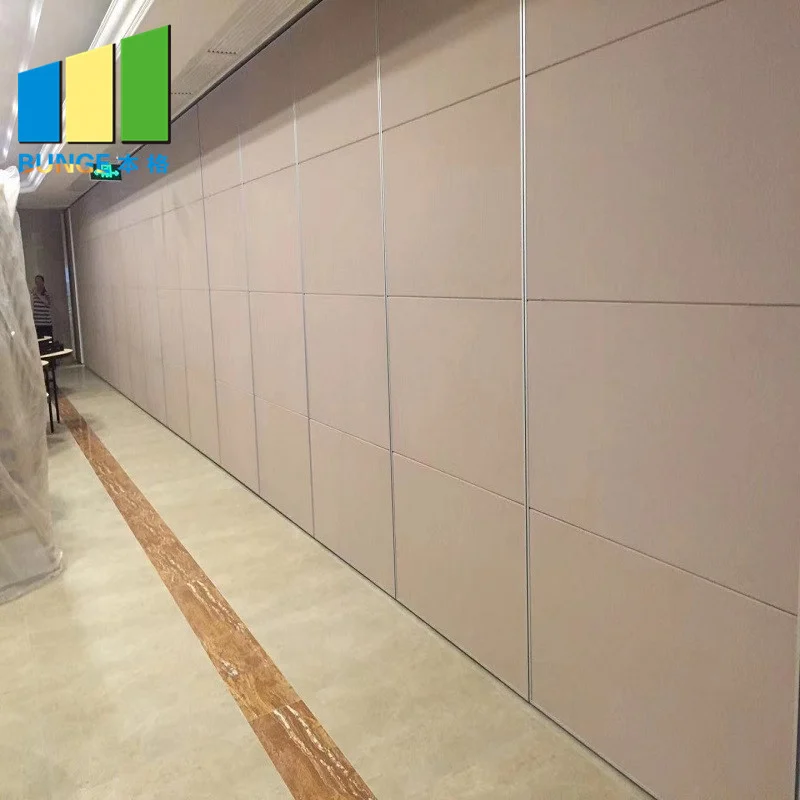
EBUNGE movable wall panels are individually movable and suspended from a top track. They cross the opening without a floor track and park at a planned stacking position. Straight, turning and stacking routes are reviewed from the layout. Confirmed finish options include laminate, melamine, fabric, leather, glass and other approved surfaces. Pass-door requirements and project documentation can be discussed.
These facts describe a top-hung, clear-floor operating concept. The exact overhead route and support arrangement must be confirmed by the responsible project team from coordinated drawings. Every proposed movement path requires a continuous connected overhead route and project-specific support review.
Evidence note
Treat a bidder’s track fixing statement as an assumption until the project drawings, interface responsibilities and support verification route are identified. A confident sentence in preliminaries is not structural evidence.
A Six-Step Review Process for Bid Evaluation
Checklist focus: partition tender bidder track fixing preliminaries assumption review.
- Isolate the assumption.
- Name the owner. Identify who is responsible for verifying the supporting structure and who provides any required builder’s work.
- Map the route. Check that the straight, turning and stacking routes shown in the layout are continuous and connected overhead.
- Compare bidders on the same basis. Use a common assumption register so one bidder’s exclusion is not read as another bidder’s included scope.
- Request project-specific confirmation. Ask for the support, acoustic and dimensional requirements to be confirmed against the application reference drawings.
- Record residual risk. Note any assumption that remains open and who must close it before award.
Building a Bidder Assumption Register
A simple register turns scattered wording into a comparable view. It also prevents the review from drifting into unsupported conclusions about performance or cost. The register should stay factual: what was said, where it appeared and what evidence is still missing.
| Review point | What to capture | Evidence still needed |
|---|---|---|
| Overhead support | Bidder’s stated fixing basis and any ‘by others’ wording | Project-specific support verification and interface responsibility |
| Route continuity | Straight, turning and stacking routes shown or implied | Layout review confirming a continuous connected overhead route |
| Builder’s work | Who provides blocking, access or preparation | Coordinated scope split confirmed in the tender documents |
| Finish and pass-door | Stated finish option and any pass-door requirement | Project documentation confirming the selected configuration |
| Acoustic intent | Any reference to acoustic separation | Project-specific acoustic requirement confirmed by the responsible designer |
Questions That Expose Buried Assumptions
Well-framed questions are more useful than broad requests for ‘clarification’. They should point to a specific statement and ask for the evidence that supports it.
Support and interface questions
- Which drawing shows the supporting structure intended to receive the top track?
- Which party is responsible for verifying that structure, and where is that stated?
- If blocking or preparation is excluded, which document assigns it?
Layout and operation questions
- Does the proposed layout show a continuous connected overhead route for every straight, turning and stacking movement?
- Where is the planned parking or stacking position, and is it coordinated with adjacent services?
- Are pass-door requirements identified, and are they reflected in the bidder’s documentation?
Comparing Bidders Without Inventing Performance
Bid comparison becomes misleading when reviewers fill gaps with assumptions of their own. A bidder who stays silent on track fixing is not necessarily cheaper or more capable; the scope may simply be excluded or deferred. A bidder who mentions acoustic separation is not thereby confirming a measured result.
Where acoustic intent matters, the responsible designer should define the requirement and the evidence route.
Red flags worth escalating
- The exact route, junction arrangement, continuous overhead path and parking position must be confirmed from the coordinated project drawings.
- Finish or pass-door statements that are not linked to project documentation.
FAQ: Track Fixing Assumptions in Tender Review
What is a partition tender bidder track fixing preliminaries assumption review?
It is a structured review of the assumptions a bidder makes about how the top track will be supported and coordinated, especially where those assumptions appear in preliminaries, preambles or qualifications rather than in the measured schedule.
Why do track fixing assumptions end up in preliminaries?
Preliminaries often cover interfaces, access, sequencing and builder’s work. Track fixing touches all of these, so bidders may describe their intended basis there instead of in the panel line items.
Does a top-hung partition need a floor track?
EBUNGE movable wall panels are suspended from a top track and cross the opening without a floor track. The overhead route still requires project-specific support review and a continuous connected path for every movement.
Can I compare bidders using a single assumption register?
Yes. A shared register helps you compare what each bidder has included, excluded or deferred on the same basis, rather than inferring scope from silence.
What evidence should I request before award?
Ask for project-specific confirmation of support, acoustic and dimensional requirements against the actual drawings, plus a clear statement of who owns each interface and any remaining open assumption.
Can EBUNGE confirm acoustic or structural performance from a drawing?
No. Visible references can support layout discussion but do not verify hidden construction or performance.
Conclusion: Make the Assumption Visible Before Award
A disciplined partition tender bidder track fixing preliminaries assumption review protects the project by making hidden assumptions visible while there is still time to coordinate them. Extract the wording, name the owner, map the overhead route and request project-specific confirmation. Keep every conclusion tied to maintained product facts and the actual drawings.
For product context, review the movable wall systems and the wider project resources. When your team is ready to discuss pass-door requirements, documentation or a specific layout, contact EBUNGE to confirm the project-specific support, acoustic and dimensional requirements.