
Quick answer: partition interface query standup mep
Review focus: partition interface query standup mep.
A partition interface query standup MEP engineer coordination meeting is a short, structured review where the movable wall route, ceiling zone and building services are checked against each other before installation drawings are frozen. It is not a general design workshop. The goal is to surface interface questions early, assign them to the right reviewer and record what still needs project-specific confirmation.
Why a Dedicated Interface Standup Matters
Project review term: partition interface query standup mep.
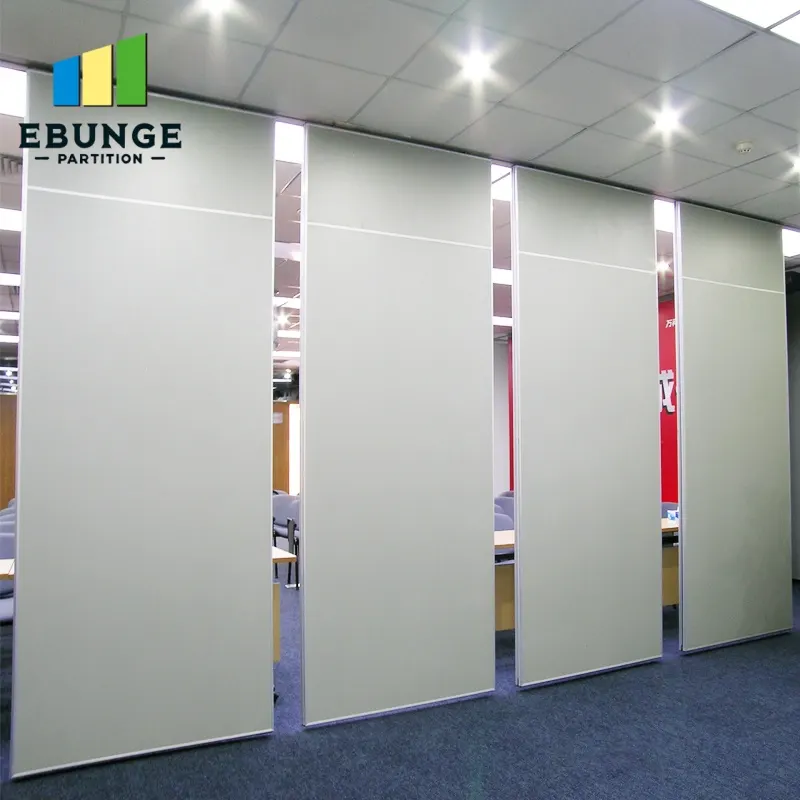
Movable partitions are top-hung and travel without a continuous floor track along the partition line. That single fact changes how the wall meets the ceiling, the sprinkler layout, the air terminals and the lighting grid. If those interfaces are only discussed in a full coordination meeting, questions can sit unresolved for weeks.
A focused standup gives the MEP engineer, architect and contractor a short window to walk the route together. It also creates a written trail of what was reviewed and what remains open. That trail is useful when the same question returns during shop drawing review or site inspection.
What to Bring to the Standup
Coordination scope: partition interface query standup mep.
The meeting is only as useful as the information on the table. Ask each discipline to bring the current coordinated drawing set, not a superseded revision. The exact route, junction arrangement, continuous overhead path and parking position must be confirmed from the coordinated project drawings.
- Reflected ceiling plan with services that cross or run parallel to the partition route.
- The suitability of each route and parking arrangement depends on the approved layout, circulation, ceiling interfaces and operating sequence.
- Any client brief notes on pass-door requirements, finish direction or room use.
- A live query log with owner, date raised and required response date.
Those questions need their own project-specific review.
A Simple Standup Agenda
Checklist focus: partition interface query standup mep.
Keep the meeting to a fixed rhythm so it does not drift into unrelated topics. The sequence below works for most coordination workflows.
- Confirm the partition route and parking position against the latest architectural plan.
- Walk the overhead route and identify every point where services cross or run close to it.
- List interface queries by discipline and assign a reviewer to each one.
- Record open items in the query log and set the next review date.
If a query cannot be answered in the room, do not guess. Mark it as open and route it to the correct specialist.
Interface Query Checklist for the MEP Engineer
Review focus: partition interface query standup mep.
The MEP engineer is often the first person to see a conflict between the partition route and building services. Use the checklist below to keep the discussion specific.
| Interface area | Question to confirm | Evidence needed |
|---|---|---|
| Ceiling zone | Do any services occupy the space where the top track and support will be reviewed? | Coordinated ceiling and structural drawings |
| Route continuity | Is the overhead route continuous across the full opening and turning path? | Marked plan and section |
| Parking position | Does the planned stacking area conflict with diffusers, detectors or access panels? | Layout drawing with parking zone marked |
| Pass door | Where is the pass door required and how does it affect the panel layout? | Client brief and door schedule |
| Finish interface | Does the selected finish create a coordination issue at adjacent surfaces? | Approved finish schedule |
This table is a discussion tool, not a substitute for project-specific engineering review. Each row still needs confirmation against the actual design.
Separating Confirmed Facts From Open Questions
Project review term: partition interface query standup mep.
One of the most useful habits in a standup is to label each statement. Confirmed product facts can be repeated. Project-specific conclusions must stay open until the relevant reviewer signs them off.
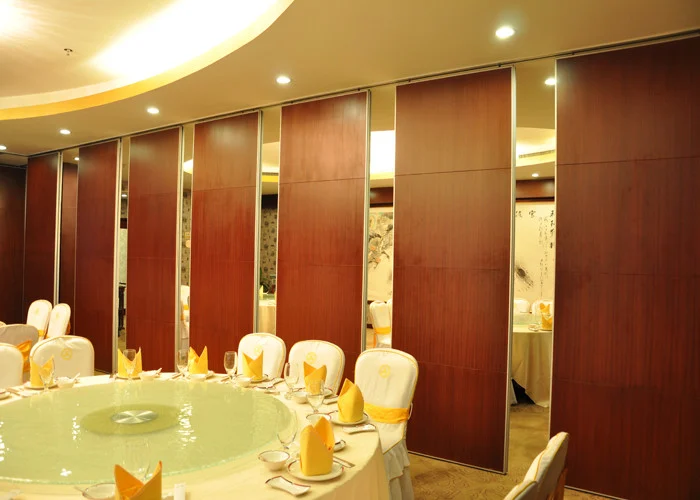
Confirmed: EBUNGE movable partition panels are individually movable, suspended from a top track, cross the opening without a floor track and park at a planned stacking position. Open: whether the proposed route, support condition and acoustic requirement are suitable for this project.
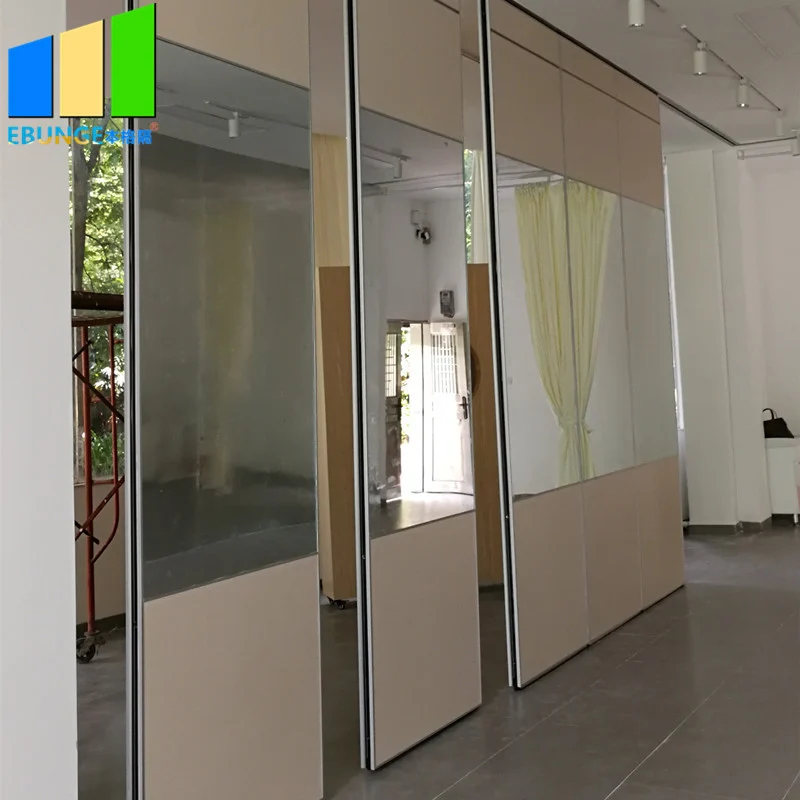
Visible references can support layout discussion but do not verify hidden construction or performance.
Finish options include laminate, melamine, fabric, leather, glass and other approved surfaces. Each option still needs project-specific review for the intended room use and adjacent materials.
Documenting the Outcome
End the standup by updating the query log. Each entry should name the interface, the discipline responsible, the evidence required and the date for the next review. This prevents the same question from being reopened without new information.
Where a query affects performance, note that project-specific confirmation is still required. The resources page can support general planning, but it does not replace project drawings or specialist review.
For product context on top-hung movable walls, refer to the movable walls product page. It describes the maintained product facts; it does not confirm project-specific support, acoustic or dimensional requirements.
Common Coordination Mistakes to Avoid
Teams often lose time by treating a standup as a decision meeting for every open item. Keep the scope narrow. Confirm what can be confirmed, and route the rest.
- Assuming the overhead route is continuous without checking the full path.
- Treating a parking position as fixed before the layout is reviewed.
- Leaving pass-door requirements out of the panel layout discussion.
- Closing a query without recording the evidence that resolved it.
These mistakes are avoidable when the standup has a clear agenda and a live query log.
Frequently Asked Questions
What is the purpose of a partition interface query standup?
It is a short coordination meeting to review how the movable partition route interacts with ceiling services, structure and adjacent finishes. The aim is to surface interface questions early and assign them to the right reviewer.
Who should attend the standup?
Typically the architect, MEP engineer, contractor and a representative who can speak to the partition layout. The exact attendance depends on the project stage and the queries on the log.
Can the standup confirm acoustic performance?
No. The standup can identify that an acoustic query exists, but the answer requires project-specific confirmation.
How often should the standup be held?
The frequency depends on the project programme and the number of open queries. Many teams hold it weekly during active coordination and reduce frequency once the layout is frozen.
What should happen after the standup?
The query log should be updated with owners, evidence requirements and review dates. Any drawing changes should be routed through the normal document control process.
Does a movable partition need a floor track?
EBUNGE movable partition panels are top-hung and cross the opening without a floor track along the partition line.
Conclusion and Next Step
Confirm the route, the parking position and the interface queries, then record what still needs project-specific support, acoustic and dimensional review.
To discuss pass-door requirements, finish direction or project documentation, contact the EBUNGE team with your layout and query list.