
Quick answer: partition interface query standup
Review focus: partition interface query standup.
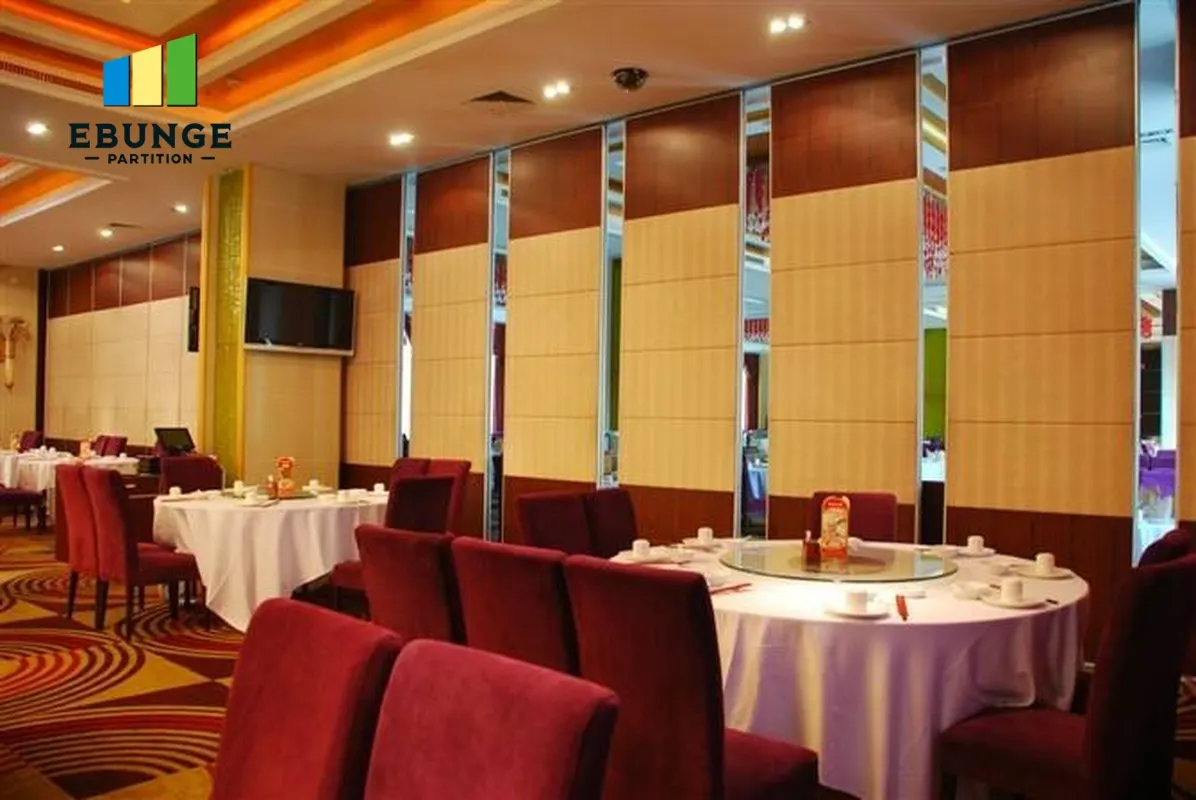
An architect coordination partition interface query standup is a short, structured meeting held before tender documents are issued. Its purpose is not to solve every detail, but to expose interface questions early so that drawings, specifications and tender clarifications reflect the same assumptions. For projects considering movable walls, the standup should focus on how panels are individually movable, suspended from a top track, cross the opening without a floor track, and park at a planned stacking position. Straight, turning and stacking routes are reviewed from the layout, not assumed from a catalogue image.
Why a Pre-Tender Standup Beats Late Clarification
Project review term: partition interface query standup.
Interface questions that surface after tender often become change orders, revised drawings or ambiguous bid comparisons. A standup creates a single moment where the design team, cost consultant and specialist supplier can compare the architectural layout against the movement concept. It also separates confirmed product facts from project-specific requirements that still need engineering review.
The standup is not a substitute for formal design responsibility. It is a coordination checkpoint. Every conclusion should be traceable to a drawing, a maintained product fact or an open query with an owner and a due date.
Who Should Attend and What Each Role Brings
Coordination scope: partition interface query standup.
Keep the group small enough to make decisions. The architect usually chairs, because the layout and interface drawings sit with the design team. A contractor or cost consultant can flag buildability and tender-package implications. An interior designer can confirm finish intent and visible junctions. A supplier representative can explain how the top-hung system is configured and what information is needed for a project-specific review.
Suggested attendee set
- Architect or lead designer, chairing and owning the query log.
- Contractor or pre-construction lead, checking tender scope and sequencing.
- Interior designer, confirming finish and junction expectations.
- Supplier or technical representative, clarifying maintained product facts.
- Owner representative, where decisions affect room use or phasing.
If a role cannot attend, assign a written question in advance. Silence in the meeting should not be treated as agreement.
A Numbered Standup Agenda That Fits in One Session
Checklist focus: partition interface query standup.
- Confirm the room or venue example and note that it does not limit other flexible-space applications.
- Walk the proposed partition line and mark every opening, return and junction.
- Review the straight, turning and stacking routes against the layout.
- Check that every proposed movement path has a continuous connected overhead route and project-specific support review.
- Confirm the planned parking or stacking position and whether it conflicts with other services.
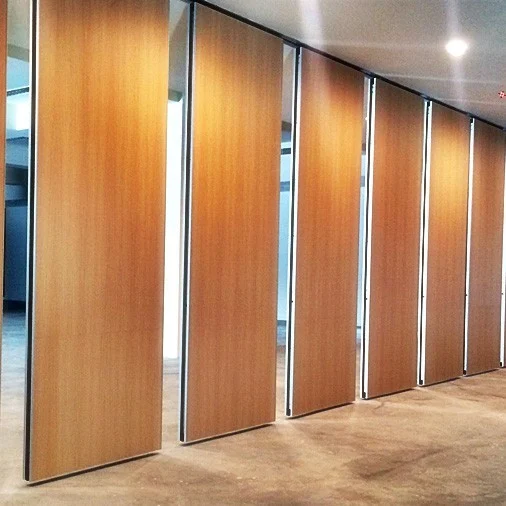
- List finish options under consideration, such as laminate, melamine, fabric, leather, glass or other approved surfaces.
- Record pass-door requirements and any project documentation needed for tender.
- Separate confirmed facts from open queries, then assign owners and dates.
Time-box each item. The value of the standup is the query log it produces, not the length of the discussion.
Drawing and Interface Checks to Run Before Tender
Use the architectural layout as the primary evidence. The exact overhead route and support arrangement must be confirmed by the responsible project team from coordinated drawings. Visible references can support layout discussion but do not verify hidden construction or performance.
Interface query checklist
- Is the partition line shown consistently across plan, elevation and reflected ceiling plan?
- Does the parking position remain clear of doors, services and fixed furniture?
- Are turning routes drawn, or only described in notes?
- Are finish transitions and visible junctions indicated?
- Are pass-door locations and swing directions coordinated with escape and circulation?
- Is there a named owner for each unresolved interface question?
Where a drawing shows a gap without a connected overhead route, treat it as an open query rather than assuming panels can cross it.
How to Talk About Acoustics Without Overclaiming
The suitability of each route and parking arrangement depends on the approved layout, circulation, ceiling interfaces and operating sequence. In a standup, the useful question is not “what number does this wall achieve?” but “what acoustic requirement does this room need, and what project-specific evidence will be provided to demonstrate it?”
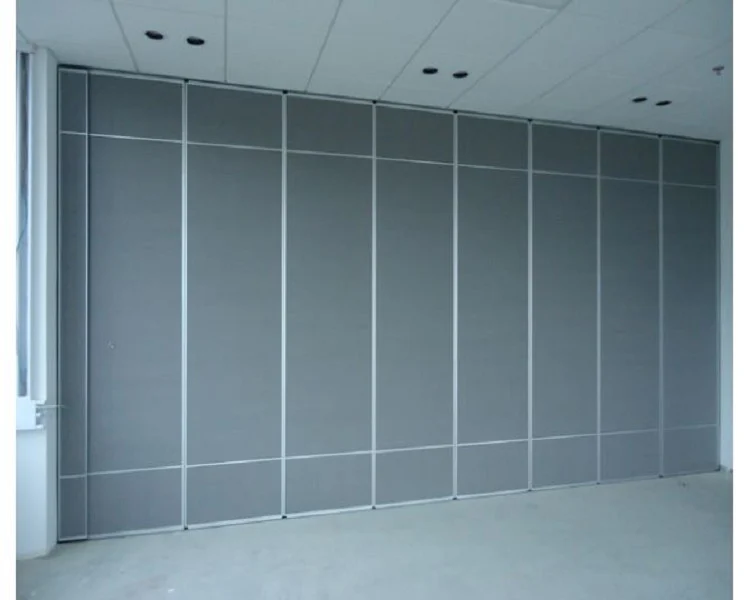
Seals, junctions and perimeter conditions can affect how an assembly behaves in practice. Because those details depend on the specific design, the standup should record the acoustic requirement as a project-specific item to be confirmed, not as a promise carried over from another project.
Documenting the Query Log and Tender Clarifications
A simple query log is enough: question, affected drawing, responsible party, required evidence and due date. Keep it visible to everyone who will price or review the tender. Where a question cannot be closed before tender, issue it as a clarification so bidders price the same scope.
Evidence note: maintained product facts confirm that panels are individually movable, top-hung, cross the opening without a floor track and park at a planned stacking position. Finish options include laminate, melamine, fabric, leather, glass and other approved surfaces. Support, acoustic and dimensional requirements remain project-specific and must be confirmed against the actual layout.
Review the movable wall product context before the standup so the team shares the same baseline. Additional planning material is available in the resources section.
Common Coordination Mistakes to Avoid
Teams often treat the parking position as a minor detail, then discover it conflicts with a door or service zone. Others copy acoustic language from a previous project without checking whether the requirement matches. The exact route, junction arrangement, continuous overhead path and parking position must be confirmed from the coordinated project drawings.
Finish selection and performance confirmation are separate questions. Keep them separate in the query log.
Frequently Asked Questions
What is the main output of a partition interface query standup?
A written query log that separates confirmed product facts from project-specific items, with an owner and due date for each open question.
Do we need the supplier present before tender?
It helps, because the supplier can clarify maintained product facts and identify what information is needed for a project-specific review. If attendance is not possible, submit written questions in advance.
Can the standup confirm acoustic performance?
No. It can record the acoustic requirement and identify what project-specific evidence will be provided.
How detailed should the movement route drawing be?
Detailed enough to show straight, turning and stacking routes, and to confirm that every proposed path has a continuous connected overhead route. Support and dimensional requirements remain subject to project-specific confirmation.
What finish information should be recorded?
Record the finish options under consideration, such as laminate, melamine, fabric, leather, glass or other approved surfaces, and note that finish selection does not by itself confirm performance or compatibility.
When should the standup happen?
Early enough that clarifications can be issued with the tender package, and late enough that the layout is stable. Many teams hold it once the room layout and partition line are drawn.
Conclusion and Next Step
A pre-tender partition interface query standup gives architects a repeatable way to surface coordination questions while they are still cheap to resolve. Keep the discussion anchored to maintained product facts, visible drawing evidence and clearly labelled open queries. Confirm project-specific support, acoustic and dimensional requirements before relying on any assumption.
To discuss pass-door requirements, project documentation or a specific layout, contact the EBUNGE team and bring your drawings to the conversation.