
Quick answer: partition interface query register before
Review focus: partition interface query register before.
An architect partition interface query register before tender is a simple coordination tool: one controlled list of every unresolved interface question that could affect a movable partition package. It is not a performance schedule and it is not a substitute for project-specific design. Its value is that it forces assumptions into the open while drawings, routes and responsibilities can still be adjusted without commercial pressure.
Why a Query Register Belongs Before Tender, Not After
Project review term: partition interface query register before.
Tender documents reward clarity. When partition interfaces are left as notes on a general arrangement drawing, each bidder may interpret the same gap differently. A query register gives every party the same numbered question, the same drawing reference and the same required response format.
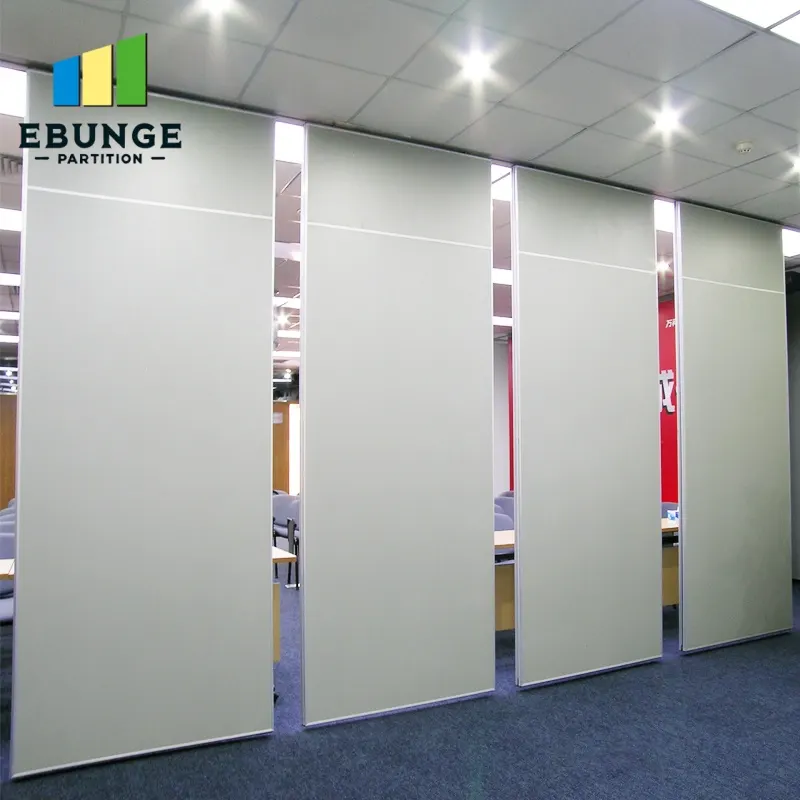
For top-hung movable walls, the critical interfaces are rarely the panel face. The suitability of each route and parking arrangement depends on the approved layout, circulation, ceiling interfaces and operating sequence. Each of those relationships needs a named owner and a drawing reference.
What the Register Should Capture
Coordination scope: partition interface query register before.
Keep the register short enough to be maintained. A register that grows beyond the team’s ability to review it will be ignored. Group entries by interface type rather than by trade, so a single question can be routed to the correct reviewer without duplication.
Core interface categories
- Overhead route: the continuous connected path above the opening, including any turning or stacking route shown on the layout.
- The exact route, junction arrangement, continuous overhead path and parking position must be confirmed from the coordinated project drawings.
- Parking position: where panels are intended to stack when the opening is clear, and what else occupies that zone.
- Adjacent finishes: ceiling, floor, wall returns and any finish that meets the partition line.
- Pass-door requirements: whether a pass door is required, where it sits and how it relates to the panel route.
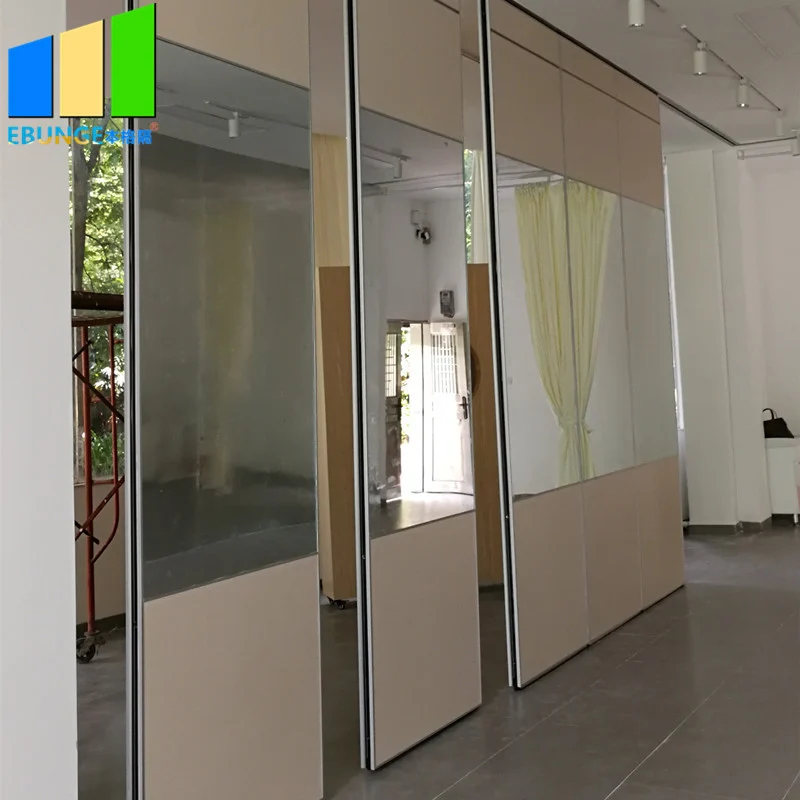
- Finish direction: laminate, melamine, fabric, leather, glass or another approved surface, with the sample reference.
- Documentation: drawings, schedules and approvals that the project team expects to exchange.
A Numbered Process for Running the Register
Checklist focus: partition interface query register before.
- Set the register owner. One person maintains the file, issues numbers and closes items. Without a single owner, duplicate questions appear.
- Walk the layout route by route. Review straight, turning and stacking routes as drawn. Mark every point where the route meets another element.
- Log each interface as a question, not a conclusion. Write what must be confirmed, by whom and against which drawing revision.
- Assign a required response. Ask for a drawing mark-up, a written confirmation or a sample reference, depending on the question type.
- Review at a fixed cadence. A short weekly review keeps the register current as the design develops.
- Close with evidence. An item closes only when the response is attached to the register entry.
- Freeze the register before tender issue. Open items should be listed as open, not quietly removed.
Evidence Boundaries Every Entry Should Respect
Review focus: partition interface query register before.
A query register is only useful if it separates what is known from what must be confirmed. Maintained product facts describe top-hung panels that move individually, cross the opening without a continuous floor track and park at a planned stacking position. Those facts support layout discussion.
Where acoustic separation matters, the project team should confirm the requirement, the tested configuration and the site conditions with qualified specialists.
Evidence note for reviewers
Do not infer structural capacity, acoustic performance, fire behaviour, durability or maintenance needs from a finish sample, a photograph or a generic drawing. Each of those conclusions requires matching project-specific evidence.
Common Coordination Gaps to Check
Most pre-tender friction comes from a small set of recurring gaps. Panel handling and the operating sequence must be confirmed for the selected layout and project conditions.
| Gap | Why it matters | Register action |
|---|---|---|
| Route shown without a continuous overhead path | Panels cannot travel across an untracked gap | Confirm the connected route and support review |
| Parking zone shared with other services | Stacking space may conflict with equipment or access | Mark the zone on the layout and confirm ownership |
| Finish selected without a sample reference | Bidders may price different surfaces | Attach the approved sample reference |
| Pass door shown but not scheduled | Door position affects panel route and adjacent walls | Confirm requirement and drawing location |
| Acoustic expectation stated loosely | Loose wording cannot be verified | State the requirement and the evidence needed |
Turning the Register into a Tender-Ready Package
Once the register is stable, convert closed items into drawing notes and specification clauses. Open items should remain visible in a short schedule so bidders understand what is still subject to confirmation. This is more honest than presenting an unresolved interface as a fixed requirement.
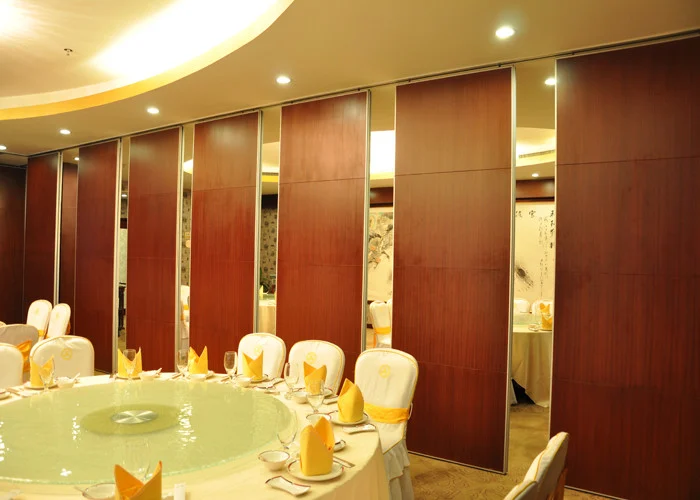
For movable wall packages, the tender package should show the partition line, the overhead route, the parking position and the adjacent conditions clearly enough that a reviewer can follow the intended movement. Finish references should be consistent across drawings and schedules. Where a pass door is required, its position and relationship to the panel route should be shown.
Teams evaluating movable wall systems can use the register to compare responses on a like-for-like basis. Additional planning guidance is available in the resources section, and project-specific questions can be raised through contact.
Frequently Asked Questions
Who should own the partition interface query register?
One named owner should control numbering and closure.
When should the register start?
As soon as the partition line and intended routes appear on a layout. Starting before the design is frozen is useful because it captures questions while changes are still inexpensive to coordinate.
Does a query register replace a specification?
No. The register records unresolved interfaces and their evidence. The specification states the required outcome. The two documents should reference each other but serve different purposes.
How detailed should each entry be?
Each entry should state the question, the drawing reference and revision, the responsible responder and the evidence needed to close it. Avoid embedding conclusions that have not been confirmed.
Can the register include acoustic questions?
Yes, provided the entry asks for the project requirement and the evidence needed to verify it. Do not treat a generic rating or a finish sample as proof of performance in the completed room.
What should happen to open items at tender?
They should be listed as open, with the expected confirmation route. Removing them creates a false impression that the design is fully resolved.
Conclusion and Next Step
A partition interface query register before tender turns scattered coordination notes into a controlled, reviewable list. It keeps assumptions visible, ties every closure to evidence and helps bidders respond to the same set of questions. Confirm support, acoustic and dimensional requirements for each project with the appropriate specialists before relying on any interface decision.
To discuss pass-door requirements, finish options or project documentation for a specific layout, contact the EBUNGE team and share the drawings under review.