
Quick answer: tender query response time audit
Review focus: tender query response time audit.
An operable wall tender query response time audit is a structured review of how quickly and completely a project team answers technical queries during the tender stage. For movable partition packages, slow or vague responses often hide unresolved questions about track routes, stacking positions, finish approvals and interface responsibilities. This guide sets out a practical audit method that stays within documented evidence and project-specific confirmation.
Panel handling and the operating sequence must be confirmed for the selected layout and project conditions. It is to identify which questions were answered with drawings, which were deferred, and which still require confirmation before the package can be compared fairly. That discipline protects contractors, architects, interior designers and owners from awarding on assumptions.
Why Response Time Matters in Operable Wall Tenders
Project review term: tender query response time audit.
Operable wall packages sit at the intersection of structure, ceiling, finishes and room layout. The suitability of each route and parking arrangement depends on the approved layout, circulation, ceiling interfaces and operating sequence. When that query sits unanswered, the tender comparison becomes unreliable because bidders may be pricing different scopes.
Response time is therefore a coordination indicator, not a performance claim. The audit should record both timing and evidence quality.
What the audit can and cannot show
It can show when a query was issued, when a response arrived, and whether the response included a drawing, a specification note or a request for further information. Those remain subject to project-specific confirmation.
Define the Query Log Before the Tender Opens
Coordination scope: tender query response time audit.
Set up a single query register at the start of the tender period. Every technical question, whether from a bidder or from the design team, should enter the same log. This prevents side conversations from becoming undocumented assumptions.
- Assign a unique query number and record the date and time it was issued.
- Record the response date and time and the evidence attached, such as a marked-up drawing or a written clarification.
- Flag open items that remain unresolved when the tender closes.
- Review the log weekly with the procurement lead and design lead.
Keep the register simple enough to maintain.
Classify Queries by Interface Risk
Checklist focus: tender query response time audit.
Not all queries carry the same coordination weight. Grouping them helps the audit highlight where response delays could affect the package scope.
| Query type | Typical evidence needed | Audit focus |
|---|---|---|
| Track route and support | Reflected ceiling plan, structural coordination drawing | Whether the overhead route is continuous and supported |
| Stacking position | Layout drawing showing parked panels | Whether the parking area is coordinated with adjacent works |
| Finish selection | Approved finish schedule or sample reference | Whether the finish is confirmed for the project |
| Pass-door requirement | Door location and swing drawing | Whether the requirement is documented |
| Documentation | Specification clause or submittal list | Whether the required documents are identified |
This classification keeps the audit focused on coordination gaps rather than on commercial negotiation. It also gives the project team a shared vocabulary when reviewing responses.
Measure Response Time Without Distorting the Result
Response time should be measured from the moment a query is issued to the moment a substantive response is received. A holding reply that promises information later is not a substantive response. Record it as an interim note and keep the query open.
Use working days rather than calendar days to avoid penalising weekends and public holidays. If a query is split across several responders, record each contribution separately so the audit shows where the delay occurred.
Evidence note

Timing data from a tender query log is a coordination record, not a performance rating. It should be read alongside the evidence attached to each response and the project-specific confirmations still outstanding.
Do not convert response times into a single score that hides context.
Review Drawing and Specification Evidence
For each closed query, check whether the response references a drawing, a specification clause or a written clarification. If the response relies on a verbal discussion, ask for it to be confirmed in writing and added to the register.
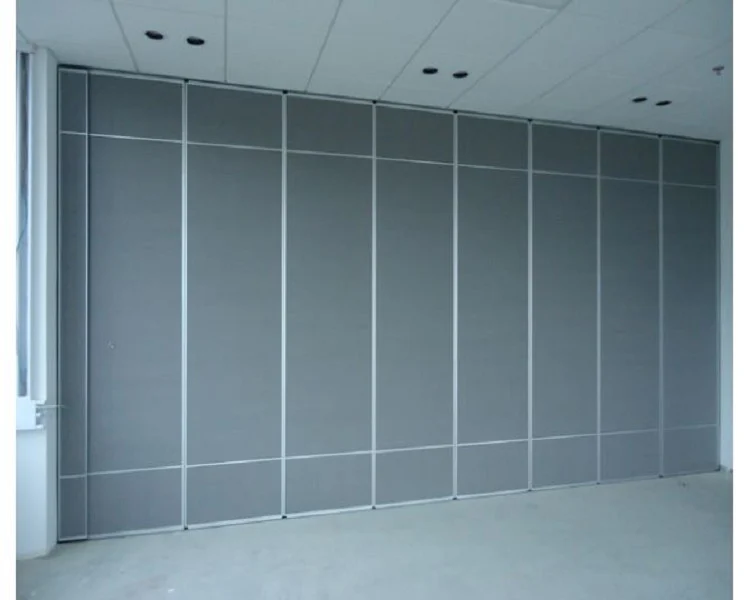
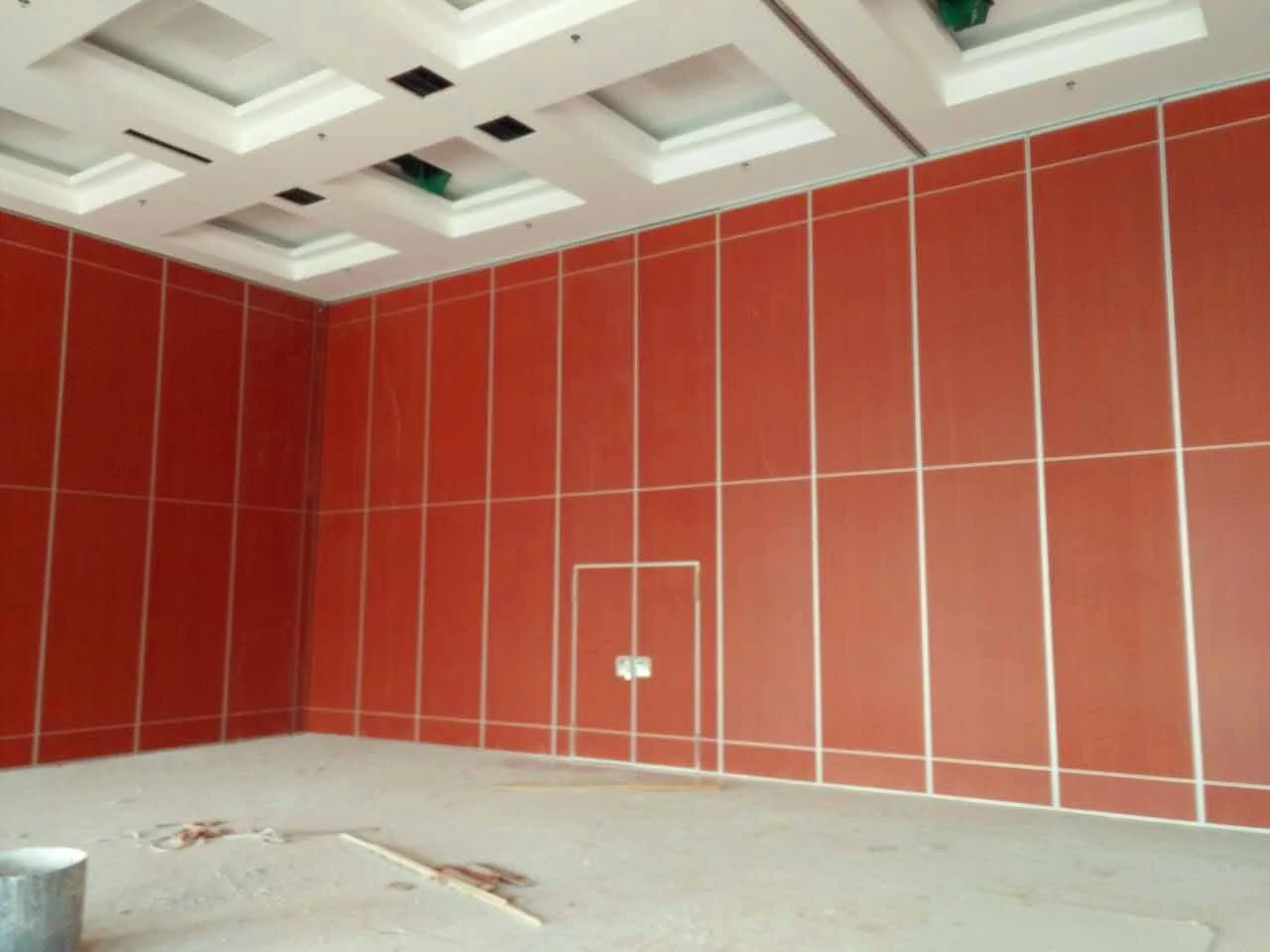
Movable wall panels are individually movable, suspended from a top track, cross the opening without a floor track, and park at a planned stacking position. Straight, turning and stacking routes are reviewed from the layout. The audit should confirm that these route questions were answered with layout-based evidence, not with general statements.
Confirmed finish options include laminate, melamine, fabric, leather, glass and other approved surfaces. Where a finish query appears in the log, the response should point to the approved schedule or sample reference for the project.
Run the Audit Meeting and Close the Gaps
Hold a short audit meeting before tender comparison. Walk through the open queries, the delayed responses and the evidence attached. The output should be a list of confirmed items and a separate list of items still requiring project-specific confirmation.
- Confirmed: queries answered with a drawing, specification note or written clarification.
- Open: queries awaiting a substantive response.
- Escalated: queries where the responder cannot resolve the interface alone.
This structure helps the team decide whether to extend the tender period, issue a clarification addendum or proceed with a documented assumption. It also creates a fair record if a bidder later asks why a scope item was treated in a particular way.
Common Pitfalls in Response Time Audits
One common pitfall is counting every email as a query. Only technical questions that affect scope, coordination or documentation should enter the register. Another is allowing responses to arrive through separate channels without being logged, which makes the audit incomplete.
A third pitfall is treating a fast response as proof of capability.
Frequently Asked Questions
What is an operable wall tender query response time audit?
It records timing, responders and the evidence attached to each response.
Which queries should be included in the audit?
Include queries that affect scope, coordination or documentation, such as track route, stacking position, finish approval, pass-door requirements and submittal expectations. Routine commercial questions can be tracked separately.
Can response time prove acoustic performance?
No. Response time is a coordination indicator.
How should the audit handle unanswered queries?
Record them as open items and decide whether to extend the tender period, issue a clarification or proceed with a documented assumption. Do not treat an unanswered query as resolved.
Does the audit require special software?
No.
What should the audit output include?
It should include a list of confirmed items, a list of open items and a list of items requiring project-specific confirmation. This output supports fair tender comparison and clearer award decisions.
Conclusion and Next Steps
A tender query response time audit helps project teams separate documented answers from assumptions before awarding an operable wall package. By logging queries consistently, classifying them by interface risk and reviewing the evidence attached, contractors, architects and owners can make more informed comparisons.
Every project still requires confirmation of support, acoustic and dimensional requirements. Use the audit as a coordination tool, not as a substitute for project-specific review. For product context, visit the operable partition product page and the resources section. To discuss pass-door requirements, project documentation or a specific tender query process, contact EBUNGE.