
Quick project answer
Review focus: tender query log.
The suitability of each route and parking arrangement depends on the approved layout, circulation, ceiling interfaces and operating sequence. For overseas contractors, architects, interior designers, owners and renovation teams, the log is not a formality. It is the evidence trail that shows what was asked, what was confirmed and what still depends on project-specific review. This article sets out a practical structure for that log, using only maintained product facts and clearly marked confirmation boundaries.
Why an Operable Wall Tender Query Log Matters
Project review term: tender query log.
A query log prevents those threads from separating.
During an operable wall tender query log procurement review, the log becomes the single reference for clarifications. If a question about stacking, finish or pass-door requirements is raised, the answer should be recorded with its source and any remaining conditions. That discipline helps estimators, designers and site teams work from the same information.
What the Log Should Capture Before Tender Return
Coordination scope: tender query log.
Start by listing the project information that affects the operable wall scope. The log should distinguish between confirmed product facts, project-specific requirements and items still awaiting evidence.
Core query categories
- Layout and movement: straight, turning and stacking routes reviewed from the layout.
- The exact route, junction arrangement, continuous overhead path and parking position must be confirmed from the coordinated project drawings.
- Finish direction: laminate, melamine, fabric, leather, glass and other approved surfaces.
- Pass-door needs: requirements to be discussed and documented.
- Documentation: drawings, schedules and coordination information to be confirmed.
Each entry should note the date, the party raising the query, the reference drawing and the status. A query without a status is difficult to carry into the next review meeting.
Separating Confirmed Facts from Project-Specific Requirements
Checklist focus: tender query log.
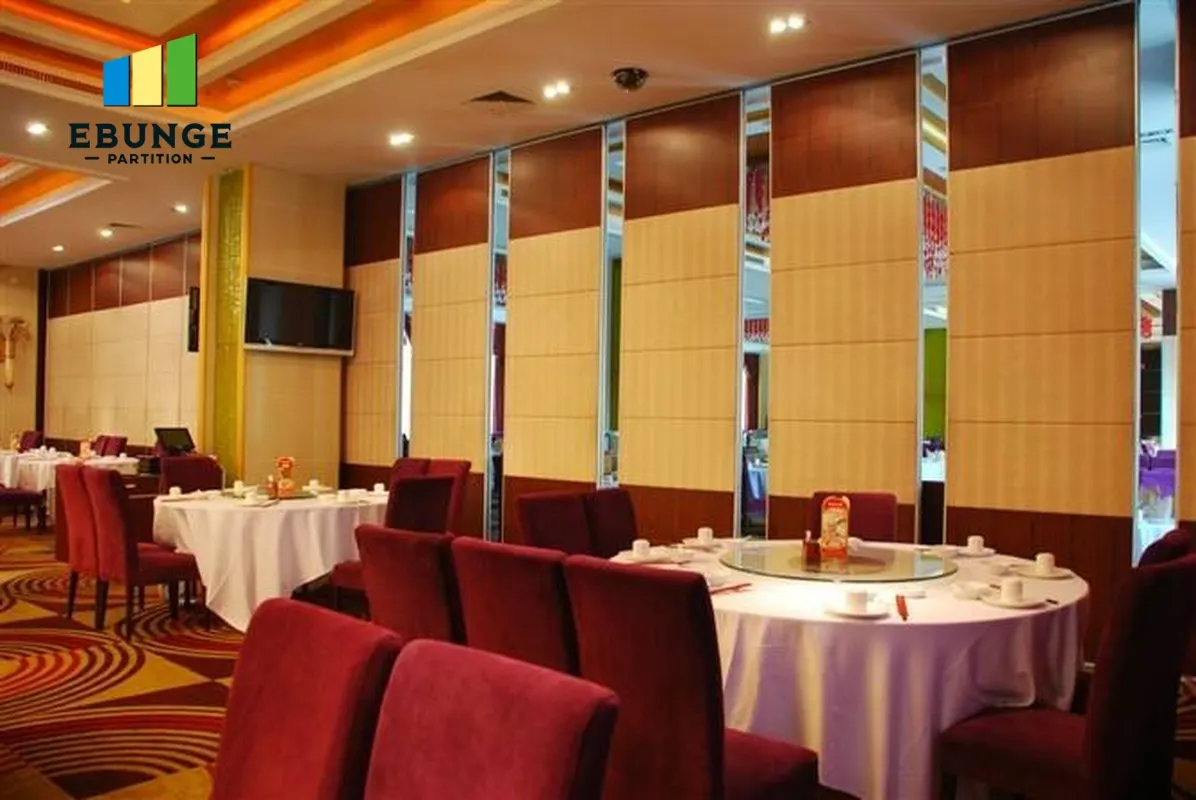
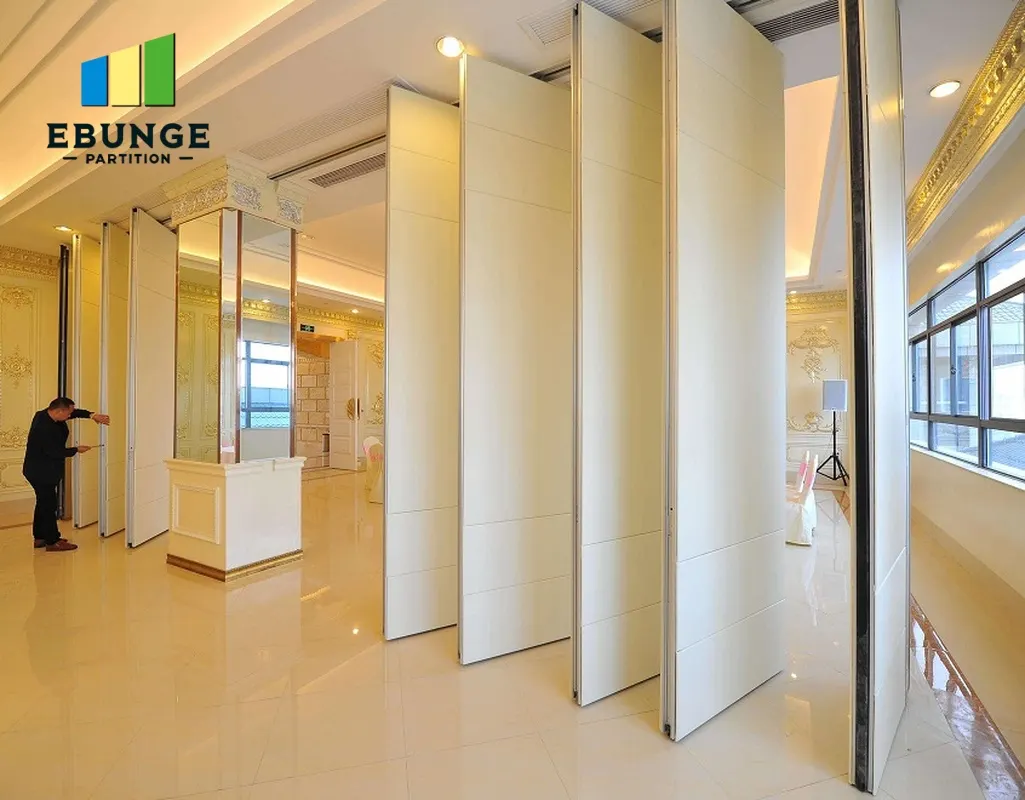
Movable wall panels are individually movable, suspended from a top track, cross the opening without a floor track and park at a planned stacking position. Those are maintained product facts. They describe how the system is arranged, not how a particular building will perform.
Everything else needs project-specific confirmation. Support conditions, acoustic requirements, dimensional coordination and finish suitability must be checked against the actual layout and specification. The log should make that boundary visible rather than hiding it in general notes.
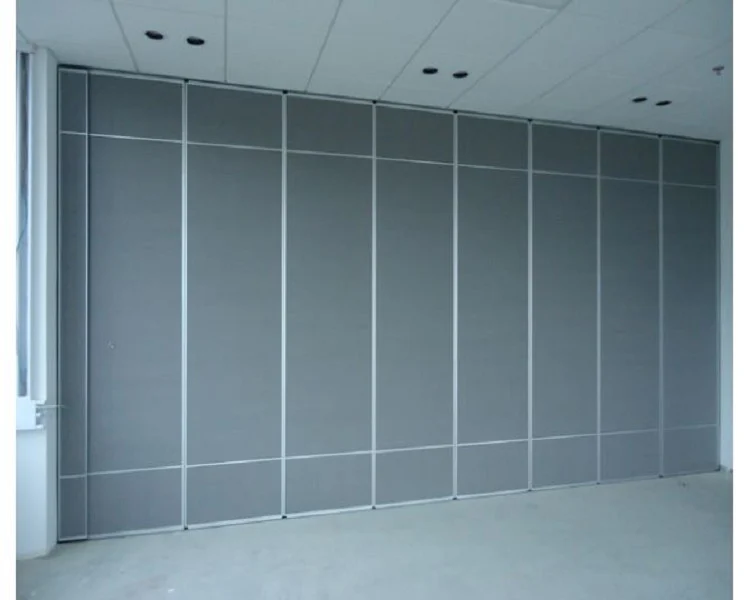
Evidence note: a finish sample or application example does not by itself confirm cleaning compatibility, structural capacity, acoustic performance or a application reference. Those items require matching project evidence.
A Step-by-Step Process for Running the Log
A repeatable process keeps the log useful across design development, tender and construction coordination.
- Open the log early. Create the register before the first tender query is issued.
- Assign a reference. Give every query a unique number linked to the drawing or specification section.
- Classify the query. Mark it as product fact, project-specific requirement or evidence pending.
- Record the response. Note who answered, when and with what supporting document.
- Close the loop. Update the drawing register or specification when a query changes the scope.
- Review before award. Check that no open query affects the operable wall package.
This sequence is deliberately simple. Its value comes from consistent use, not from complexity.
Drawing and Route Checks to Log
The layout review should confirm that every proposed movement path has a continuous connected overhead route. Straight, turning and stacking routes must be reviewed from the layout, and the parking position should be planned rather than assumed.
Questions to record for each route
- Where does the opening begin and end?
- Does the route turn, and how is that turn supported overhead?
- Where will panels stack when the opening is clear?
- Does the stacking position conflict with other building elements?
- Are pass-door requirements shown on the layout?
These questions do not produce engineering conclusions by themselves. They identify what must be confirmed by the responsible project parties.
Coordinating Acoustic and Finish Queries
The log should record the required rating, the test standard referenced by the project and the evidence expected from the supplier.
Finish queries follow a similar pattern. Laminate, melamine, fabric, leather, glass and other approved surfaces may be considered, but suitability depends on the project. The log should record the proposed finish, the area of application and any coordination needed with adjacent materials.
Common Pitfalls in Tender Query Management
Several habits weaken an otherwise good log. Mixing confirmed facts with assumptions is the most common. Another is leaving queries open without an owner or deadline.
Pitfalls to avoid
- Treating a generic finish example as evidence of performance.
- Assuming a stacking position without reviewing the layout.
- Recording acoustic intent without the project-specific rating requirement.
- Leaving pass-door requirements until after tender return.
- Failing to link query responses back to the drawing register.
Each pitfall can be managed by asking for project-specific confirmation and recording the answer in the log.
Frequently Asked Questions
What is an operable wall tender query log?
It is a structured register of questions, answers and evidence references raised during the tender and procurement review of an operable wall package. It keeps clarifications traceable.
Which items require project-specific confirmation?
Support conditions, acoustic requirements, dimensional coordination, finish suitability and pass-door arrangements all require project-specific confirmation. Confirmed product facts cover the top-hung, floor-track-free movement and planned stacking arrangement.
Can the log include acoustic ratings?
Provide the current layout, opening dimensions, ceiling information, intended room use, and relevant project drawings for review. The exact overhead route and support arrangement must be confirmed by the responsible project team from coordinated drawings.
How should finish options be recorded?
Record the proposed finish from the confirmed options, such as laminate, melamine, fabric, leather, glass or another approved surface, and note that suitability depends on the project.
When should the log be closed?
The log should be reviewed before award and kept open for clarifications that affect drawings, specifications or coordination. Open queries should have an owner and a target date.
Does the log replace drawing review?
No. The log supports drawing review by recording what was asked and confirmed. Straight, turning and stacking routes still need to be reviewed from the layout.
Conclusion and Next Steps
A well-run operable wall tender query log procurement review gives project teams a clear record of what is confirmed, what is project-specific and what still needs evidence. Keep the log structured, classify each entry and review it before award. Confirm support, acoustic and dimensional requirements with the responsible parties for your project.
To discuss pass-door requirements, project documentation or finish direction for your operable wall package, contact EBUNGE. You can also review the operable partition product page and the resources section for further planning context.