
Quick answer: operable wall tender query cut
Review focus: operable wall tender query cut.
Operable wall tender query cut-off enforcement is the discipline of closing the question window on a movable partition package, recording every late query, and deciding whether the answer changes the priced scope. Without that discipline, a bidder can ask a seemingly technical question after the cut-off and receive an answer that quietly alters what everyone is pricing. This framework is written for procurement reviewers, contractors, architects and owners who need a defensible record rather than a verbal understanding.
The product context is deliberately narrow. EBUNGE movable wall panels are individually movable, suspended from a top track, cross the opening without a floor track, and park at a planned stacking position. Straight, turning and stacking routes are reviewed from the layout. Finish options include laminate, melamine, fabric, leather, glass and other approved surfaces. Pass-door requirements and project documentation can be discussed. Everything else must be confirmed against the project drawings.
Why the Query Window Matters on a Movable Partition Package
Project review term: operable wall tender query cut.
An operable wall package is not a single product line. It combines panel movement, a top-supported route, a parking position and a set of finish selections. Each of those elements can be described loosely in a tender and interpreted differently by each bidder. A late question often exposes that looseness.
The reviewer’s job is not to answer every question generously. It is to decide whether the answer is clarification of existing tender information or a change to the priced scope. Clarification keeps the bid comparison valid. A scope change may require an addendum, a revised return date or a fresh comparison.
Clarification versus scope change
A clarification restates what the tender already required. A scope change introduces a new requirement, removes one, or shifts responsibility. The exact route, junction arrangement, continuous overhead path and parking position must be confirmed from the coordinated project drawings. Treat it as a change, not a courtesy reply.
A Logging Framework for Late Bidder Questions
Coordination scope: operable wall tender query cut.
Every late query should enter a single register with a consistent set of fields. The register is the evidence trail. It should show what was asked, when it arrived, who received it, and what decision followed.
- Record the receipt. Note the date and time the query arrived relative to the stated cut-off.
- Restate the question. Rewrite it in neutral terms so the technical issue is clear without the bidder’s framing.
- Classify the subject. Movement route, parking, finish, pass-door, documentation or commercial terms.
- Test against the tender. Identify the clause or drawing the question touches.
- Decide the status. Clarification, scope change, or out of scope.
- Issue consistently. If the answer affects one bidder, it affects all bidders.
- Close the entry. Record the final answer and any addendum reference.

What the register should never contain
The suitability of each route and parking arrangement depends on the approved layout, circulation, ceiling interfaces and operating sequence. If a bidder asks whether a route will work, the register should point to the layout review, not to an unverified conclusion.
Deciding Whether an Answer Changes the Priced Scope
Checklist focus: operable wall tender query cut.
The decision test is simple to state and hard to apply consistently. Ask whether a reasonable bidder, reading only the original tender, would have priced the same work. If the answer introduces work that was not visible in the original documents, the scope has changed.
| Query subject | Likely status | Reviewer action |
|---|---|---|
| Restating an existing finish requirement | Clarification | Answer to all bidders, no addendum |
| Adding a turning route not shown on the layout | Scope change | Addendum and revised comparison |
| Confirming a pass-door requirement already listed | Clarification | Answer to all bidders |
| Introducing a finish outside the approved list | Scope change | Addendum or rejection |
| Requesting project documentation format | Clarification | Answer to all bidders |
When the answer is genuinely unclear
Do not let the bidder’s question become the specification. The tender documents, not the query, define the baseline.
Coordinating the Cut-Off Across the Project Team
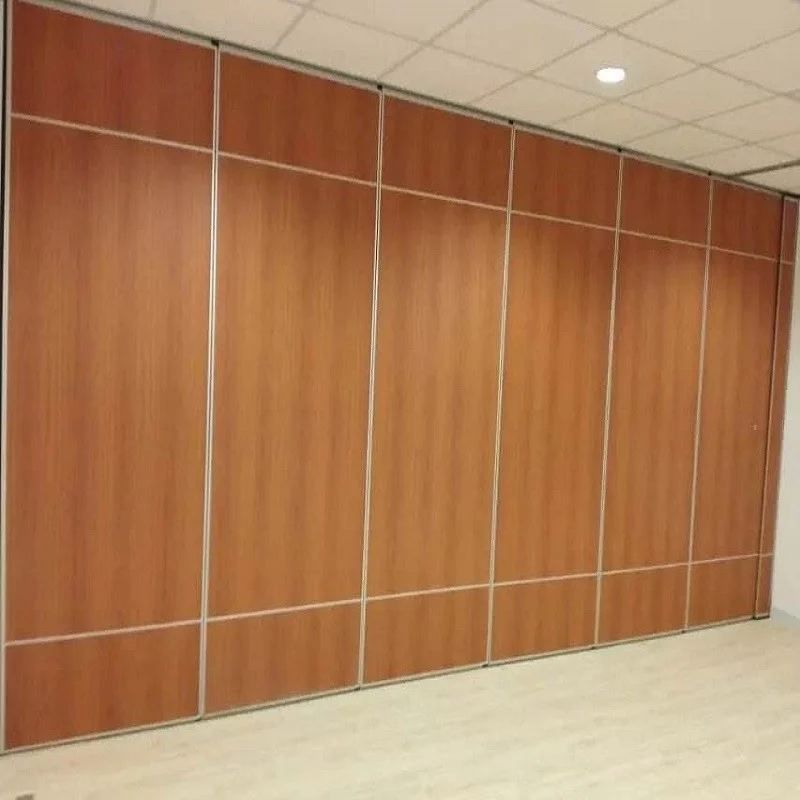
Review focus: operable wall tender query cut.
Cut-off enforcement fails when different team members answer different bidders informally. A single channel and a single owner for the register prevent that. Architects and interior designers should be consulted on drawing intent; contractors should confirm site constraints; owners should confirm commercial priorities. None of those conversations should bypass the register.
For broader procurement and tender review coordination, the EBUNGE resources page provides public planning context. It does not replace project-specific engineering or performance evidence, and it should not be treated as a substitute for the tender documents.
Evidence note
This framework addresses process and record-keeping. It does not establish acoustic performance, structural capacity, dimensional limits or commercial outcomes for any project. Those items require project-specific confirmation against the drawings and the applicable specification.
Common Mistakes That Weaken the Cut-Off
Project review term: operable wall tender query cut.
One recurring mistake is answering a late question only to the bidder who asked. That creates an uneven bid field and undermines the comparison. Another is treating a scope change as a clarification because the change seems small. Small changes still move the price.
A third mistake is leaving the register incomplete. If the final answer is not recorded, the tender file cannot show why the priced scope changed. Reviewers should close every entry, even when the decision is to reject the query as out of scope.
Checklist before issuing any late answer
- Is the query logged with date and time?
- Is the subject classified against the tender?
- Has the drawing intent been confirmed where needed?
- Is the status recorded as clarification or scope change?
- Will the answer be issued to all bidders?
- Is an addendum required?
- Is the final decision closed in the register?
How This Connects to the Operable Wall Specification
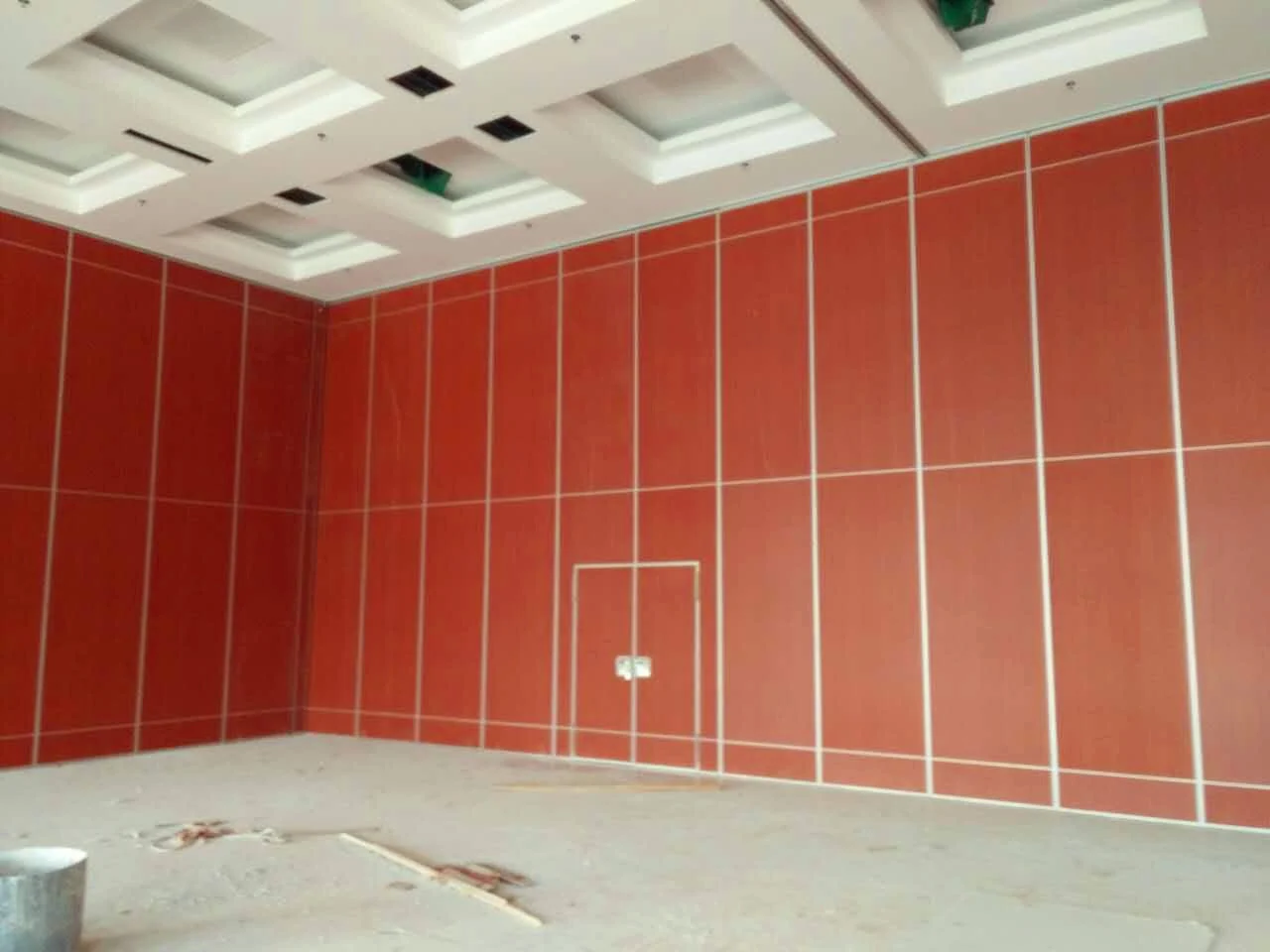
The specification should describe the movement concept clearly enough that bidders do not need to guess. It should state that panels are top-hung, that they cross the opening without a floor track, and that parking is planned from the layout. It should list the approved finish options and note that pass-door requirements and project documentation can be discussed.
Where the specification is silent, bidders will ask. That is normal. The cut-off framework exists to handle those questions without letting them redefine the package. For maintained product context, see the operable partition product page.
FAQ: Late Queries and Priced Scope
What counts as a late bidder question?
Any question received after the stated cut-off in the tender documents. The register should record the receipt time so the status is clear.
Can a late answer change the priced scope?
Yes, if it introduces, removes or shifts a requirement. That is a scope change and should be handled through an addendum rather than an informal reply.
Should late answers go to every bidder?
If the answer affects the priced scope or the interpretation of the tender, it should be issued consistently to all bidders so the comparison remains fair.
How should acoustic questions be handled?
Project-specific acoustic requirements need their own confirmation and should not be inferred from a generic description.
What if the bidder asks about a turning or stacking route?
Refer to the layout review. Straight, turning and stacking routes are reviewed from the layout, and any change to those routes should be assessed as a potential scope change.
Does this framework guarantee a fixed price?
No. It supports a defensible process. Commercial outcomes depend on the tender documents, the addenda and the project-specific requirements confirmed by the responsible parties.
Conclusion: Keep the Record, Protect the Comparison
Operable wall tender query cut-off enforcement is ultimately about protecting the integrity of the bid comparison. Log every late question, classify it against the tender, decide whether the priced scope moved, and issue answers consistently. Confirm project-specific support, acoustic and dimensional requirements with the responsible design and engineering parties before relying on any answer.
If your team needs to discuss pass-door requirements, finish options or project documentation for a movable partition package, contact EBUNGE to continue the conversation.