
Quick answer: tender evaluation matrix
Review focus: tender evaluation matrix.
When an operable wall tender evaluation matrix track interface weighting is built without a clear method, bids can look comparable while describing different scopes. The track interface is where the suspended panel route, the building structure and the finished opening meet. The exact overhead route and support arrangement must be confirmed by the responsible project team from coordinated drawings. This article sets out an evidence-bounded framework for overseas contractors, architects, designers, owners and procurement teams. It does not replace project-specific engineering, acoustic or dimensional review.
Why the track interface deserves its own weighting line
Project review term: tender evaluation matrix.
Operable wall panels are individually movable and suspended from a top track. They cross the opening without a floor track and park at a planned stacking position. That simple description hides a coordination problem: the top track must follow a continuous connected overhead route, and the route must be reviewed against the real layout.
If a matrix treats the partition as a single line item, bidders may interpret the interface differently. The exact route, junction arrangement, continuous overhead path and parking position must be confirmed from the coordinated project drawings. The evaluation then compares unlike offers. Giving the track interface its own weighted line forces each bidder to state assumptions in the same place.
What the tender documents should fix before scoring
Coordination scope: tender evaluation matrix.
Weighting only works when the baseline is stable. Before scores are compared, the tender package should fix the opening geometry, the intended movement path and the parking intention. Straight, turning and stacking routes are reviewed from the layout, so the layout must be issued in a controlled revision.
Drawing and schedule inputs
- Coordinated plan and reflected ceiling plan showing the opening and adjacent structure.
- The suitability of each route and parking arrangement depends on the approved layout, circulation, ceiling interfaces and operating sequence.
- Stated parking position and whether compact stacking is intended.
- Finish schedule identifying laminate, melamine, fabric, leather, glass or other approved surfaces.
- Pass-door requirements, if any, and the project documentation expected with the offer.
Visible references can support layout discussion but do not verify hidden construction or performance. They simply make the offers comparable.
A weighting model that separates scope from evidence
Checklist focus: tender evaluation matrix.
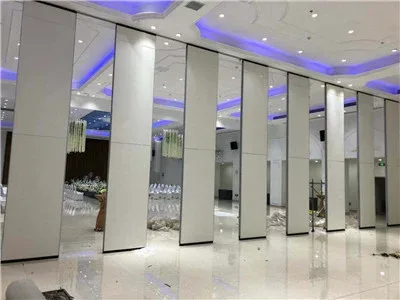
A useful matrix separates what is offered from how well it is evidenced. Two bidders may both claim to meet the brief; only one may show the drawing logic that supports the claim. The table below is a structure, not a scoring mandate. Weights should be set by the project team.
| Weighted line | What it tests | Evidence to request |
|---|---|---|
| Route definition | Straight, turning and stacking paths reviewed from the layout | Marked-up plan showing the continuous overhead route |
| Interface coordination | How the top track meets the structure and adjacent finishes | Interface drawing or written scope statement |
| Parking strategy | Where panels rest when the opening is clear | Stacking position shown on the layout |
| Finish scope | Which approved surfaces are included | Finish schedule cross-reference |
| Documentation | Completeness of the offer package | Submittal list and pass-door requirements |
If acoustic criteria are part of the brief, they need their own project-specific evidence route.
How to score without inventing hidden performance
Review focus: tender evaluation matrix.
Scoring should reward clarity, not unverifiable confidence. The following sequence keeps the review disciplined.
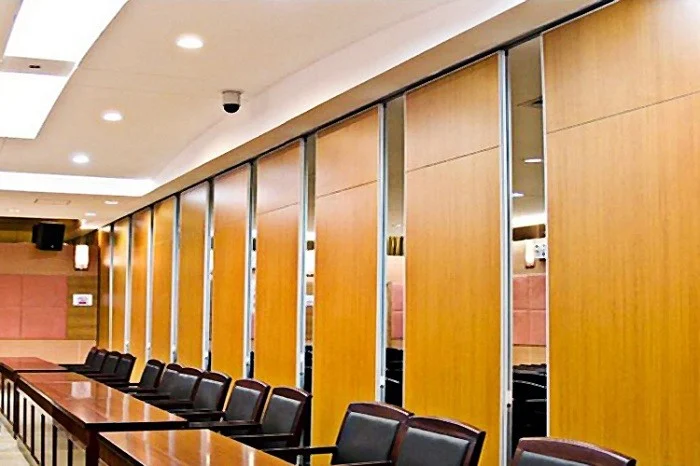
- Confirm the tender baseline revision and issue it to all bidders.
- Ask each bidder to mark the movement route and parking position on the same layout.
- Compare route definitions before comparing commercial totals.
- Request the documentation list, including pass-door requirements.
- Record every item that still needs project-specific support, acoustic or dimensional confirmation.
- Score evidence quality separately from scope inclusion.
This order prevents a polished narrative from outweighing a missing interface drawing. It also gives the evaluation panel a defensible record of why a score was given.
Common weighting mistakes in procurement and tender review
Project review term: tender evaluation matrix.
One frequent mistake is double-counting. If the track interface is weighted heavily and the partition line also includes the same interface, the same risk is scored twice. Define each line once.
A finish option is a finish option. It does not carry engineering meaning unless the project documents say so.
Evidence note
Weighting should reflect what the bidder has shown for this project, not what a similar-sounding project might suggest. Where evidence is absent, the matrix should record a confirmation requirement rather than a score.
Coordinating the matrix with the wider project team
The evaluation matrix is not only a procurement document. It is a coordination tool. Architects and interior designers can use it to check that the overhead route is shown on the layout. Contractors can use it to confirm that the interface scope is priced. Owners can use it to see which assumptions remain open.
For renovation projects, the existing structure and finishes may limit what can be reviewed from drawings alone. In those cases, the matrix should include a line for site verification before final award. This is not a performance claim; it is a risk-control step.
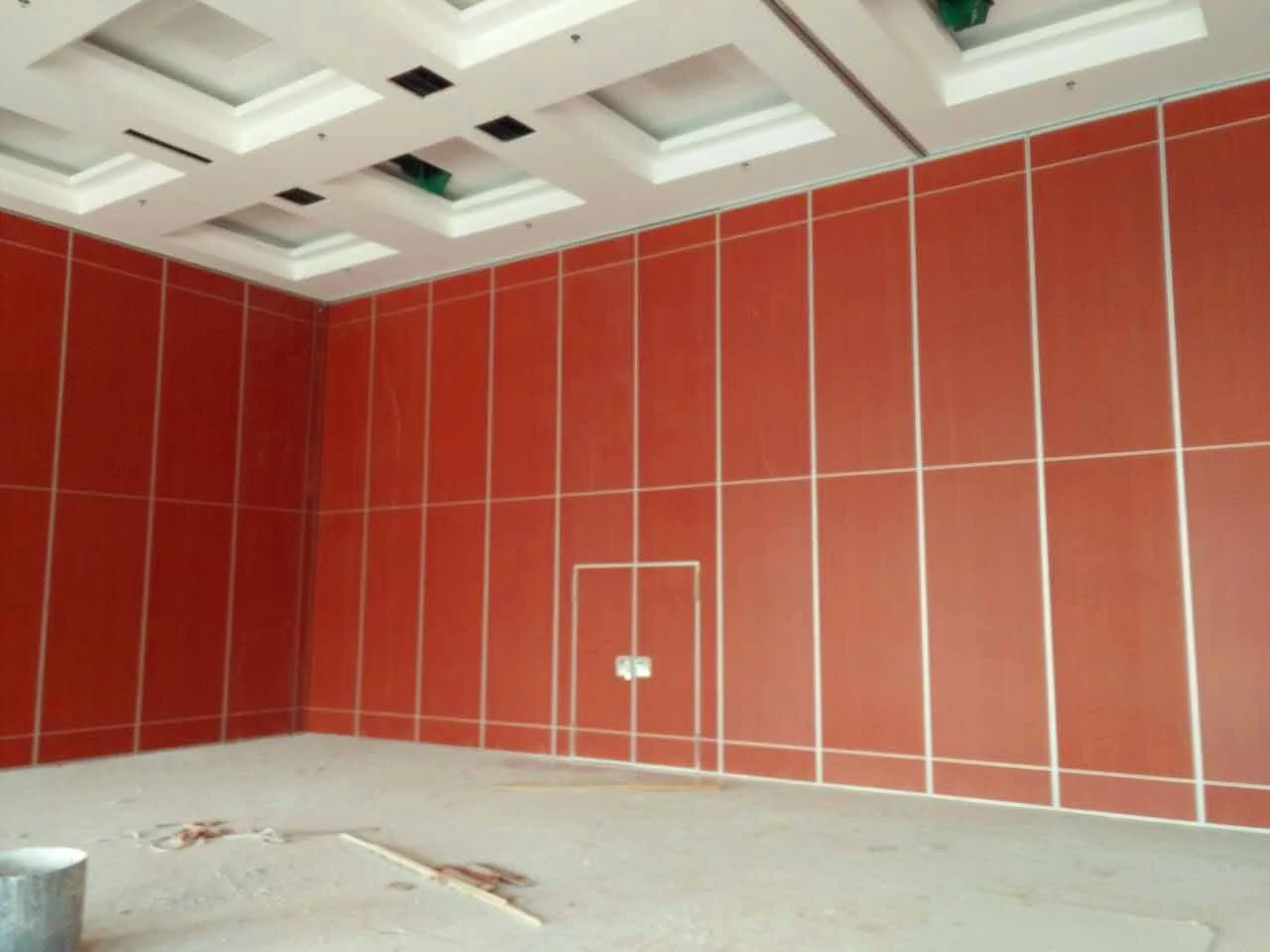
Distributors and construction teams can also use the same structure when preparing offers, so that submissions answer the weighted lines directly. Further general guidance is available in the EBUNGE resources section, and the maintained product context is set out on the operable partition product page.
Frequently asked questions
What is the track interface in an operable wall tender?
It is the zone where the suspended top track, the building structure and the finished opening meet. Because panels are top-hung and cross the opening without a floor track, this interface must be reviewed from the layout before offers are compared.
Should the track interface be weighted separately from the partition?
Yes, if the tender brief allows different route or parking interpretations. A separate weighted line makes assumptions visible and reduces the risk of comparing unlike scopes.
Can a bidder claim acoustic performance in the matrix?
Provide the current layout, opening dimensions, ceiling information, intended room use, and relevant project drawings for review. The exact overhead route and support arrangement must be confirmed by the responsible project team from coordinated drawings.
What drawings should be requested with each offer?
At minimum, a marked-up plan showing the continuous overhead route, the parking position and any turning path. Interface drawings or written scope statements help the panel compare submissions.
How should pass-door requirements be handled?
Pass-door requirements and project documentation can be discussed with the supplier and should be listed in the tender package so that every bidder prices the same scope.
Does a finish option prove anything about performance?
No. Laminate, melamine, fabric, leather, glass and other approved surfaces are finish choices.
Conclusion and next step
It does something more useful: it makes the track interface visible, comparable and reviewable. Weight the route definition, the interface coordination, the parking strategy, the finish scope and the documentation. Then record every item that still needs project-specific support, acoustic or dimensional confirmation.
If your team is preparing an operable wall tender and wants to discuss layout review, finish options, pass-door requirements or project documentation, contact EBUNGE to continue the conversation.