
Quick answer: bid clarification response register
Review focus: bid clarification response register.
An operable wall tender bid clarification response register is the controlled log that records every question raised during tender review, the answer issued, the supporting document behind it, and the date the answer became binding. It is not a chat thread. On movable partition packages, the register is where commercial, architectural and site teams agree on what the tender actually requires before anyone commits to a price or a programme. This guide sets out a practical method for running that register, with clear boundaries around what the documents can and cannot prove.
Why a Clarification Register Matters on Movable Wall Packages
Project review term: bid clarification response register.
Operable partitions are configured around the opening, the parking position and the route the panels travel. The suitability of each route and parking arrangement depends on the approved layout, circulation, ceiling interfaces and operating sequence. When a tender document is silent on one of them, each bidder may price a different assumption. The register converts those assumptions into shared, written positions.
A well-run register also protects the evaluation team. It shows which answers were issued, which drawings were current, and which items remained open at bid close. That record matters later when a contractor, architect or owner needs to explain why a particular configuration was selected.
Set Up the Register Before the First Query Arrives
Coordination scope: bid clarification response register.
Build the register structure at tender issue, not after questions start arriving. Agree the columns, the numbering format and the response owner in advance. Panel handling and the operating sequence must be confirmed for the selected layout and project conditions.
Core fields to agree
- Clarification reference number and date received.
- Originator, discipline and the tender document clause or drawing number referenced.
- Question as submitted, without paraphrasing.
- Answer issued, with the responder named.
- Supporting document or drawing revision that the answer relies on.
- Status: open, answered, superseded or withdrawn.
- Distribution list and date issued to all bidders.
Keep one register for the package. If separate registers exist for commercial and technical queries, cross-reference them so no answer is issued twice with different wording.
Classify Each Query by Evidence Type
Checklist focus: bid clarification response register.
Document-based queries
These can be answered from the tender pack itself: drawing revisions, finish schedules, opening dimensions, stacking location and pass-door requirements. The answer should cite the exact document and revision.
Project-specific queries
These depend on the actual building. Support conditions above the track, ceiling structure, route geometry and interface with adjacent finishes usually fall here. The register should record that the item requires project-specific review rather than issuing a generic answer.
Performance queries
Acoustic, fire and durability questions must be answered only from project-specific evidence. Where evidence is not yet available, the register should say so plainly.
Run the Response Cycle Consistently
Review focus: bid clarification response register.
A predictable cycle keeps bidders on the same information and reduces last-minute changes. The steps below work for most operable wall tenders, whether the project is a hotel ballroom, a school hall, an office training room or a flexible workplace.
- Log the query on the day it arrives and assign a reference number.
- Route it to the discipline owner and set a response deadline.
- Draft the answer with the supporting document reference attached.
- Review the draft against the evidence boundary before release.
- Issue the answer to all bidders at the same time.
- Update the register status and note any drawing revision triggered.
- Re-issue the consolidated register at defined intervals.
An answer issued to one bidder and not the others creates an uneven tender and weakens the eventual comparison.
Keep Answers Inside the Evidence Boundary
The register is a record of what the project documents support. It is not a place to resolve uncertainty by assertion. Three habits keep the boundary intact.
State the confirmation required
This is more useful to bidders than a vague reassurance.
Separate product facts from project facts
Product-level statements describe how the system works in general. Project-level statements describe this building. Mixing the two in one answer is the most common source of later disputes.
Avoid inferred performance
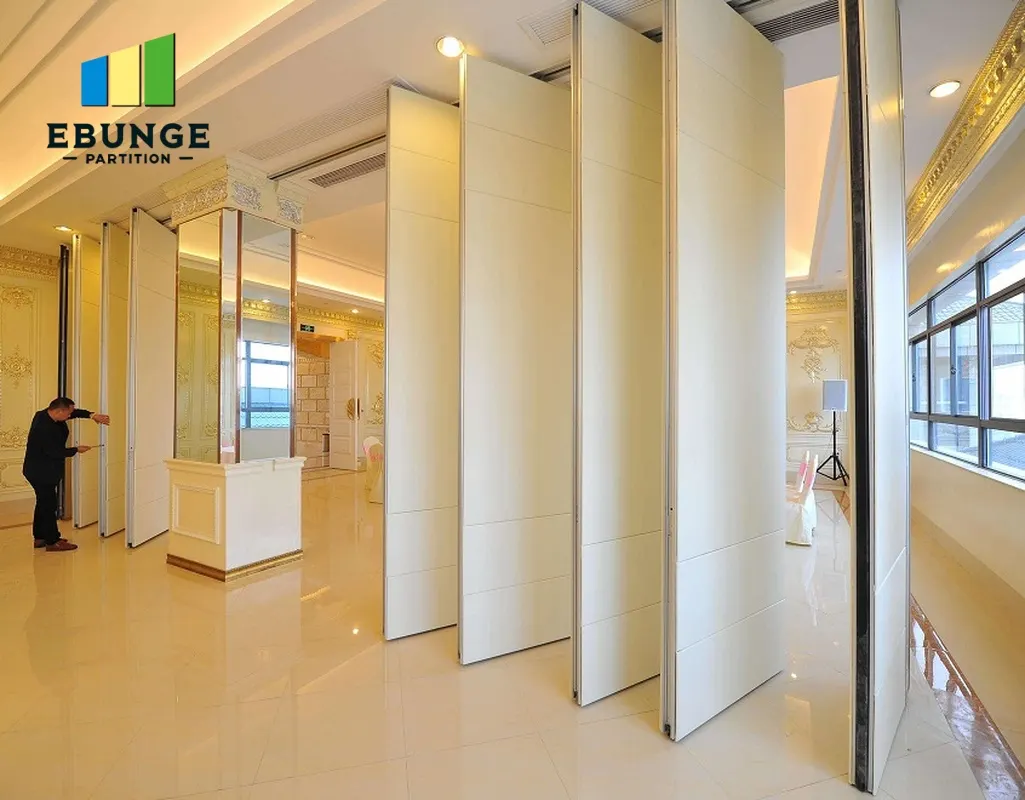
Visible references can support layout discussion but do not verify hidden construction or performance. If the evidence is not in the pack, the register should record the gap.
Coordinate Across Disciplines and Bidders
Clarifications rarely belong to one person. The register should show who owns the answer and who must be copied.
For overseas projects, time zones and language can slow the cycle. A single register with clear status fields reduces the need for repeated email threads. Where a query affects the specification, note whether the specification text itself needs a formal addendum.
Close Out the Register Before Award
Before tender close, review every open item. Anything still unresolved should be listed for the evaluation team with a clear note on what evidence is missing. This prevents an assumption from being treated as an agreed requirement.
Pre-award checklist
- Every query has a status and a named responder.
- All answers reference a current document revision.
- Superseded answers are marked and removed from active use.
- Open items are listed with the confirmation still required.
- The final register is issued to all bidders.
This close-out step is also the point to confirm pass-door requirements, finish selections and the documentation the project team expects to receive.
Frequently Asked Questions
What is an operable wall tender bid clarification response register?
It is a controlled log of questions raised during tender review, the answers issued, the supporting documents behind each answer, and the status of each item. It becomes part of the tender record.
Who should own the register?
Usually the party issuing the tender, such as the main contractor or the consultant managing procurement. The owner maintains the numbering, issues consolidated updates and ensures answers reach all bidders.
Can acoustic performance be confirmed from the register alone?
No. The register should record the confirmation required rather than issue a performance figure.
How should support and track questions be handled?
Treat them as project-specific.
What finish information belongs in the register?
Record the finish category under consideration, such as laminate, melamine, fabric, leather, glass or another approved surface, and note that final selection and compatibility are confirmed for the project.
When should the register be closed?
Close it before award, after every item has a status. Any remaining open items should be listed with the evidence still required so they are not mistaken for agreed requirements.
Conclusion and Next Step
A disciplined clarification register keeps an operable wall tender grounded in the documents the project actually has. It separates product facts from project facts, records the confirmation still required, and gives every bidder the same information. Start the register at tender issue, classify each query by evidence type, and close it out before award.
To discuss pass-door requirements, finish options, layout review or project documentation for a movable partition package, contact the EBUNGE team. You can also review the operable partition product range and browse further planning resources before finalising your tender documents.