
Quick project answer
Review focus: operable wall tender.
An operable wall tender bid clarification log is the single register that records every question, answer, assumption and drawing revision exchanged during procurement. It keeps bidders aligned, protects the owner from scope drift and gives reviewers a clear audit trail. This guide explains how to structure that log for movable partition packages, what evidence to request and where to stop short of unsupported conclusions. Confirm all project-specific support, acoustic and dimensional requirements with qualified specialists before finalising any tender.
Why a Clarification Log Matters for Movable Partition Tenders
Movable partitions are top-hung systems: panels are individually movable, suspended from a top track, cross the opening without a floor track and park at a planned stacking position. Because the route, parking zone and finish schedule all interact, a verbal clarification can easily be misread by one bidder and priced differently by another.
A structured log converts those exchanges into a controlled record. It also separates confirmed product facts from project-specific assumptions, so reviewers can see exactly which items still need drawing review or specialist confirmation.
Set Up the Log Before Queries Arrive
Create the register as soon as the tender package is issued. Agree a numbering convention, an owner for each entry and a response deadline. Without this discipline, clarifications arrive by email, chat and mark-up, and the evaluation team loses visibility.
Core fields to include
- Clarification ID, date raised and date closed
- Originator and discipline (architect, contractor, owner, supplier)
- Tender section or drawing reference
- Question in full, without paraphrasing
- Answer, responder and supporting document reference
- Status: open, answered, superseded or withdrawn
- Impact flag: layout, finish, route, parking or documentation
Route, Parking and Layout Questions to Log
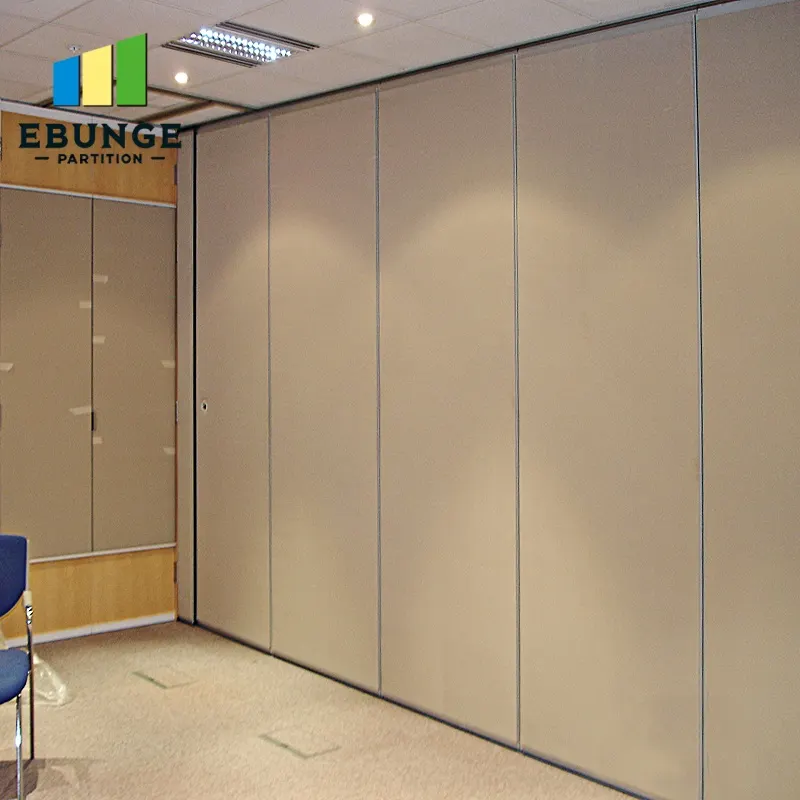
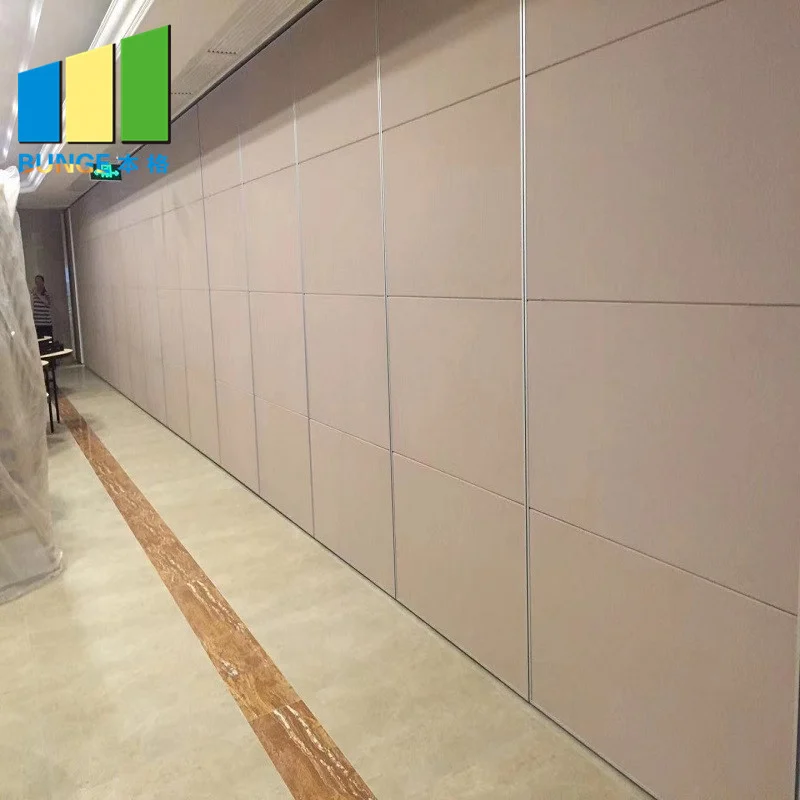
Straight, turning and stacking routes are reviewed from the layout. Every proposed movement path requires a continuous connected overhead route and project-specific support review. The log should capture the submitted layout, the intended parking position and any turning condition that affects the opening.
The exact route, junction arrangement, continuous overhead path and parking position must be confirmed from the coordinated project drawings. If a route is unclear, raise a clarification and request a marked-up drawing rather than a written assurance.
Evidence note
Record what the drawing shows, not what a finish sample or photograph implies. Visible shape, colour or surface does not demonstrate acoustic, structural or installation performance.
Finish and Interface Clarifications
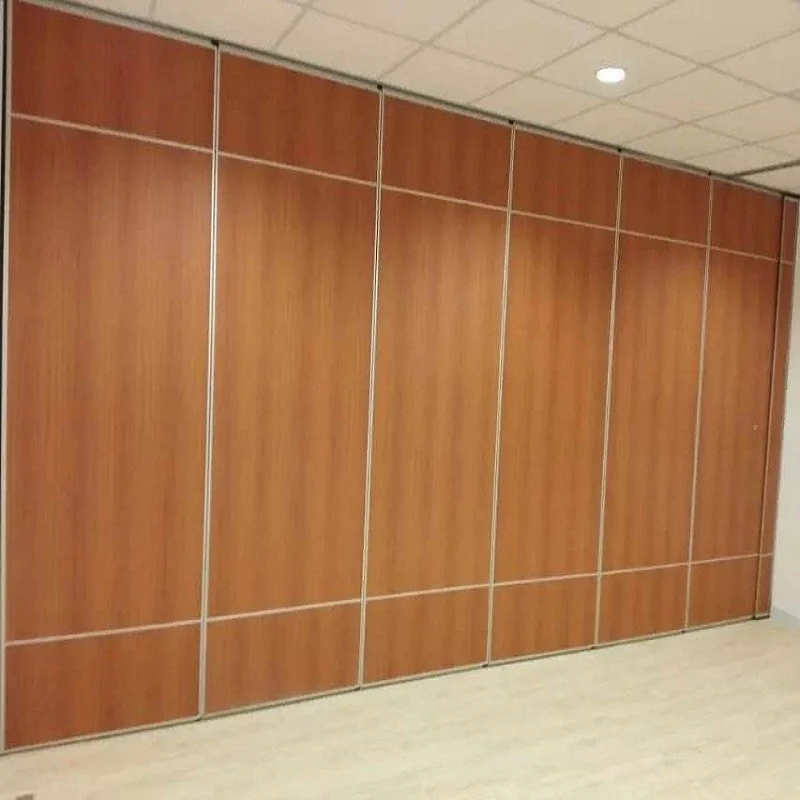
Confirmed finish options include laminate, melamine, fabric, leather, glass and other approved surfaces. The log should record which finish is proposed for each elevation, whether a sample has been submitted and whether the interface with adjacent construction has been coordinated.
Pass-door requirements and project documentation can be discussed with the supplier. Log these as separate line items so they are not buried inside a general finish response.
Acoustic and Sealing Questions: Keep the Boundary Clear
The suitability of each route and parking arrangement depends on the approved layout, circulation, ceiling interfaces and operating sequence.
Seals and acoustic concepts can be explained generically, but the log should record the exact project requirement, the evidence offered and the confirmation still outstanding.
Run the Review Cycle Consistently
- Issue the tender with a clarification deadline and a named contact.
- Log every query on receipt and acknowledge it to the originator.
- Route technical items to the responsible reviewer before answering.
- Publish answers to all bidders simultaneously to keep the field level.
- Reissue affected drawings or schedules with a revision reference.
- Close the log before bid evaluation and archive it with the tender record.
Common Pitfalls in Operable Wall Tender Reviews
One frequent problem is treating a supplier’s marketing description as project evidence. Another is allowing bidders to answer each other’s questions informally. A third is leaving finish, route and parking items in separate documents instead of one register.
Keep the log as the single source of truth. If a clarification changes the scope, update the tender documents and note the revision in the log rather than relying on memory.
FAQ: Operable Wall Tender Bid Clarification Log
What is an operable wall tender bid clarification log?
It is a controlled register that records every question, answer, assumption and drawing revision exchanged during the tender period for a movable partition package.
Who should own the log?
The procurement or contracts lead usually owns the register, with technical reviewers responsible for the accuracy of answers in their discipline.
Which items need project-specific confirmation?
The exact overhead route and support arrangement must be confirmed by the responsible project team from coordinated drawings. Route, parking and interface conditions should be verified against the coordinated layout.
Can finish samples prove acoustic performance?
No. A finish sample shows surface appearance only.
How should pass-door requirements be logged?
Log pass-door requirements as separate line items with the relevant drawing reference, so they are not lost inside a general finish or layout response.
When should the log be closed?
Close it before bid evaluation, once all material clarifications are answered and affected documents have been reissued with revision references.
Conclusion and Next Steps
A well-run clarification log keeps an operable wall tender transparent. It separates confirmed product facts from assumptions, records the evidence offered and shows exactly which items still need project-specific review. Start the register early, keep one source of truth and close it before evaluation.
For product context, review the operable wall partition range and the wider resources library. To discuss pass-door requirements, project documentation or a specific tender, contact EBUNGE.