
When a community center project reaches the stage where operable wall system supplier selection becomes a formal procurement step, the buying process usually shifts from general research to specific qualification. For building material distributors, this stage involves comparing suppliers on technical capability, manufacturing consistency, and export readiness. The operable wall system supplier selection for community centers is not simply about finding a manufacturer that offers movable partition walls; it is about verifying that the supplier can deliver a system that meets acoustic targets, fits the opening dimensions, and arrives on schedule without compromising quality.
Direct answer: To select a reliable operable wall system supplier for a community center, focus on three areas: technical documentation (acoustic data, drawings, and test reports), customization support (finishes, sizes, and track configurations), and export logistics (packaging, lead times, and communication). Prepare a detailed inquiry with opening sizes, acoustic requirements, finish preferences, and project location, then evaluate suppliers based on their response quality and ability to provide clear specifications.
Community centers often have multipurpose halls, meeting rooms, and activity spaces that require flexible division. The operable wall system must be robust enough for frequent use, yet simple enough for staff to operate. Since distributors act as intermediaries between the manufacturer and the end client, they need a supplier that can provide consistent quality across multiple orders, support custom dimensions, and handle overseas shipping without unexpected delays. This article outlines the key factors to consider during supplier selection, from initial inquiry to final quotation, helping you make an informed decision.
Operable Wall System Supplier Selection: Why Supplier Reliability Matters in Operable Wall Projects
Supplier reliability is the foundation of a successful operable wall installation. A community center cannot afford to have a partition fail during an event or have acoustic performance fall short of expectations. Reliability encompasses consistent manufacturing quality, adherence to lead times, and responsive after-sales support. For distributors, this means working with a manufacturer that has a track record of delivering on promises, provides clear documentation, and is willing to coordinate on custom requirements.
When evaluating reliability, ask for references from similar projects, but avoid relying solely on testimonials. Instead, request samples of the movable partition wall system, including panels, seals, and track components. This allows you to inspect the build quality and finish firsthand. Additionally, verify the supplier’s production capacity and whether they have experience with export orders. A reliable supplier will be transparent about their capabilities and limitations.
Need help turning the operable wall system supplier selection requirements into a practical project layout?
Acoustic Insulation Ratings: What to Look For
Acoustic performance is often a primary requirement for community center partitions. The operable wall system should provide adequate sound insulation between spaces, especially if the center hosts simultaneous activities. Acoustic ratings, such as STC (Sound Transmission Class) or Rw (Weighted Sound Reduction Index), indicate the partition’s ability to reduce sound transmission. However, these ratings are only valid under specific test conditions, so it is crucial to match them with your project’s actual requirements.
When requesting quotations, specify the target acoustic rating for each partition. The supplier should provide test reports from accredited laboratories, but note that field performance may vary due to installation factors. For community centers, a common target is STC 50 or higher, but this depends on the adjacent spaces and noise levels. Discuss the acoustic seal details, such as perimeter seals and bottom seals, as they significantly affect performance. Remember that the operable wall system’s acoustic rating is a system property, not just the panel’s property.
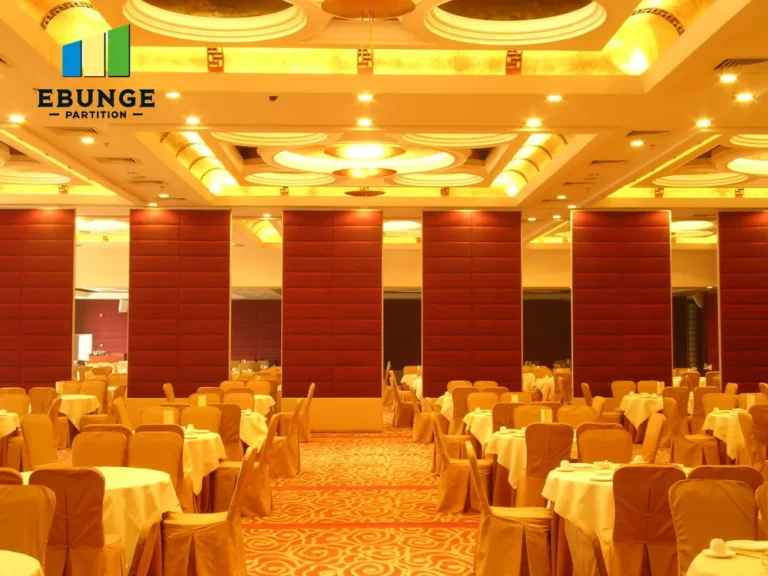
Durability and Ease of Operation
Community center partitions are used frequently, often by non-professional staff. Therefore, durability and ease of operation are critical. The operable wall system should have a robust top-hung track system that supports the panels smoothly without floor rail, reducing trip hazards and simplifying cleaning. The panels should be resistant to impact, scratches, and moisture, especially in high-traffic areas.
Evaluate the hardware quality, including rollers, guides, and locking mechanisms. These components should be designed for repeated use and easy maintenance. Ask about the warranty on the system components, but do not make assumptions; request written warranty terms. Additionally, consider the installation process: a system that is easier to install can reduce labor costs and potential errors. The supplier should provide detailed installation instructions and be available for technical support during installation.
Customization Capabilities for Community Center Layouts
Community centers often have non-standard opening sizes, curved walls, or specific finish requirements. A supplier that offers customization is valuable. The operable wall system should be adaptable to various heights and widths, with options for pass doors, glazing panels, and different surface finishes. For community centers, finishes may include tackable surfaces, whiteboard panels, or acoustic fabric in various colors.
When discussing customization, provide the supplier with detailed drawings or dimensions of the openings. This includes the width, height, and overhead clearance. The supplier should be able to design a system that fits your exact measurements, ensuring a proper seal and smooth operation. Ask about the lead time for custom orders, as this can affect your project schedule. Also, verify that the supplier can provide shop drawings for approval before manufacturing.
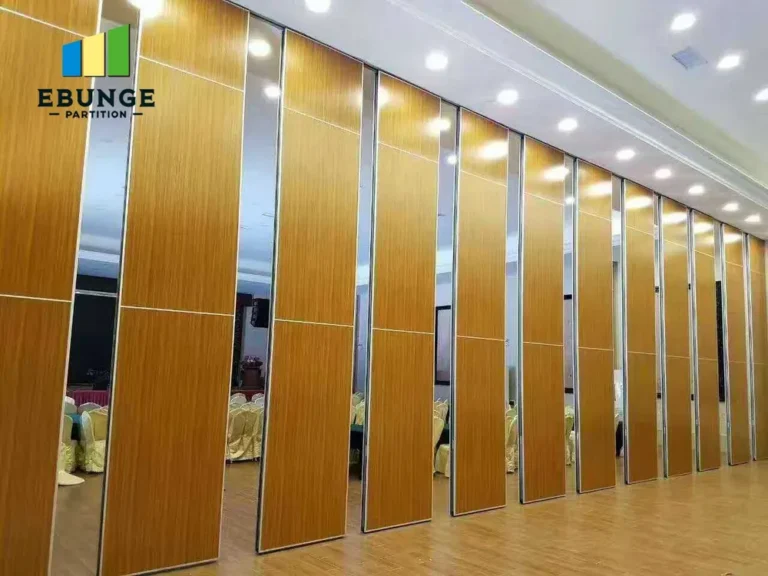
Lead Times and Export Logistics
For distributors sourcing from overseas, lead times and logistics are major concerns. The operable wall system supplier should provide clear lead times for manufacturing and shipping. Discuss the production schedule, including any time needed for customization. Ask about the packaging method to ensure the panels arrive without damage. Export logistics involve documentation, customs clearance, and freight arrangements. A reliable supplier will have experience with international shipping and can advise on the best Incoterms.
When evaluating lead times, consider the total time from order to delivery, including manufacturing, quality control, and transit. Request a timeline in writing and include it in the contract. Also, discuss how the supplier handles potential delays, such as raw material shortages or shipping disruptions. A proactive supplier will communicate any issues early and offer solutions.
Technical Support and After-Sales Service
Technical support is essential, especially during installation and troubleshooting. The supplier should provide clear documentation, including installation manuals, maintenance guides, and spare parts lists. They should be responsive to inquiries and able to assist with technical issues. For distributors, this means having a point of contact who understands the product and can provide guidance.
Ask about the supplier’s after-sales service, such as warranty claims and replacement parts. Understand the process for reporting issues and the expected response time. While you cannot expect unlimited support, a professional supplier will have a structured approach. Also, consider whether the supplier offers training for installers or staff, as this can improve the installation quality and future maintenance.
Share the opening, drawings, finish direction, and privacy target for a project-specific review.
Warranty and Pricing Transparency
Warranty terms should be clearly stated in the quotation. The warranty typically covers manufacturing defects and hardware failures, but not damage caused by misuse or improper installation. Ask for the warranty period and what components are covered. Avoid suppliers that are vague about warranty terms.
Pricing transparency is also crucial. The quotation should itemize costs, including materials, customization, packaging, and freight. This helps you compare suppliers fairly and avoid hidden fees. Ask about payment terms and whether there are any additional costs for export documentation or insurance. A transparent supplier will provide a detailed breakdown.
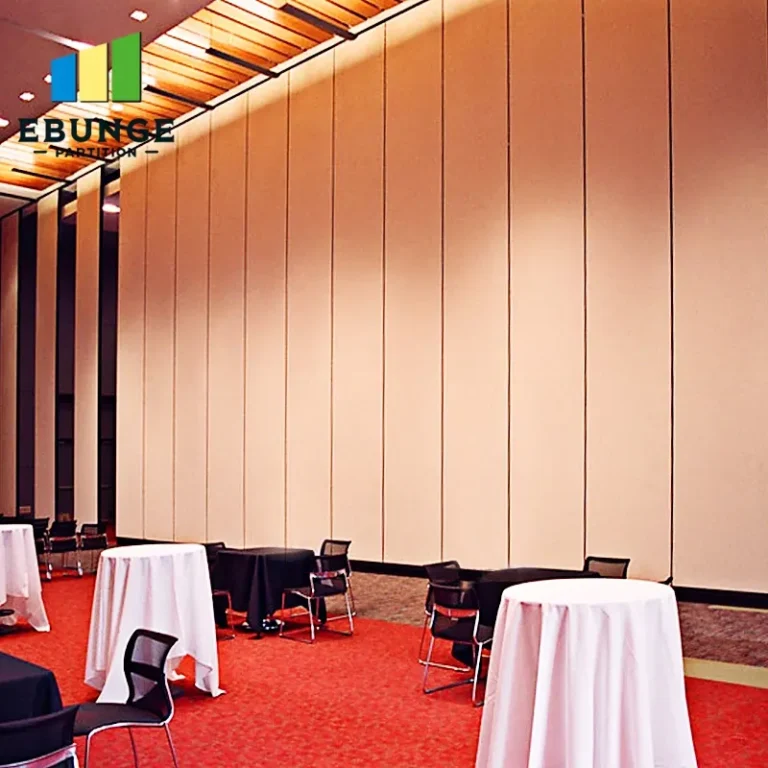
Checklist for Supplier Evaluation
| Criteria | Questions to Ask | What to Look For |
|---|---|---|
| Product quality | Can you provide samples or references? | Consistent finish, robust hardware |
| Acoustic performance | What is the STC/Rw rating? Have tests been done? | Test reports, seal details |
| Customization | Can you accommodate custom sizes and finishes? | Flexibility, shop drawings |
| Lead time | What is the production and shipping time? | Clear timeline, communication |
| Export logistics | How do you handle packaging and customs? | Experience, Incoterms |
| Technical support | What support do you provide during installation? | Documentation, responsiveness |
| Warranty | What is your warranty policy? | Written terms, coverage |
| Pricing | Can you provide a detailed quotation? | Itemized costs, no hidden fees |
Preparing Your Inquiry for Maximum Conversion
To get accurate quotations and efficient responses, prepare a detailed inquiry. Include the following information:
- Opening size: width, height, and depth (if any)
- Drawings or sketches of the space
- Acoustic target (STC or Rw rating)
- Finish preferences (e.g., fabric, laminate, tackable)
- Project location and delivery address
- Expected timeline and quantity
This information allows the supplier to provide a precise quotation and identify any technical challenges. It also demonstrates that you are a serious buyer, which may lead to better pricing and support. When you receive quotations, compare them not only on price but also on the completeness of the proposal and the supplier’s responsiveness.
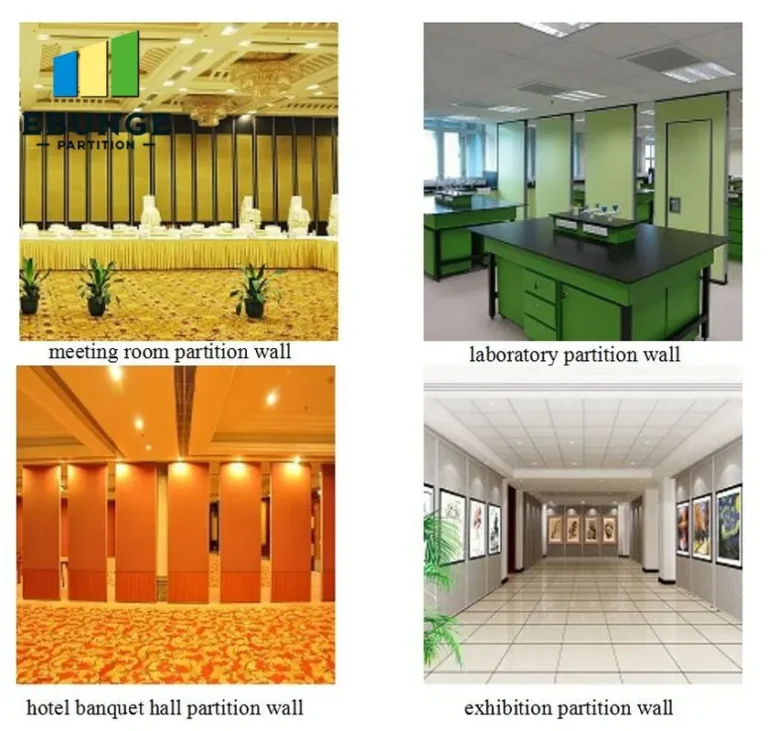
Conclusion
Operable wall system supplier selection for community centers requires a balance of technical capability, reliability, and communication. By focusing on the factors outlined above, you can make an informed decision that meets your project’s needs. Remember to ask for samples, verify acoustic data, and clarify logistics. A trustworthy supplier will be transparent and responsive throughout the process.
For more information on movable partition walls, visit our movable partition wall page or explore our blog for insights. If you have specific requirements, contact us to discuss your project.
Frequently Asked Questions
What is the typical lead time for a custom operable wall system?
Lead times vary based on complexity and order quantity. Typically, custom orders take 4-8 weeks for manufacturing, plus shipping time. Ask the supplier for a specific timeline based on your requirements.
Can operable walls be installed without a floor rail?
Yes, many operable wall systems use a top-hung track system that eliminates the floor rail, providing a flush threshold and easier accessibility. This is common in community centers.
How do I determine the acoustic rating needed for my community center?
Consider the noise levels of adjacent spaces and the activities that will occur. For general multipurpose use, an STC rating of 45-50 is often sufficient. Consult with an acoustician for specific requirements.
What finishes are available for operable wall panels?
Finishes include fabric, vinyl, laminate, wood veneer, and tackable surfaces. You can also choose colors and textures to match the interior design.
Is installation support provided?
Most suppliers provide installation instructions and may offer phone or video support. Some may offer on-site supervision for an additional fee. Clarify this with the supplier.
For this buyer review, operable wall system supplier selection should be checked against the confirmed opening, drawings, operating plan, and project specification.
Send the opening size and drawings to discuss a differentiated operable wall system supplier selection solution.