
Selecting an operable wall system supplier for community centers is a critical decision that goes beyond comparing product brochures. As a building material distributor, your clients rely on you to deliver solutions that meet acoustic, safety, and durability standards, while ensuring smooth project execution. This guide focuses on the actionable steps you need to take during operable wall system supplier selection, from preparing detailed inquiries to evaluating technical proposals. By the end, you’ll have a clear framework to assess suppliers, avoid common pitfalls, and secure a reliable partnership for your community center projects.
Direct Answer: For operable wall system supplier selection for community centers, prioritize suppliers who offer custom engineering support, provide transparent acoustic data, and have proven experience with large-scale public projects. Always request a detailed quotation based on your exact opening dimensions, acoustic targets, and finish preferences, and verify their compliance with local building codes.
Operable Wall System Supplier Selection: Why Community Centers Demand Specialized Operable Wall Solutions
Community centers are multifunctional spaces that host everything from yoga classes to town hall meetings. This versatility requires operable walls that can quickly divide large areas while providing adequate sound insulation and safety. Unlike office partitions, these systems must withstand heavy daily use, frequent reconfiguration, and sometimes even impact from moving equipment. Moreover, they often need to meet specific accessibility and fire safety regulations unique to public buildings.
When you’re evaluating suppliers, look for those who understand these demands. They should be able to recommend appropriate panel thickness, sealing systems, and track configurations that align with your project’s specific requirements. A supplier with a track record in community centers will be better equipped to anticipate challenges and offer solutions that last.
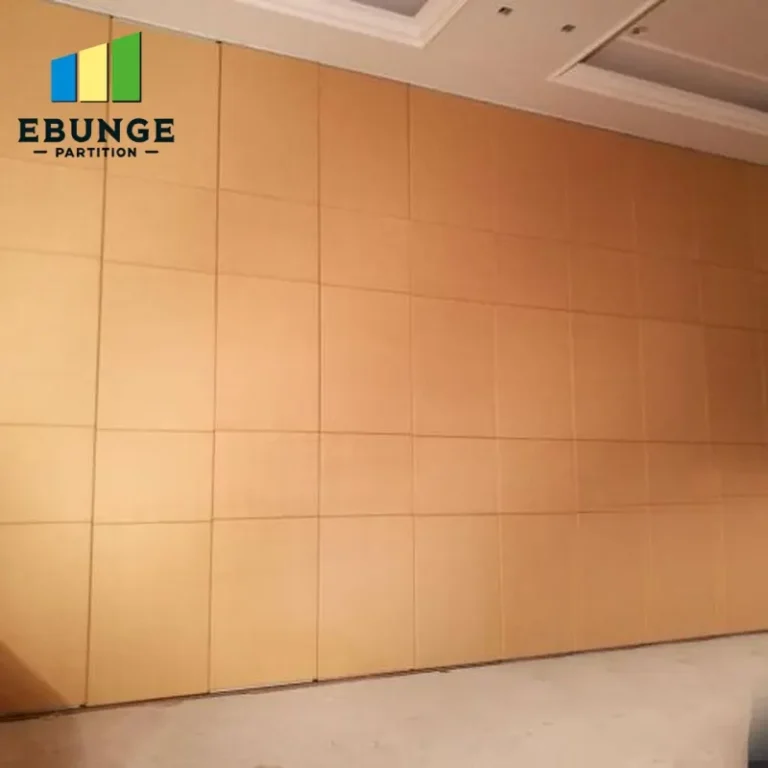
Need help turning the operable wall system supplier selection requirements into a practical project layout?
Preparing a Comprehensive Inquiry: The First Step to Supplier Reliability
The quality of the quotations you receive directly reflects the clarity of your initial inquiry. To ensure suppliers can provide accurate pricing and lead times, you must share detailed information from the start. This includes not just the opening size, but also the desired acoustic performance (STC rating), the frequency of use, and the type of finish (e.g., tackable surface, whiteboard, or wood veneer).
Additionally, specify the project location and any relevant building codes. This helps the supplier assess compliance requirements and advise on necessary certifications. A professional supplier will use this data to prepare a comprehensive proposal, saving you time and reducing the risk of misunderstandings later.
Key Technical Requirements to Verify in a Supplier’s Proposal
When reviewing proposals, focus on the technical specifics that affect performance and installation. For operable walls, the track system is crucial. A top-hung track without a floor rail is often preferred in community centers because it allows for unobstructed floor space and easier cleaning. Verify that the proposed system includes durable hangers and seals that can withstand frequent operation.
Acoustic insulation ratings are another critical factor. Ask for test data that matches your required STC (Sound Transmission Class) or Rw (Weighted Sound Reduction Index). Be wary of suppliers who cannot provide independent test reports. Also, check the panel construction—thicker panels with proper insulation cores generally offer better soundproofing.
Compliance with building codes is non-negotiable. Ensure the supplier’s system meets fire resistance, smoke sealing, and accessibility standards applicable to your project. This might include ADA compliance for door widths and hardware reachability. A reputable supplier will be transparent about these aspects.
Evaluating Supplier Reliability: Beyond the Product
Supplier reliability extends to their manufacturing capacity, quality control processes, and financial stability. Ask about their production lead times, especially for custom orders. A reliable supplier will provide realistic timelines and keep you updated on progress. Inquire about their quality assurance measures—do they conduct in-house testing, and can they provide reference installations?
Additionally, consider their after-sales support. What is their warranty policy, and how do they handle repairs or replacement parts? A supplier committed to long-term relationships will offer clear warranty terms and responsive customer service. Check their reputation by requesting client testimonials or case studies from similar community center projects.
Customization Support: Tailoring Walls to Your Project’s Needs
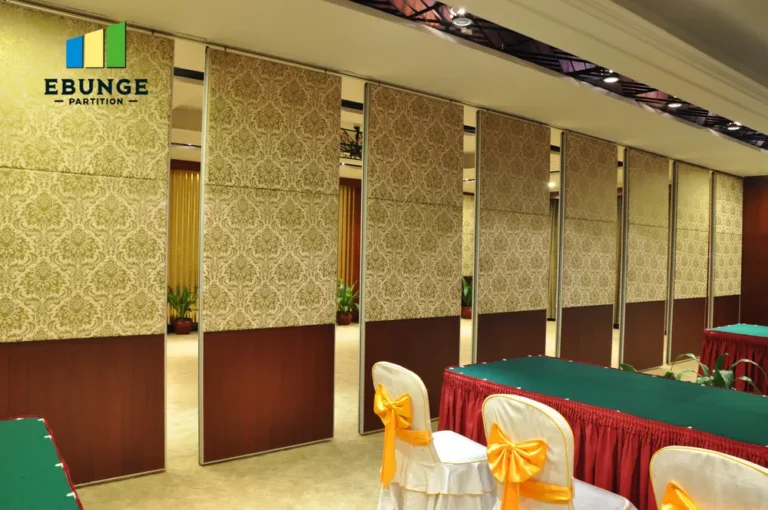
Every community center has unique architectural features, and your operable wall supplier must be able to customize solutions accordingly. This includes adjusting panel sizes to fit irregular openings, incorporating pass doors, or integrating glazing for visibility. During the inquiry stage, ask if they provide CAD drawings or shop drawings for approval.
Customization also extends to finishes. Whether your client wants a durable laminate, a tackable fabric surface for pinning notices, or a premium wood veneer for aesthetic appeal, the supplier should offer a range of options. Ensure they can match finishes to existing interiors and provide samples for verification.
Moreover, consider installation complexity. Some suppliers offer installation services or provide detailed instructions for local contractors. Clarify what level of installation support they provide, as this can affect project timelines and costs.
Share the opening, drawings, finish direction, and privacy target for a project-specific review.
Navigating Overseas Delivery and Logistics
If you’re sourcing from overseas, logistics become a major concern. Delays in shipping, customs clearance, and damage during transit can derail your project. When evaluating suppliers, ask about their experience with international deliveries. Do they have a logistics partner? Can they provide documentation needed for customs?
Request a detailed shipping plan, including Incoterms, estimated transit times, and packaging specifications. A reliable supplier will ensure that panels are properly crated to prevent damage. Also, clarify who is responsible for import duties and taxes. Transparent pricing should include all costs to avoid surprises.
To mitigate risks, consider ordering samples or conducting a factory audit if feasible. This allows you to verify product quality and manufacturing standards firsthand. Many suppliers welcome such visits, and it demonstrates their confidence in their operations.
Price Transparency: Understanding What You’re Paying For
Price transparency is essential for building trust and avoiding budget overruns. A detailed quotation should break down costs for materials, hardware, engineering, packaging, and freight. Be cautious of quotes that seem unusually low—they may indicate substandard materials or hidden fees.
When comparing proposals, look at the total cost of ownership, not just the initial price. Consider durability, warranty coverage, and potential maintenance costs. A slightly higher upfront investment in a quality system can save money in the long run.
Also, clarify payment terms and milestones. A reputable supplier will offer a balanced payment schedule tied to production stages. Avoid suppliers who demand full payment upfront without a clear contract.
Checklist for Operable Wall Supplier Selection
Use this checklist to streamline your evaluation process:
- ☐ Request detailed quotations based on your exact specifications.
- ☐ Verify acoustic test data (STC/Rw) from independent labs.
- ☐ Confirm compliance with local building codes and ADA.
- ☐ Ask for CAD drawings and installation guidelines.
- ☐ Inquire about customization options for finishes and sizes.
- ☐ Assess supplier’s experience with community center projects.
- ☐ Review warranty terms and after-sales support.
- ☐ Clarify shipping terms, Incoterms, and delivery timelines.
- ☐ Obtain references and case studies.
- ☐ Evaluate price transparency and total cost.
Conclusion: Making a Confident Supplier Choice
Operable wall system supplier selection for community centers requires a strategic approach. By preparing thorough inquiries, verifying technical credentials, and evaluating supplier reliability, you can mitigate risks and ensure a successful project. Remember to prioritize customization support, clear communication, and transparent pricing. A partnership built on these foundations will deliver a movable partition wall that meets performance expectations and stands the test of time.
For further guidance, explore our resources on movable partition walls and technical insights. If you’re ready to discuss your project, contact our team for personalized assistance.
Frequently Asked Questions
What information should I provide in an operable wall inquiry?
Provide the opening dimensions (width, height, depth), the required acoustic rating (STC or Rw), the frequency of use, the desired finish (e.g., laminate, fabric, wood), the panel configuration (e.g., number of panels, pass doors), and the project location to ensure code compliance.
How do I verify a supplier’s acoustic claims?
Request independent acoustic test reports from accredited laboratories. Check that the report matches the exact panel configuration and sealing system you intend to use. If the supplier cannot provide such reports, it’s a red flag.
What are the key differences between top-hung and floor-supported tracks?
Top-hung tracks support the wall from above, leaving the floor clear of rails, which is ideal for spaces requiring unobstructed flooring and easier cleaning. Floor-supported tracks provide additional stability but create a floor channel that may collect dirt and obstruct foot traffic.
How can I ensure the operable wall meets building codes?
Ask the supplier for documentation of compliance with relevant standards, such as fire resistance ratings, smoke sealing, and accessibility guidelines. You can also consult with a local code expert to review the supplier’s certifications.
What should I consider when shipping operable walls overseas?
Evaluate the supplier’s experience with international logistics, request a detailed shipping plan, clarify Incoterms, and ensure proper packaging to prevent damage. Also, factor in customs clearance times and potential duties.
Send the opening size and drawings to discuss a differentiated operable wall system supplier selection solution.