
When equipping a community center with versatile spaces, the choice of an operable wall system supplier is a strategic decision that impacts functionality, acoustics, and long-term maintenance. As a building material distributor, you need a partner who understands the nuances of community center applications—from multi-purpose rooms to banquet halls—and can deliver on customization, reliability, and overseas logistics. This guide walks you through the operable wall system supplier selection process, focusing on practical steps to evaluate suppliers, prepare inquiries, and ensure your project meets technical and compliance requirements without surprises.
Quick Answer: For operable wall system supplier selection for community centers, prioritize suppliers with verifiable certifications, factory audit reports, and a proven track record in custom movable walls. Request detailed technical documentation, including acoustic ratings and top-hung track specifications, and ensure they provide transparent lead times and after-sales support for overseas projects. Always validate claims with written evidence and align your quotation with your project’s specific dimensions and performance targets.
Why Supplier Reliability Matters in Community Center Projects
Community centers often require flexible spaces that can host events, classes, and meetings simultaneously. An operable wall system must function flawlessly over years of heavy use. Supplier reliability translates into consistent product quality, on-time delivery, and responsive support when issues arise. For distributors, a reliable supplier reduces the risk of costly delays and customer dissatisfaction. During operable wall system supplier selection, assess the supplier’s production capacity, quality control processes, and financial stability. Request references from similar community center projects and verify their track record independently.
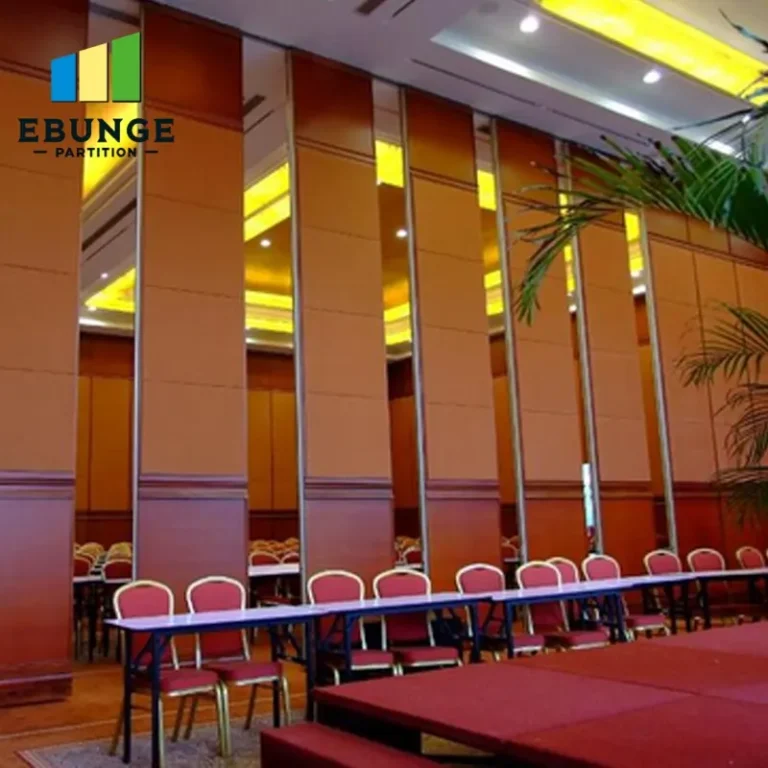
Need help turning the operable wall system supplier selection requirements into a practical project layout?
Certification and Factory Audit: Non-Negotiables
Before engaging a supplier, verify their certifications and conduct or review a factory audit. Look for ISO 9001 quality management, and if applicable, CE marking or other regional compliance. For overseas suppliers, a third-party audit report provides insight into manufacturing capabilities, worker conditions, and quality control. During operable wall system supplier selection, ask for audit reports and check if they align with your buyer expectations. Certification alone isn’t enough; ensure the supplier’s operations are consistent and transparent.
Material Durability and Warranty: What to Check
Operable walls in community centers face frequent operation and potential impact. Evaluate the materials used—steel frames, panel facings, and acoustic cores—for durability and ease of maintenance. Inquire about warranty terms: what is covered, for how long, and under what conditions. A robust warranty indicates supplier confidence, but always read the fine print. For overseas projects, clarify how warranty claims are handled and whether replacement parts are readily available. Insist on documented warranty terms in your contract.
Acoustic Insulation Ratings: Matching Performance to Needs
Community centers often require acoustic separation between spaces. Acoustic performance is measured by Sound Transmission Class (STC) ratings. Determine your target STC based on the activities and building codes. During supplier selection, request acoustic test reports from accredited laboratories. Be cautious of suppliers who provide only theoretical values. Verify that the operable wall system’s seals, panels, and tracks are designed to achieve the stated rating in real-world installation. Remember, acoustic performance depends on proper installation, so ask for installation guidelines and training support.
Top-Hung Track System: Why It Matters for Community Centers
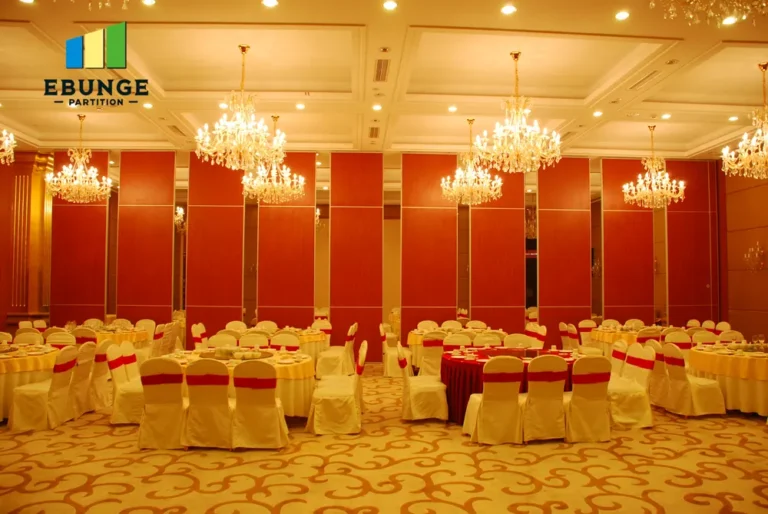
Top-hung track systems suspend the wall from overhead, eliminating floor rails that can trip users and collect debris. This design is ideal for community centers where floor cleanliness and safety are priorities. Evaluate the track system’s load capacity, smoothness of operation, and durability. Ask about the track material (e.g., extruded aluminum) and whether it’s designed for high-frequency use. A top-hung system also simplifies floor maintenance and allows for seamless transitions between spaces. During operable wall system supplier selection, confirm that the supplier offers custom track configurations to fit your building’s structure.
Installation Complexity and Maintenance: Planning Ahead
Operable walls are complex systems that require professional installation. Discuss installation requirements with the supplier: do they provide detailed drawings, installation manuals, and remote support? For overseas projects, consider the availability of local installers or the supplier’s ability to provide on-site supervision. Maintenance is another factor; ask about recommended maintenance schedules and the availability of spare parts. A supplier that offers clear maintenance guidance reduces long-term operational headaches.
Compliance with Local Building Codes
Building codes vary by region and affect fire safety, accessibility, and structural requirements. Ensure the operable wall system complies with your project’s local codes. Ask the supplier for relevant test reports and certificates, such as fire ratings and accessibility features. For overseas suppliers, clarify which standards they test to and whether their products can be adapted to meet local regulations. Non-compliance can lead to project delays and additional costs, so address this early in the selection process.
Share the opening, drawings, finish direction, and privacy target for a project-specific review.
Total Cost of Ownership: Beyond the Quotation
When comparing quotes, consider all costs: product price, shipping, customs duties, taxes, installation, and maintenance. A lower upfront cost may be offset by higher shipping or long-term maintenance expenses. Request a detailed breakdown from each supplier, including Incoterms and estimated delivery times. Also, factor in potential currency fluctuations and payment terms. During operable wall system supplier selection, calculate the total cost of ownership to make an informed decision.
Lead Time and Production Capacity: Meeting Your Schedule
Community center projects often have fixed opening dates. Confirm the supplier’s production lead time and capacity to handle your order size. Ask about their current workload and how they manage peak periods. For overseas orders, include shipping time and customs clearance in your timeline. A reliable supplier will provide realistic lead times and communicate any delays proactively. Build buffer time into your project schedule to accommodate unforeseen issues.
After-Sales Service and Technical Support
Once the operable wall is installed, you may need technical support for adjustments or troubleshooting. Evaluate the supplier’s after-sales service: do they offer a dedicated contact, response time guarantees, and remote diagnostics? For overseas projects, consider time zone differences and language barriers. A supplier that provides comprehensive after-sales support adds value and peace of mind. Ask for a service level agreement (SLA) that outlines support expectations.
Preparing Your Inquiry: Information That Converts
To get accurate quotations and streamline supplier evaluation, prepare a detailed inquiry package. Include:
- Opening sizes and number of units
- Architectural drawings or floor plans
- Acoustic target (STC rating)
- Finish preferences (e.g., laminate, veneer, paint)
- Project location and timeline
- Any special requirements (e.g., fire rating, accessibility)
This information enables suppliers to provide precise proposals and reduces back-and-forth communication. It also demonstrates your professionalism and seriousness, increasing the likelihood of favorable terms.
Checklist for Operable Wall System Supplier Selection
| Criteria | Questions to Ask |
|---|---|
| Certifications | Do you have ISO 9001, CE, or other relevant certifications? Can you provide audit reports? |
| Durability | What materials are used? What is the warranty period and coverage? |
| Acoustics | What STC ratings are achieved? Can you provide test reports? |
| Track system | Is it top-hung without floor rail? What is the load capacity? |
| Installation | Do you provide installation drawings and support? Is there a local installer network? |
| Compliance | Do your products meet local building codes? Can you supply fire and accessibility certificates? |
| Total cost | Can you provide a detailed cost breakdown including shipping and customs? |
| Lead time | What is your production lead time? How do you handle delays? |
| After-sales | What support do you offer post-installation? What is your response time? |
Conclusion: Making an Informed Decision
Operable wall system supplier selection for community centers demands thorough evaluation and clear communication. By focusing on supplier reliability, customization support, and overseas logistics, you can mitigate risks and ensure a successful project. Use this guide to structure your evaluation, and always validate claims with documented evidence. A well-chosen supplier becomes a long-term partner, enabling you to deliver quality solutions to your clients.
Frequently Asked Questions
1. What are the key factors to consider when choosing an operable wall supplier for a community center?
Focus on certifications, factory audit results, material durability, acoustic performance, installation complexity, compliance with local codes, total cost, lead time, and after-sales support. Each factor impacts the project’s success and long-term satisfaction.
2. How do I ensure the operable wall meets acoustic requirements?
Define your target STC rating based on usage and codes. Request acoustic test reports from accredited labs and verify that the entire system (panels, seals, tracks) contributes to the rating. Insist on field testing after installation if possible.
3. What information should I include in my inquiry to get accurate quotes?
Provide opening sizes, drawings, acoustic targets, finish preferences, project location, and timeline. The more detailed your inquiry, the more accurate and comparable the quotes will be. This also shows suppliers you are serious.
4. How can I verify a supplier’s reliability for overseas projects?
Request references from similar overseas projects, conduct or review third-party factory audits, and check their export experience. Ask about shipping methods, customs handling, and communication protocols. A reliable supplier will provide clear answers and documentation.
5. What are the benefits of a top-hung track system over floor-mounted systems?
Top-hung systems eliminate floor rails, improving safety and ease of cleaning. They also allow for seamless floor transitions and are often more aesthetically pleasing. For community centers, this translates to lower maintenance and better accessibility.
For more insights on movable partition walls and supplier considerations, explore our movable partition wall resources or read our blog articles. If you’re ready to discuss your project, contact our team for tailored guidance. You can also browse our manufacturer category to see how we approach custom projects.
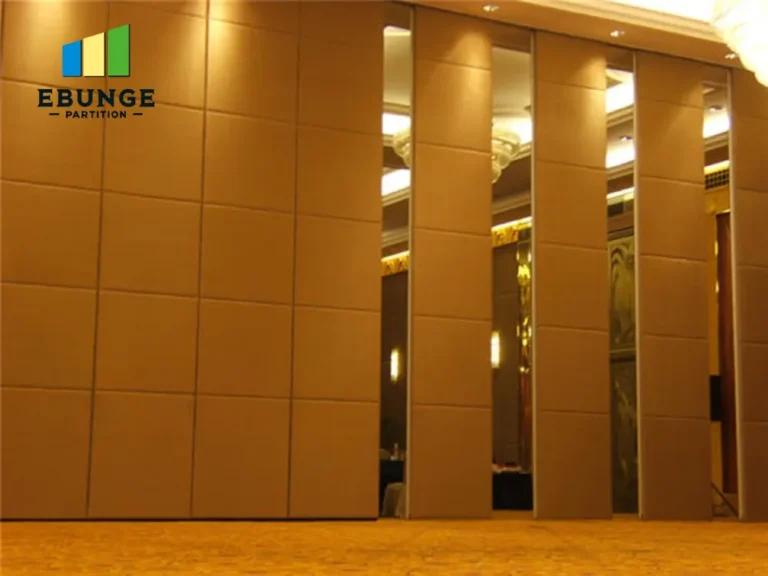
Send the opening size and drawings to discuss a differentiated operable wall system supplier selection solution.