
When planning a community center, the operable wall seal inspection is often the last thing on a designer’s mind—yet it determines whether your movable partition wall performs acoustically, thermally, and aesthetically for decades. For school project buyers and facility managers, understanding seal inspection before you finalize your partition system can save you from costly retrofits and unhappy users. This design-ideas guide walks you through what to check, when to check it, and how to specify a system that is easy to maintain—all while preparing you for a productive conversation with your operable wall supplier.
Direct answer: Operable wall seal inspection involves checking the perimeter seals (top, bottom, and vertical edges) for wear, gaps, and compression loss. For a community center, you should inspect seals at least twice a year, and more often if the wall is used daily. Common issues include hardened or cracked gaskets, misaligned seals, and debris buildup. You can identify acoustic leaks by performing a visual check in a lit room and listening for sound transmission during a simple clap test. A qualified technician or your partition supplier should perform detailed inspections, especially after any impact or adjustment. Inspection costs vary by system and region, but budgeting for routine checks is wise. To extend seal life, keep seals clean, avoid harsh chemicals, and ensure the wall is operated correctly.
Why Seal Inspection Matters for Community Center Partitions
Community centers host a wide range of activities—from yoga classes to town hall meetings. A movable partition wall with worn seals can turn a quiet meeting into a noisy disturbance, compromising the user experience. Regular seal inspection is not just about maintenance; it is about protecting your investment. A well-sealed operable wall system ensures that your space meets acoustic goals, prevents dust and drafts, and operates smoothly. For buyers, understanding seal inspection helps you ask the right questions when evaluating suppliers and comparing quotations.
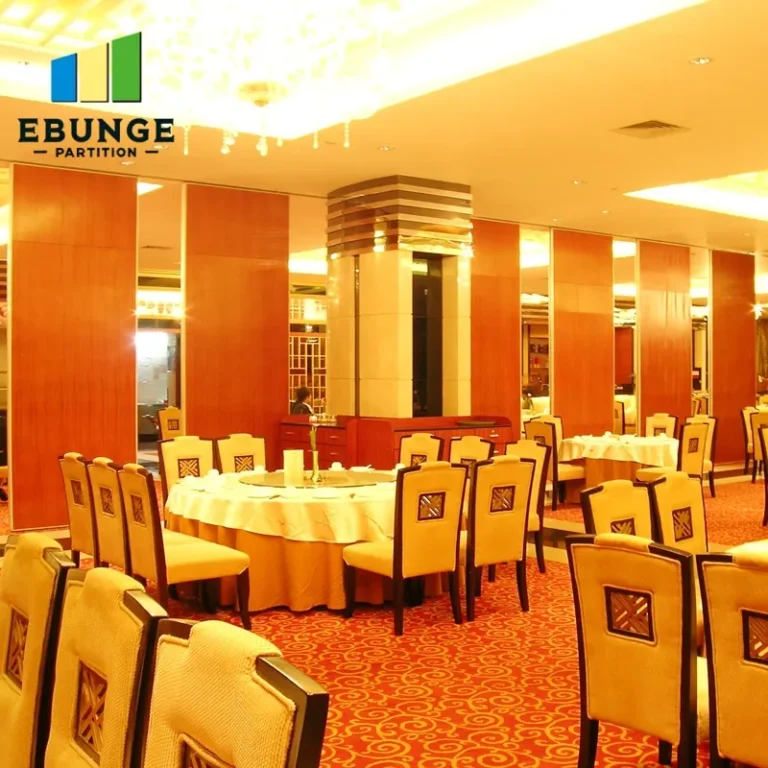
Need help turning the operable wall seal inspection requirements into a practical project layout?
How Often Should Seals Be Inspected?
The frequency of seal inspection depends on usage intensity. For a community center with daily room divisions, inspect seals every six months. For lighter use, an annual check may suffice. However, always follow the manufacturer’s recommendations. High-traffic areas, such as corridors adjacent to the partition, may cause faster wear due to dust and accidental impact. Keep a simple log of inspections to track seal condition over time—this helps in warranty claims and planning replacements.
Common Seal Issues in Operable Wall Systems
Seals in movable partition walls face unique stresses: they compress, slide, and are exposed to temperature changes. Common issues include:
- Hardening or cracking: Over time, rubber or vinyl seals lose flexibility, especially in areas with extreme temperatures.
- Compression loss: Seals may fail to spring back, leaving gaps that compromise acoustics.
- Misalignment: If the wall panels are not level, seals may not meet properly.
- Debris buildup: Dust and dirt can prevent seals from seating correctly.
- Damage from impact: Furniture or carts can nick or tear seals.
During inspection, look for these signs and note any areas where light passes through the closed partition.
How to Identify Acoustic Leaks
Acoustic leaks are often invisible to the naked eye, but there are simple tests you can perform. First, close the partition and, in a darkened room, have someone shine a flashlight along the perimeter from the other side. Any light visible indicates a gap. Second, perform a clap test: stand on one side, clap once, and listen for an echo or clarity that suggests sound is traveling through. For a more precise assessment, hire an acoustic consultant to measure sound transmission class (STC) ratings, but for routine checks, these simple methods are effective.
Who Should Perform Seal Inspection?
While facility staff can do visual checks, a qualified technician should handle detailed inspections. Your operable wall supplier often provides inspection services as part of a maintenance package. If you are in the procurement phase, ask potential suppliers about their inspection protocols and whether they offer training for your maintenance team. For existing installations, consult the manufacturer’s manual or contact the original installer. Avoid DIY repairs on seals unless you have the correct replacement parts and expertise.
What Is the Cost of Seal Inspection?
Inspection costs vary widely based on the number of panels, system complexity, and your location. Some suppliers bundle inspection with a service contract, while others charge per visit. As a rule, budget for an annual professional inspection, and consider it a preventive expense. For accurate figures, request a maintenance quote from your supplier. Remember, the cost of inspection is minimal compared to the cost of replacing a damaged seal or addressing acoustic complaints.
How to Extend Seal Lifespan
Proper care can significantly prolong the life of your seals. Here are practical tips:
- Clean seals with a mild soap solution and a soft cloth; avoid solvents and abrasive cleaners.
- Lubricate moving parts as recommended by the manufacturer, but do not apply lubricant to the seals themselves.
- Ensure that users do not force the wall open or closed, as this can damage seals.
- Store any removable seals in a cool, dry place, if applicable.
- Schedule regular inspections to catch issues early.
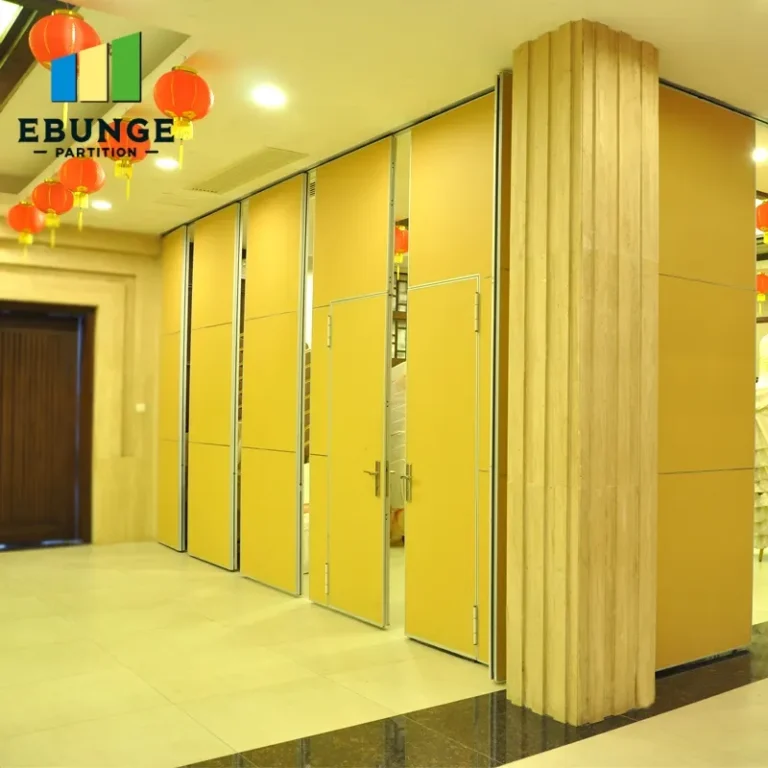
Share the opening, drawings, finish direction, and privacy target for a project-specific review.
Design Considerations for Community Center Partitions
When selecting a movable partition wall for a community center, think beyond the seals. The overall system design affects seal performance. For instance, a top-hung track system without a floor rail (a hallmark of EBUNGE) reduces floor obstructions and simplifies cleaning, but it requires precise track alignment to ensure even seal compression. Also, consider the weight of the panels, the frequency of operation, and the acoustic target for your space. Your supplier should provide detailed drawings and installation guidance to ensure the system performs as intended.
Top-Hung Track Systems and Seal Alignment
In a top-hung system, panels are suspended from an overhead track, and the bottom edge typically has a drop seal that lowers to the floor. This design allows for a flush floor surface, ideal for community centers that host events. However, the drop seal must be adjusted correctly to maintain a tight seal. During inspection, verify that the drop seal extends fully and retracts without dragging.
Acoustic Partition Solutions for Community Centers
Acoustic performance is a key concern for community centers. Seals are the weakest link in acoustic isolation. When specifying an operable wall, ask for the system’s STC rating and confirm that the seals are part of the tested assembly. Remember that field performance may differ from laboratory ratings due to installation quality and surrounding structures. A reputable supplier will provide guidance on achieving the best real-world results.
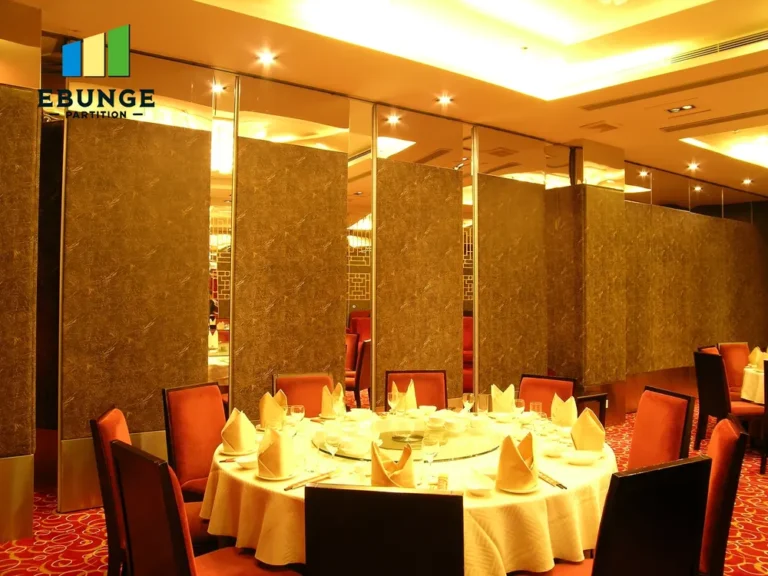
Preparing Your Quotation Request for Operable Wall Seal Inspection
To get accurate quotations and ensure your project’s success, prepare the following information before contacting suppliers:
- Opening size: Width and height of the area to be divided.
- Drawings: Architectural or floor plans showing the partition location, adjacent walls, and ceiling height.
- Acoustic target: Desired STC rating or specific acoustic requirements.
- Finish preference: Color, material, and any special surface treatments.
- Project location: City and country, as this affects logistics and compliance.
Providing this data upfront helps suppliers offer tailored solutions and avoids back-and-forth. It also demonstrates that you are a serious buyer, which may lead to better service.
Checklist for Operable Wall Seal Inspection
Use this checklist during your next inspection:
| Inspection Item | Frequency | Signs of Wear | Action |
|---|---|---|---|
| Top seals | Quarterly | Gaps, cracks, hardening | Replace if damaged |
| Bottom drop seals | Quarterly | Incomplete drop, wear | Adjust or replace |
| Vertical edge seals | Semi-annually | Compression loss, misalignment | Realign panels or replace seals |
| Track and rollers | Annually | Excessive wear, noise | Lubricate or service |
| Overall operation | Monthly | Difficulty opening/closing | Inspect and adjust |
Integrating Seal Inspection into Your Maintenance Plan
For facility managers, incorporating seal inspection into a preventive maintenance schedule ensures long-term performance. Document each inspection, note any issues, and track replacements. This record is invaluable for warranty claims and budget planning. If you are managing multiple community centers, standardize the inspection process across sites to simplify training and reporting.
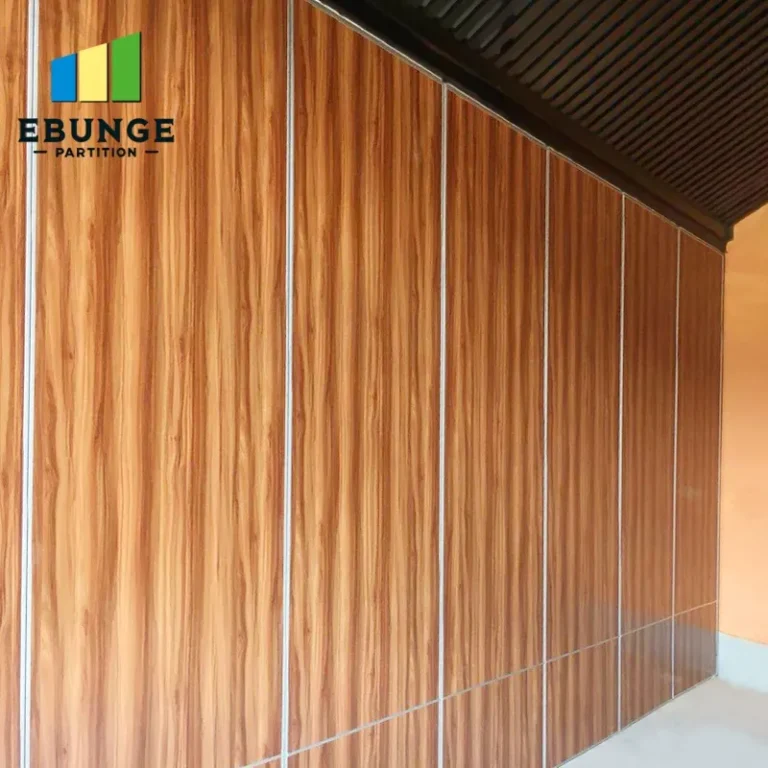
Conclusion: Make Seal Inspection a Priority from Day One
Operable wall seal inspection is not an afterthought—it is a critical aspect of owning a movable partition wall. By understanding the frequency, common issues, and how to identify leaks, you can maintain a high-performing space that meets the needs of your community. When you are ready to specify or replace your operable wall system, use this knowledge to ask suppliers about their seal quality, maintenance support, and inspection services. For more ideas on movable partition designs, explore our design ideas or read our blog for insights. To discuss your project, contact us with your opening size, drawings, and acoustic targets. We are here to help you find the right movable partition wall solution.
Frequently Asked Questions
How often should operable wall seals be inspected?
What are common seal issues in movable partition walls?
How can I identify acoustic leaks in my operable wall?
Who should perform seal inspection?
What is the cost of seal inspection?
How can I extend the lifespan of my operable wall seals?
Send the opening size and drawings to discuss a differentiated operable wall seal inspection solution.