
When outfitting a training center with flexible spaces, the operable wall procurement guide becomes an essential tool for aligning your project’s spatial requirements with the right movable partition wall system. This guide is designed for school project buyers who need to make informed decisions about acoustic partition solutions, installation timelines, and long-term durability. By focusing on design ideas and technical specifications, you can confidently navigate the procurement process, from initial concept to quotation readiness. In this article, we’ll walk you through key considerations, answer common questions, and provide a practical checklist to help you choose a system that meets your training center’s unique needs.
Direct Answer: For a training center, the optimal operable wall procurement guide focuses on selecting a movable partition wall system that balances acoustic performance, ease of operation, and customization, while ensuring compliance with building codes. Prioritize a top-hung track system without floor rails for flexibility, and prepare detailed project information—such as opening sizes, drawings, acoustic targets, finish preferences, and location—to streamline supplier quotations and decision-making.
Why Training Centers Need Flexible Partition Walls
Training centers often host a variety of activities, from lectures and workshops to breakout sessions and exams. A movable partition wall allows you to reconfigure spaces quickly, adapting to different group sizes and learning formats. Unlike permanent walls, operable walls offer the versatility to create both large auditorium-style rooms and smaller seminar rooms within the same footprint. This flexibility is crucial for maximizing the utility of your facility and accommodating evolving training programs.
Moreover, the right operable wall system can enhance the user experience by providing acoustic separation between simultaneous activities, reducing distractions, and improving focus. For a school project buyer, this means investing in a solution that not only meets current needs but also future-proofs the space for years to come.
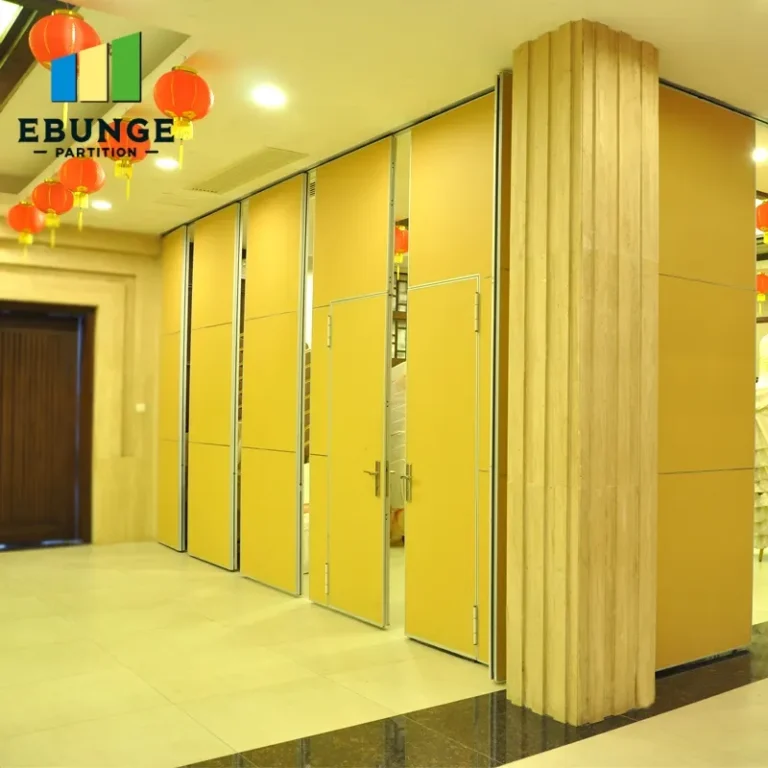
Need help turning the operable wall procurement requirements into a practical project layout?
Key Considerations Before Buying an Operable Wall
Before diving into supplier quotations, it’s essential to clarify your project’s specific requirements. Here are the critical factors to evaluate:
Acoustic Performance
Determine the desired Sound Transmission Class (STC) rating based on the activities in your training center. For instance, if you need to hold confidential meetings or exams, a higher STC rating is necessary. Discuss your acoustic target with suppliers to ensure the system can meet or exceed it, but remember that actual performance depends on installation quality and surrounding structures.
Installation Time and Complexity
Consider the installation schedule and whether it aligns with your project timeline. Top-hung track systems are generally quicker to install than floor-mounted options, as they require less floor preparation. Ensure the supplier provides a clear installation plan and that your site is ready for the work.
Durability and Maintenance
Training centers experience heavy usage, so choose materials that withstand frequent operation. Look for systems with robust hardware and finishes that resist scratches and wear. Ask about maintenance requirements—some systems need periodic adjustments, while others are virtually maintenance-free.
Understanding Top-Hung Track Systems
A top-hung track system is a popular choice for training centers because it eliminates the need for a floor rail, creating a seamless, accessible floor surface. This design simplifies cleaning and reduces trip hazards, making it ideal for high-traffic areas. The panels are suspended from an overhead track, which supports the weight and guides the movement. This system is particularly beneficial when you need to reconfigure spaces frequently, as it allows for smooth operation without floor obstructions.
When specifying a top-hung system, consider the load-bearing capacity of your building’s structure, as the track must be securely anchored. Your supplier should provide engineering guidance to ensure safe installation.
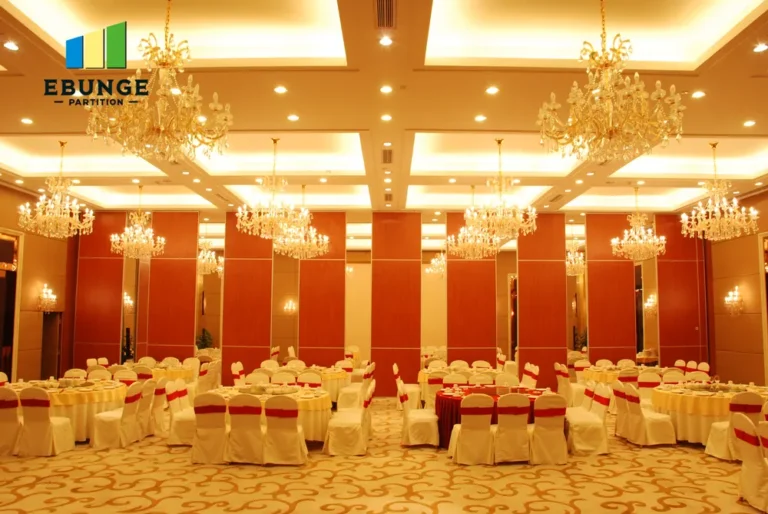
Customization Options for Your Training Center
Every training center has unique spatial and aesthetic requirements. Custom movable walls can be tailored to match your interior design, with a variety of finishes, colors, and materials. Additionally, you can specify the number of panels, their sizes, and the stacking configuration to maximize space efficiency when the wall is retracted.
Consider features like integrated whiteboards or tackable surfaces, which can turn the partition into a functional teaching tool. However, be mindful that customization may affect lead times and costs, so plan accordingly.
Compliance with Building Codes and Safety Standards
Ensure that your operable wall system complies with local building codes, including fire safety, accessibility, and structural requirements. For instance, the wall must not impede emergency egress, and it should be operable by individuals with disabilities. Work with suppliers who are knowledgeable about these regulations and can provide documentation of compliance.
Additionally, consider the wall’s impact on HVAC and lighting systems. In some configurations, the partition may affect air circulation and light distribution, so coordinate with your mechanical and electrical engineers during the design phase.
Share the opening, drawings, finish direction, and privacy target for a project-specific review.
Preparing for Quotation: What to Share with Suppliers
To receive accurate quotes, you need to provide suppliers with detailed project information. This includes:
- Opening sizes (width, height, and depth of the space to be divided)
- Architectural drawings or floor plans
- Acoustic target (e.g., desired STC rating)
- Finish preferences (e.g., laminate, fabric, or painted surfaces)
- Project location (for delivery and installation considerations)
- Number of panels and stacking requirements
Sharing this information upfront helps suppliers provide more accurate pricing and lead times, reducing the back-and-forth during the procurement process.
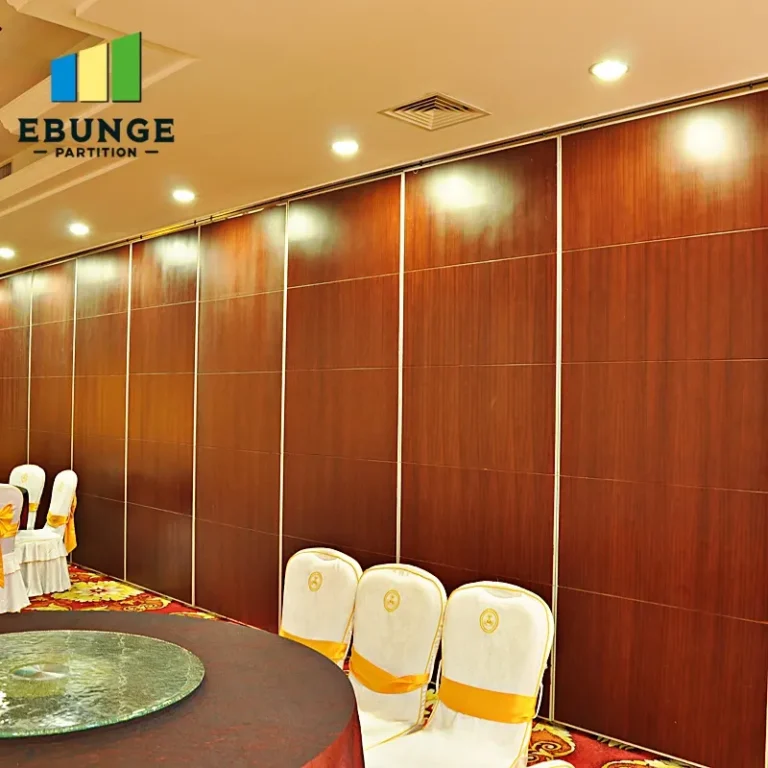
Cost-Effectiveness and Long-Term Value
While the initial cost is a significant factor, consider the long-term value of the operable wall. A durable, low-maintenance system may have a higher upfront price but can save money over time through reduced repairs and extended lifespan. Additionally, the flexibility it provides can increase the utilization of your training center, potentially generating more revenue or better serving your educational mission.
To assess cost-effectiveness, compare the total cost of ownership, including installation, maintenance, and potential energy savings from better space utilization. Ask suppliers for detailed pricing breakdowns and warranty information, but verify any claims with your own research.
Practical Checklist for Operable Wall Procurement
Use this checklist to guide your decision-making process:
| Item | Considerations |
|---|---|
| Acoustic Performance | Define required STC rating based on activities |
| Installation | Assess structural support and site readiness |
| Durability | Choose materials suited for high traffic |
| Maintenance | Understand upkeep requirements and frequency |
| Customization | Determine finish, size, and functional features |
| Compliance | Verify building code and safety standards |
| Quotation Readiness | Prepare drawings, specs, and project details |
Frequently Asked Questions
What is the typical lead time for an operable wall system?
Lead times vary based on customization and supplier workload. For standard configurations, it may be 4-6 weeks, but custom finishes or sizes can extend this. Always confirm with your supplier and plan your project timeline accordingly.
Can an operable wall provide sufficient sound insulation for a training center?
Yes, if you select a system with an appropriate STC rating and ensure proper installation. Discuss your acoustic requirements with the supplier to choose the right panel construction and seals.
How do I maintain an operable wall?
Regular cleaning of tracks and panels, periodic checks of hardware, and prompt repairs of any damage are essential. Some systems require professional servicing annually; check the manufacturer’s guidelines.
Are there any special structural requirements for a top-hung system?
Yes, the overhead structure must support the weight of the panels and the track. Your supplier or a structural engineer should assess the building to ensure it can handle the loads.
Can I integrate whiteboards or other features into the wall?
Many manufacturers offer options for writable surfaces, tackable panels, or even integrated screens. Discuss your needs with the supplier to see what’s feasible.
Conclusion: Making an Informed Decision
Selecting the right operable wall procurement guide for your training center involves careful consideration of acoustic needs, installation logistics, durability, and design flexibility. By preparing detailed project information and working with a reputable supplier, you can ensure that your movable partition wall enhances the functionality of your space. Remember to prioritize quality and compliance to achieve long-term satisfaction.
For more inspiration and technical details, explore our movable partition design ideas and blog posts. If you’re ready to discuss your project, contact our team for personalized guidance.
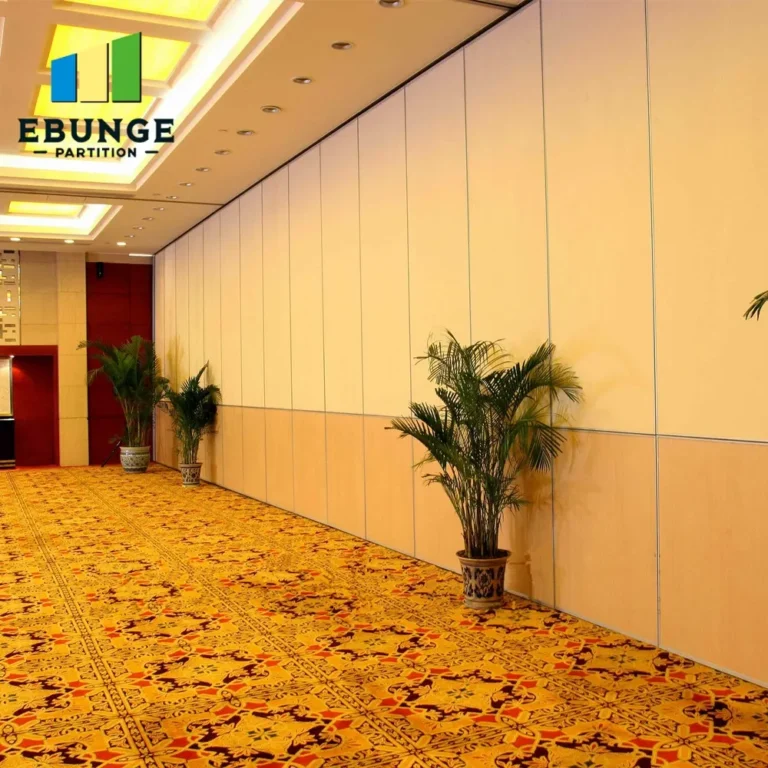
Send the opening size and drawings to discuss a differentiated operable wall procurement solution.