
When you are an interior designer tasked with outfitting a school hall, the operable wall procurement guide becomes your strategic blueprint. It is not merely about picking a movable partition wall; it is about orchestrating a system that meets acoustic needs, safety standards, and operational ease while staying within budget. This guide is tailored to help you navigate the complexities of the operable wall system, from initial specifications to final installation, ensuring your project achieves both functional excellence and design integrity.
Direct answer: To procure an operable wall for a school hall, start by defining your acoustic target (e.g., STC rating) based on the hall’s usage, measure the opening size precisely, and gather detailed drawings. Then, specify your finish preferences and project location. Use these details to request quotations from suppliers, comparing their technical compliance, durability, safety features, and after-sales support. Prioritize systems with top-hung tracks (no floor rail) for safety and ease of maintenance, and ensure they meet local building codes.
Why the Operable Wall Procurement Guide Matters for School Halls
School halls are multifunctional spaces—they host assemblies, examinations, performances, and sports. An operable wall system must divide and unite these areas seamlessly. The procurement guide is essential because it frames your decisions around critical factors: acoustic performance (to minimize disturbance between partitioned zones), durability (to withstand heavy use), and safety (especially for young children). By following a structured guide, you avoid costly mistakes and ensure the final installation serves its purpose for decades.
Need help turning the operable wall procurement requirements into a practical project layout?
Key Specifications to Define Before Contacting Suppliers
Before you reach out to any operable wall manufacturer, you must have a clear set of specifications. This not only streamlines communication but also ensures accurate quotations. The following details are non-negotiable:
- Opening size: Measure the width, height, and depth of the opening, including any obstructions like columns or beams.
- Acoustic target: Determine the required sound transmission class (STC) based on the hall’s usage. For example, a partition between two classrooms may need a higher STC than one separating a gymnasium from a cafeteria.
- Finish preferences: Choose from laminates, veneers, paint, or tackable surfaces that match the interior design.
- Project location: This affects delivery logistics, installation timelines, and compliance with local building codes.
- Operational requirements: Consider how often the wall will be moved and whether you need automated or manual operation.
Having these details ready will make your discussions with suppliers far more productive.
Understanding the Operable Wall System: Top-Hung Track vs. Floor Rail
One of the most critical decisions in an operable wall system is the track configuration. The two primary options are top-hung tracks and floor-mounted tracks. For school halls, a top-hung track without a floor rail is often preferred. Here’s why:
- Safety: No floor rail means no tripping hazards, which is crucial for young children.
- Maintenance: Floor rails can accumulate dirt and debris, requiring frequent cleaning. Top-hung systems are easier to maintain.
- Flexibility: The floor remains completely flat, allowing for flexible furniture arrangements and easier cleaning.
When evaluating systems, ask suppliers about the track’s load capacity and the quality of the trolley mechanisms. A robust top-hung track ensures smooth operation and longevity.
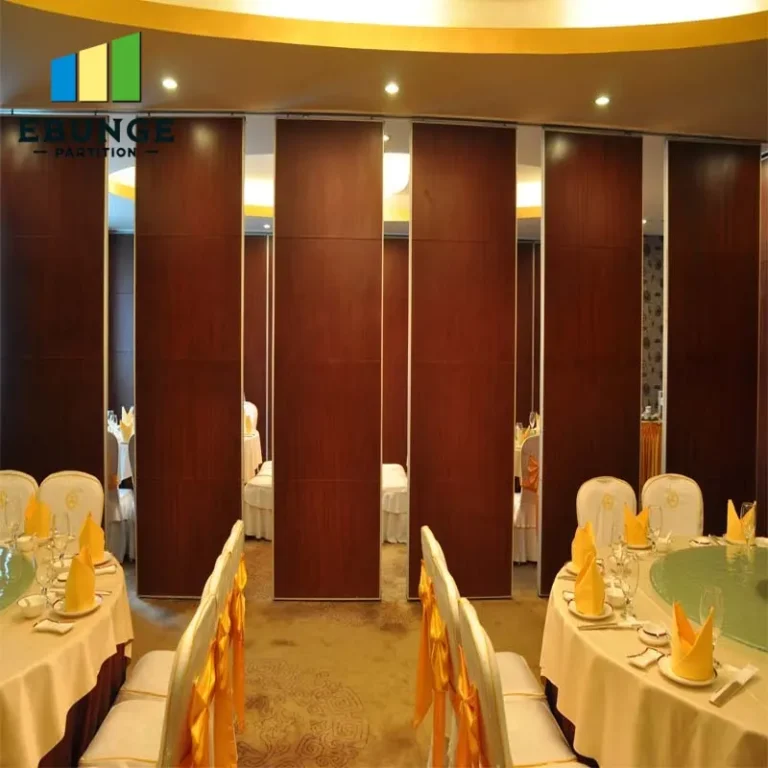
Acoustic Performance: What to Look For and How to Verify
Acoustic performance is often the primary concern for school halls. You need an acoustic partition solution that minimizes sound transmission between spaces. Here’s how to approach it:
- STC Ratings: Understand the STC rating system. A higher STC means better sound insulation. For school applications, an STC of 40-50 is typical, but exact requirements depend on your specific use.
- Seals and Gaskets: Look for systems with perimeter seals (top, bottom, and sides) that compress to block sound leaks. Ask about the sealing mechanism and its durability.
- Testing: Request test reports from suppliers. These should be from recognized laboratories and demonstrate the system’s performance. Remember, actual in-situ performance can vary due to installation quality and surrounding structures.
Always verify acoustic claims with documented evidence, not just sales brochures.
Durability and Safety: Materials and Construction Quality
School halls see heavy traffic and frequent partition movement. Therefore, durability is non-negotiable. Consider the following:
- Panel Construction: Look for panels with sturdy frames (e.g., aluminum or steel) and high-quality surfacing materials that resist scratches and impacts.
- Edge Protection: Ensure all edges are rounded or protected to prevent injuries.
- Hardware Quality: The trolleys, handles, and locking mechanisms should be robust and designed for frequent use.
Safety is paramount, especially in environments with children. Check that the system has no pinch points, and that the panels are stable when locked in place. Also, confirm that the materials meet fire safety standards required by local building codes.
Ease of Operation and Maintenance Requirements
An operable wall that is difficult to move or maintain will become a burden. Evaluate the following:
- Operation: Is the wall manually operated or automated? Manual systems should have a low pulling force, even for large panels. Automated systems offer convenience but add cost and complexity.
- Storage: When not in use, where do the panels go? Ensure the storage area is designed to protect the panels and allows easy access.
- Maintenance: Ask about recommended maintenance schedules. Top-hung tracks typically need less maintenance than floor tracks. Also, check the warranty terms—what is covered and for how long?
Choose a system that your facility staff can operate and maintain without specialized training.
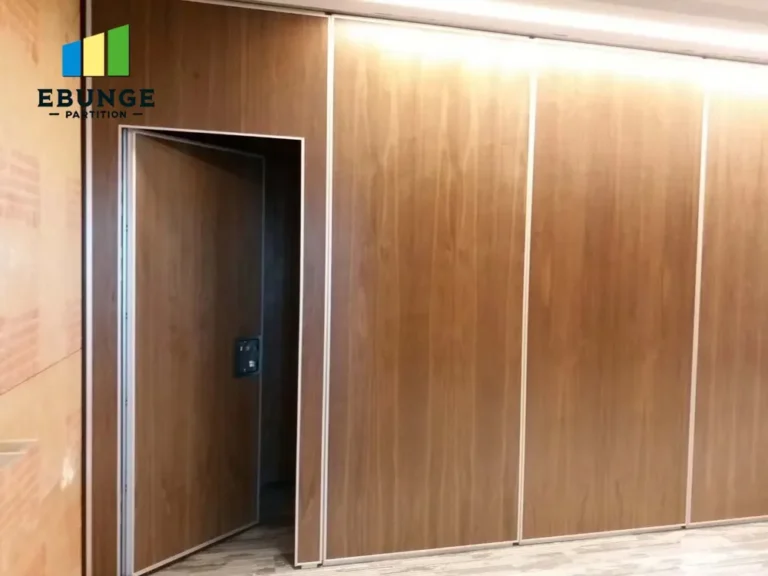
Share the opening, drawings, finish direction, and privacy target for a project-specific review.
Compliance with Building Codes and Safety Standards
Every operable wall system must comply with local building codes, including fire safety, accessibility, and structural integrity. As a buyer, you must:
- Verify Certifications: Ask suppliers for documentation that their products meet relevant standards (e.g., ASTM, EN). For fire resistance, check the rating and whether it is suitable for your application.
- Accessibility: Ensure that the system does not create barriers for people with disabilities. This may involve clearances and the absence of floor rails.
- Structural Considerations: The building’s structure must support the weight of the operable wall. Your architect or engineer should confirm this.
Failure to comply can lead to costly modifications and safety hazards.
Budget Constraints and Delivery Timelines: What to Expect
Budget and timeline are critical factors. Here’s how to manage them:
- Budget: Operable walls are a significant investment. Get detailed quotations that include all components: panels, tracks, seals, installation, and any extras. Be wary of hidden costs.
- Timeline: Ask for lead times from order to delivery and installation. Custom finishes and larger projects may take longer. Plan your project schedule accordingly.
Remember, the lowest quotation may not be the best value. Consider the total cost of ownership, including maintenance and durability.
Vendor Reliability and After-Sales Support
Choosing the right supplier is as important as choosing the right product. Evaluate potential vendors on:
- Track Record: Ask for references from similar school projects. Contact these references to learn about their experience.
- Support: What happens if a panel is damaged or a trolley breaks? Ensure the supplier offers responsive after-sales support and has spare parts available.
- Warranty: Understand the warranty terms. What is covered, for how long, and what is excluded? A longer warranty often indicates confidence in the product.
Build a relationship with a supplier who is willing to provide technical guidance throughout the project.
Practical Checklist for Operable Wall Procurement
To keep your project on track, use this checklist when evaluating quotations:
| Item | Details to Confirm | Status |
|---|---|---|
| Opening size | Width, height, depth, obstructions | Confirmed |
| Acoustic target | STC rating required | Specified |
| Finish | Laminate, veneer, paint, etc. | Chosen |
| Track type | Top-hung, no floor rail | Preferred |
| Safety features | Rounded edges, no pinch points | Verified |
| Compliance | Fire, accessibility, structural | Checked |
| Budget | Total cost including installation | Within budget |
| Delivery timeline | Lead time and installation schedule | Aligned |
| Vendor support | Warranty, after-sales, references | Assessed |
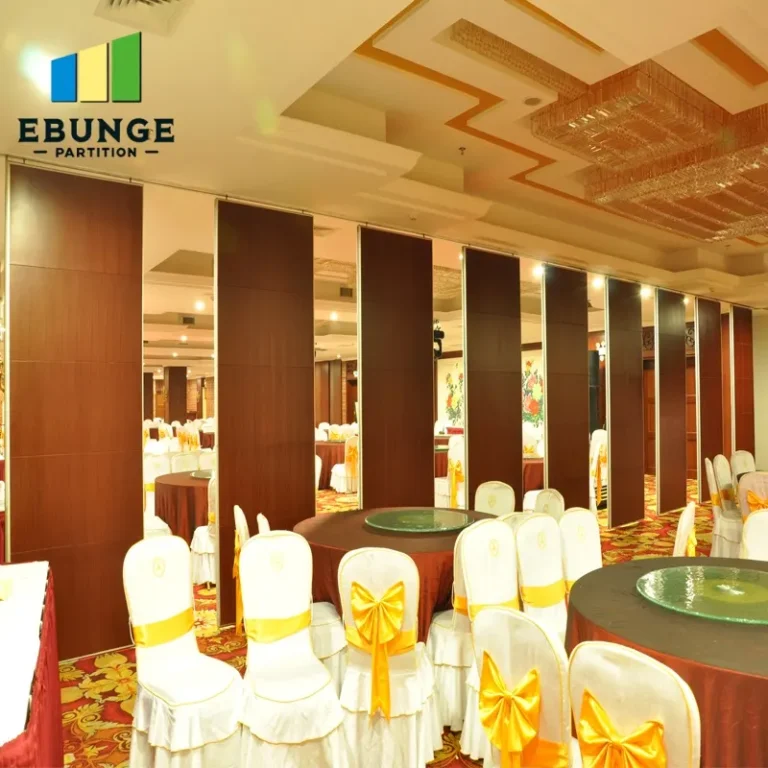
Conclusion: Making an Informed Decision
This operable wall procurement guide has walked you through the essential considerations for selecting a movable partition wall for a school hall. From acoustic performance to safety and maintenance, each factor plays a vital role in the success of your project. Remember to gather detailed specifications, verify claims with evidence, and choose a supplier who is a true partner. With careful planning, your operable wall system will enhance the functionality of the school hall for years to come.
For more insights on movable partition walls, explore our resources on movable partition wall solutions and check out our blog for technical articles. If you are ready to discuss your project, our team is here to help—visit our contact page to get started.
Frequently Asked Questions
What is the typical STC rating for a school hall operable wall?
The typical STC rating for a school hall operable wall ranges from 40 to 50, but the exact requirement depends on the specific use of the space. For example, if the partition separates two classrooms, a higher STC may be needed to ensure speech privacy. Always consult with an acoustic engineer to determine the precise target for your project.
How does a top-hung track system improve safety in a school environment?
A top-hung track system eliminates the floor rail, which is a common tripping hazard. This is particularly important in schools where children run and play. It also allows for a flat, unobstructed floor, making the space more accessible and easier to clean.
What information should I provide to get an accurate quotation for an operable wall?
To get an accurate quotation, provide the opening size (width, height, depth), the acoustic target (STC rating), finish preferences, project location, and any special requirements like automated operation or specific safety features. Having detailed drawings or architectural plans is also helpful.
How often does an operable wall require maintenance?
Maintenance frequency depends on usage. For a school hall that sees daily use, we recommend a quarterly inspection and lubrication of the track and trolleys. Annual maintenance should include checking seals and hardware. Top-hung systems generally require less maintenance than floor rail systems.
What should I look for in a warranty for an operable wall?
Look for a warranty that covers the panels, track, and hardware for a reasonable period (typically 5-10 years). Ensure it includes coverage for mechanical parts and seals. Also, check whether installation is covered and what the warranty excludes, such as damage from misuse or environmental factors.
Send the opening size and drawings to discuss a differentiated operable wall procurement solution.