
When planning a restaurant private room, the choice of an operable wall lifecycle maintenance approach is often deferred until after installation, but that delay can create costly surprises. For office renovation companies managing commercial projects, the real question is not just which movable partition wall looks good, but how the operable wall system will perform over years of daily use. This guide focuses on the maintenance decisions that affect your total cost of ownership, warranty coverage, and operational continuity. We will walk through the technical requirements, buyer concerns, and inquiry conversion steps so you can approach suppliers with confidence.
Direct answer: The most reliable operable wall lifecycle maintenance plan for a restaurant private room is one that is defined in writing before purchase, includes a maintenance schedule aligned with your usage intensity, specifies replacement part availability, and is backed by a warranty that covers acoustic performance and safety compliance. You must confirm these details with your supplier and document them in your contract.
Operable Wall Lifecycle Maintenance: Why Maintenance Planning Starts Before You Choose a Movable Partition Wall
In a restaurant environment, the movable partition wall is not just a space divider; it is a functional asset that must withstand frequent movement, occasional impacts, and exposure to kitchen humidity. Without a clear maintenance plan, you risk acoustic performance degradation, safety compliance issues, and unexpected downtime. By addressing maintenance during the selection phase, you can align the operable wall system with your operational patterns and budget.
Consider the frequency of use: a private room that is reconfigured multiple times a day will require more frequent inspections of the top-hung track system and seals than one used occasionally. Your maintenance plan should reflect this reality.
Need help turning the operable wall lifecycle maintenance requirements into a practical project layout?
Key Maintenance Factors for Restaurant Private Room Partitions
When evaluating operable wall lifecycle maintenance options, focus on these factors that directly impact your restaurant’s operations:
- Total cost of ownership: Include initial cost, estimated maintenance labor, replacement parts, and potential downtime costs.
- Warranty coverage: Understand what is covered (parts, labor, acoustic performance) and for how long.
- Replacement part availability: Ensure that critical parts like seals, rollers, and handles are available for the expected lifespan.
- Maintenance frequency: Define how often inspections and adjustments are needed based on usage.
- Impact on operations: Plan maintenance during off-peak hours to minimize disruption.
- Acoustic performance degradation: Check how seals and panels maintain their sound insulation over time.
- Safety compliance: Ensure that the system meets local safety codes and that maintenance keeps it compliant.
- Installation quality: A proper installation reduces future maintenance issues.
These factors should be discussed with your supplier and documented in your quotation and contract.
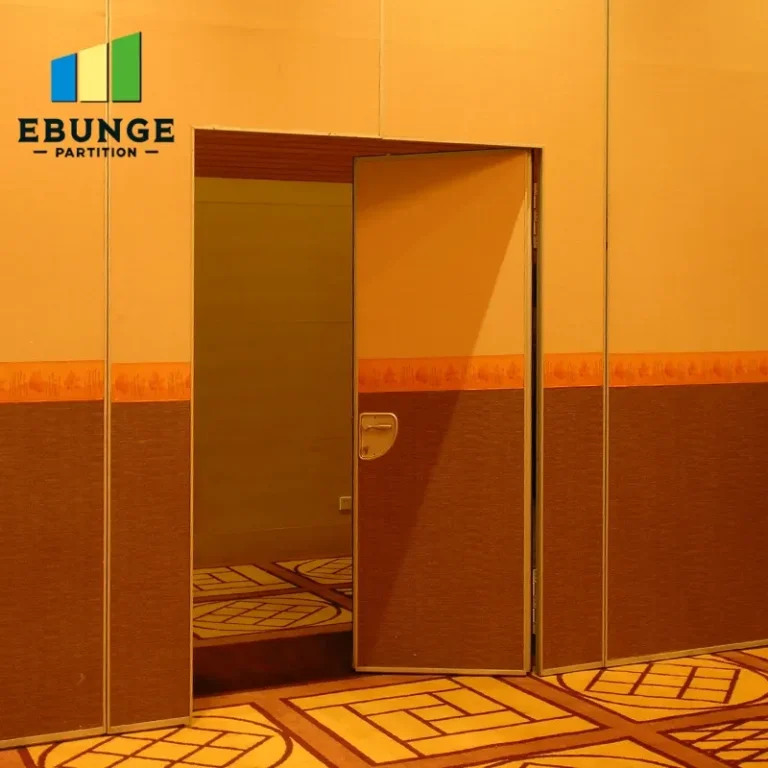
How to Compare Maintenance Plans from Different Suppliers
Not all operable wall lifecycle maintenance plans are equal. When comparing suppliers, ask for a detailed maintenance schedule and a list of what is included in the warranty. Some suppliers offer extended warranties that cover acoustic performance, while others only cover mechanical parts. Also, inquire about the availability of replacement parts and whether the supplier stocks them locally or needs to order them from abroad.
For example, a top-hung track system without a floor rail may require less maintenance on the floor, but the track and rollers need regular cleaning and adjustment. Ask the supplier for a maintenance checklist that you can use as a reference.
To help you compare, here is a practical checklist:
| Maintenance Aspect | What to Ask | Why It Matters |
|---|---|---|
| Inspection frequency | How often should the system be professionally inspected? | Prevents small issues from becoming costly repairs. |
| Seal replacement | How often do acoustic seals need replacement? | Maintains acoustic performance and energy efficiency. |
| Track and roller care | What cleaning and lubrication are required? | Ensures smooth operation and extends component life. |
| Safety checks | Are there safety inspections required by code? | Ensures compliance and user safety. |
| Downtime impact | How long does a typical maintenance visit take? | Minimizes disruption to restaurant operations. |
Use this checklist when talking to suppliers to ensure you have all the information needed for a decision.
Technical Requirements for Restaurant Private Room Partitions
In a restaurant private room, the movable partition wall must meet specific technical requirements. These include the opening size, ceiling structure, and acoustic target. The top-hung track system is often preferred because it does not require a floor rail, making cleaning easier and reducing trip hazards. However, the ceiling must be able to support the weight of the panels and the track.
Before contacting a supplier, gather the following information:
- Opening width and height (in millimeters or inches).
- Ceiling type (e.g., concrete, steel, or suspended).
- Acoustic target (e.g., STC rating, dB reduction).
- Finish preference (e.g., laminate, veneer, paint).
- Project location (for shipping and installation logistics).
Providing these details upfront will help the supplier give you accurate quotations and recommendations.
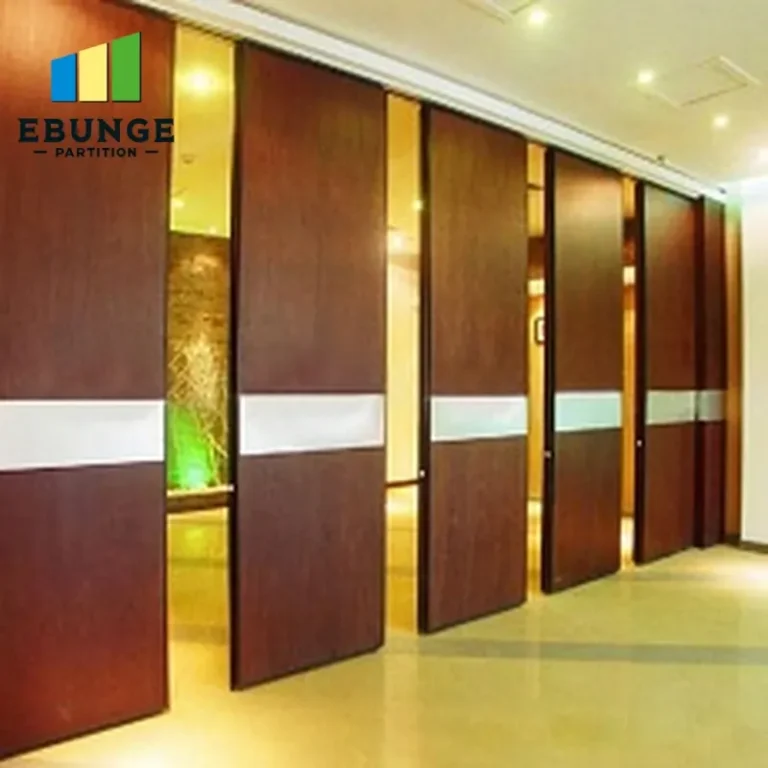
Common Maintenance Issues and How to Prevent Them
Even with proper maintenance, some issues can arise. Common problems include misalignment of panels, worn seals, and noisy operation. These can often be prevented with regular inspections and adjustments. For example, checking the alignment of the panels every few months can prevent excessive wear on the track and rollers.
In a restaurant environment, humidity and temperature fluctuations can affect the materials. Make sure the supplier provides guidance on how to protect the system in such conditions. Also, train your staff on proper operation to avoid forced handling that can damage the system.
Share the opening, drawings, finish direction, and privacy target for a project-specific review.
Warranty and Support: What to Look For
A comprehensive warranty is a key part of operable wall lifecycle maintenance. Look for a warranty that covers parts and labor for at least five years, and ideally includes acoustic performance. Also, check if the warranty is transferable if you sell the property. The supplier should offer technical support and be responsive to maintenance requests.
Before signing, ask for a sample warranty document and read the exclusions carefully. Some warranties may not cover damage caused by misuse or improper maintenance. Ensure that your staff is trained to follow the maintenance schedule to keep the warranty valid.
How to Prepare for a Maintenance Inquiry
When you are ready to contact a supplier, having the right information will speed up the process and lead to more accurate quotes. Prepare a document that includes your opening size, drawings, acoustic target, finish preference, and project location. This will help the supplier recommend the right system and provide a detailed maintenance plan.
You can use the contact page on the supplier’s website to submit your inquiry. Be specific about your needs and ask for a comprehensive quotation that includes maintenance costs.
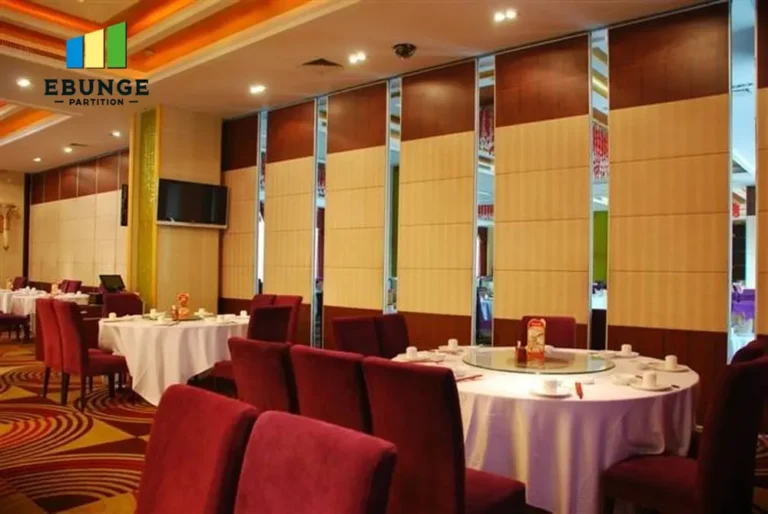
Integrating Maintenance with Your Renovation Project Timeline
Maintenance planning should be integrated into your renovation project from the start. Coordinate with the supplier to schedule installation, initial inspections, and training for your staff. Establish a maintenance schedule that aligns with your restaurant’s peak times, and consider a service contract for regular check-ups.
By planning ahead, you can avoid unexpected downtime and ensure that your private room partitions remain functional and attractive for years.
Conclusion: Making Confident Decisions for Long-Term Performance
Choosing the right operable wall lifecycle maintenance plan is a strategic decision that affects your restaurant’s operations and budget. By focusing on the factors outlined in this guide, you can compare suppliers effectively and make an informed choice. Remember to gather the necessary project details, ask the right questions, and document everything in your contract. With a solid maintenance plan, your movable partition wall will serve your restaurant well for many years.
Frequently Asked Questions
What is the typical maintenance frequency for a movable partition wall in a restaurant?
It depends on usage. For a restaurant private room used daily, a quarterly inspection is recommended, with annual professional maintenance. For lighter use, semi-annual inspections may suffice. Your supplier can provide a schedule based on your specific usage.
How do I know if the acoustic performance is degrading?
You may notice increased sound transmission between rooms. Regular acoustic testing can measure the performance, but visual checks of seals and gaps are also important. If you suspect degradation, contact your supplier for an assessment.
Are replacement parts readily available for operable wall systems?
Reputable suppliers stock common replacement parts like seals, rollers, and handles. Ask your supplier about their inventory and lead times for special orders. It is wise to keep critical spare parts on hand.
What should be included in a maintenance contract?
A maintenance contract should specify the frequency of inspections, what is covered (parts and labor), response times, and any exclusions. It should also include a schedule for cleaning and adjustments.
Can I perform maintenance myself?
Basic cleaning and visual checks can be done by your staff, but adjustments and repairs should be done by trained professionals to avoid damage and keep the warranty valid. Your supplier can provide training for simple tasks.
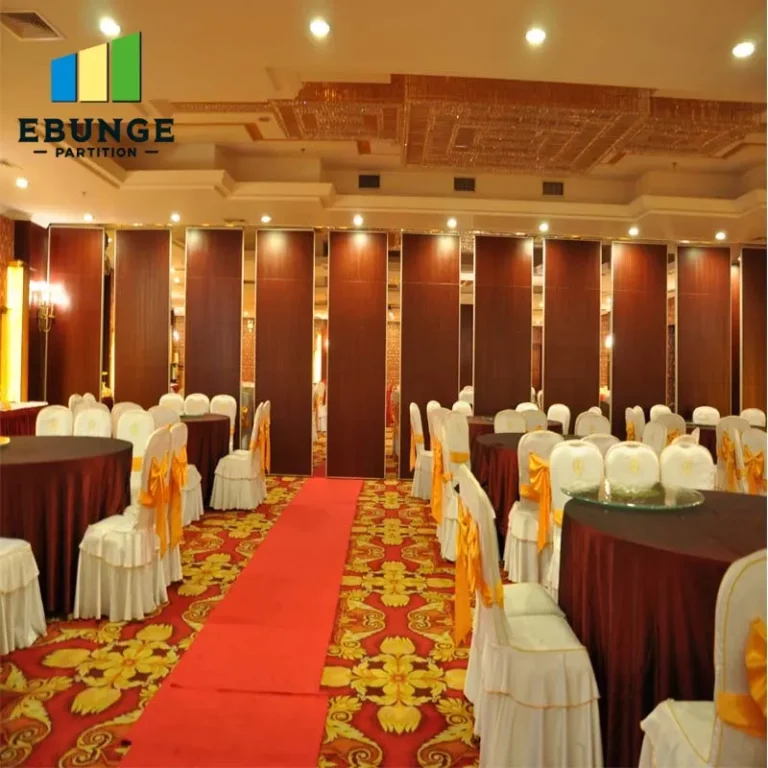
For more information on movable partition walls, explore our movable partition wall solutions or visit our blog for insights. If you need assistance with your project, please contact us with your opening size, drawings, acoustic target, finish preference, and project location. We also have a dedicated maintenance category for further reading.
Send the opening size and drawings to discuss a differentiated operable wall lifecycle maintenance solution.