
When you manage a training center, the movable partition wall system is more than a space divider—it’s a functional asset that must support daily training sessions, frequent reconfigurations, and long-term operational efficiency. Choosing the right operable wall lifecycle maintenance approach can be the difference between a smooth-running facility and one plagued by downtime, unexpected costs, and acoustic failures. This guide is designed to help you, as a hotel owner or facility decision-maker, evaluate your options with confidence, ensuring you ask the right questions and make an informed choice tailored to your training center’s needs.
Direct Answer: For a training center, the most effective operable wall lifecycle maintenance strategy is one that balances total lifecycle cost, warranty coverage, and maintenance frequency while ensuring rapid repair response and sustained acoustic performance. Prioritize suppliers that offer transparent maintenance plans, readily available spare parts, and a track record of compliance with safety standards. Always request a customized maintenance schedule based on your specific usage patterns and project specifications.
Operable Wall Lifecycle Maintenance: Why Training Centers Demand a Different Maintenance Approach
Training centers are high-traffic environments with daily room reconfigurations. Unlike typical office spaces, these walls are moved frequently, sometimes multiple times a day, which accelerates wear on moving parts, seals, and acoustic panels. This usage pattern requires a maintenance plan that anticipates more frequent inspections and adjustments. Additionally, the acoustic integrity of the wall is critical for simultaneous training sessions; any degradation in soundproofing can disrupt learning and privacy. Therefore, your maintenance strategy must prioritize acoustic performance over time, not just mechanical functionality.
Need help turning the operable wall lifecycle maintenance requirements into a practical project layout?
Key Factors in Evaluating Maintenance Options
When comparing maintenance programs from different operable wall suppliers, focus on these critical areas:
Total Lifecycle Cost vs. Initial Price
Initial installation cost is only a fraction of the total expense. A cheaper system may require more frequent maintenance, higher repair costs, or earlier replacement of parts. Request a detailed lifecycle cost analysis that includes projected maintenance, spare parts, and potential downtime. Suppliers who offer transparent cost breakdowns help you avoid surprises.
Warranty Coverage and Exclusions
Warranties vary significantly. Some cover only mechanical parts, while others include acoustic seals and panels. Understand what is excluded—often wear-and-tear items like seals and gaskets are not covered. Ask for a warranty summary in writing and clarify the duration and conditions for each component.
Maintenance Frequency and Service Intervals
How often does the system require professional servicing? For a training center, you need a schedule that minimizes disruption. Some suppliers offer annual or semi-annual inspections, while others may require quarterly checks for high-use environments. Choose a plan that aligns with your operational calendar.
Availability of Spare Parts
In a commercial setting, downtime is costly. Ensure that the supplier stocks critical spare parts locally or can deliver them quickly. Ask about their inventory levels and lead times for common replacements like rollers, seals, and handles. A supplier with a robust parts supply chain reduces your repair response time.
Repair Response Time and Service Level Agreements
What is the guaranteed response time for emergency repairs? A service level agreement (SLA) should specify response times, resolution times, and penalties for non-compliance. For a training center, a 24-hour response might be essential to avoid canceling sessions. Negotiate an SLA that fits your needs.
Impact on Hotel Operations
As a hotel owner, you know that any maintenance activity must minimize disruption to guests and training participants. Consider whether the supplier offers after-hours or weekend service, and whether they can perform maintenance without closing the entire facility. Also, check if their technicians are trained to work in hospitality environments.
Acoustic Performance Over Time
Acoustic seals degrade with use, reducing sound insulation. Ask how the supplier ensures acoustic performance is maintained over the wall’s lifespan. Do they recommend periodic acoustic testing? Do they provide replacement seals as part of the maintenance plan? A proactive approach is vital for training centers where confidentiality and focus are paramount.
Safety Standards Compliance
Movable walls must comply with local safety codes, including fire resistance, emergency egress, and structural stability. Your maintenance provider should verify that the system remains compliant after each service. Ask for documentation of compliance checks and any updates required due to code changes.
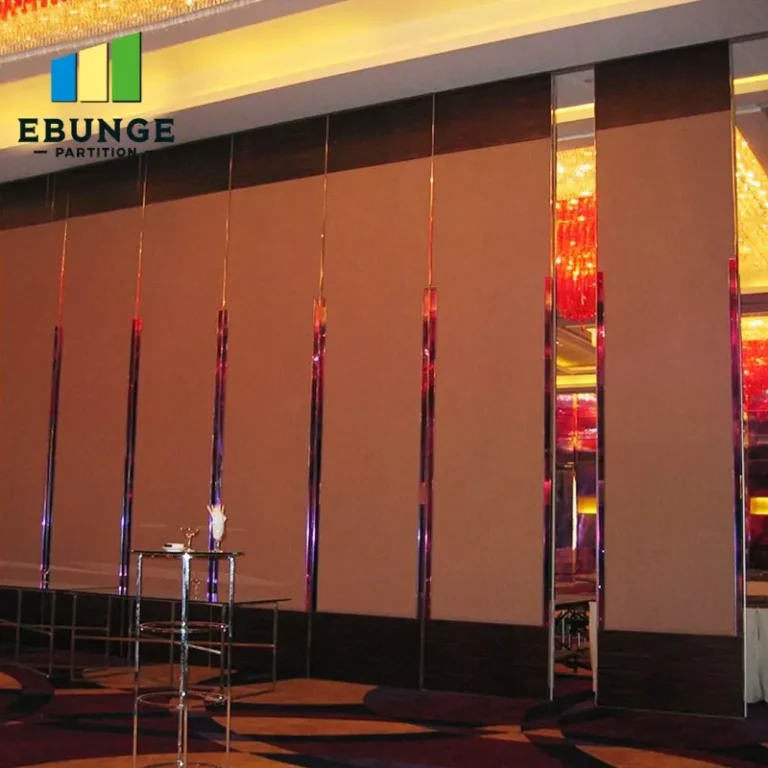
Comparing Maintenance Offers: A Practical Checklist
Use this checklist when evaluating proposals from operable wall lifecycle maintenance suppliers. It will help you compare apples to apples and avoid missing critical details.
| Criterion | Questions to Ask | Why It Matters |
|---|---|---|
| Lifecycle Cost | Can you provide a 10-year cost projection including maintenance and parts? | Reveals long-term financial impact. |
| Warranty | What is covered and for how long? Are seals and panels included? | Prevents unexpected out-of-pocket costs. |
| Service Intervals | How often is professional servicing required for our usage level? | Ensures you can plan around training schedules. |
| Spare Parts | What is your local stock and lead time for critical parts? | Minimizes downtime. |
| Response Time | What is your guaranteed response and resolution time? | Protects against prolonged outages. |
| Acoustic Checks | Do you include acoustic performance testing in maintenance? | Ensures soundproofing remains effective. |
| Safety Compliance | How do you verify ongoing compliance with safety standards? | Protects occupants and your liability. |
Technical Requirements Your Training Center Must Consider
Beyond the maintenance plan, certain technical aspects of the operable wall system will influence your maintenance needs. Pay attention to these during the quoting phase:
Top-Hung Track System Without Floor Rail
A top-hung track system, where the wall is suspended from an overhead track without a floor rail, offers several maintenance advantages: no floor track to clean or replace, easier floor cleaning, and reduced tripping hazards. This design also minimizes wear on the bottom of the wall. When discussing maintenance, confirm that the supplier has expertise in this specific system and can service it efficiently.
Custom Movable Wall Configurations
Training centers often require custom sizes, finishes, or acoustic ratings. Custom walls may need specialized maintenance parts that are not off-the-shelf. Ensure that the supplier can provide spare parts for custom components and that their technicians are trained to handle unique configurations.
Acoustic Partition Solutions
Acoustic performance is a key reason for choosing a movable partition wall. To maintain its effectiveness, the seals must be in good condition. Ask about the type of seals used (e.g., drop seals, perimeter seals) and their expected lifespan. A good maintenance plan should include regular seal inspection and replacement as needed.
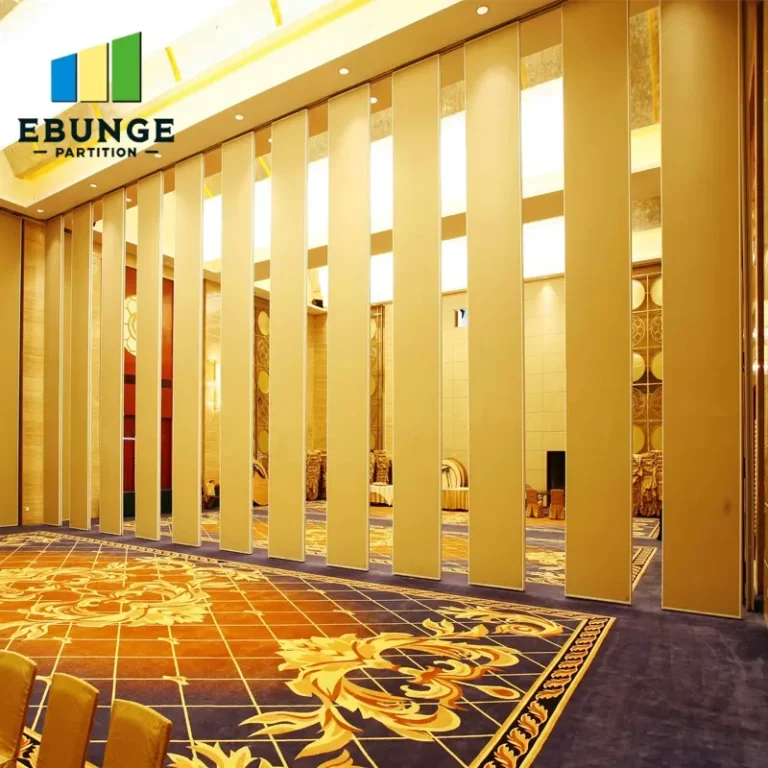
Share the opening, drawings, finish direction, and privacy target for a project-specific review.
How to Prepare for a Maintenance Quotation
To get accurate quotes and maintenance plans, you need to provide detailed information to potential suppliers. The more specific you are, the better they can tailor their offer. Before contacting suppliers, gather the following:
- Opening size: The width and height of each opening the wall will cover.
- Drawings: Architectural or structural drawings showing the installation area.
- Acoustic target: The required sound transmission class (STC) rating, if specified.
- Finish preference: The desired surface material (e.g., dry erase board, fabric, wood veneer).
- Project location: The city and state, as this affects service availability and response times.
Providing this upfront will streamline the quotation process and ensure you receive a maintenance plan that fits your specific project.
Questions to Ask Before Signing a Maintenance Contract
Before you commit, ask these critical questions to avoid misunderstandings:
- What is the exact scope of the maintenance plan? Does it include all components (panels, tracks, seals, hardware)?
- Are there any additional charges for emergency calls or after-hours service?
- How are spare parts priced? Are they covered under warranty or billed separately?
- Can you provide references from other training centers or hotels with similar installations?
- What is your process for handling warranty claims? How long does it typically take?
Getting clear answers will help you select a reliable partner for the long term.
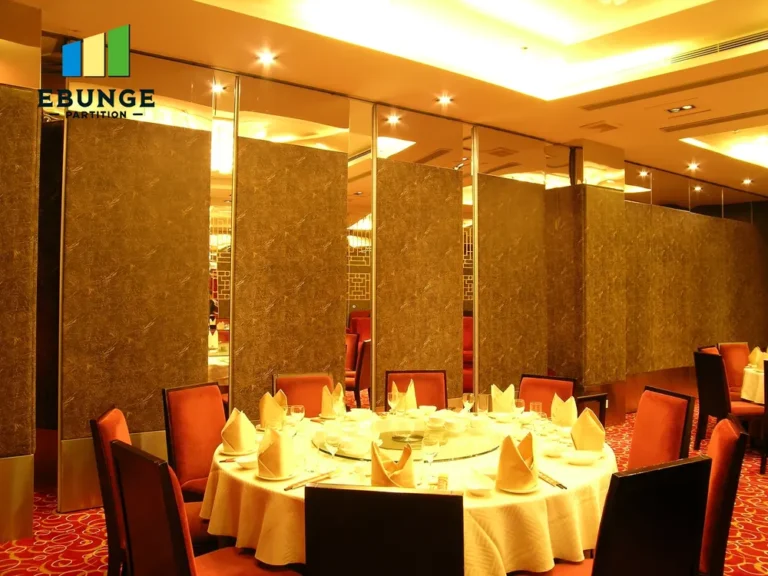
Integrating Maintenance with Your Operational Planning
As a hotel owner, you must align maintenance schedules with your training center’s calendar. Work with your supplier to schedule preventive maintenance during low-usage periods, such as holidays or weekends. Also, consider having a dedicated point of contact for maintenance requests to streamline communication. For more insights on maintaining your movable partitions, explore our Movable Partition Maintenance resources.
Conclusion
Selecting the right operable wall lifecycle maintenance plan for your training center is a strategic decision that impacts your budget, operations, and user satisfaction. By focusing on total lifecycle cost, warranty coverage, maintenance frequency, spare parts availability, repair response time, acoustic performance, and safety compliance, you can make an informed choice. Remember to gather detailed project information and ask the right questions to ensure your supplier understands your unique needs. With a proactive maintenance partner, your movable partition wall will continue to perform reliably for years to come. For a comprehensive overview of movable partition systems, visit our movable partition wall page.
Frequently Asked Questions
Q1: How often should a movable partition wall in a training center be serviced?
A: The frequency depends on usage. For heavy daily use, we recommend professional servicing at least twice a year. However, your supplier should provide a specific schedule based on your usage patterns and the manufacturer’s guidelines. Always confirm the recommended interval in your maintenance contract.
Q2: What is typically included in a maintenance service visit?
A: A standard service visit usually includes inspection and lubrication of moving parts, checking and adjusting seals, tightening hardware, and verifying overall wall operation. Some providers also include acoustic performance checks and safety compliance verification. Ask for a detailed list of what each service includes.
Q3: Are acoustic seals covered under warranty?
A: Often, acoustic seals are considered wear-and-tear items and may not be covered by the standard warranty. It is essential to ask specifically about seal coverage and their expected lifespan. Some suppliers offer extended warranties that include seals, but this may come at an additional cost.
Q4: How can I minimize downtime during maintenance?
A: Plan maintenance during off-peak hours, such as evenings or weekends, and coordinate with your supplier to ensure they can accommodate your schedule. Also, having a spare parts kit on-site for common replacements can reduce repair time. Ask your supplier if they offer a parts kit for your specific model.
Q5: What should I do if my movable wall fails between scheduled maintenance visits?
A: Contact your supplier’s emergency service line immediately. Before that, check your warranty and SLA to understand the response time. If you have a maintenance contract, it should outline the process for emergency calls. Always document the issue with photos or videos to expedite troubleshooting.
For more detailed guidance on maintaining your operable wall system, feel free to reach out to our team. We are here to support your project from specification to long-term care. Contact us for personalized advice.
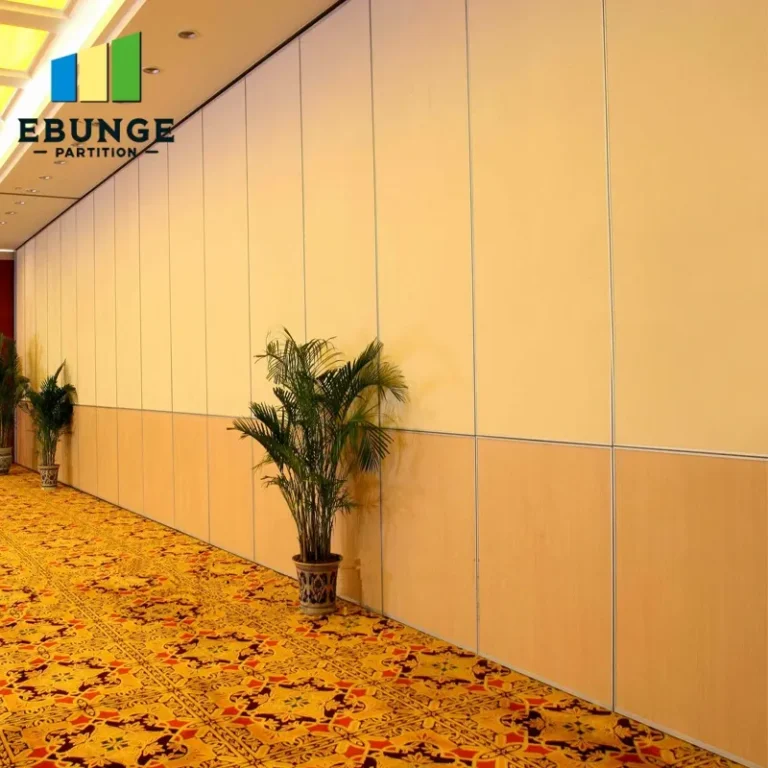
For this buyer review, operable wall lifecycle maintenance should be checked against the confirmed opening, drawings, operating plan, and project specification.
Send the opening size and drawings to discuss a differentiated operable wall lifecycle maintenance solution.