
Quick answer: bill of quantities line item
Review focus: bill of quantities line item.
Operable wall bill of quantities line item reconciliation is the discipline of proving, before award, that every priced row in a tender schedule corresponds to a written scope obligation and that no obligation sits unpriced. In operable wall packages the risk is rarely a single dramatic error. It is the quiet drift between a schedule written for pricing convenience and a specification written for delivery. This guide sets out a reviewer’s method for closing that gap using maintained product facts, visible evidence limits and project-specific drawing review.
Why Operable Wall Packages Drift Between Price and Scope
Project review term: bill of quantities line item.
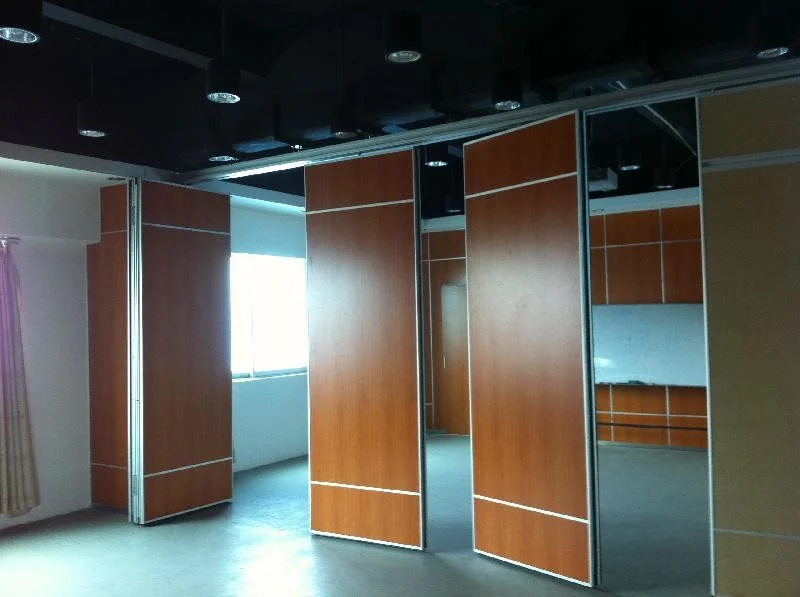
Operable wall panels are individually movable, suspended from a top track, cross the opening without a floor track and park at a planned stacking position. That single sentence already contains four scope dimensions a bill of quantities must price: panel movement, overhead suspension, clear-floor operation and parking provision. When a schedule compresses these into one lump-sum row, the reviewer loses the ability to test whether each dimension is covered.
Drift also appears because straight, turning and stacking routes are reviewed from the layout. A route that turns or stacks consumes plan area and coordination effort that a linear-metre row may not express. Reconciliation is therefore not an arithmetic exercise; it is a scope-mapping exercise.
A Six-Step Reconciliation Sequence for Reviewers
Coordination scope: bill of quantities line item.
- Freeze the scope baseline. Collect the specification, drawings, finish schedule and any pass-door requirements into one dated reference set before opening the priced schedule.
- Extract every obligation. Read the specification and list each deliverable as a plain-language obligation, including movement routes and parking.
- Map obligations to rows. Link each obligation to one or more priced rows, or flag it as unmapped.
- Test units and quantities. Confirm that the unit of measurement in each row matches the unit used in the scope description.
- Identify omissions and duplications. Look for obligations priced twice under different descriptions and obligations not priced at all.
- Issue a reconciliation query list. Send structured questions to the tenderer before award, not after signature.
Reading the Schedule Against Movement and Parking Logic
Checklist focus: bill of quantities line item.
Straight runs, turns and stacking positions
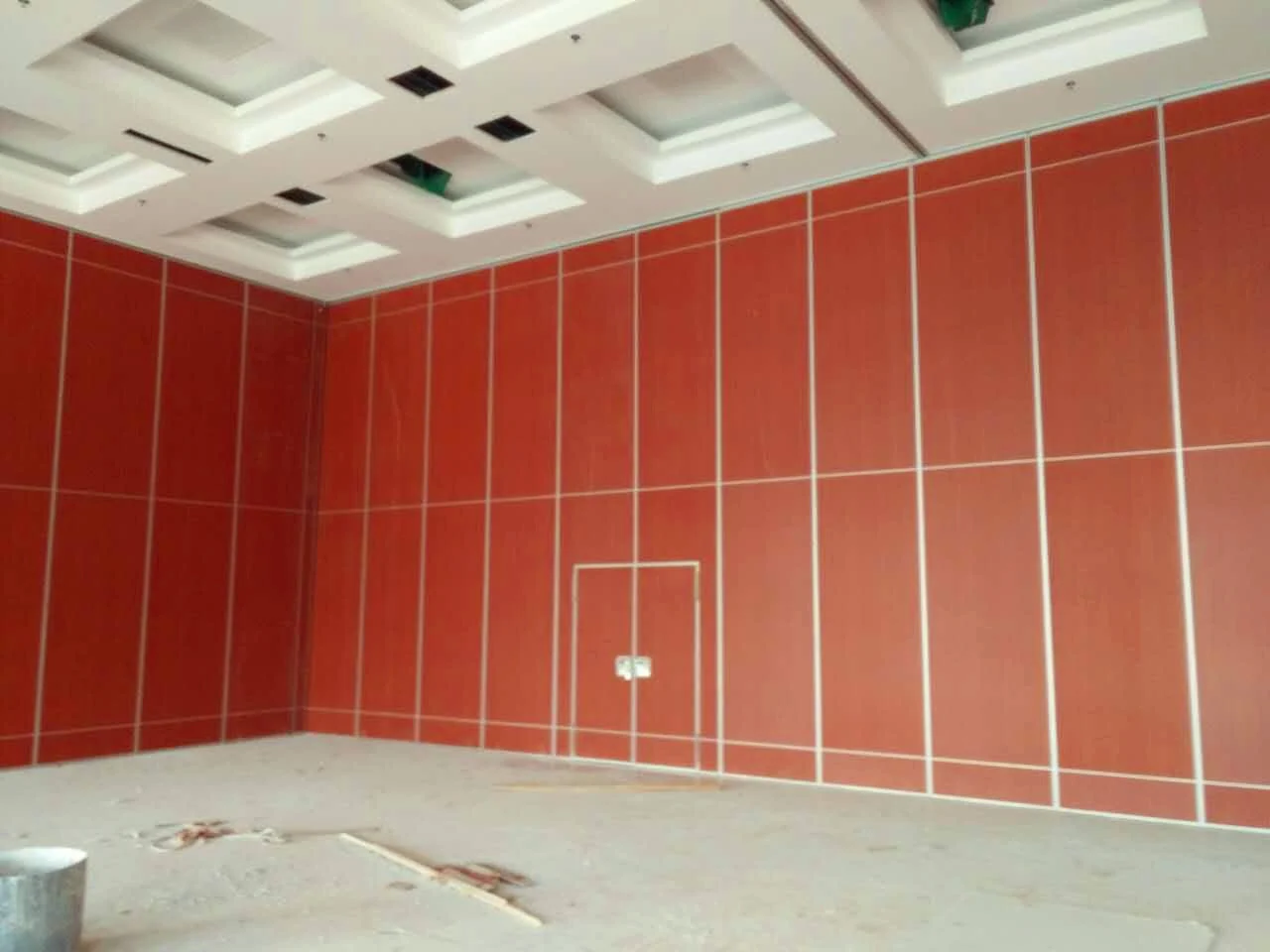
The exact route, junction arrangement, continuous overhead path and parking position must be confirmed from the coordinated project drawings. If the schedule prices only the opening width, the turning and stacking consequences may be invisible. Confirm that every proposed movement path has a continuous connected overhead route and that support conditions are reviewed for the specific project.
Clear-floor operation
Because panels cross the opening without a floor track, the schedule should not imply floor hardware along the partition line.
Unit Mismatch Patterns That Survive to Award
Review focus: bill of quantities line item.
| Schedule unit | Scope description unit | Reviewer action |
|---|---|---|
| Linear metre of opening | Number of panels | Request the panel count basis and reconcile to the layout |
| Square metre of elevation | Linear metre of track | Confirm which dimension governs each row |
| Lump sum | Itemised obligations | Ask for a breakdown against the obligation list |
| Per set | Per opening | Confirm whether sets and openings are one-to-one |
The suitability of each route and parking arrangement depends on the approved layout, circulation, ceiling interfaces and operating sequence. A row priced per set may be correct while the scope describes openings; the reviewer’s task is to make the relationship explicit rather than assume it.
Finish, Pass-Door and Documentation Rows
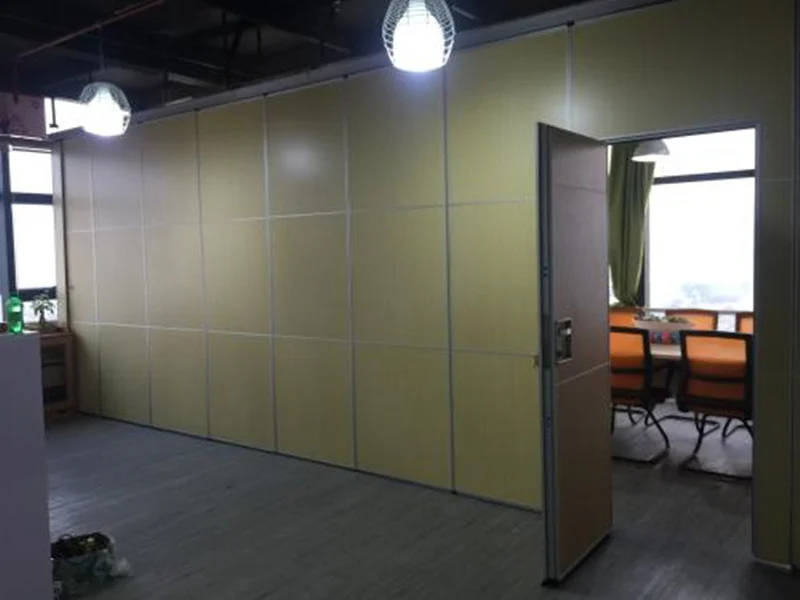
Confirmed finish options include laminate, melamine, fabric, leather, glass and other approved surfaces. Each finish choice can carry different procurement and coordination implications, so the schedule should state where finishes apply rather than leaving them as a generic allowance. Where a finish is described only by a sample reference, the reviewer should confirm the written description that governs.
Pass-door requirements and project documentation can be discussed with the supplier. Reviewers should check whether pass doors appear as a distinct row, whether their hardware and finish are described, and whether documentation deliverables are priced or excluded. Do not infer acoustic, fire or durability performance from a finish name or a photograph.
Evidence Boundaries Every Reviewer Should State
Reconciliation confirms that price and written scope align. It does not confirm acoustic performance, structural capacity, installation time, maintenance outcomes or commercial results. Those require separate project-specific evidence.
Reviewers should ask the tenderer to state the basis of any acoustic claim and confirm that the project’s support, acoustic and dimensional requirements are verified for the actual opening.
Pre-Award Query List and Sign-Off Discipline
A useful reconciliation ends with a written query list, not a verbal understanding. Each query should name the schedule row, the scope clause, the discrepancy and the confirmation required. When answers return, they should be attached to the tender package so that the awarded contract carries the reconciled position.
Reviewers should also record what remains open. If a route, support condition or dimensional requirement cannot be confirmed from the documents issued, that gap belongs in the query list rather than in an assumption. For broader planning context, see the EBUNGE resources and the operable partition product page.
Frequently Asked Questions
What documents are needed before reconciliation begins?
A dated set containing the specification, layout drawings, finish schedule, pass-door requirements and the priced bill of quantities. Without a frozen baseline, later comparisons become unreliable.
Should every obligation appear as a separate priced row?
Not necessarily. Grouping is acceptable when the scope description clearly states what the grouped price covers. The risk arises when grouping hides an obligation that no row addresses.
How should turning and stacking routes be priced?
They should be visible in the scope description and traceable to the layout. Whether they sit in a separate row or within a grouped row is a commercial choice, but the reviewer must be able to see that they are covered.
Can a finish name be treated as evidence of performance?
No. A finish name describes appearance and surface category, not acoustic, fire or durability performance. Those require matching project-specific evidence.
What if the tenderer cannot confirm a route or support condition?
Record it as an open item in the query list. Unconfirmed conditions should not be resolved by assumption during reconciliation.
Does reconciliation replace technical review?
No. It complements technical review by aligning price with written scope. The exact overhead route and support arrangement must be confirmed by the responsible project team from coordinated drawings.
Conclusion: Reconcile Before You Award
Operable wall bill of quantities line item reconciliation is a low-cost discipline with a high return in avoided disputes. By freezing the scope baseline, mapping obligations to rows, testing units and issuing a written query list, procurement reviewers can surface omissions, duplications and mismatches while the tender is still open. Confirm project-specific support, acoustic and dimensional requirements with the supplier before award.
To discuss pass-door requirements, project documentation or a reconciliation query list for your tender package, contact the EBUNGE team.