
When planning a conference room that needs to adapt to different meeting formats, the choice of an office acoustic partition performance solution often determines whether the space feels private, professional, and functional. For building material distributors, the challenge is not just about selling a product—it is about guiding clients through technical specifications, aesthetic options, and compliance requirements to ensure the final installation meets expectations. This guide focuses on the decision-making process, from initial inquiry to quotation readiness, helping you ask the right questions and provide clear, informed answers.
Direct answer: Office acoustic partition performance is primarily measured by the Sound Transmission Class (STC) rating, which indicates how effectively the partition reduces sound transmission. For conference rooms, an STC rating of 40-50 is typically adequate for speech privacy, but the exact requirement depends on the ambient noise level, the nature of the conversations, and the desired level of confidentiality. Always confirm the STC rating from the manufacturer’s test data, and ensure the partition’s design, including seals and track systems, supports that rating in real-world installation.
Understanding Office Acoustic Partition Performance
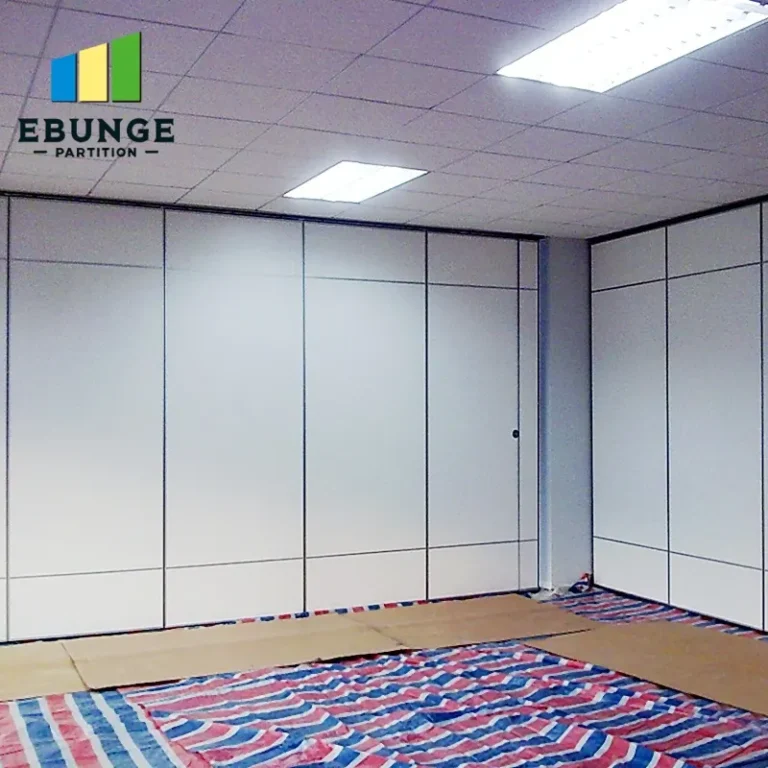
Office acoustic partition performance is not just about the partition panel itself; it involves the entire system, including the top-hung track system, perimeter seals, and the integration with the building structure. A movable partition wall with a high STC rating can still underperform if the installation gaps are not properly sealed. As a distributor, you need to assess the entire system’s performance, not just the panel’s laboratory rating.
Need help turning the office acoustic partition performance requirements into a practical project layout?
Why Conference Rooms Demand Special Attention
Conference rooms are high-stakes environments where confidential discussions, client meetings, and strategic planning occur. Sound privacy is critical, and any acoustic leakage can be detrimental. Unlike open offices, conference rooms require a higher level of sound isolation, often necessitating an operable wall system with enhanced sealing mechanisms. The acoustic partition solutions must be designed to meet the specific acoustic target, which is typically defined as a maximum background noise level and a minimum STC rating.
Key Acoustic Metrics: STC, NIC, and CAC
When evaluating office acoustic partition performance, you will encounter several metrics. The STC rating is the most common, but you should also consider the Noise Isolation Class (NIC) for field performance and the Ceiling Attenuation Class (CAC) if the partition extends to a ceiling. For conference rooms, an STC of 45 or higher is often recommended, but the actual requirement depends on the ambient noise level and the desired privacy level. Always request the test data and understand the conditions under which it was measured.
Designing for Acoustics: Sealing and Track Systems
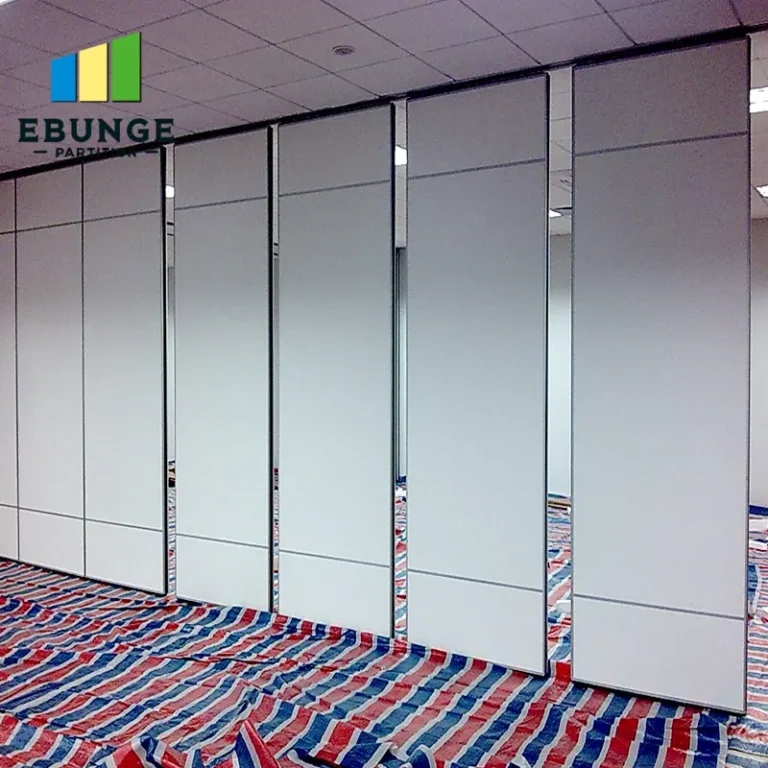
The performance of a movable partition wall is heavily influenced by the quality of its seals and the track system. A top-hung track system eliminates the need for a floor rail, which can be a tripping hazard and a dust collector, but it requires precise alignment and sturdy overhead support. Perimeter seals, including automatic drop seals at the bottom and compression seals at the sides, are essential to minimize sound leakage. When specifying a custom movable wall, ensure the design incorporates these elements and that the installation team is experienced with the system.
Fire Safety Compliance and Building Codes
In addition to acoustics, conference room partitions must comply with fire safety regulations. The partition’s fire rating, often expressed in minutes (e.g., 60 minutes), indicates how long it can contain a fire. This rating must match the building’s fire compartmentation requirements. As a distributor, you should verify that the partition system has the necessary certifications and that the installation meets local codes. This is a critical factor in the buyer’s decision-making process.
Durability and Maintenance: Long-Term Performance
Conference rooms experience frequent use, so the partition must be durable and easy to maintain. Look for panels with impact-resistant surfaces, such as laminate or steel, and ensure that moving parts, like the track rollers and seals, are designed for longevity. Maintenance requirements should be minimal—perhaps periodic cleaning and seal replacement. When discussing options with clients, highlight the lifecycle cost, not just the initial investment.
Aesthetic Options and Customization
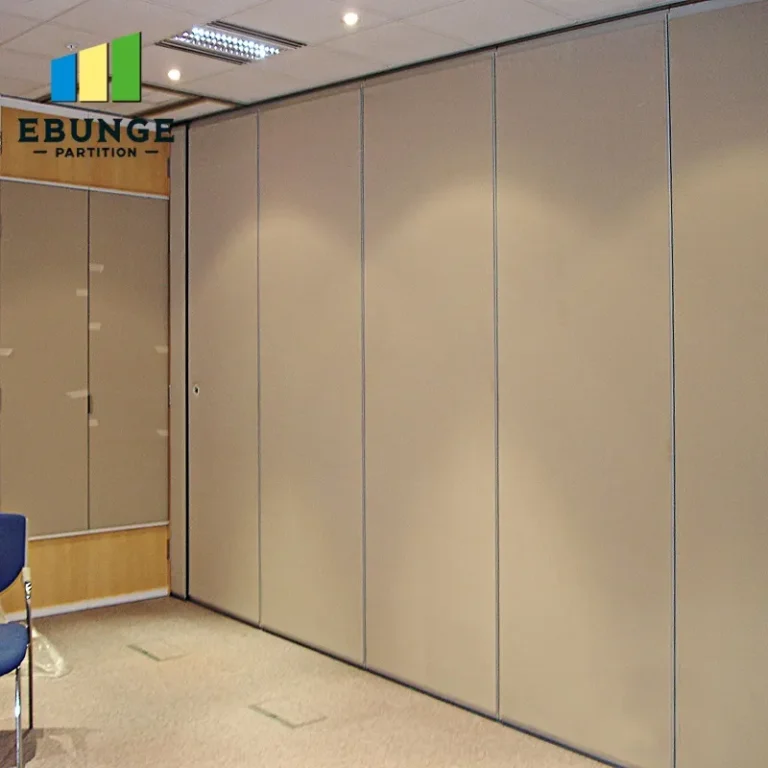
While performance is paramount, the visual appeal of the partition is also important, especially in a conference room that represents the company’s image. Acoustic partition solutions come in a variety of finishes, including wood veneer, fabric, and glass. Custom movable walls can be tailored to match the interior design, with options for integrated whiteboards, tackable surfaces, or even digital displays. When guiding clients, ask about their aesthetic preferences and how they envision the partition blending with the existing décor.
Share the opening, drawings, finish direction, and privacy target for a project-specific review.
Installation Considerations: Ease and Precision
The ease of installation affects both the project timeline and the final acoustic performance. A top-hung track system requires careful alignment and may involve structural reinforcement, which can extend the installation time. However, once installed, it offers smooth operation and better floor space utilization. Discuss the installation process with the client, including any site preparation, and ensure that the manufacturer provides detailed drawings and installation guidance. This is where your role as a distributor becomes crucial—you are not just selling a product; you are facilitating a successful project.
Cost-Effectiveness and Supplier Reliability
Cost is always a consideration, but it should be evaluated in the context of the partition’s lifespan and performance. A cheaper partition that fails to provide adequate acoustics will require costly retrofits. Similarly, a reliable supplier who delivers on time and provides after-sales support is invaluable. When preparing a quotation, include all necessary components—panels, track, seals, and installation—and be transparent about any variables that could affect the final price.
Practical Checklist for Conference Room Partition Selection
| Checklist Item | Considerations |
|---|---|
| Acoustic target | STC rating, NIC, ambient noise level, privacy requirement |
| Fire safety | Fire rating, compliance with local codes |
| Track system | Top-hung vs. floor rail, ceiling support, ease of operation |
| Sealing | Perimeter seals, drop seals, quality of compression |
| Durability | Surface material, hardware quality, maintenance needs |
| Aesthetics | Finish, customization, integration with interior design |
| Installation | Complexity, timeline, structural requirements |
| Budget | Total cost, lifecycle cost, ROI |
| Supplier | Reputation, lead time, after-sales support |
Guiding the Client: Questions to Ask and Information to Gather
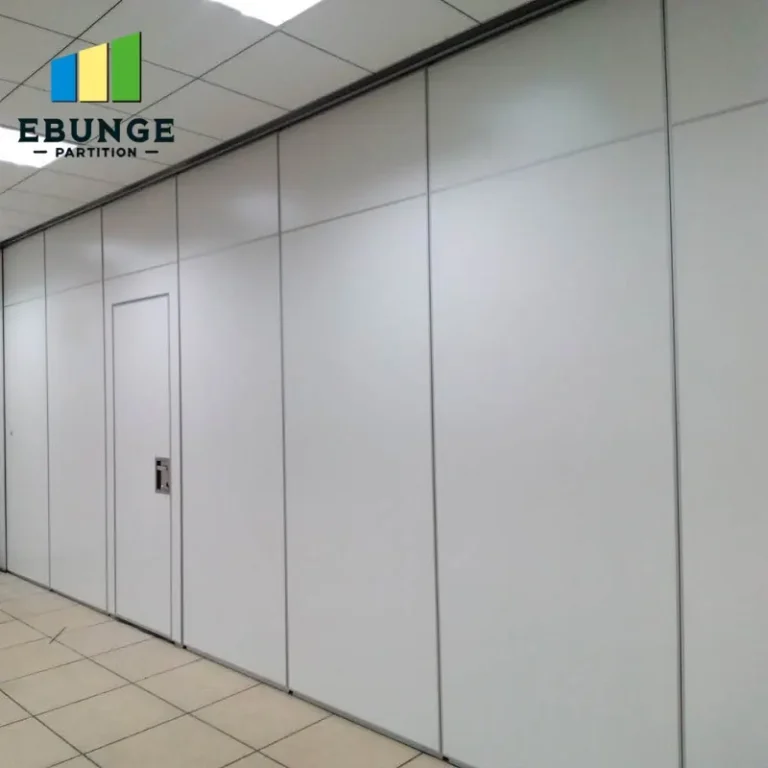
To provide an accurate quotation, you need specific information from the client. Ask for the opening size (width, height, and depth), architectural drawings, the acoustic target (e.g., STC rating), finish preferences, and the project location. This information allows you to recommend the most suitable office acoustic partition performance system. Encourage the client to share these details early in the process to avoid delays and ensure the final solution meets all requirements.
Conclusion: Making Informed Decisions
Office acoustic partition performance is a multifaceted consideration that goes beyond the product itself. By understanding the technical metrics, design factors, and installation nuances, you can guide your clients toward a solution that provides the sound privacy they need, the aesthetic appeal they desire, and the durability they expect. As a distributor, your expertise in asking the right questions and providing accurate information is the key to successful projects and satisfied customers.
Frequently Asked Questions
What is the difference between STC and NIC?
STC is a laboratory rating of a partition’s sound isolation capability, while NIC is a field measurement of the actual sound isolation between two spaces. NIC is often lower than STC due to installation factors and flanking paths.
Can a movable partition wall achieve high STC ratings?
Yes, with proper design and installation, movable partitions can achieve STC ratings of 50 or more. However, the performance depends on the quality of the seals, the track system, and the installation.
What is the recommended STC for a conference room?
For general conference rooms, an STC of 45 is often recommended, but for executive boardrooms or rooms with high confidentiality requirements, a higher rating may be necessary. It depends on the ambient noise and the desired privacy level.
How do I ensure the partition meets fire safety regulations?
Choose a partition system that has been tested and certified for the required fire rating. Ensure the installation complies with local building codes and that the partition is integrated properly with the building’s fire protection systems.
What maintenance is required for acoustic partitions?
Regular maintenance includes cleaning the panels and track, checking the seals for wear, and ensuring the moving parts are lubricated. The frequency depends on usage, but a well-maintained partition can last for many years.
For more insights on movable partition walls, explore our movable partition wall resources. If you are looking for design ideas, visit our Movable Partition Design Ideas category. To discuss your specific project, contact us for professional guidance.
Send the opening size and drawings to discuss a differentiated office acoustic partition performance solution.