
When you supply movable walls for government multipurpose rooms, the buying process is different from a typical hotel or office project. You are not just selling a partition; you are providing a solution that must meet strict public building codes, acoustic requirements for confidential meetings, and durability standards for high-traffic use. As an overseas dealer, your quotation and project coordination need to be precise to avoid costly delays and rework. This application guide focuses on preparing your bid with confidence, ensuring you address the critical factors that influence project success.
Direct answer: For a government multipurpose room, the key to a successful movable walls project is to align the partition system with the room’s opening size, acoustic target, and finish preferences, while providing detailed drawings and leveraging factory-direct support. You need to confirm these specifications from project documents and communicate them clearly to the manufacturer to ensure compliance and functionality.
Understanding the Government Multipurpose Room Application
Government multipurpose rooms serve a variety of functions: town hall meetings, training sessions, public hearings, and sometimes confidential discussions. This diversity means the movable walls must be flexible yet robust. Unlike a hotel ballroom, where aesthetics might be the primary driver, government projects often prioritize acoustic privacy, compliance with accessibility standards, and ease of operation for staff who may not be technical. As a dealer, you need to understand these priorities to recommend the right partition wall system.
Your role is to bridge the gap between the end-user’s requirements and the manufacturer’s capabilities. You must ask the right questions about room dimensions, ceiling height, and the expected frequency of use. This information is essential for specifying a system that performs reliably over the long term.
Need help turning the movable walls requirements into a practical project layout?
Key Specifications to Confirm Before Quoting
Before you prepare a quotation, you must confirm several critical specifications from the project drawings or specifications. These are non-negotiable for an accurate bid:
- Opening size: The width and height of the opening that the movable wall needs to cover. This determines the number of panels, their weight, and the track configuration.
- Acoustic target: The required sound insulation performance, often expressed as an STC rating. For confidential meetings, a higher rating is needed. You must verify the target from the project spec.
- Finish preference: The surface finish must match the interior design of the room. This could be a specific laminate, veneer, or paint color. You need to confirm the exact finish code or sample.
- Drawings: Detailed architectural and structural drawings are essential to design the track support and ensure the wall integrates with the building’s HVAC and fire safety systems.
Without these confirmed values, your quotation is only an estimate, which can lead to change orders and disputes later.
Durability and Maintenance in High-Traffic Government Settings
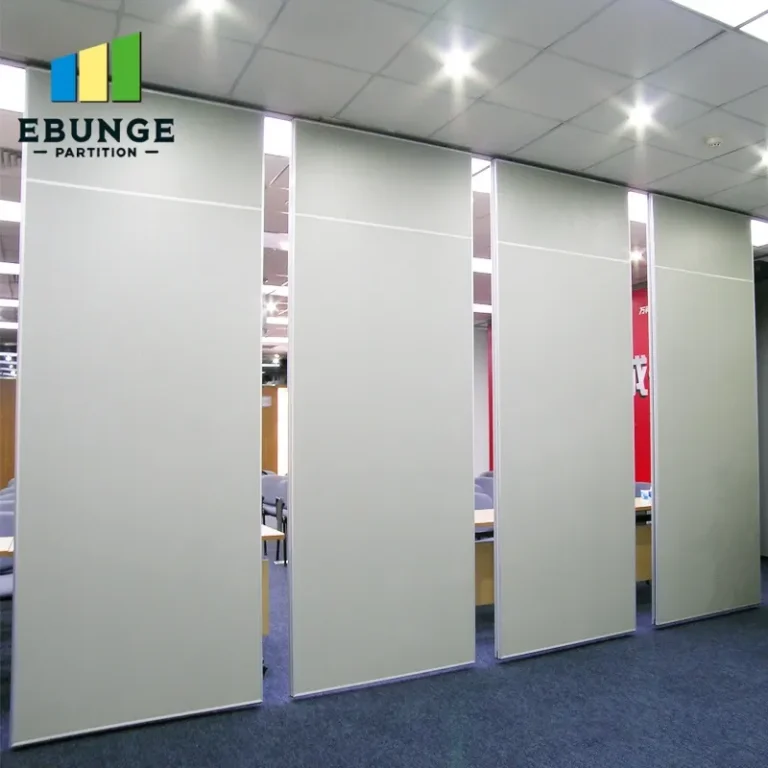
Government buildings are often high-traffic environments. The movable walls will be used frequently, possibly daily, and must withstand wear and tear. You need to consider the durability of the panel surfaces, the track system, and the operating mechanisms. Ask about the manufacturer’s materials and construction quality. For example, a top-hung track system without a floor rail is often preferred because it reduces trip hazards and allows for easier cleaning and maintenance.
Maintenance requirements are also a concern. You should specify a system that is easy to clean and repair. Panels with replaceable vinyl or laminate surfaces are practical. The track and rollers should be designed for long life, and you should provide your client with a simple maintenance schedule.
Compliance with Public Building Codes and Accessibility
Public buildings are subject to strict codes, including accessibility standards like the ADA in the U.S. or equivalent local regulations. The movable wall system must not create barriers. This includes ensuring that the track does not obstruct pathways and that the wall panels are easy to operate for people with disabilities. You must verify that the manufacturer’s system complies with the relevant codes in your market.
Additionally, the partition wall system must integrate with the building’s fire safety systems. This may involve coordinating the placement of fire sprinklers and smoke detectors. The wall should not interfere with their operation. Your quotation should include a note about the need for coordination with the general contractor.
Acoustic Performance for Confidential Meetings
One of the primary functions of movable walls in a government multipurpose room is to provide acoustic privacy for confidential meetings. The acoustic partition must achieve the specified sound insulation. This requires attention to the panel construction, the seals at the top, bottom, and vertical joints, and the installation quality. You should request acoustic test data from the manufacturer and verify that it meets the project’s target.
It is also important to consider the room’s acoustics beyond the wall itself. Flanking paths, such as through the ceiling plenum or HVAC ducts, can compromise performance. Your role is to advise the client on these potential issues and ensure that the partition system is installed correctly to minimize sound leakage.
Ease of Operation for Non-Technical Staff
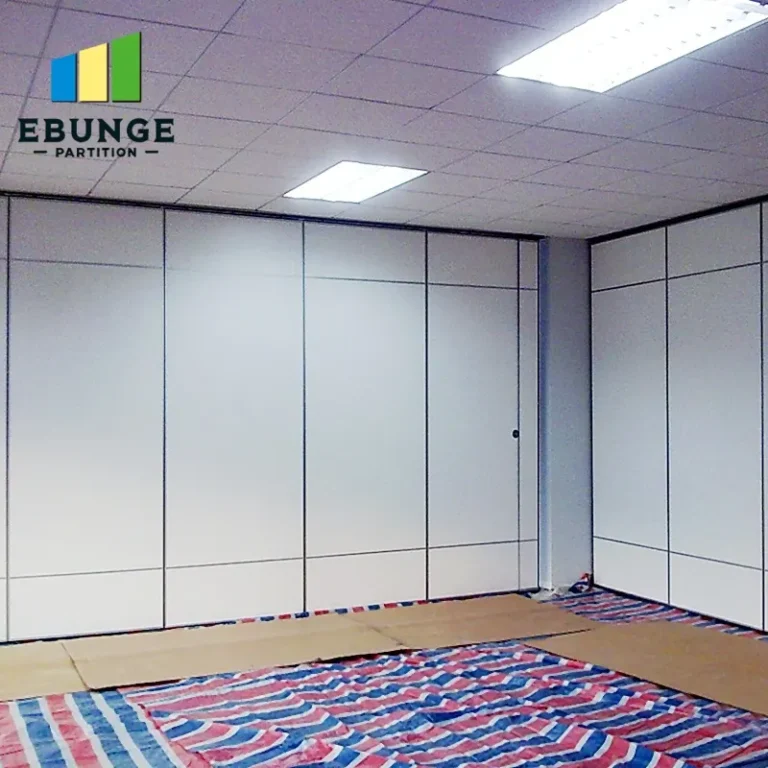
Government employees may not be trained to operate complex mechanical systems. The movable walls should be easy to open and close, with minimal effort. Consider systems with manual or motorized operation. Motorized systems offer convenience but add cost and maintenance. Manual systems can be effective if they are well-designed with smooth-gliding panels and simple locking mechanisms.
You should provide clear operating instructions and perhaps a training session for the facility staff. This reduces the risk of misuse and damage. In your proposal, include a plan for user training and a user manual.
Total Cost of Ownership: Beyond the Initial Quote
When quoting a government project, you must consider the total cost of ownership, not just the upfront price. This includes installation, maintenance, and potential repairs over the building’s life. Government budgets are often tight, and decision-makers will evaluate the lifecycle cost. You should provide a clear breakdown of costs and highlight the long-term savings of a durable, low-maintenance system.
For example, a top-hung track system might have a higher initial cost than a floor-mounted system, but it reduces wear and tear on the floor and is easier to clean, saving money over time. You should also consider energy efficiency if the wall includes insulation that affects heating and cooling.
Share the opening, drawings, finish direction, and privacy target for a project-specific review.
Integration with HVAC and Fire Safety Systems
The movable wall must not interfere with the building’s HVAC and fire safety systems. This requires careful coordination during the design phase. The track system should be designed to accommodate ceiling-mounted equipment, and the wall panels should not block air vents or sprinkler heads. You should review the mechanical and electrical drawings to identify potential conflicts.
In some cases, the wall may need to be integrated with the fire alarm system, such as having a smoke detector on each side. You should include these considerations in your proposal and work closely with the manufacturer’s engineering team to ensure a seamless integration.
Finish Matching: Aligning with Interior Design Requirements
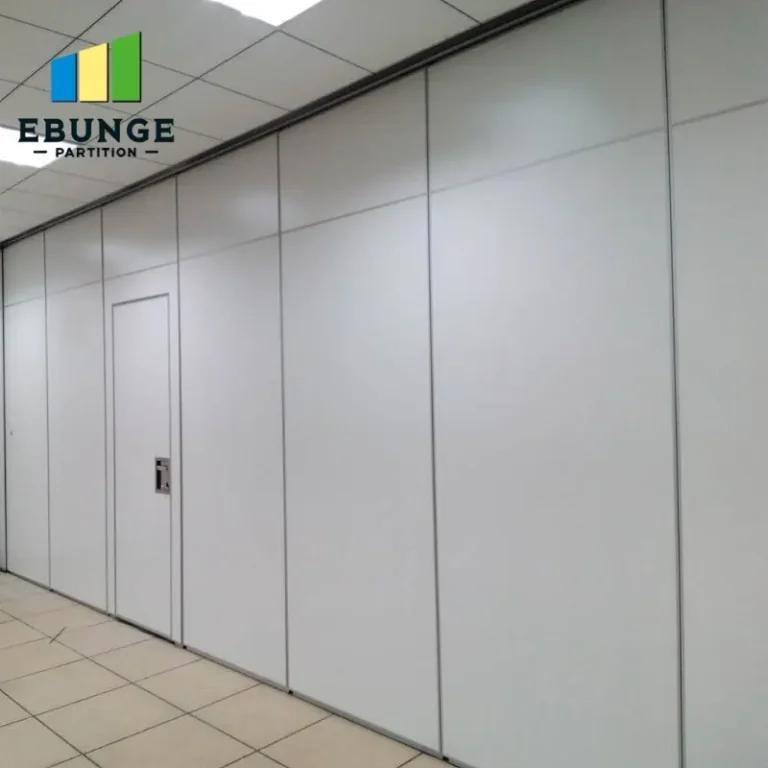
Government buildings often have specific design standards, and the movable walls must match the interior finishes. This could be a particular wood grain, a solid color, or a custom pattern. You need to obtain finish samples from the manufacturer and submit them for approval. The finish should be durable and easy to clean, but also aesthetically pleasing.
Custom finishes may come with longer lead times and higher costs. You should communicate this clearly to the client and plan accordingly. It is also important to document the finish specifications in the quotation to avoid misunderstandings.
Factory Direct Support: Leveraging Expertise
One of the advantages of working with a reputable manufacturer is factory-direct support. This means you can access their engineering expertise for custom designs, get detailed drawings, and receive installation guidance. This support is invaluable for government projects where precision is critical.
When selecting a manufacturer, ask about their support capabilities. Do they provide shop drawings? Can they assist with installation supervision? What is their response time for technical questions? A manufacturer that offers comprehensive support will help you deliver a successful project.
Quotation Readiness: A Checklist for Your Proposal
To ensure your quotation is complete and competitive, use this checklist:
| Item | Status | Notes |
|---|---|---|
| Opening dimensions confirmed | ☐ | From architectural drawings |
| Acoustic target specified | ☐ | STC rating or dB reduction |
| Finish sample approved | ☐ | Match interior design |
| Structural support verified | ☐ | Ceiling and floor load capacity |
| HVAC and fire safety integration | ☐ | Coordinate with MEP drawings |
| Operation and maintenance plan | ☐ | Include training and manual |
| Lifecycle cost analysis | ☐ | Show long-term savings |
| Manufacturer support confirmed | ☐ | Drawings and installation guidance |
Conclusion: Reducing Risk in Your Movable Walls Project
Supplying movable walls for a government multipurpose room requires careful planning and attention to detail. By confirming the opening size, acoustic target, finish preferences, and drawings, and by leveraging factory-direct support, you can reduce project risk and ensure client satisfaction. Remember to focus on durability, compliance, and lifecycle costs in your proposal. With the right approach, you can deliver a partition wall system that meets the demanding needs of a public building.
For more insights on partition wall systems, explore our movable partition wall solutions and technical blog. To discuss your project requirements, contact our team for expert guidance.
Frequently Asked Questions
What is the typical lead time for a custom movable wall for a government project?
Lead times vary based on the complexity of the project and the manufacturer’s schedule. Custom finishes and acoustic requirements can extend production time. It is essential to confirm the lead time during the quotation phase and factor it into your project timeline.
Can movable walls be integrated with fire sprinkler systems?
Yes, but careful coordination is required. The wall panels and track must not obstruct sprinkler coverage. In some cases, sprinkler heads may need to be relocated or the wall designed to accommodate them. This should be reviewed with the manufacturer and the fire safety engineer.
How do I ensure the acoustic performance meets the required STC rating?
Request acoustic test data from the manufacturer for the specific wall configuration. Also, ensure that the installation is done correctly, including proper sealing at all edges. On-site testing may be required for final acceptance.
What are the maintenance requirements for movable walls?
Regular maintenance includes cleaning the track and rollers, checking seals, and lubricating moving parts. The frequency depends on usage. A maintenance schedule should be provided to the facility manager.
Can the finish of the movable wall be changed in the future?
Some systems allow for panel skins to be replaced, but this depends on the design. It is advisable to choose a system that offers replaceable surfaces to simplify future updates.
Send the opening size and drawings to discuss a differentiated movable walls solution.