
Quick project answer
When you assess a movable wall vs fixed partition for office meeting rooms, begin with two proposed room layouts: one with the partition fully open and one with it closed. The open layout shows how the meeting room combines with adjacent areas; the closed layout defines the enclosed room boundary. These two states frame every later decision about track, parking, finishes and approvals. A fixed partition delivers only the closed state. A movable system must serve both states without compromising the floor or the ceiling line.
The Top-Hung Principle and Why It Shapes the Procurement Brief
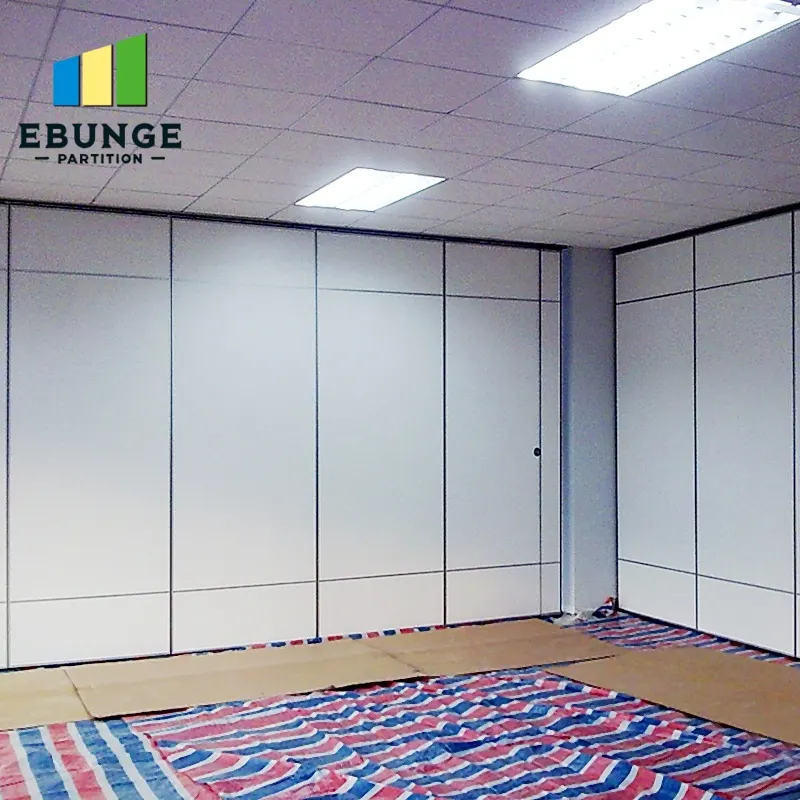
The EBUNGE movable partition system is top-hung. That means the operating hardware is carried overhead, not in the finished floor along the partition line. Within Movable Wall vs Fixed Partition for Office Meeting Rooms: Selection, the maintained overhead-supported arrangement uses no continuous floor running track along the partition line. For office meeting rooms, this matters because the floor finish continues across the opening without a break. The procurement brief should state that the system is top-hung and that the floor must remain intact. It should not assume a floor track or any recessed floor hardware.
How a Physically Uninterrupted Floor Affects Use Scenarios
A physically uninterrupted floor changes how the meeting room is used. Chairs and tables can cross the opening without meeting a track. Cleaning routines follow the existing floor surface. The floor finish does not need a cut line or cover strip along the partition line. These are practical consequences of the top-hung arrangement, not additional features. The brief should record that the floor remains continuous and that no floor track is part of the scope.
Drawing Checkpoints Before the Comparison Can Be Completed
For Movable Wall vs Fixed Partition for Office Meeting Rooms: Selection, record the parking position and route in the coordinated drawings, including each junction and the overhead path. This boundary sentence applies to every engineering detail that is not otherwise confirmed. Before comparing movable and fixed options, collect the coordinated drawings and mark the overhead path, the parking zone and the closed room boundary. The comparison is only meaningful when those drawing checkpoints are aligned with the proposed open and closed layouts.
Parking Planning for the Open State
Finish Choices and Finish-Specific Care
Non-Limiting Applications and the Fixed Alternative
Comparison Table: Movable Wall vs Fixed Partition
| Consideration | Movable Wall | Fixed Partition |
|---|---|---|
| Open state | Panels park in a coordinated area | Not available |
| Closed state | Defined by the closed room layout | Permanent room boundary |
| Floor along partition line | Physically uninterrupted with top-hung system | No partition-line hardware |
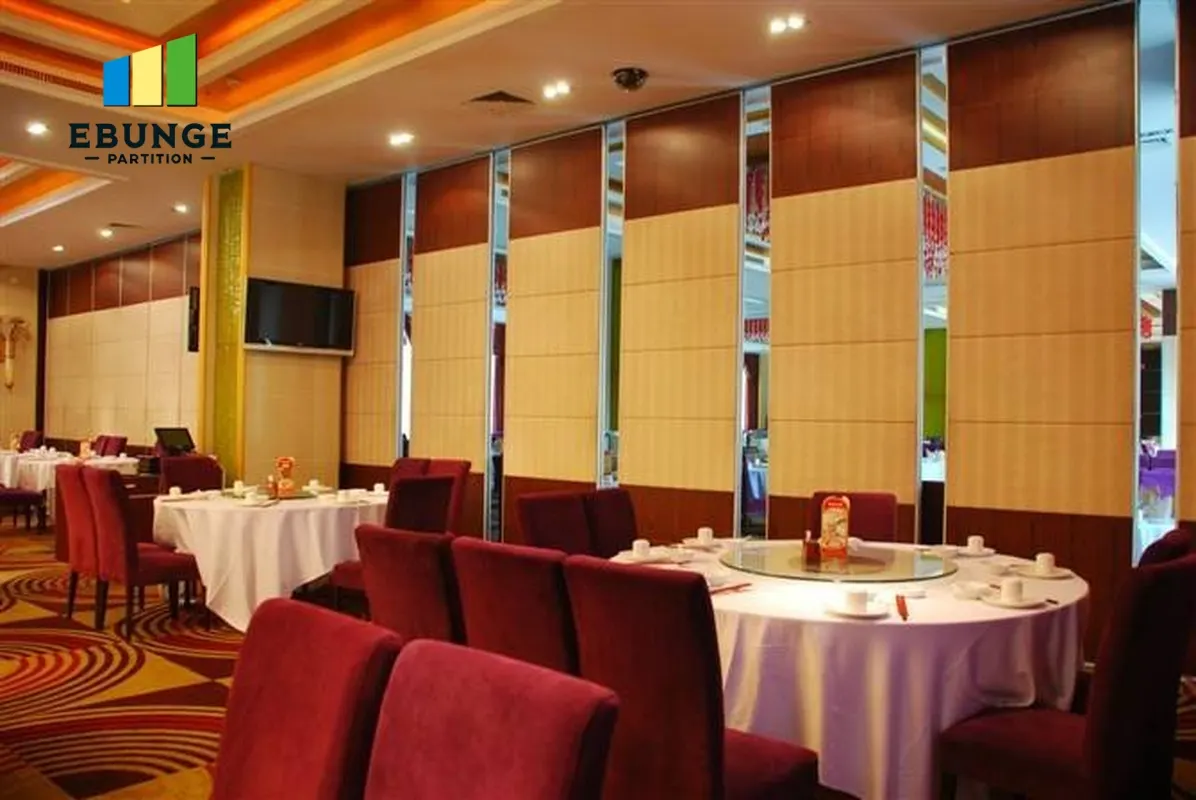
| Finish | Customizable; care varies by finish | Depends on construction |
| Drawing needs | Coordinated drawings for route and parking | Standard construction drawings |
Ordered Approval Checkpoints for the Selection
- Confirm the open layout and the closed room layout.
- Mark the overhead path and parking position on coordinated drawings.
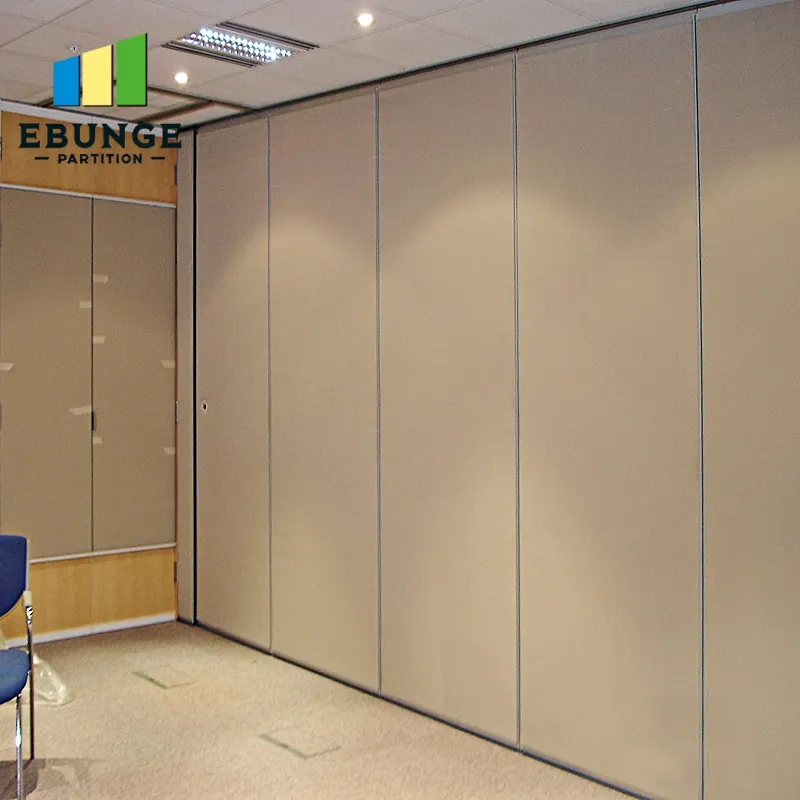
- Record that The maintained top-hung arrangement does not place continuous operating track or hardware in the finished floor.
- Select the finish direction and note the finish-specific care method.
- Review the parking arrangement against the adjacent space design.
- Compare the movable option with a fixed partition using the same layouts.
Buyer Inputs and Drawing Approvals
The buyer inputs for this comparison are the open and closed layouts, the coordinated drawings, the parking area, the finish direction and the approval checkpoints above. For Movable Wall vs Fixed Partition for Office Meeting Rooms: Selection, record the parking position and route in the coordinated drawings, including each junction and the overhead path. Approval should follow the drawing checkpoints rather than assumptions about floor tracks or fixed hardware. When these inputs are complete, the movable wall vs fixed partition decision can be reviewed against the same room layouts.
For product information, see the movable partition wall page. Additional articles are available in the blogs section. To discuss a project, use the contact page.
FAQ: Movable Wall vs Fixed Partition for Office Meeting Rooms
What is the first layout decision in this comparison?
Start with the proposed open layout and the proposed closed room layout. These two states define how the meeting room combines with adjacent areas and how it is enclosed. Every later decision about track, parking, finishes and approvals should be checked against both layouts. A fixed partition only serves the closed state.
Does The floor is not cut for a running track along the maintained top-hung partition line. Within Movable Wall vs Fixed Partition for Office Meeting Rooms: Selection, the maintained overhead-supported arrangement uses no continuous floor running track along the partition line. The procurement brief should record that the floor stays continuous.
How is panel parking planned for the open state?
Provide the current layout, opening dimensions, ceiling information, intended room use, and relevant project drawings for review. The exact overhead route and support arrangement must be confirmed by the responsible project team from coordinated drawings.
Can the finish be customized, and does care change?
Provide the current layout, opening dimensions, ceiling information, intended room use, and relevant project drawings for review. The exact overhead route and support arrangement must be confirmed by the responsible project team from coordinated drawings.
What drawing information is needed before approval?
Provide the current layout, opening dimensions, ceiling information, intended room use, and relevant project drawings for review. The exact overhead route and support arrangement must be confirmed by the responsible project team from coordinated drawings.
Are movable partitions limited to certain room types?
Provide the current layout, opening dimensions, ceiling information, intended room use, and relevant project drawings for review. The exact overhead route and support arrangement must be confirmed by the responsible project team from coordinated drawings.