
When designing a restaurant private room, the choice of movable wall finishes for commercial interiors is as much about aesthetics as it is about acoustics, durability, and compliance. As an architect, you need a partition that not only defines the space but also meets the practical demands of a busy hospitality environment. This guide focuses on the key considerations for selecting movable wall finishes for commercial projects, helping you prepare for supplier discussions and quotation requests. Whether you are specifying a top-hung track system or exploring acoustic partition solutions, understanding the material and system options is crucial. We’ll also address common buyer concerns such as finish durability, fire safety, and maintenance, so you can make an informed decision that aligns with your design vision and project requirements.
In short: For a restaurant private room, prioritize movable wall finishes that offer acoustic insulation, durability, and easy maintenance, while ensuring the system (like a top-hung track) fits the ceiling structure. Always request samples, verify acoustic ratings, and confirm fire safety compliance with the supplier before specifying.
Movable Wall Finishes For Commercial: Why Finish Selection Matters for Restaurant Private Rooms
In a restaurant, the movable wall finish is not just a visual element; it directly impacts the guest experience. A private room should feel intimate and quiet, shielding diners from the noise of the main dining area. The finish also needs to withstand frequent use, cleaning, and occasional impacts from furniture or service carts. Choosing the right finish involves balancing aesthetics with performance, and it starts with understanding the operational demands of your project.
For instance, a fabric finish may offer excellent acoustic absorption but might be harder to clean than a laminate or vinyl. Conversely, a painted or laminate finish is durable and easy to wipe down but may not provide the same level of sound absorption. As an architect, you must evaluate these trade-offs based on the specific needs of the restaurant and its clientele.
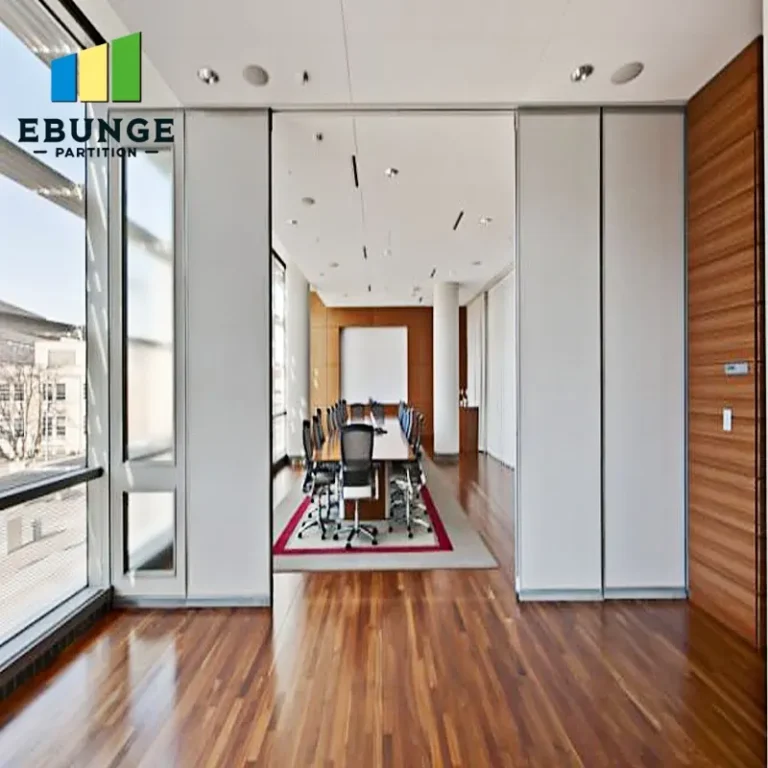
Need help turning the movable wall finishes for commercial requirements into a practical project layout?
Acoustic Performance: What to Look For
Acoustic insulation is a top concern for restaurant private rooms. The ability of a movable partition wall to block sound is measured by its Sound Transmission Class (STC) rating. For a private dining area, an STC rating of 45 to 50 is typically recommended to ensure conversation privacy and minimize disturbance from adjacent spaces. However, the actual performance depends not only on the wall finish but also on the partition’s construction, seals, and installation quality.
When discussing acoustic partition solutions with suppliers, ask for the STC rating of the complete system, not just the panel. Also, consider the perimeter seals: top and bottom seals play a critical role in blocking sound leakage. Since you are using a top-hung track system, ensure that the seals are effective and that the installation will be done by certified technicians to achieve the rated performance.
Durability and Maintenance: Finishes That Last
In a commercial environment, the wall finish will encounter daily wear and tear. High-traffic restaurants require finishes that are resistant to scratches, stains, and impact. Common options include:
- Laminate: Offers high durability and is available in a wide range of colors and patterns. It is easy to clean and resistant to moisture.
- Vinyl: Similar to laminate but with a softer feel; it provides good durability and is often used in hospitality settings.
- Fabric: Provides excellent acoustics but may require more maintenance. Some fabrics are treated for stain resistance, but they are not as durable as hard surfaces.
- Wood veneer: Adds a warm, natural look but may require more care and is susceptible to scratches.
Consider the cleaning protocols of the restaurant. If they use harsh chemicals, ensure the finish can withstand them. Also, think about the frequency of cleaning: a private room may be cleaned daily, so the finish should be able to handle that without degrading.
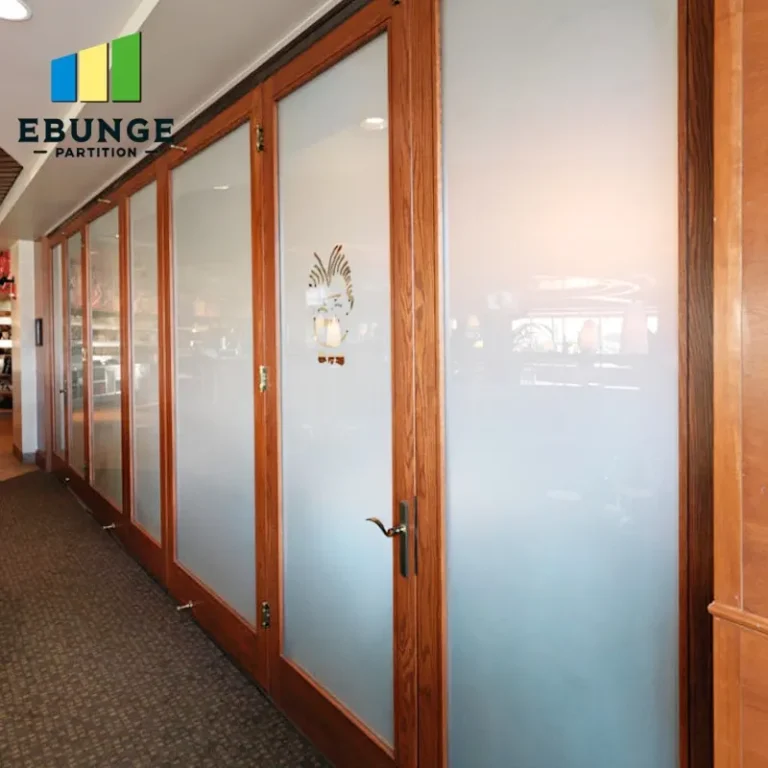
Fire Safety and Building Codes
Compliance with fire safety regulations is non-negotiable. Movable wall finishes must meet the fire resistance requirements of your local building code. Typically, this involves a fire rating for the partition system, which is determined by the materials used. When specifying a movable partition wall, verify that the supplier can provide fire test certificates and that the system is approved for use in your jurisdiction.
Remember that the finish material itself may have a fire rating, but the overall system’s rating is what matters. Ask the supplier for documentation that confirms the system’s compliance, and keep these records for your project files.
Installation and Time: Planning for Efficiency
Installation time is a critical factor in project scheduling. A top-hung track system, which does not require a floor rail, can be installed more quickly and with less disruption to the existing floor finish. However, the installation time still depends on the complexity of the system, the number of panels, and the site conditions. Work with the supplier to get a realistic installation timeline and ensure that it fits your project schedule.
Also, consider the installation process itself: does it require special equipment or skills? Will the supplier handle the installation, or will you need to coordinate with a contractor? Clarify these points early to avoid delays.
Cost Considerations: Beyond the Initial Quote
Cost is always a factor, but it’s important to look beyond the initial price of the partition. Consider the total cost of ownership, including maintenance, repairs, and potential replacement. A cheaper finish might save money upfront but could be more expensive in the long run if it needs frequent repairs or replacement.
When requesting quotes, ask for a breakdown of costs, including panels, track, hardware, installation, and any additional accessories. Also, inquire about warranty terms and what they cover. A longer warranty often indicates a higher-quality product, but always read the fine print.
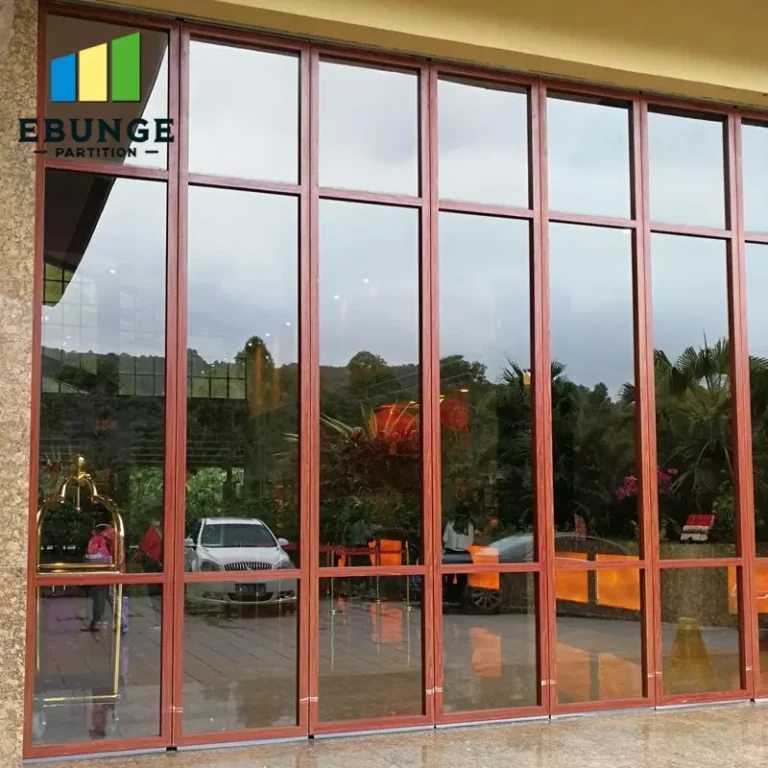
Share the opening, drawings, finish direction, and privacy target for a project-specific review.
Supplier Reliability and Support
The reliability of your supplier is just as important as the product itself. Look for a supplier with a proven track record in commercial projects, especially in the hospitality sector. Check references and ask about their experience with restaurant private rooms. Also, consider their level of support: do they provide detailed drawings, installation guidance, and after-sales service?
A good supplier will work with you to customize the movable wall finishes for commercial interiors supplier needs, offering samples and technical advice. They should be responsive to your questions and able to provide documentation for compliance and warranty.
Customization and Aesthetics: Matching Your Vision
Movable wall finishes are not one-size-fits-all. You may want to match the partition with the restaurant’s interior design, using a custom color, pattern, or material. Many suppliers offer custom movable wall options, allowing you to choose from a range of finishes or even provide your own material. When discussing customization, be clear about your design intent and ask for samples to ensure the finish meets your expectations.
For a restaurant private room, the finish should complement the overall ambiance. Whether you prefer a sleek, modern look or a warm, traditional feel, there is a finish that can achieve it. Work with the supplier to explore options that align with your design vision.
Checklist for Specifying Movable Wall Finishes
Before you finalize your specification, use this checklist to ensure you’ve covered all bases:
| Consideration | Questions to Ask |
|---|---|
| Acoustic performance | What is the STC rating of the complete system? Are perimeter seals included? |
| Durability | Is the finish resistant to scratches, stains, and moisture? What is the recommended cleaning method? |
| Fire safety | Does the system meet local fire codes? Can the supplier provide test certificates? |
| Installation | What is the estimated installation time? Does the supplier provide installation services? |
| Cost | What is the total cost including panels, track, hardware, and installation? What does the warranty cover? |
| Supplier support | Can they provide drawings and technical guidance? What is their experience with restaurant projects? |
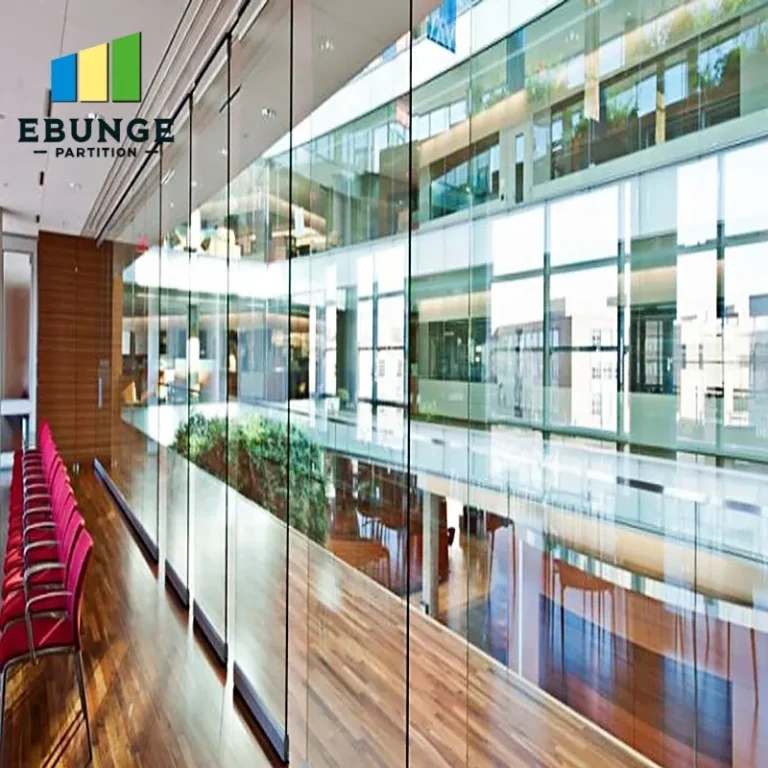
Conclusion
Selecting the right movable wall finishes for commercial interiors is a multifaceted decision that impacts acoustics, durability, aesthetics, and budget. By focusing on the specific needs of a restaurant private room, you can narrow down your options and choose a system that delivers on all fronts. Remember to verify acoustic ratings, fire safety compliance, and supplier reliability before making a final choice. For more insights, explore our movable partition design ideas or read about movable partition wall systems. If you have specific questions, don’t hesitate to contact us with your project details, including opening size, drawings, acoustic target, finish preference, and location, to get a tailored quotation.
Frequently Asked Questions
1. What is the best finish for a restaurant private room?
The best finish depends on your priorities. For easy maintenance and durability, laminate or vinyl are excellent choices. For enhanced acoustics, fabric finishes are better, but they may require more care. Consider a combination of materials to balance aesthetics and performance.
2. How do I choose the right acoustic rating?
For a private dining room, aim for an STC rating of at least 45. If the room is adjacent to a noisy kitchen or bar, consider a higher rating. Discuss your specific noise concerns with the supplier to determine the appropriate target.
3. Are movable walls fire-rated?
Yes, many movable wall systems are fire-rated. However, the rating depends on the materials and construction. Always ask for the fire test certificate and ensure it complies with your local building code.
4. Can I customize the finish to match my interior design?
Absolutely. Many suppliers offer custom options, including specific colors, patterns, or even your own material. Provide samples or design references to the supplier to explore possibilities.
5. What information do I need to get a quotation?
To receive an accurate quote, provide the opening size (width and height), ceiling height, number of panels needed, desired acoustic rating, finish preference, and project location. Also, share any architectural drawings if available.
For this buyer review, movable wall finishes for commercial should be checked against the confirmed opening, drawings, operating plan, and project specification.
Send the opening size and drawings to discuss a differentiated movable wall finishes for commercial solution.