
Quick answer: movable partition wall
Review focus: movable partition wall.
Movable partition wall training completion evidence linkage is the practice of connecting each operator training record to the specific operable wall, sliding folding partition or movable wall asset it covers. At handover, facility teams often hold training sign-in sheets, attendance logs and asset registers as separate documents. Without a deliberate linkage method, a future auditor or incoming facility manager cannot tell which person was trained on which panel set, which stacking route or which pass-door arrangement. This article sets out a structured, evidence-bounded framework for building that linkage at closeout. It uses only confirmed product facts and directs every project-specific question back to the coordinated drawings and written project documentation.
Why Training Evidence Linkage Matters at Handover
Project review term: movable partition wall.
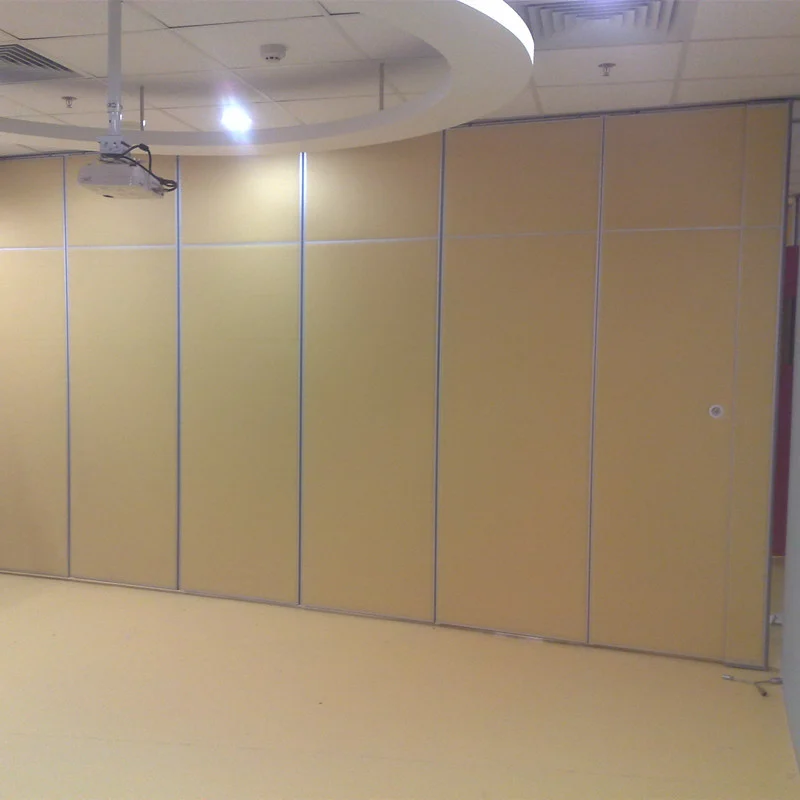
Movable partitions are not a single generic product. The exact route, junction arrangement, continuous overhead path and parking position must be confirmed from the coordinated project drawings. Each configuration has its own movement path, parking arrangement and pass-door requirements. A training record that says only “operable wall training completed” does not tell a facility team which asset was covered or which route was demonstrated.
Linkage matters because facility teams inherit operational responsibility. When a room layout changes, when a panel set is relocated, or when a new staff member takes over, the team needs to know what was handed over and to whom. The linkage framework does not create performance claims. It creates traceability between people, assets and the documentation that already exists.
Core Principles for Evidence-Bounded Linkage
Coordination scope: movable partition wall.
Three principles keep the framework honest and useful.
- Asset-specific, not generic. Every training record should reference a defined asset identifier, such as a room name, drawing number or panel set reference used in the project documentation.
- Route-aware, not just product-aware. Training should be linked to the movement path reviewed from the layout, including straight, turning and stacking routes where applicable.
- Evidence-limited, not performance-claiming. The record confirms attendance and coverage. The suitability of each route and parking arrangement depends on the approved layout, circulation, ceiling interfaces and operating sequence.
A Step-by-Step Linkage Process for Facility Teams
The following numbered process can be adapted to any project size. It assumes the facility team has access to the coordinated layout drawings and the as-built asset list.
- Define asset identifiers. Assign a unique reference to each movable partition wall, operable wall or sliding folding partition set. Use the same reference in the asset register, the training record and the handover file.
- Map movement routes. For each asset, record the straight, turning and stacking routes reviewed from the layout. Note the planned stacking position and any pass-door location.
- List training topics covered. Record the topics actually delivered, such as panel movement, route following, parking procedure and pass-door use. Do not add topics that were not part of the session.
- Capture operator details. For each attendee, record name, role, employer and the asset identifiers covered. Avoid implying that attendance equals independent competency unless a separate assessment was completed.
- Cross-reference drawings and documents. Link each training record to the relevant drawing revision, finish schedule and handover document set.
- Review and sign off. Have the contractor, facility representative and, where applicable, the owner’s representative confirm that the linkage is complete and accurate.
- Store in a controlled location. Keep the linked records with the asset register so future teams can retrieve them without reconstructing the history.
Building the Linkage Register: A Practical Checklist
Use this checklist to verify that each training completion record is properly linked before closeout.
- Asset identifier matches the asset register exactly.
- Room or venue name is recorded as an example reference, not as a limitation on other applications.
- Movement route description matches the reviewed layout, including any turning or stacking route.
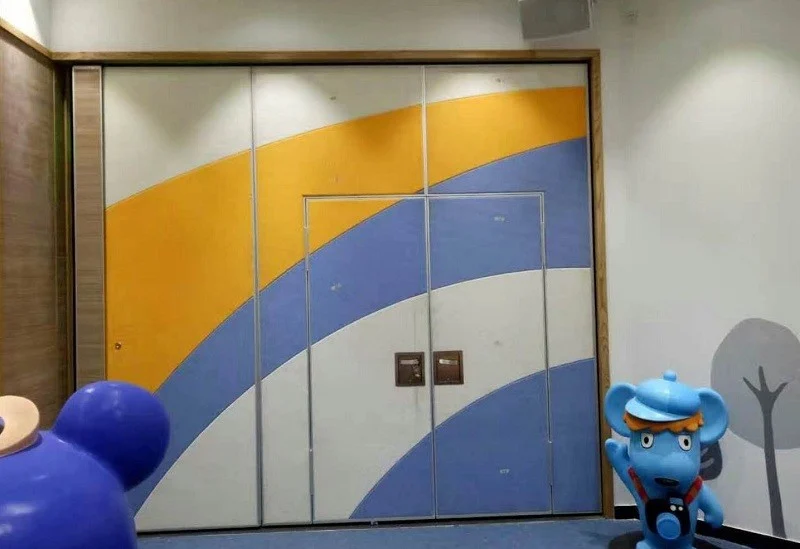
- Pass-door requirements are noted where they form part of the handover.
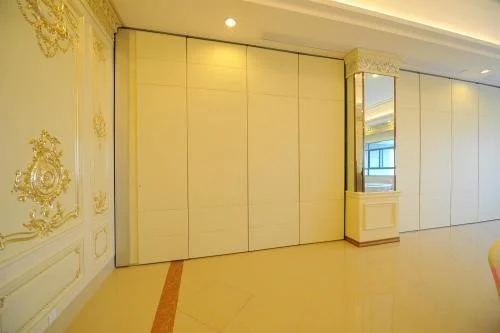
- Finish options relevant to the asset are referenced, such as laminate, melamine, fabric, leather, glass or other approved surfaces, without inferring performance from the finish.
- Training date, duration and delivery method are recorded factually.
- Attendee list is attached and cross-referenced.
- Any project-specific support, acoustic or dimensional confirmations are referenced to their source documents.
- Sign-off signatures are present and dated.
Common Evidence Gaps and How to Avoid Them
Most handover disputes arise from gaps that are easy to prevent.
Gap 1: Generic attendance sheets
An attendance sheet without asset identifiers cannot support linkage. Fix this by adding an asset reference column before the training session begins.
Gap 2: Route descriptions that do not match the layout
Review the layout drawing and update the record to reflect the actual reviewed route.
Gap 4: Missing pass-door references
Where pass-door requirements exist, they should be linked to the relevant asset and training topic. If they are not part of the project, state that clearly rather than leaving an ambiguous gap.
Coordinating Linkage Across Project Stakeholders
Linkage is not a single-team task. Contractors, architects, interior designers, owners and facility teams each hold part of the evidence. Handover Documentation coordination means agreeing early on the asset identifier format, the training record template and the review sequence.
For overseas projects, time zones and language differences can slow coordination. A shared register with clear columns reduces back-and-forth. The register should reference the movable wall systems used in the project and the project resources available for planning. Where questions arise about specific configurations, teams can contact EBUNGE to discuss project documentation requirements.
Frequently Asked Questions
What is movable partition wall training completion evidence linkage?
It is the documented connection between an operator training record and the specific movable partition wall, operable wall or sliding folding partition asset that the training covered. It typically includes asset identifiers, route descriptions, attendee details and sign-off references.
Does linkage require acoustic performance data?
No. Linkage confirms training coverage and asset traceability.
How should we handle multiple panel sets in one room?
Assign a distinct asset identifier to each set and record which set was covered in the training. If the sets share a movement route, note that route once and reference it from each asset record.
Can we use the same training record for several projects?
No. Each project has its own layout, routes and asset register. A training record should be linked to the specific project documentation for that site.
What if the training covered only part of the movement route?
Record exactly what was covered and note any route segments not included.
Who should sign off the linkage register?
The contractor, facility representative and, where applicable, the owner’s representative should confirm completeness. The sign-off confirms documentation accuracy, not operational performance.
Conclusion and Next Steps
A clear linkage framework turns scattered training records into a usable handover asset. Visible references can support layout discussion but do not verify hidden construction or performance.
To discuss documentation requirements for your next movable partition project, contact the EBUNGE team.