
Quick answer: movable partition wall
Review focus: movable partition wall.
Movable partition wall tender scoring calibration is the discipline of aligning evaluator judgments before an award recommendation is signed. In flexible-space packages, scores often drift because reviewers weigh drawings, finish samples and acoustic language differently. The exact overhead route and support arrangement must be confirmed by the responsible project team from coordinated drawings. It binds every recommendation to maintained product facts, visible evidence limits and project-specific drawing review.
Why Scoring Drift Happens in Partition Tenders
Project review term: movable partition wall.
Partition packages combine layout, finish and acoustic expectations in one submission. Reviewers may read the same clause differently: one treats a finish sample as proof of acoustic intent, another treats a layout sketch as proof of movement capability. Neither inference is safe. A finish is a finish; a route is a route. Calibration separates what the tender documents actually show from what the project still needs to confirm.
Drift also appears when criteria are weighted before the evaluation team agrees on evidence. If acoustic language is scored before the project’s acoustic requirement is defined, reviewers substitute personal experience for the specification. The fix is procedural, not technical: define evidence, then score.
Define the Evidence Boundary Before Scoring
Coordination scope: movable partition wall.
Before any evaluator opens a score sheet, the review lead should publish an evidence boundary. This is a short statement of what the tender can and cannot prove. Visible references can support layout discussion but do not verify hidden construction or performance.
Evidence note: what a submission can show
A submission can show proposed layout, finish direction, parking intent and documentation completeness. It cannot, by itself, prove project-specific support, acoustic outcome, dimensional fit or installation sequence. Those require matching project evidence and drawing review.
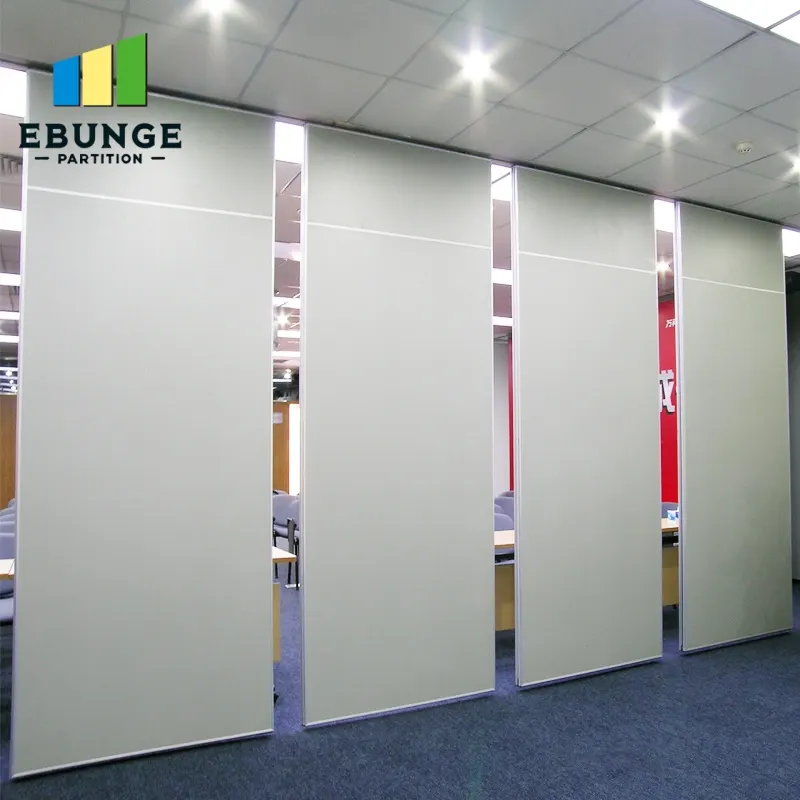
For movable partitions, the maintained product context is specific: panels are individually movable, suspended from a top track, cross the opening without a floor track, and park at a planned stacking position. Straight, turning and stacking routes are reviewed from the layout. The exact route, junction arrangement, continuous overhead path and parking position must be confirmed from the coordinated project drawings.
A Numbered Calibration Process for Review Panels
Checklist focus: movable partition wall.
- Freeze the criteria. Agree criterion definitions and weights before reading submissions.
- Publish the evidence boundary. State what submissions can and cannot prove.
- Run an independent first pass. Each evaluator scores alone, citing the document line behind each score.
- Compare outliers, not averages. Discuss the highest and lowest scores first.
- Re-score with shared evidence. Adjust only where a cited document supports the change.
- Record unresolved items. Move project-specific confirmations to the clarification log.
This sequence keeps calibration anchored to documents. It also prevents a confident reviewer from pulling the panel toward an unsupported conclusion.
Scoring Criteria That Resist Subjective Inflation
Criteria should be written so a reviewer can point to a page. Vague criteria invite drift; evidence-linked criteria reduce it. The table below is a calibration aid, not a performance claim.
| Criterion | Evidence to cite | Common drift |
|---|---|---|
| Layout and route response | Drawing showing straight, turning and stacking routes | Assuming movement without a continuous overhead route |
| Finish direction | Named finish option from the approved list | Treating finish as acoustic proof |
| Parking intent | Planned stacking position in the layout | Assuming compact stacking without coordinated design |
| Documentation completeness | Submitted drawings, schedules and clarifications | Scoring missing items as acceptable |
| Pass-door requirements | Stated requirement in the tender | Inferring doors from a generic image |
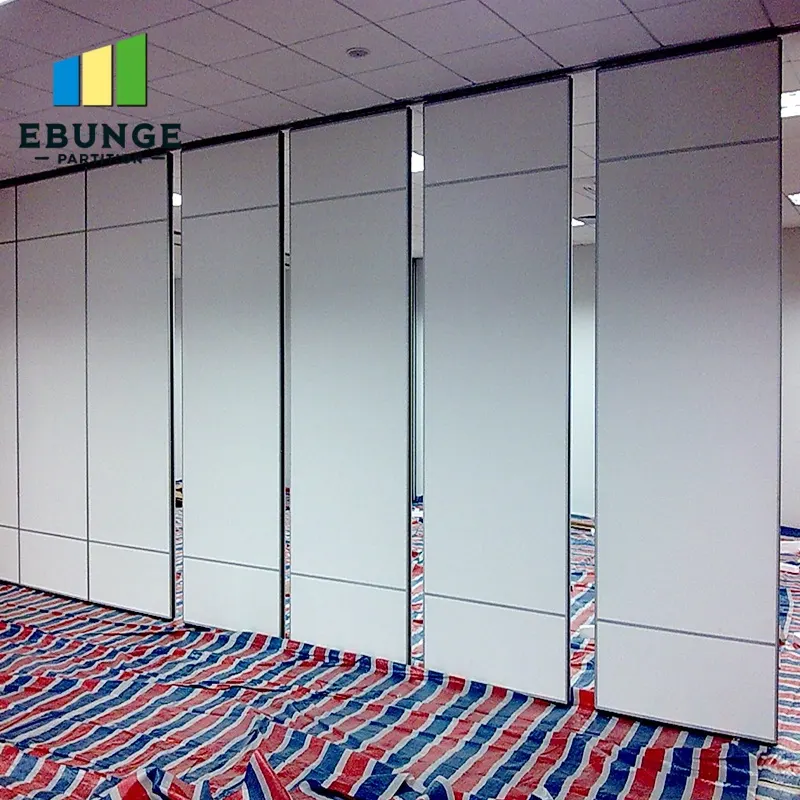
Confirmed finish options include laminate, melamine, fabric, leather, glass and other approved surfaces. Reviewers may score whether a finish is named and specified, but not whether it delivers a performance outcome.
Handling Acoustic Language Without Inventing Numbers
The suitability of each route and parking arrangement depends on the approved layout, circulation, ceiling interfaces and operating sequence. Reviewers should treat acoustic clauses as requirements to be confirmed against project-specific evidence, not as scores to be awarded from a brochure phrase.
Pre-Award Checklist for the Review Lead
- Criteria and weights frozen before first read.
- Evidence boundary circulated to all evaluators.
- Independent scores recorded with document citations.
- Outlier discussion completed and re-scoring justified.
- Project-specific support, acoustic and dimensional requirements listed for confirmation.
- Pass-door requirements and project documentation discussed with the supplier.
- Clarification log attached to the award recommendation.

Use the movable wall product context to keep scoring language aligned with maintained facts, and the resources library for general buyer planning. Neither replaces project-specific review.
FAQ: Calibrating Partition Tender Scores
What is movable partition wall tender scoring calibration?
It is the process of aligning evaluator scores across criteria before award, using shared evidence and documented justification rather than personal preference.
Can a finish sample prove acoustic performance?
No. A finish sample shows surface direction only. Acoustic requirements need project-specific evidence and confirmation.
How should reviewers treat a layout sketch?
As an indication of intended straight, turning and stacking routes. The routes must be reviewed from the layout, and support requires project-specific confirmation.
Do movable partitions need a floor track?
EBUNGE movable partition panels are top-hung and cross the opening without a floor track. Every proposed movement path still requires a continuous connected overhead route and project-specific support review.
When should pass-door requirements be scored?
Only when the tender states them. Pass-door requirements and project documentation can be discussed during clarification, not inferred from images.
What should happen to unresolved items?
They should move to a clarification log and be confirmed before award, not averaged into a score.
Conclusion and Next Step
Calibration is not about making every reviewer agree. It is about making every score traceable to evidence and every unresolved item visible before award. Keep the criteria frozen, the evidence boundary published and the clarification log open. Confirm project-specific support, acoustic and dimensional requirements with the project team.
To discuss pass-door requirements, project documentation or a tender review, contact EBUNGE.