
Quick project answer
Review focus: tender evaluation panel scoring calibration.
Movable partition wall tender evaluation panel scoring calibration is the discipline of aligning individual assessor judgments before composite scores are locked. Without it, a panel can agree on the same drawings yet produce divergent marks for the same criterion. This framework helps procurement reviewers structure that alignment using maintained product facts, visible evidence limits and project-specific drawing review. It does not replace technical evaluation; it makes the evaluation defensible and repeatable.
Why Calibration Matters Before Scores Are Locked
Project review term: tender evaluation panel scoring calibration.
Composite scores are often treated as arithmetic, but they are really a record of human judgment. If assessors interpret criteria differently, the arithmetic simply hides the divergence. Calibration is the step that surfaces those differences while they can still be discussed.
For movable partition packages, divergence commonly appears around movement routes, parking positions, finish expectations and documentation completeness. None of these require invented performance data to discuss. They require a shared reading of the tender documents and a shared understanding of what each criterion actually asks.
Define the Evidence Boundary First
Coordination scope: tender evaluation panel scoring calibration.
Before any scoring begins, the panel should agree on what counts as evidence. A finish sample, a layout drawing and a written statement are different kinds of evidence. Treating them as interchangeable is a common source of scoring drift.
Evidence note
Do not derive acoustic, structural, durability or commercial performance from a visible shape, finish or photograph. Comparative and absolute statements require matching project-specific evidence, or they should be recorded as open items for confirmation.
This boundary protects the panel from rewarding confident language over verifiable content. It also gives assessors a neutral way to mark a submission as incomplete rather than simply weak.
A Five-Step Calibration Process
Checklist focus: tender evaluation panel scoring calibration.
- Restate each criterion in plain language. The panel writes what the criterion is testing and what a complete response looks like.
- Score one submission together. Assessors mark independently, then compare. Differences are discussed before any other submission is scored.
- Record interpretation decisions. Any agreed reading of a criterion is written down so later submissions are judged consistently.
- Score remaining submissions independently. Assessors apply the recorded decisions without further group discussion.
- Review outliers, not averages. A single low or high mark is examined for reasoning before composite scores are finalized.
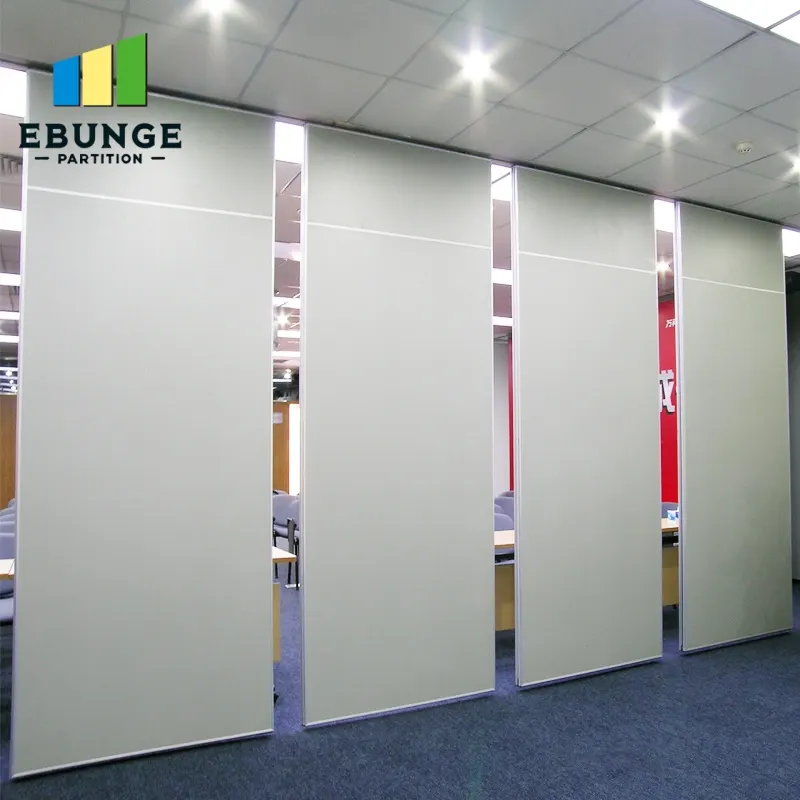
This sequence keeps calibration focused on interpretation rather than persuasion. It also creates a written trail that supports the final evaluation report.
Criteria That Commonly Cause Divergence
Review focus: tender evaluation panel scoring calibration.
Some criteria attract wider scoring spreads than others. Reviewers can anticipate this by identifying them early and agreeing on what evidence is expected.
| Criterion area | Common divergence | Calibration question |
|---|---|---|
| Movement and route review | Assessors read layout drawings differently | Has the straight, turning and stacking route been reviewed from the layout? |
| Parking position | Assumed versus planned stacking | Is the parking position shown and coordinated with the layout? |
| Finish specification | Sample versus written description | Are laminate, melamine, fabric, leather, glass or other approved surfaces clearly stated? |
| Pass-door requirements | Omitted or unclear scope | Are pass-door requirements identified for discussion? |
| Documentation | Different completeness standards | Is the project documentation package defined and comparable? |
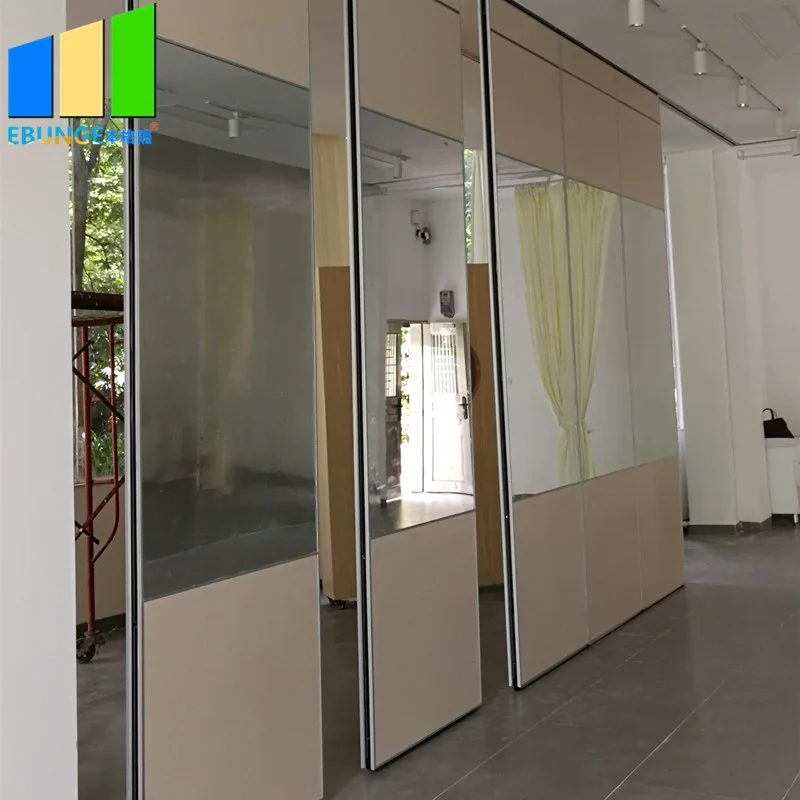
The table is a discussion aid, not a scoring formula. Each project should confirm its own support, acoustic and dimensional requirements.
Handling Acoustic and Dimensional Criteria
Acoustic criteria are frequently misunderstood during tender review. The suitability of each route and parking arrangement depends on the approved layout, circulation, ceiling interfaces and operating sequence.
Dimensional criteria deserve the same care. Panel heights, opening widths and stacking space all depend on the actual layout. Assessors should not infer dimensions from a general product description. The correct action is to record the requirement and confirm it against project-specific drawings.
Documenting the Calibration Outcome
Calibration is only useful if its results are recorded. A short calibration note should capture the agreed interpretation of each disputed criterion, the evidence expected, and any items deferred for confirmation.
- Agreed criterion interpretations and the reasoning behind them.
- Evidence types accepted for each criterion.
- Open items requiring project-specific confirmation.
- Any criterion where the panel could not reach a shared reading.
This note becomes part of the tender evaluation record. It also helps anyone reviewing the decision later understand why scores were assigned as they were.
Common Calibration Mistakes to Avoid
Even experienced panels can slip into habits that weaken calibration. The most frequent mistake is discussing scores before discussing criteria. Another is allowing the loudest voice to set the interpretation without recording it.
A third mistake is treating a polished submission as evidence of capability. Presentation quality and technical completeness are separate criteria and should be scored separately. Finally, panels sometimes calibrate only the first submission and then drift on later ones. Revisiting the calibration note before each scoring round reduces that risk.

FAQ: Tender Evaluation Panel Scoring Calibration
What is movable partition wall tender evaluation panel scoring calibration?
It is the process of aligning how individual assessors interpret and apply scoring criteria for a movable partition wall package before composite scores are locked. It focuses on shared understanding, not on forcing agreement.
When should calibration take place?
Calibration should happen after assessors have read the tender documents but before independent scoring begins. A short review after the first scoring round can catch remaining divergence.
Does calibration change the tender criteria?
No. Calibration clarifies how existing criteria are interpreted. If a criterion is genuinely unclear, that should be addressed through the proper tender clarification process rather than through panel discussion alone.
How should acoustic claims be handled during scoring?
Acoustic claims should be matched to the evidence provided and the project requirement. Where evidence is missing, the item should be recorded for project-specific confirmation.
What if assessors still disagree after calibration?
Record the disagreement and the reasoning behind each position. The panel can then decide whether the criterion needs clarification, whether the submission is incomplete, or whether the divergence reflects a genuine difference in professional judgment.
How does calibration relate to the final evaluation report?
The calibration note supports the final report by showing how criteria were interpreted and how evidence was assessed.
Conclusion and Next Steps
Calibration does not guarantee identical scores, and it should not try to. Its purpose is to ensure that differences reflect genuine judgment rather than inconsistent interpretation. For movable partition wall packages, that means agreeing early on how movement routes, parking positions, finishes, pass-door requirements and documentation will be assessed.
Reviewers who document their calibration decisions create a stronger evaluation record and a clearer basis for award. To discuss project-specific requirements, drawing review or documentation expectations, contact the EBUNGE team. You can also review the movable wall product range and browse additional procurement resources before finalizing your tender framework.