
Quick answer: tender evaluation consensus conference design
Review focus: tender evaluation consensus conference design.
When a movable partition wall package is scored by multiple evaluators, individual score sheets often diverge. One reviewer may weight layout flexibility heavily; another may focus on finish durability or documentation completeness. A movable partition wall tender evaluation consensus conference design gives the evaluation panel a structured way to deliberate those differences before any award recommendation is issued. This article outlines a procurement reviewer’s framework for planning and facilitating that session, keeping every conclusion tied to maintained product facts, visible evidence limits and project-specific drawing review.
Why Divergent Scoring Needs a Structured Conference
Project review term: tender evaluation consensus conference design.
The suitability of each route and parking arrangement depends on the approved layout, circulation, ceiling interfaces and operating sequence. Evaluators read the same tender return through different professional lenses. A contractor may see installation coordination risk; an architect may see finish and layout implications; an owner’s representative may see operational fit. Without a deliberate reconciliation step, the panel may average scores and move on, leaving unresolved questions buried in the record.
A consensus conference is not a re-scoring exercise. It is a facilitated deliberation that surfaces the reasoning behind each score, tests that reasoning against the tender documents and the maintained product facts, and records where the panel agrees, where it remains divided, and what evidence would resolve the gap. The output is a documented position, not a forced unanimity.
Pre-Conference Preparation: What Must Be Ready
Coordination scope: tender evaluation consensus conference design.
The quality of the consensus conference depends on what happens before it. The chair should confirm that every evaluator has completed individual scoring independently, that all tender returns are logged, and that the panel has access to the same reference set. That reference set should include the maintained product facts for the movable partition system, the project drawings showing straight, turning and stacking routes, and any project-specific documentation the tenderer has provided.
Where the tender includes pass-door requirements, the chair should confirm whether those requirements are clearly stated in the enquiry documents and whether tenderers have responded to them. If the panel intends to discuss acoustic concepts, it should do so conceptually.
Decision checklist before the session opens
- Are all individual score sheets submitted and locked?
- Has every evaluator received the same tender documents and maintained product facts?
- Are the layout drawings available, including straight, turning and stacking routes?
- Are pass-door requirements and any project-specific documentation clearly identified?
- Has the chair prepared a divergence map showing where scores differ most?
- Is the recording format agreed, including how unresolved items will be noted?
Designing the Deliberation Session
Checklist focus: tender evaluation consensus conference design.
The chair should open with the purpose: to reconcile scoring divergence, not to pressure evaluators into changing independent judgments. Each divergence area is then addressed in turn, starting with the largest gaps. For each area, the chair invites the evaluators who scored highest and lowest to explain their reasoning, then opens the floor for evidence-based discussion.
The panel should distinguish between three types of divergence: differences in interpretation of the tender documents, differences in weighting of criteria, and differences in confidence about project-specific requirements. Interpretation and weighting can often be resolved through reference to the enquiry documents. Confidence gaps usually require a project-specific confirmation boundary, meaning the panel records what must be confirmed with the supplier or through further drawing review before award.
Numbered process for each divergence area
- State the criterion and the score range across evaluators.
- Ask the highest and lowest scorers to explain their reasoning without interruption.
- Check the tender documents and maintained product facts for any statement that supports or contradicts either position.
- Identify whether the gap is interpretation, weighting or confidence.
- Record the panel’s reconciled position or the specific evidence needed to resolve it.
- Confirm that no unsupported performance, engineering or commercial conclusion has entered the record.
Evidence Boundaries During Deliberation
Review focus: tender evaluation consensus conference design.
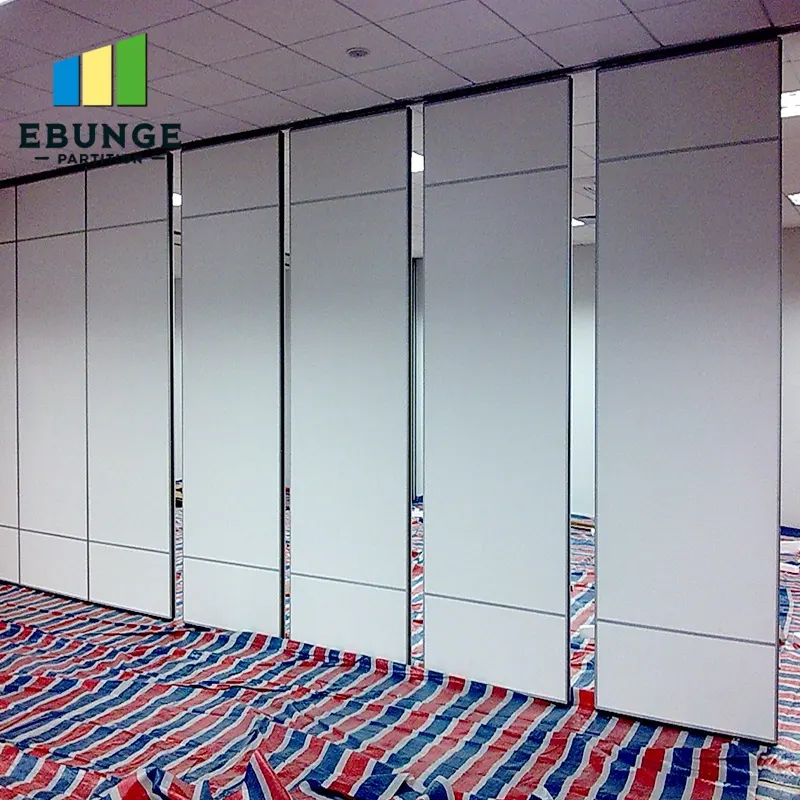
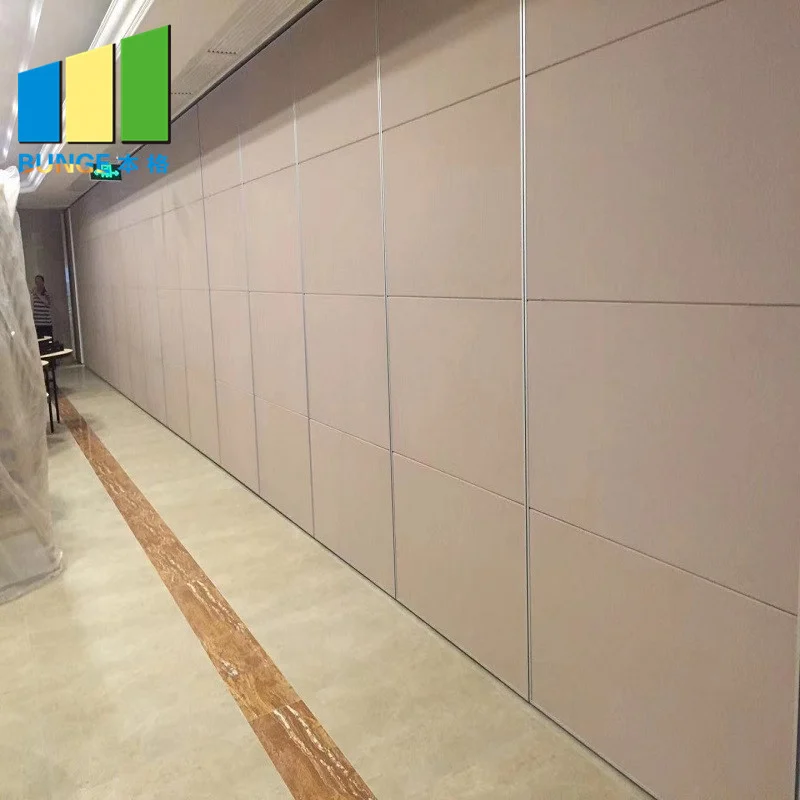
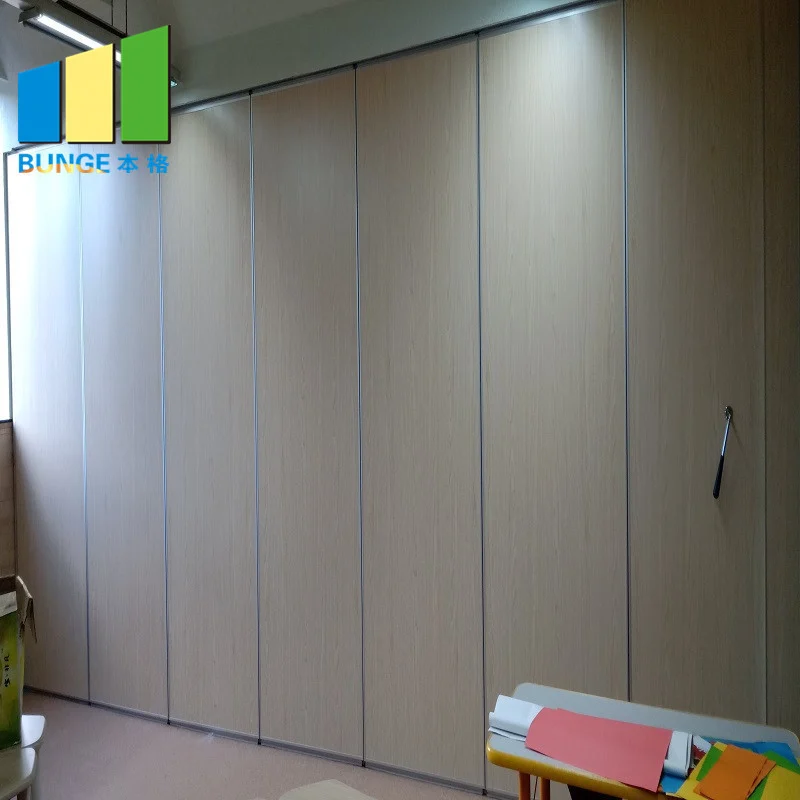
The chair has a specific responsibility to keep the discussion within evidence boundaries. Movable partition panels are individually movable, suspended from a top track, cross the opening without a floor track, and park at a planned stacking position. These are maintained product facts.
Confirmed finish options include laminate, melamine, fabric, leather, glass and other approved surfaces.
Evidence note: A score is only as strong as the evidence behind it. If the panel cannot point to a tender document, a maintained product fact or a project-specific drawing review, the point should be recorded as requiring confirmation rather than treated as settled.
Documenting Outcomes and Unresolved Items
Project review term: tender evaluation consensus conference design.
The consensus conference should produce a written record that stands alongside the individual score sheets. This record should show the original score range for each criterion, the reconciled position where agreement was reached, and a clear list of unresolved items with the evidence required to close them. Unresolved items are not failures; they are legitimate outputs of a deliberation that respects evidence limits.
The exact route, junction arrangement, continuous overhead path and parking position must be confirmed from the coordinated project drawings. These requirements should be carried forward into the award recommendation as conditions or clarifications, not silently assumed. This practice protects the evaluation from later disputes and gives the project team a clear basis for the next stage of coordination.
Common Pitfalls in Consensus Conference Design
Coordination scope: tender evaluation consensus conference design.
One common pitfall is treating the conference as a negotiation in which the loudest voice wins. Another is allowing the panel to drift into technical conclusions that belong to a later design stage. A third is failing to record divergence, which leaves the evaluation vulnerable to challenge. The chair should keep the session focused on scoring reconciliation and evidence review, and should redirect any discussion that moves into unsupported performance claims.
A fourth pitfall is assuming that a consensus conference must produce a single score for every criterion. Where genuine uncertainty remains, the panel can record a range or a conditional position, provided the condition is clearly stated and tied to a specific confirmation step. This approach is more honest than forcing a number that the evidence does not support.
FAQ: Consensus Conference Design for Movable Partition Tenders
What is a tender evaluation consensus conference?
It is a structured deliberation session held after individual scoring, in which evaluators discuss divergent scores, test their reasoning against the tender documents and maintained product facts, and record reconciled positions or unresolved items before an award recommendation is issued.
Who should chair the consensus conference?
The chair should be a procurement reviewer who did not score the movable partition wall package, or who can facilitate without advocating for a particular outcome. The chair’s role is to manage the process, enforce evidence boundaries and ensure the record is complete.
How should the panel handle acoustic criteria?
Where acoustic requirements are project-specific, the panel should record them as requiring confirmation rather than inferring performance from a finish or drawing.
What if evaluators cannot reach agreement?
Unresolved items should be documented with the specific evidence needed to close them. The panel can record a conditional position or a range, provided the condition is clearly stated and carried forward into the award recommendation.
How does the consensus conference relate to the award recommendation?
The conference output informs the award recommendation but does not replace it. The recommendation should reflect the reconciled positions and list any unresolved items as conditions or clarifications for the next stage.
What project information should be available during the session?
The panel should have the tender returns, individual score sheets, maintained product facts, layout drawings showing straight, turning and stacking routes, and any project-specific documentation. Pass-door requirements should be clearly identified where applicable.
Conclusion: A Deliberate Path to Award Recommendation
A movable partition wall tender evaluation consensus conference design is not about forcing agreement. It is about making the evaluation panel’s reasoning visible, testing it against evidence, and recording what remains to be confirmed. When the session is prepared properly, facilitated within clear boundaries and documented thoroughly, the award recommendation rests on a defensible record rather than an average of unexplained scores.
Project-specific support, acoustic and dimensional requirements should always be confirmed against the actual layout and building conditions. To discuss pass-door requirements, project documentation or the next stage of coordination, contact EBUNGE. You can also review the movable wall product range and browse the resources library for further planning context.