
Quick answer: tender clarification response register
Review focus: tender clarification response register.
A movable partition wall tender clarification response register is the single log that records every bidder question, who answered it, and whether the priced scope changed before award. Without it, reviewers reconstruct decisions from scattered email threads and cannot show why one bidder’s number moved while another’s did not. This framework gives overseas contractors, architects, owners and procurement teams a repeatable register structure. It stays deliberately evidence-bounded: the register records what was asked, answered and priced, not performance conclusions that require separate project-specific confirmation.
Why a Clarification Register Matters More Than a Clean Bid Tabulation
Project review term: tender clarification response register.
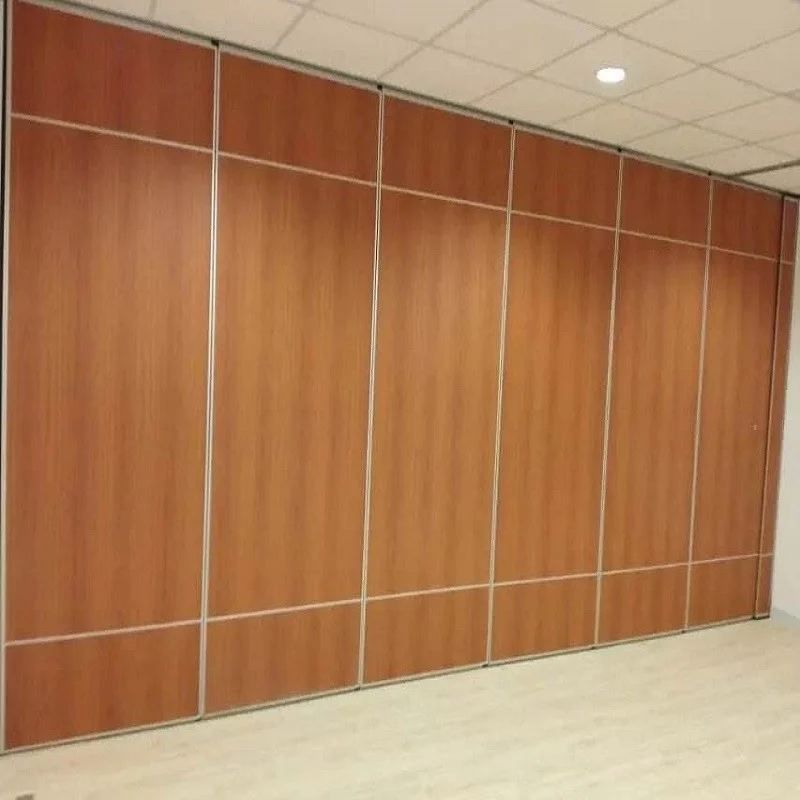
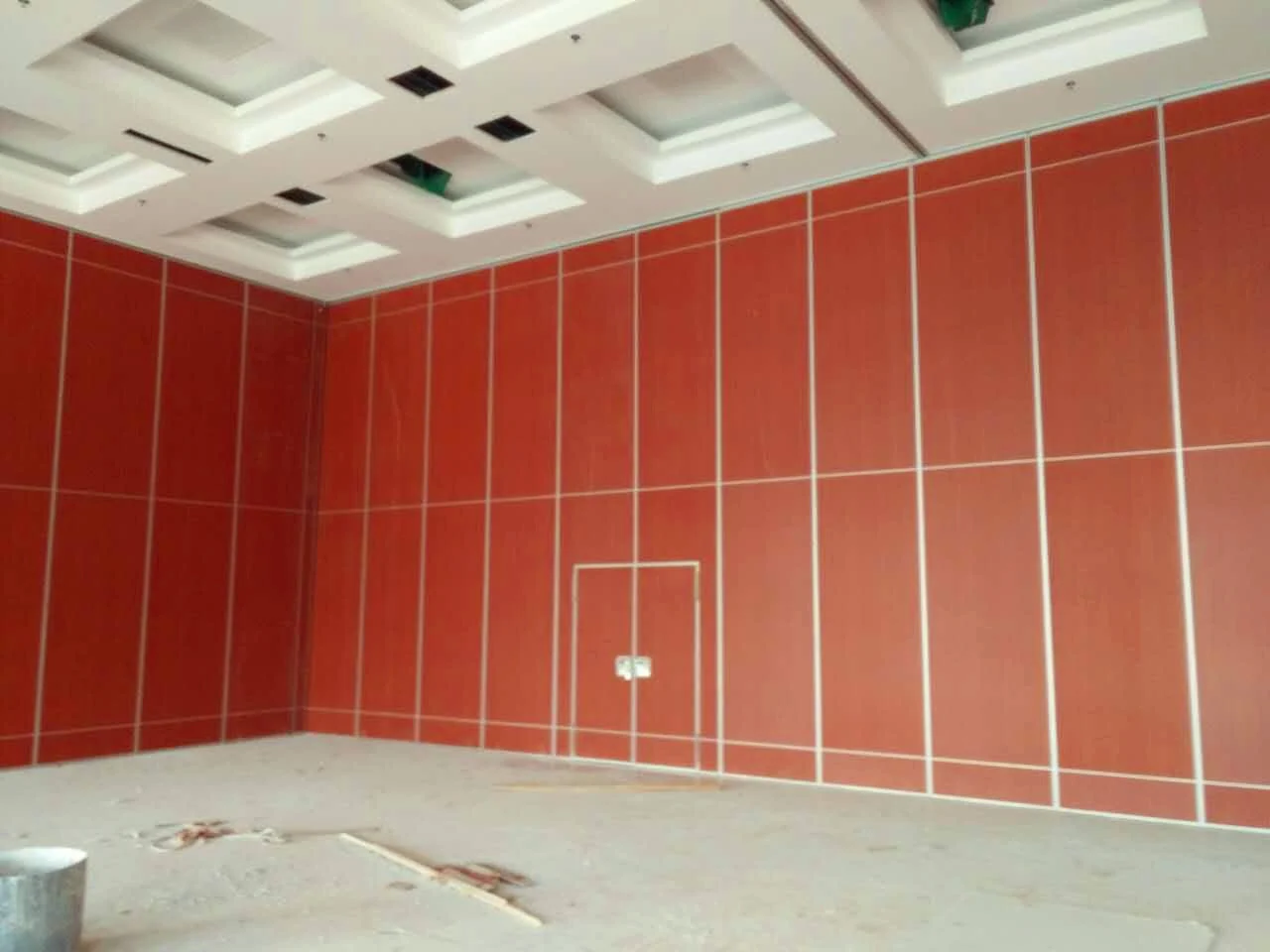
A bid tabulation shows final numbers. It does not show the questions that produced them. When a movable partition package includes top-hung panels that cross an opening without a floor track and park at a planned stacking position, bidders often raise layout, route and finish questions that change what they price.
If those exchanges live in separate inboxes, the award recommendation becomes hard to defend. A register converts them into a controlled record. Each row links a question to an answer owner, a date, and a scope-adjustment decision. Reviewers can then see whether a revised price reflects a genuine scope change or an unexplained movement.
Register Fields That Make the Answer Trail Traceable
Coordination scope: tender clarification response register.
Design the register before issuing the tender, not after clarifications begin. The field set below is deliberately neutral; it captures provenance and ownership without asserting technical outcomes.

| Field | Purpose | Reviewer check |
|---|---|---|
| Question ID | Unique reference for each bidder query | No duplicate or orphan IDs |
| Bidder / source | Who raised the question and when | Matches the tender issue log |
| Topic area | Layout, route, finish, pass-door, documentation | Consistent category labels |
| Answer owner | Named discipline or role responsible | Owner is authorised to answer |
| Answer date | When the response was issued | Before the stated clarification deadline |
| Scope impact | None, priced adjustment, or withdrawn | Linked to the revised bid line |
| Evidence reference | Drawing, schedule or document cited | Reference exists and is current |
Keep the register in one controlled file. If a question is answered verbally, log it and confirm in writing. The suitability of each route and parking arrangement depends on the approved layout, circulation, ceiling interfaces and operating sequence.
Logging Question Provenance Without Judging the Bidder
Checklist focus: tender clarification response register.
Provenance means recording where a question came from and what prompted it. A bidder may ask about turning routes because the layout shows a change of direction, or about stacking because the parking position is tight. The register should capture the trigger, not speculate about the bidder’s motive.
Separate layout questions from finish questions
The exact route, junction arrangement, continuous overhead path and parking position must be confirmed from the coordinated project drawings. Finish questions concern approved surfaces such as laminate, melamine, fabric, leather or glass. Mixing them in one category makes later analysis harder.
Record pass-door and documentation requests explicitly
Pass-door requirements and project documentation can be discussed with the supplier. When a bidder asks about either, log the request and the response. Do not treat a general answer as confirmation of a project-specific requirement.
Assigning Answer Ownership Across Disciplines
Clarification answers often cross disciplines. The register should name one accountable owner per answer, even when several contributors feed it.
- Route the question to the accountable discipline.
- Record the owner and the date the answer was issued.
- Attach the drawing or document reference used.
- Mark whether the answer changes the priced scope.
- Confirm the bidder has received and acknowledged the answer.
This sequence prevents the common failure where an answer is given by one person but priced by another without a shared record.
Deciding Whether the Priced Scope Was Adjusted
Not every clarification changes price. The register should distinguish three outcomes: no scope impact, priced adjustment, or question withdrawn. For a priced adjustment, record which bid line moved and why. For a withdrawn question, record that no change follows.
Reviewers should be cautious about treating a revised total as evidence of anything beyond the bidder’s own pricing decision. The register documents the decision trail; it does not validate the number itself. Where a bidder’s revised scope depends on project-specific support, acoustic or dimensional requirements, note that confirmation is still required.
Evidence Boundaries Reviewers Should State in the Register
If a clarification touches acoustic expectations, the register should record the question and point to the project-specific confirmation still needed.
Evidence note: the register records questions, answers, ownership and scope decisions. It does not certify acoustic performance, structural capacity, finish durability or completion outcomes. Those require separate project-specific evidence and drawing review.
State this boundary in the register header so every reviewer applies the same standard. It protects the award recommendation from overreach.
Using the Register in the Award Recommendation
Before award, summarise the register: how many questions were raised, how many changed scope, and whether any remain open. An open question with a priced adjustment is a risk flag. A closed question with no scope impact is a clean record.
Attach the register to the award recommendation. Reviewers can then trace any price movement to a logged answer rather than an email thread. For product context, see the movable wall systems page and the wider project resources library.
Frequently Asked Questions
What is a movable partition wall tender clarification response register?
It is a controlled log of bidder questions, the answers issued, the accountable answer owner, and whether each answer changed the priced scope before award.
Who should own the register during a tender?
The procurement reviewer or tender coordinator should own the register, while individual answers remain owned by the relevant discipline. One file, one owner, many contributors.
Should verbal clarifications be recorded?
Yes. Log the verbal exchange and confirm it in writing. Unrecorded verbal answers are a common source of post-award disagreement.
How does the register handle acoustic questions?
It records the question and the answer owner, and notes that project-specific acoustic confirmation is still required. It does not convert a rating into a performance promise.
Can the register be used for pass-door or documentation requests?
Yes. Pass-door requirements and project documentation can be discussed, and the register should capture both the request and the response.
What should happen if a question remains open at award?
Flag it. An open question linked to a priced adjustment should be resolved or explicitly carried as a condition before the award recommendation is signed.
Conclusion and Next Step
A movable partition wall tender clarification response register turns scattered correspondence into a defensible answer trail. Keep the field set consistent, assign one accountable owner per answer, and record every scope-adjustment decision before award. Confirm project-specific support, acoustic and dimensional requirements with the relevant discipline rather than inferring them from a clarification response.
To discuss pass-door requirements, project documentation or layout review for an upcoming package, contact the EBUNGE team.